
Categories List
Mastering Corrosion Challenges in Marine and Chemical Applications
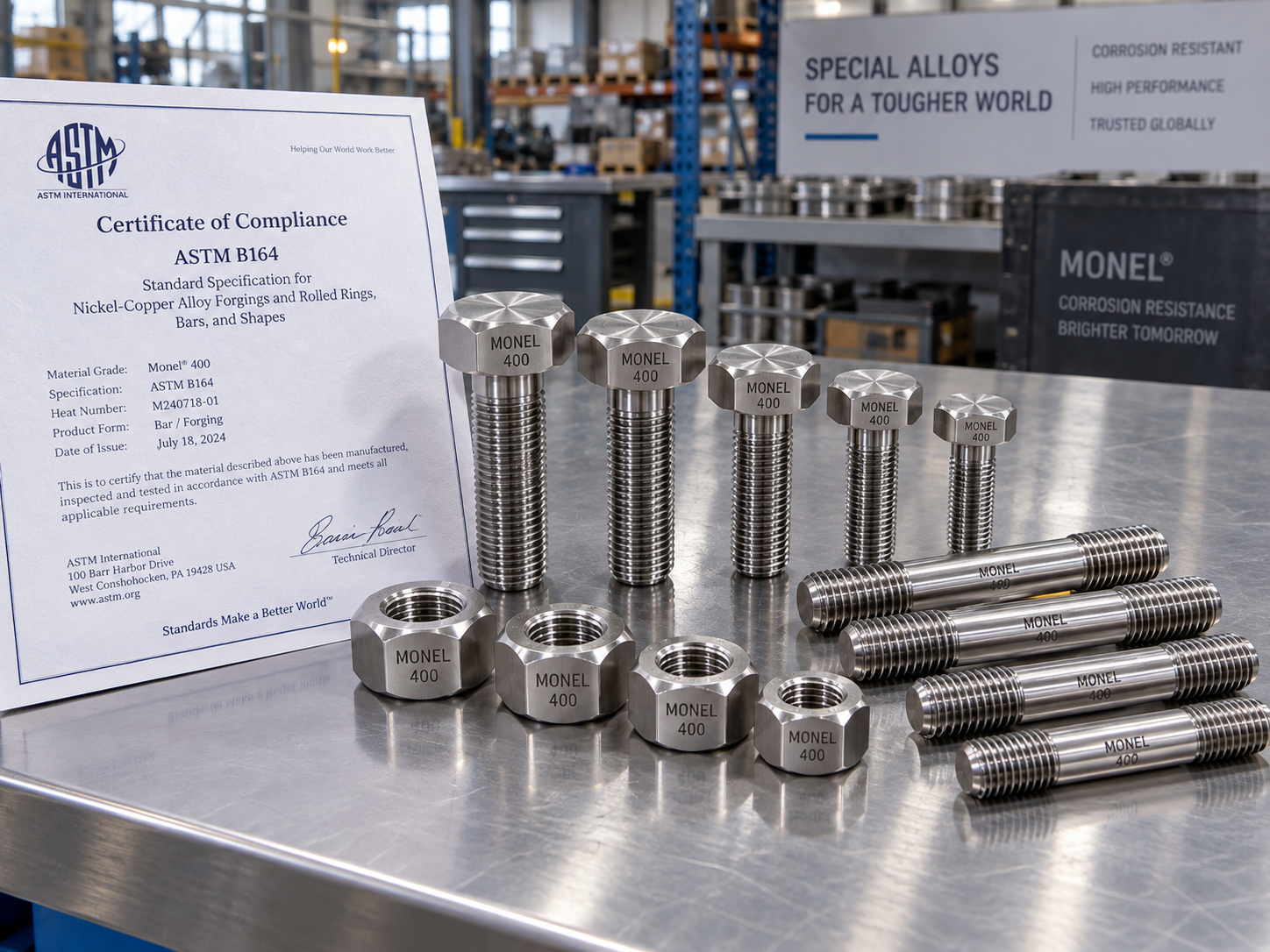
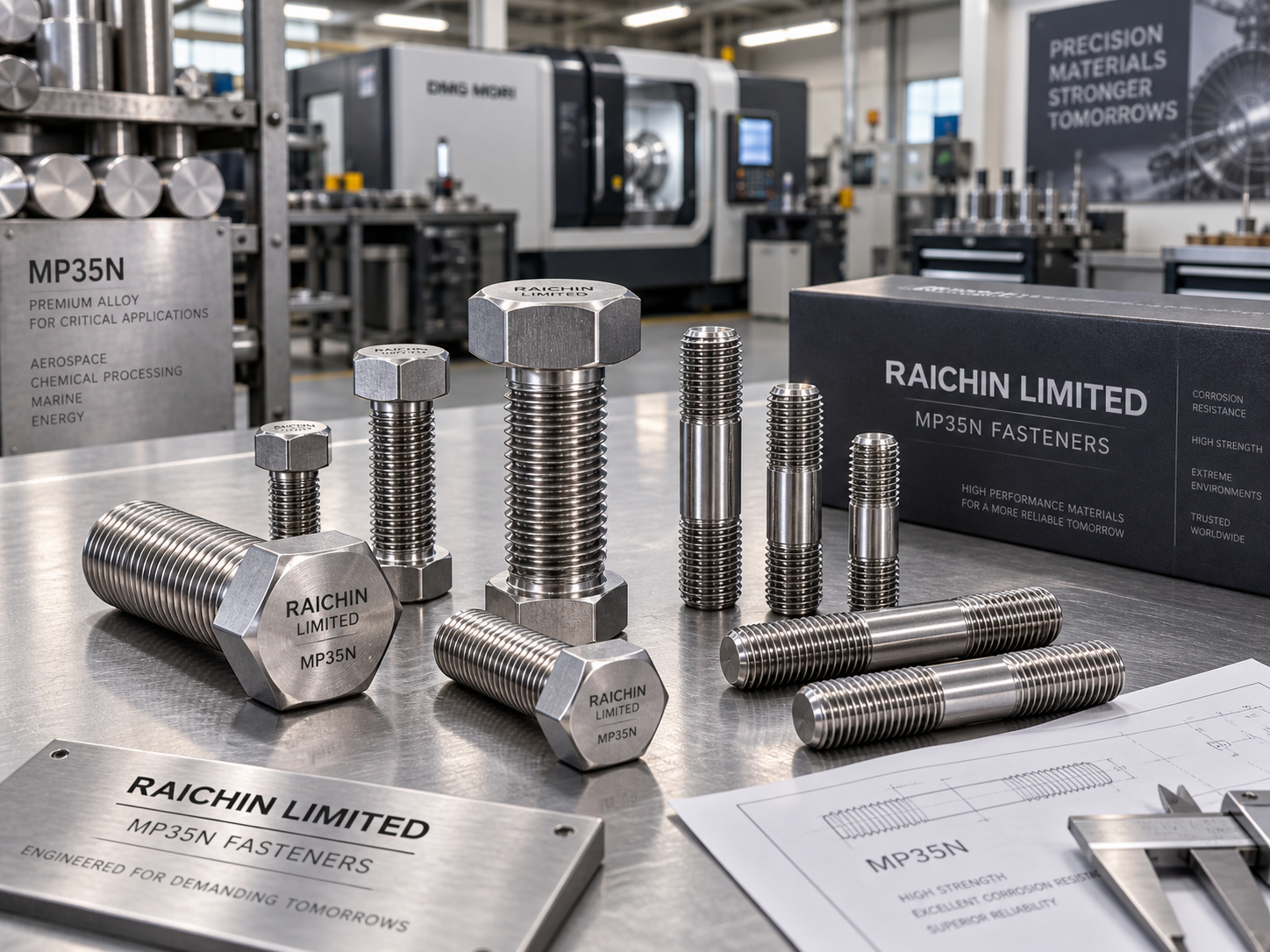
In environments where corrosion poses a constant threat to structural integrity and operational safety, Monel fasteners—including bolts, nuts, screws, and washers—represent the engineered solution of choice for severe corrosive conditions. As specialists in high-performance corrosion-resistant fasteners, RAYCHIN manufactures precision Monel fastening components that deliver unparalleled performance in seawater, chemical processing, oil & gas, and marine applications. This comprehensive guide addresses critical technical questions while providing detailed engineering data for informed material selection in the world's most aggressive corrosive environments.
Part 1: Scientific Foundation of Monel Alloys
1.1 Chemical Composition: Engineered for Maximum Corrosion Resistance
Monel alloys are nickel-copper based alloys with strategic elemental additions, each formulated for specific environmental challenges:
Primary Monel Grades for Fasteners:
Critical Element Functions:
Nickel (63-70%): Provides inherent corrosion resistance and maintains austenitic structure
Copper (27-34%): Enhances resistance to sulfuric and hydrofluoric acids, provides cathodic protection
Aluminum + Titanium (K-500): Forms γ' (gamma prime) precipitates for age hardening
Sulfur (R-405): Improves machinability for automatic screw machines
RAYCHIN Quality Assurance: Our certified Monel fasteners are manufactured from controlled composition material with full traceability, ensuring optimal chemistry for maximum corrosion resistance in specific environments.
1.2 Mechanical Properties: Strength with Superior Corrosion Immunity
Monel alloys offer excellent mechanical properties that can be tailored through processing and heat treatment:
Room Temperature Mechanical Properties:
Elevated Temperature Performance:
Specialized Performance Characteristics:
Fatigue Strength: 35-40 ksi (241-276 MPa) at 10⁸ cycles (Monel 400, R=-1)
Impact Toughness: Excellent at cryogenic temperatures
Thermal Expansion: 7.7 × 10⁻⁶/°F (13.9 × 10⁻⁶/°C) from 70-600°F
Thermal Conductivity: 15.0 BTU·in/(hr·ft²·°F) at 70°F (26 W/m·K)
Electrical Resistivity: 37.0 microhm-cm at 70°F
Magnetic Permeability: Essentially non-magnetic (<1.005 μ)
Heat Treatment for Monel K-500:
Solution Treatment: 1800°F (982°C) for 1-2 hours, water quench
Age Hardening: 1100°F (593°C) for 16-20 hours, air cool
Alternative Aging: 1000°F (538°C) for 8 hours for higher strength
Part 2: Critical Technical Questions & Expert Answers
2.1 What makes Monel alloys uniquely resistant to seawater corrosion?
Monel's exceptional marine corrosion resistance results from multiple synergistic mechanisms:
High Nickel Content (63-70%): Provides inherent corrosion resistance and maintains a protective passive film in seawater environments.
Copper Addition (27-34%): Offers cathodic protection and enhances resistance to sulfuric acid and seawater corrosion through formation of protective surface films.
Natural Biofouling Resistance: Monel demonstrates natural resistance to marine organism attachment, reducing microbiologically influenced corrosion (MIC).
Chloride Immunity: Excellent resistance to chloride-induced stress corrosion cracking, unlike many stainless steels.
Corrosion Rate Data in Seawater:
Immersion Service: <0.1 mpy (0.0025 mm/year) in flowing seawater
Splash Zone: <0.5 mpy (0.0127 mm/year) with periodic wet-dry cycling
Tidal Zone: <0.3 mpy (0.0076 mm/year) with regular immersion/emersion
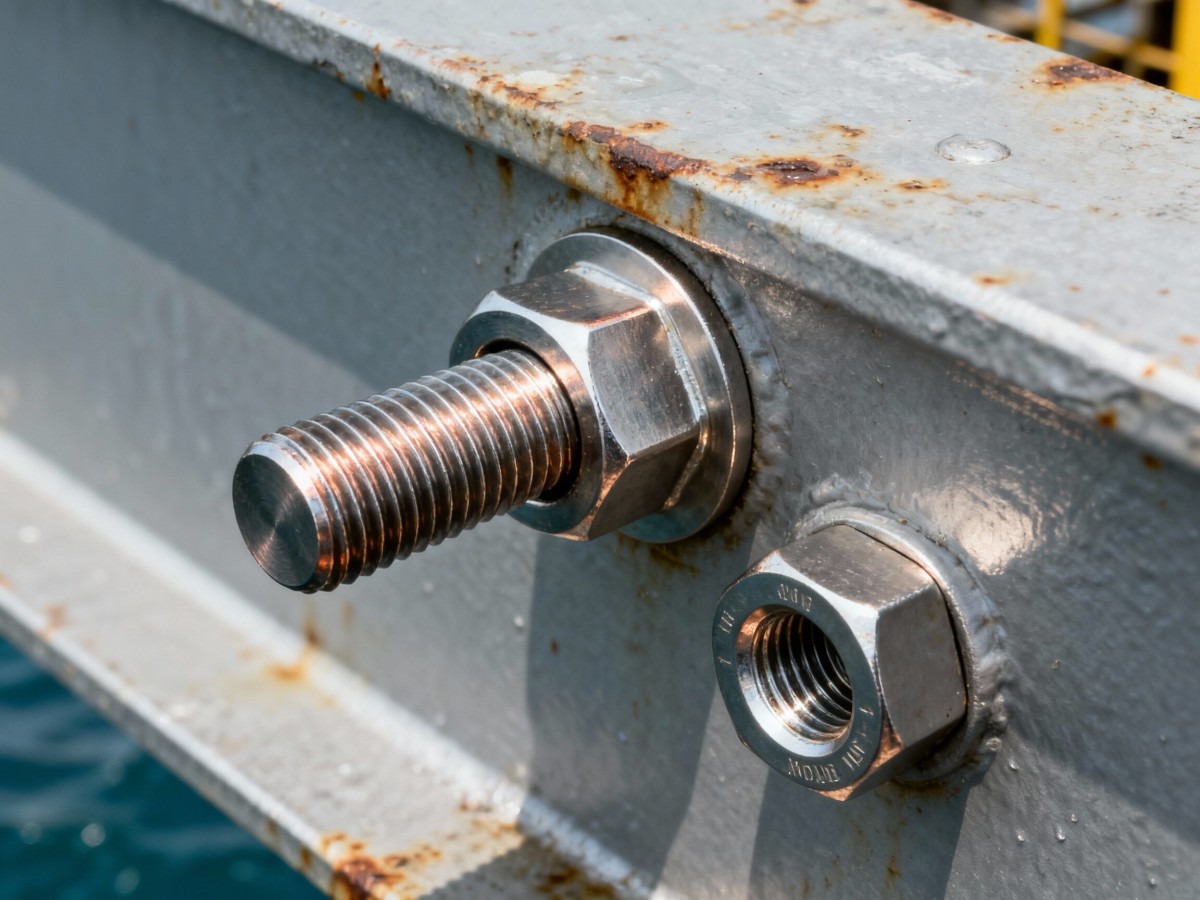
RAYCHIN Field Data: Our Monel marine fasteners have demonstrated 20+ years of service in seawater immersion without measurable corrosion, while 316 stainless steel counterparts typically fail within 3-5 years in the same environments.
2.2 When should I choose Monel K-500 over Monel 400 for fasteners?
This represents a critical selection decision based on application requirements:
Engineering Rule: Use Monel 400 fasteners for components requiring maximum corrosion resistance with moderate strength. Choose Monel K-500 fasteners when high tensile strength combined with corrosion resistance is critical for load-bearing applications.
2.3 How does Monel compare to titanium for marine applications?
This common comparison involves important performance and economic considerations:
Critical Distinction: While both materials excel in seawater, Monel offers superior resistance to acids commonly encountered in marine and chemical environments, while titanium provides better strength-to-weight ratio for weight-sensitive applications.
Part 3: Industry-Specific Applications & Solutions
3.1 Marine & Offshore Engineering: Conquering Seawater Corrosion
Primary Applications:
Propeller Shaft Fasteners: Monel bolts and nuts for marine propulsion systems
Seawater Valve Components: Studs and bolts for critical flow control equipment
Offshore Platform Hardware: Fasteners for splash zone and submerged components
Desalination Plant Equipment: Bolting for high-pressure reverse osmosis systems
Performance Advantages:
Complete immunity to seawater stress corrosion cracking
Natural resistance to marine biofouling
Excellent performance in both flowing and stagnant seawater
Long-term reliability reducing maintenance costs
3.2 Chemical Processing: Withstanding Aggressive Acids
Critical Applications:
Hydrofluoric Acid Handling: Fasteners for HF alkylation units and storage systems
Sulfuric Acid Equipment: Bolts and nuts for concentrators and piping
Chemical Reactor Components: Fasteners for aggressive chemical synthesis
Pharmaceutical Manufacturing: Components for reactors and purification systems
Technical Benefits:
Exceptional resistance to reducing acids (HF, H₂SO₄, HCl)
Good performance in alkaline environments
Minimal contamination risk in high-purity processes
Compliance with FDA regulations for critical applications
3.3 Oil & Gas Industry: Reliability in Sour Service
Essential Applications:
Downhole Tool Fasteners: Components for MWD/LWD equipment in H₂S environments
Wellhead Components: Bolting for Christmas trees and surface equipment
Refinery Equipment: Fasteners for hydroprocessing and sour water systems
Pipeline Components: Connectors and flanges for sour gas transport
Operational Advantages:
NACE MR0175/ISO 15156 compliance for sour service
Resistance to sulfide stress cracking
Good performance in CO₂ corrosion environments
Long-term reliability in critical safety applications
3.4 Aerospace & Marine Aviation: Corrosion Resistance in Demanding Conditions
Specialized Applications:
Marine Aircraft Components: Fasteners for seaplanes and naval aircraft
Fuel System Components: Bolts for aircraft fuel handling systems
Hydraulic System Hardware: Fasteners in corrosive environments
De-icing System Components: Bolts for aircraft de-icing equipment
Compliance & Safety:
Excellent corrosion resistance in salt-air environments
Good fatigue resistance for vibration-prone applications
Proven reliability in critical flight systems
Compliance with aerospace quality standards
Part 4: Comprehensive Material Comparison
4.1 Direct Performance Comparison Table
4.2 High-Temperature Performance Comparison
Percentage values indicate yield strength retention relative to room temperature strength
4.3 Corrosion Performance in Specific Media
4.4 Selection Decision Matrix
Choose Monel Fasteners When:
Seawater or brackish water exposure is continuous or intermittent
Hydrofluoric acid handling is required
Sulfuric acid resistance across concentrations is needed
Non-magnetic properties are essential
Long-term reliability in corrosive environments justifies investment
Consider Alternatives When:
Maximum high-temperature strength is required (consider nickel superalloys)
Weight reduction is critical (titanium offers better strength-to-weight)
Strongly oxidizing conditions prevail (Hastelloy C-276 may be superior)
Budget constraints dominate (316 stainless may suffice for mild conditions)
Maximum pitting resistance in neutral chlorides is needed (super duplex may be better)
Part 5: The RAYCHIN Engineering Advantage for Monel Fasteners
5.1 Specialized Manufacturing Capabilities
Precision Machining: Optimized parameters for Monel's specific work hardening characteristics
Age Hardening Expertise: Controlled heat treatment for Monel K-500 to achieve optimal properties
Surface Finishing: Electropolishing and passivation for maximum corrosion resistance
Quality Verification: Comprehensive testing including intergranular corrosion testing
5.2 Technical Support Services
Corrosion Engineering: Analysis of specific environmental conditions and material recommendations
Failure Analysis: Laboratory services to determine corrosion mechanisms and prevention
Application Optimization: Custom fastener designs for specific service conditions
Lifecycle Cost Analysis: Demonstrating total cost advantages over alternative materials
5.3 Certification & Compliance
Material Standards: Full compliance with ASTM B164, ASTM B865, AMS 4676, and customer specifications
Industry Approvals: DNV, ABS, Lloyds Register for marine applications
Testing Capabilities: Salt spray, stress corrosion, and mechanical testing services
Traceability: Complete documentation from melt to finished fastener
Engineering Corrosion Immunity with Monel Fasteners
Monel fasteners represent a proven, reliable solution for applications where corrosion resistance cannot be compromised. With decades of field performance data demonstrating their superiority in aggressive environments, Monel alloys continue to be the material of choice for engineers who prioritize long-term reliability and performance in marine and chemical applications.
The RAYCHIN Commitment: We deliver more than just precision Monel fasteners—we provide corrosion engineering solutions backed by marine and chemical process expertise. Our comprehensive approach ensures that every Monel bolt, nut, screw, and washer performs reliably in your most demanding corrosive applications.
Next Steps for Your Project:
Corrosion Analysis: Contact our engineering team for environment-specific recommendations
Grade Selection: Discuss whether Monel 400 or K-500 best meets your requirements
Sample Evaluation: Request test samples for your qualification process
Production Partnership: Leverage our manufacturing expertise for reliable supply
Contact RAYCHIN today to discuss how certified Monel fasteners can enhance the reliability, safety, and longevity of your marine, chemical processing, oil & gas, or aerospace applications. Request our Monel Fastener Selection Guide or schedule a consultation with our corrosion engineering specialists.
Monel fasteners, Monel 400 bolts, nickel-copper alloy fasteners, seawater corrosion resistant fasteners, marine grade fasteners, hydrofluoric acid resistant fasteners, Monel K-500 fasteners, NACE MR0175 compliant fasteners, non-magnetic fasteners, offshore platform fasteners, chemical processing bolts, ASTM B164 fasteners, RAYCHIN Monel manufacturer, sour service fasteners, desalination plant fasteners, propeller shaft bolts, Monel vs stainless steel, Monel mechanical properties, Monel chemical composition, UNS N04400 fasteners.
Request A Quote! We'll respond as soon as possible(within 12 hours)
Get a Quote