
Categories List
Recent Posts
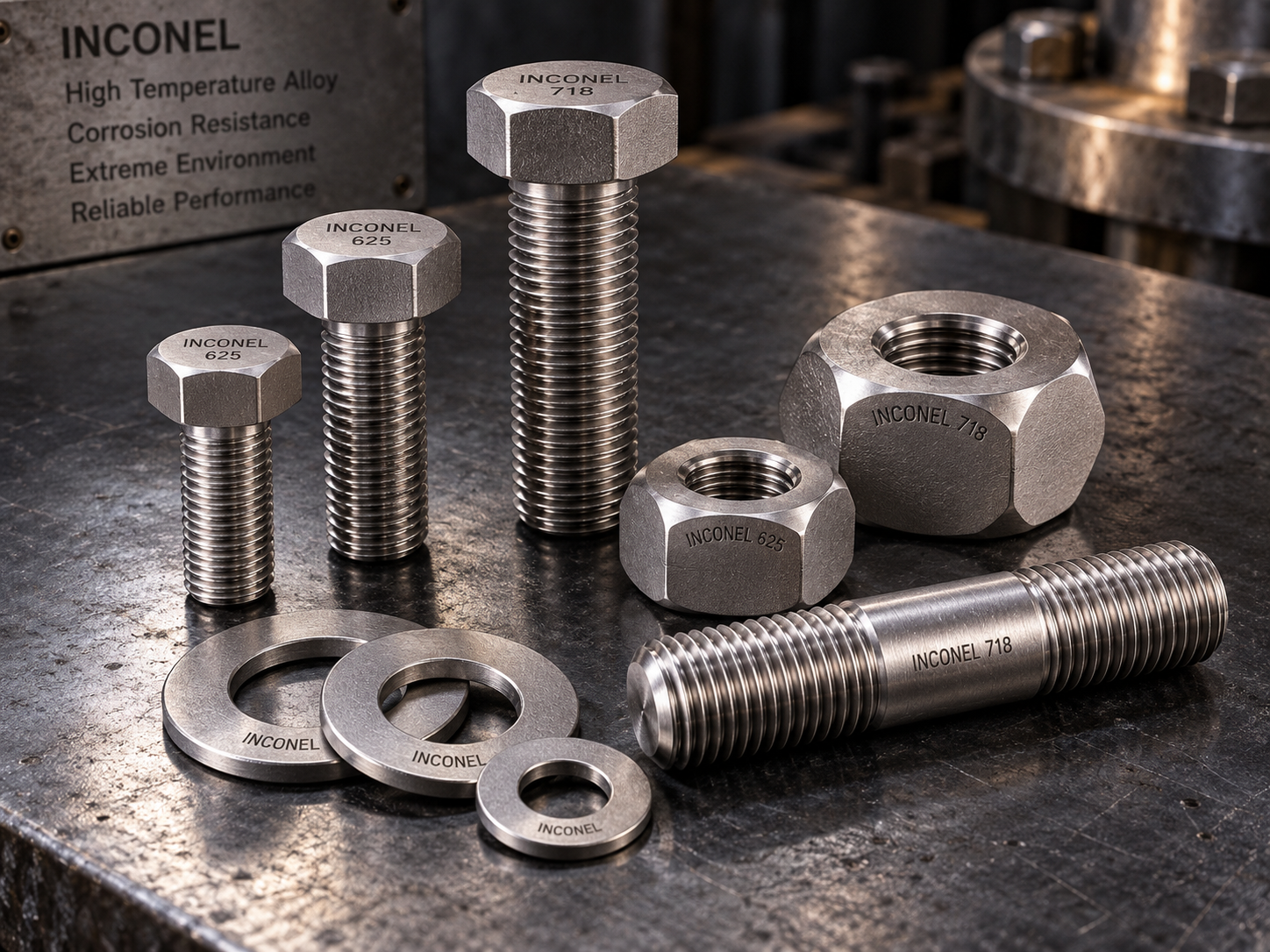
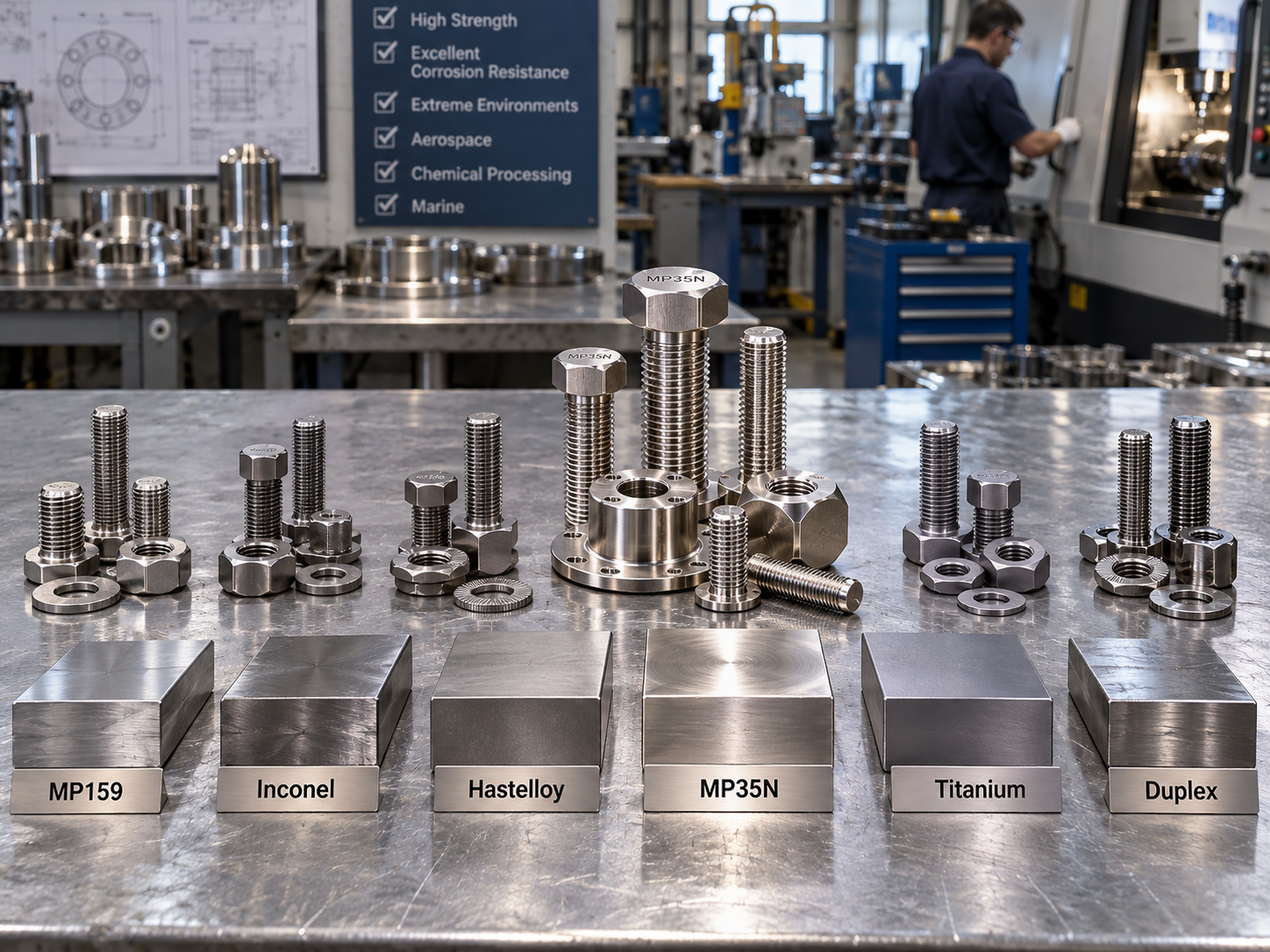
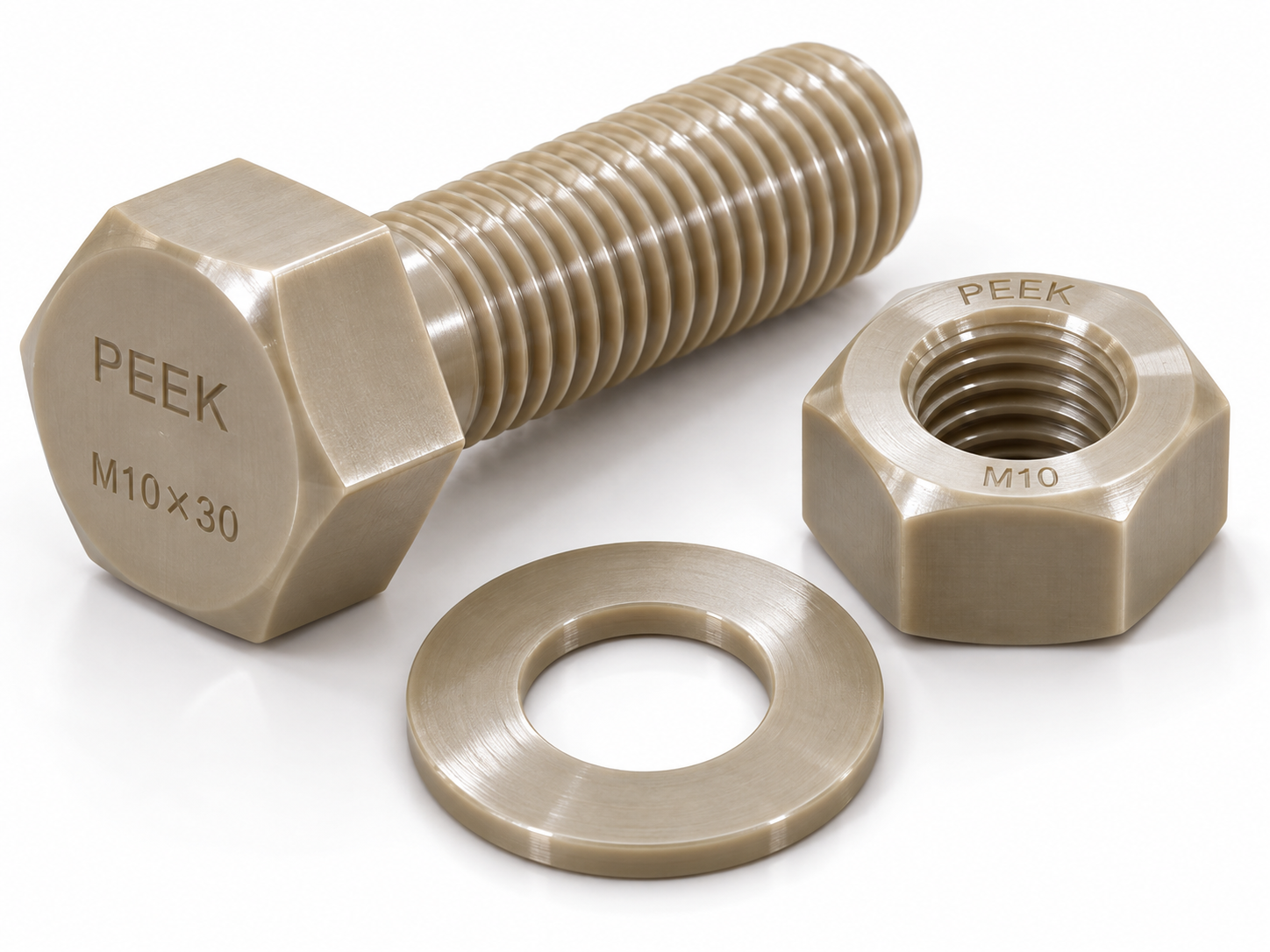
In the world of industrial fastening, the difference between success and catastrophic failure often comes down to material selection. While standard stainless steel fasteners serve admirably in moderate environments, the demand for higher efficiency, greater temperatures, and more aggressive media in modern engineering has pushed components to their limits.
At RAYCHIN, we specialize in the precision manufacturing of high-performance alloy fasteners. As engineers increasingly search for clarity on materials like Inconel, we present this technical guide to address the industry"s most pressing questions regarding Inconel bolts, nuts, washers, studs, and threaded rods.
The Hot Topic: Inconel vs. Stainless Steel
One of the most frequent inquiries we receive involves the direct comparison between Inconel and Stainless Steel. Engineers know stainless steel is "corrosion-resistant," but they need to know why their application might require the premium investment of a superalloy.
The Fundamental Difference
Stainless steel (such as 304 or 316) is an iron-based alloy with chromium. It offers excellent general corrosion resistance and is cost-effective for standard operating conditions .
Inconel, however, is a family of nickel-chromium-based superalloys engineered for extremes. It is not merely a "better stainless steel"; it is a different class of material entirely .
Performance Benchmarks
High-Temperature Strength: At 1200°F (649°C), Inconel 718 retains roughly 85% of its room-temperature tensile strength. In contrast, standard 316 Stainless Steel loses approximately 60% of its strength at the same temperature . For applications like turbochargers and exhaust systems, where temperatures can reach 700°C, Inconel is not an option—it is a necessity .
Corrosion Resistance in Harsh Media: In environments high in chlorides (offshore/platforms) or strong acids (chemical processing), Inconel fasteners—including washers and studs—provide a passivating oxide layer that resists pitting and stress corrosion cracking, areas where stainless steel often fails prematurely .
Addressing Critical Performance Concerns
Beyond material selection, our clients consistently search for solutions to specific mechanical challenges associated with high-performance alloys.
1. How to Prevent Galling in Inconel Threads
A common pain point with Inconel fasteners is galling during installation. Due to its nickel content and work-hardening characteristics, Inconel can bind during tightening.
The RAYCHIN Technical Solution:
Surface Engineering: We recommend and supply fasteners with specialized anti-galling coatings or platings .
Installation Protocols: Proper use of nickel-based anti-seize compounds is essential. Furthermore, controlled torque specifications—slower, steadier installation speeds—prevent localized overheating and seizing.
2. The Challenge of Thermal Cycling and Vibration
Thermal cycling and high vibration can wreak havoc on bolted joints, causing loss of clamp load .
The RAYCHIN Technical Solution:
Material Integrity: Our Inconel 718 fasteners are manufactured to maintain their strength through these cycles, resisting relaxation.
Design Compatibility: We often integrate locking features into our assemblies, ensuring that nuts and bolts maintain prevailing torque even under extreme vibration.
3. Machinability and Manufacturability
Inconel is notorious for being difficult to form. It work-hardens rapidly, requiring specific tooling and deep material knowledge to manufacture reliably .
The RAYCHIN Expertise:
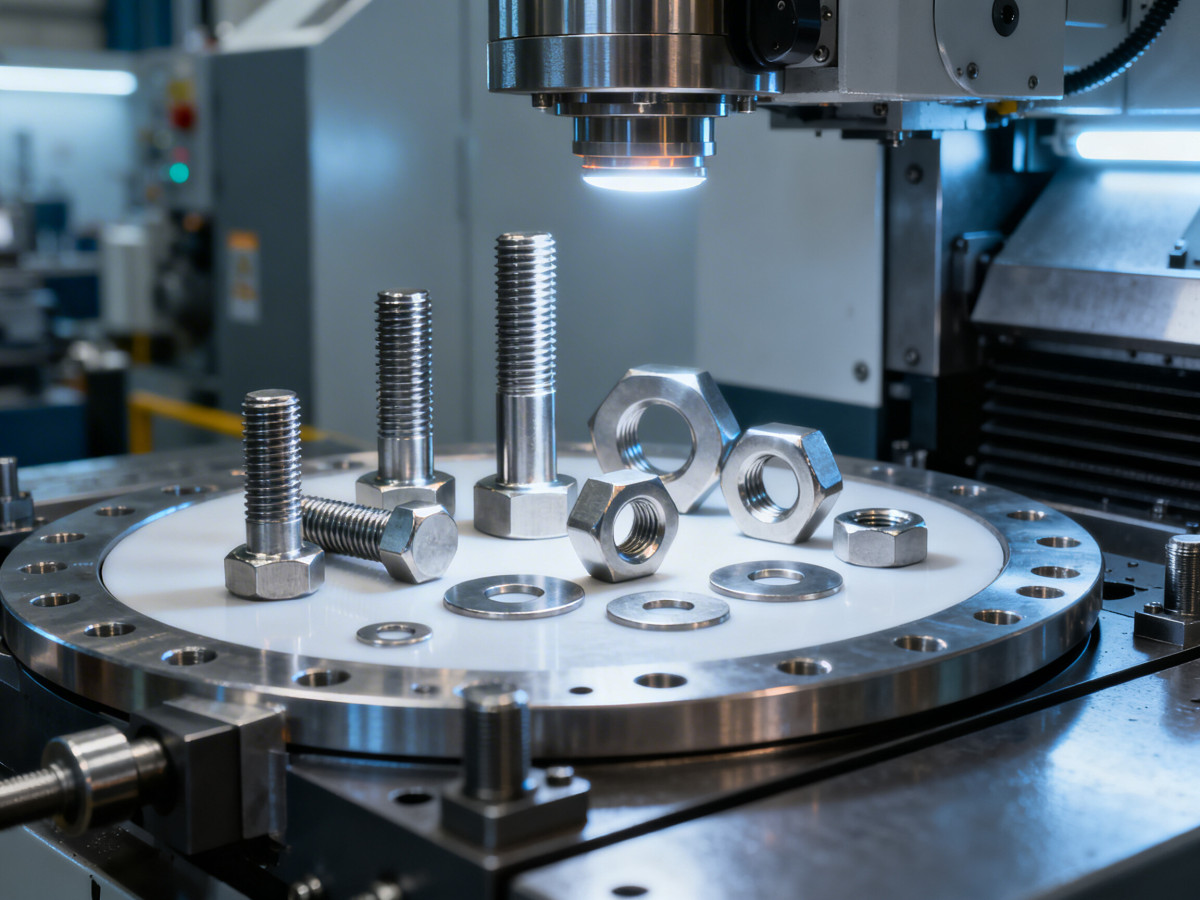
With years of experience forming difficult materials, RAYCHIN utilizes advanced tool design and cold/hot forming techniques to produce fasteners with precise threads and dimensional stability . We ensure that even complex components like threaded rods maintain straightness and consistency.
The RAYCHIN Product Portfolio for Extreme Environments
We offer a complete range of Inconel fasteners, ensuring material compatibility across your entire assembly:
? Inconel Bolts & Studs
Ideal for high-integrity joints in turbines, pressure vessels, and structural supports. We supply ASTM B637 (Inconel 718) and other applicable standards .
Application Highlight: Stud bolts for flanged connections in high-pressure oil and gas equipment.
? Inconel Nuts
Whether hex, jam, or heavy hex, our nuts are manufactured to match the exact strength and temperature class of their mating bolts, preventing thread stripping under thermal stress.
? Inconel Washers
Often overlooked, washers are critical. Our Inconel washers distribute clamp loads evenly and prevent galling between the bolt head/nut and the flange surface, particularly in crevice corrosion-prone areas .
? Inconel Threaded Rods & Studs
Used for suspension, support, and repair work in high-heat zones. Our fully threaded rods offer continuous adjustability and consistent mechanical properties along the entire length .
Total Cost of Ownership: The Economic Argument
We understand that the upfront cost of Inconel fasteners is higher—typically 3 to 5 times that of stainless steel . However, the market is increasingly recognizing the concept of Lifecycle Value.
Reduced Downtime: In industries like power generation or aerospace, unplanned maintenance due to fastener failure is prohibitively expensive.
Extended Longevity: Inconel resists the degradation that leads to replacement. Using an Inconel stud bolt in a furnace application ensures it remains serviceable through multiple maintenance cycles, whereas a steel bolt would become a single-use, "cut-off" item due to rust .
Conclusion: Why Partner with RAYCHIN?
In the complex world of superalloys, generic supply chains often fall short. They can provide the material, but they lack the application knowledge. When you choose RAYCHIN, you gain a partner who understands:
The Nuances of Alloys: From Inconel 625 for seawater resistance to Inconel 718 for high-temperature creep strength .
The Standards: Compliance with ASTM, DIN, and AMS specifications for global projects .
The Application: Technical consultation on torque, thermal expansion, and assembly to ensure your critical connection never fails.
When failure is not an option, RAYCHIN is the answer.
Contact RAYCHIN Today
For technical specifications, custom quotes, or to discuss your specific application challenges with our engineering team, please contact us. Let us engineer the reliability into your next project.
Request A Quote! We'll respond as soon as possible(within 12 hours)
Get a Quote