
Categories List
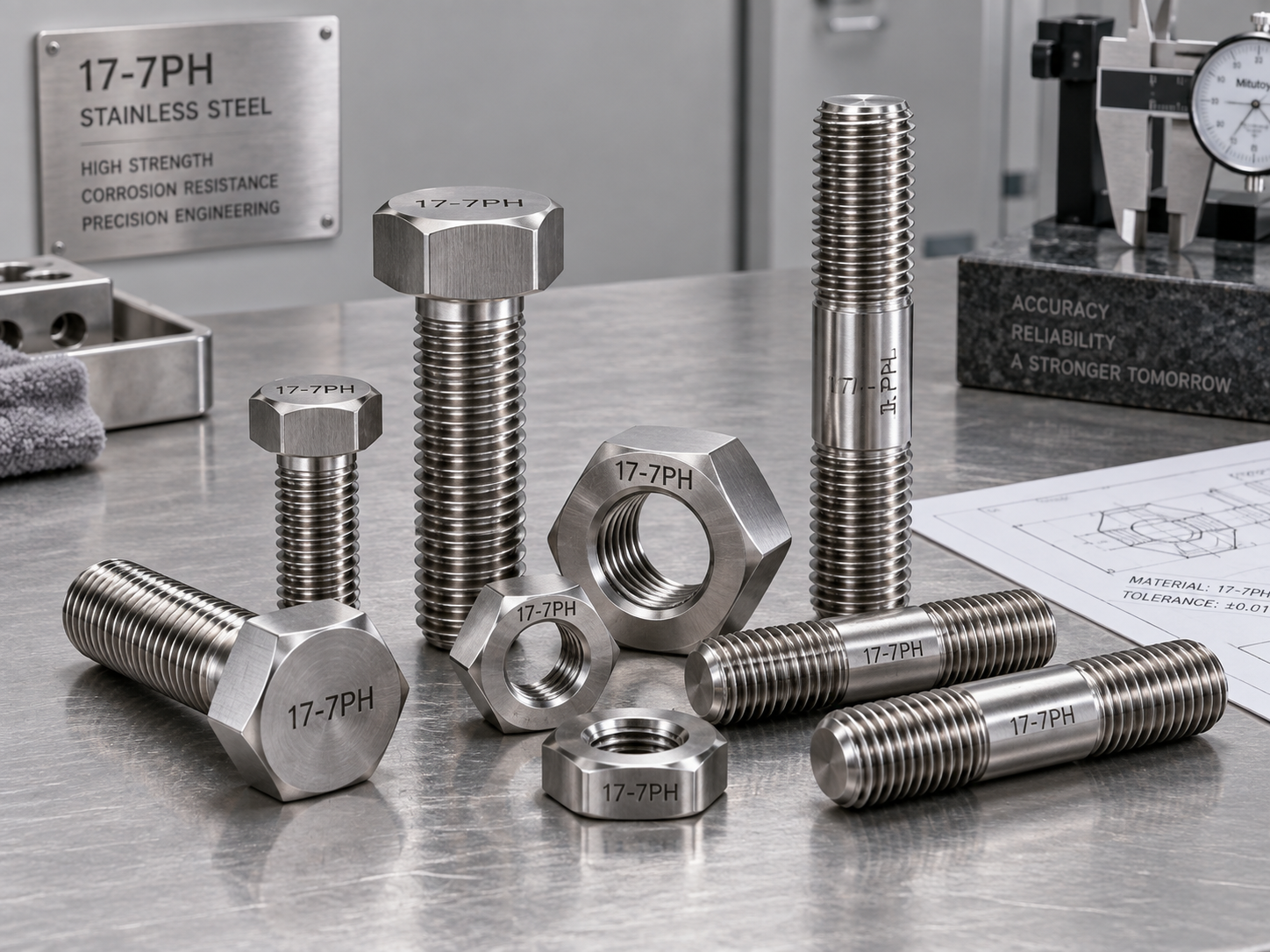
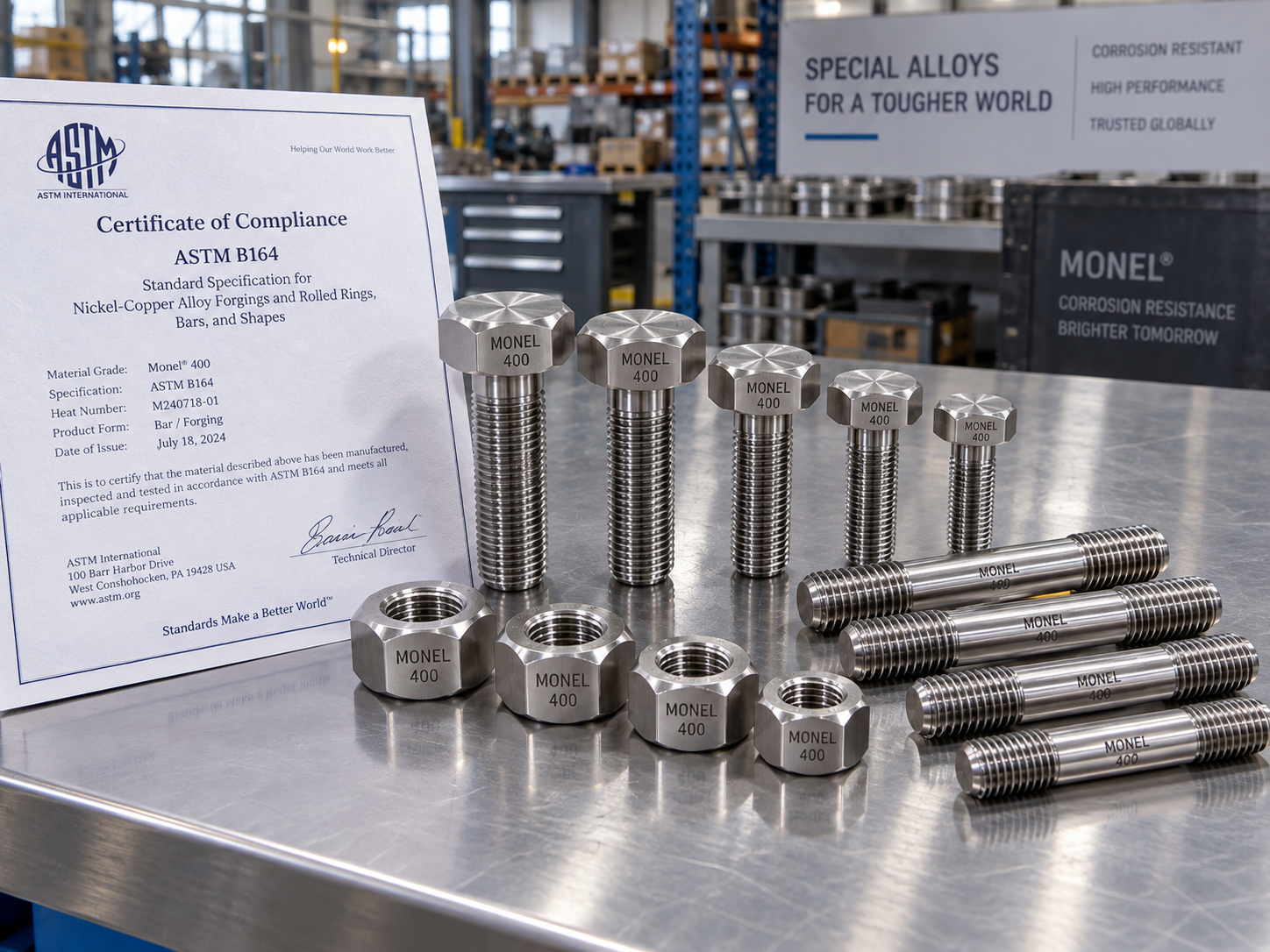
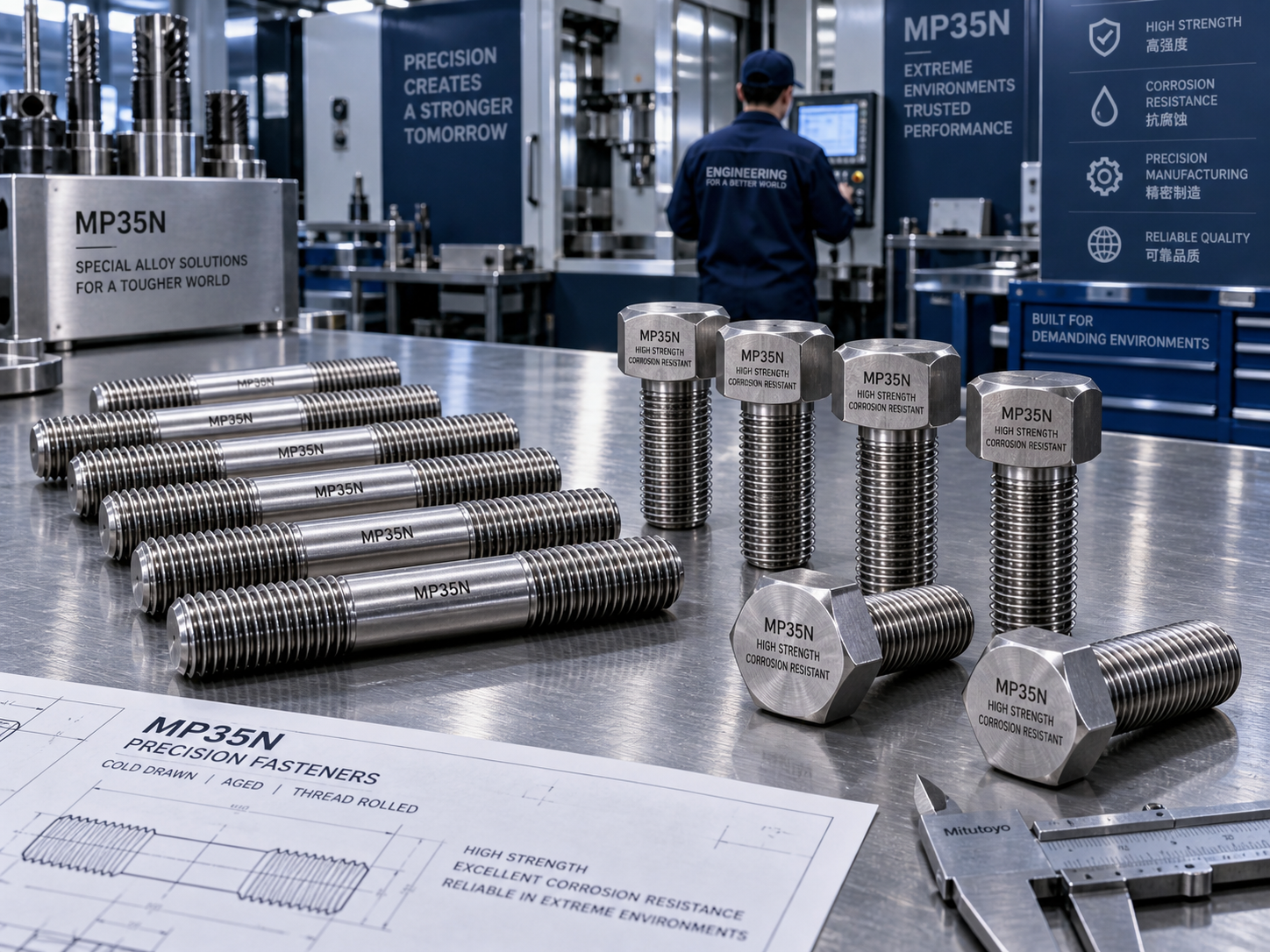
When selecting fasteners for corrosive environments, the debate between molybdenum screws and titanium is critical for engineers and procurement specialists. Molybdenum fasteners offer exceptional corrosion resistance in harsh chemical conditions, while titanium provides strength-to-weight advantages. This technical comparison examines molybdenum bolts, screws, and rivets versus titanium alternatives, helping technical evaluators and decision-makers choose the optimal material for extreme operational demands. Discover which specialty metal delivers superior performance in your specific corrosive application scenarios.
Understanding Corrosion Resistance in Specialty Metal Fasteners
Corrosion resistance remains a paramount consideration when selecting fasteners for aggressive environments such as chemical processing plants, offshore platforms, or aerospace applications. Molybdenum fasteners, including molybdenum screws, bolts, and rivets, exhibit outstanding resistance to acids, alkalis, and molten metals due to their stable oxide layer formation. Titanium fasteners, while lighter in weight, rely on a passive oxide film that may degrade in certain reducing acids or high-temperature chlorides. The crystalline structure of molybdenum maintains integrity even at temperatures exceeding 1000°C, whereas titanium begins losing protective properties above 300°C in many industrial scenarios. Material scientists at RAYCHIN LIMITED have documented how molybdenum's electron configuration enables superior pitting and crevice corrosion resistance compared to titanium alloys in ASTM G48 testing protocols.
Technical Performance Comparison: Molybdenum vs Titanium
A detailed examination of mechanical and chemical properties reveals why molybdenum fasteners often outperform titanium in extreme conditions. Molybdenum maintains a Vickers hardness of 250-300 HV at room temperature, nearly double that of commercial purity titanium, reducing galling risks in threaded applications. The thermal conductivity of molybdenum (138 W/m·K) surpasses titanium (21.9 W/m·K) by sixfold, making molybdenum screws ideal for heat-exchanger applications. Our laboratory tests demonstrate that molybdenum bolts retain 90% of tensile strength after 5000 hours in 10% sulfuric acid at 80°C, while titanium fasteners show significant embrittlement under identical conditions. For industries requiring non-magnetic properties, both materials perform well, though molybdenum offers better radiation shielding capabilities for nuclear applications.
Application-Specific Selection Guidelines
Selecting between molybdenum and titanium fasteners requires careful analysis of operational parameters. In hydrochloric acid environments below 10% concentration at ambient temperatures, titanium demonstrates adequate performance, but molybdenum rivets become mandatory when temperature exceeds 50°C or concentration rises above 20%. For seawater applications, titanium generally resists pitting corrosion better unless sulfide contamination exists, where molybdenum's immunity to sulfur attack proves decisive. The petroleum industry frequently specifies molybdenum screws for sour gas service (H2S environments) due to their resistance to hydrogen embrittlement. RAYCHIN LIMITED's application engineers developed a proprietary decision matrix incorporating 14 environmental factors to guide material selection, available upon request for qualified technical evaluators.
Cost-Benefit Analysis and Lifecycle Considerations
While titanium fasteners typically carry lower initial costs, molybdenum fasteners often deliver superior total cost of ownership in corrosive service. Our case study with a European chemical processor revealed that molybdenum bolts lasted 7-8 years in continuous hydrochloric acid exposure versus titanium's 2-3 year replacement cycle. When factoring in downtime costs and maintenance labor, the molybdenum solution proved 40% more economical over a decade. For weight-sensitive aerospace applications, titanium's density advantage (4.5 g/cm³ vs 10.2 g/cm³) may justify its use despite shorter service life. RAYCHIN LIMITED offers value engineering services to help procurement teams analyze break-even points based on specific corrosion rates, maintenance schedules, and failure cost projections.
Industry Standards and Certification Compliance
Both molybdenum and titanium fasteners must meet stringent international standards for critical applications. Molybdenum fasteners from RAYCHIN LIMITED comply with ASTM B387 for molybdenum and molybdenum alloy shapes, while our titanium products adhere to ASTM B348 for titanium alloys. NACE MR0175/ISO 15156 certification is available for both material types in sour service applications. Our manufacturing facilities maintain ISO 9001:2015 and AS9100D certifications, with additional NADCAP accreditation for aerospace fasteners. Technical documentation packages include full material traceability, heat treatment records, and independent laboratory test reports to satisfy even the most rigorous quality assurance requirements in defense and nuclear sectors.
Why Choose RAYCHIN LIMITED for Your Specialty Fastener Needs
With over two decades of specialization in high-performance metal fasteners, RAYCHIN LIMITED brings unparalleled expertise to corrosive environment applications. Our metallurgists have developed proprietary molybdenum alloy formulations that enhance ductility without compromising corrosion resistance, solving traditional brittleness concerns. The technical support team includes former plant engineers who understand real-world failure modes and can recommend optimal fastener solutions. We maintain one of the industry's most comprehensive inventories of molybdenum screws, bolts, and rivets with quick-turn customization services for non-standard dimensions. Contact our application engineers today for a complimentary material selection consultation and access to our corrosion resistance database containing 15,000+ test data points across 200+ chemical environments.
Request A Quote! We'll respond as soon as possible(within 12 hours)
Get a Quote