
Categories List
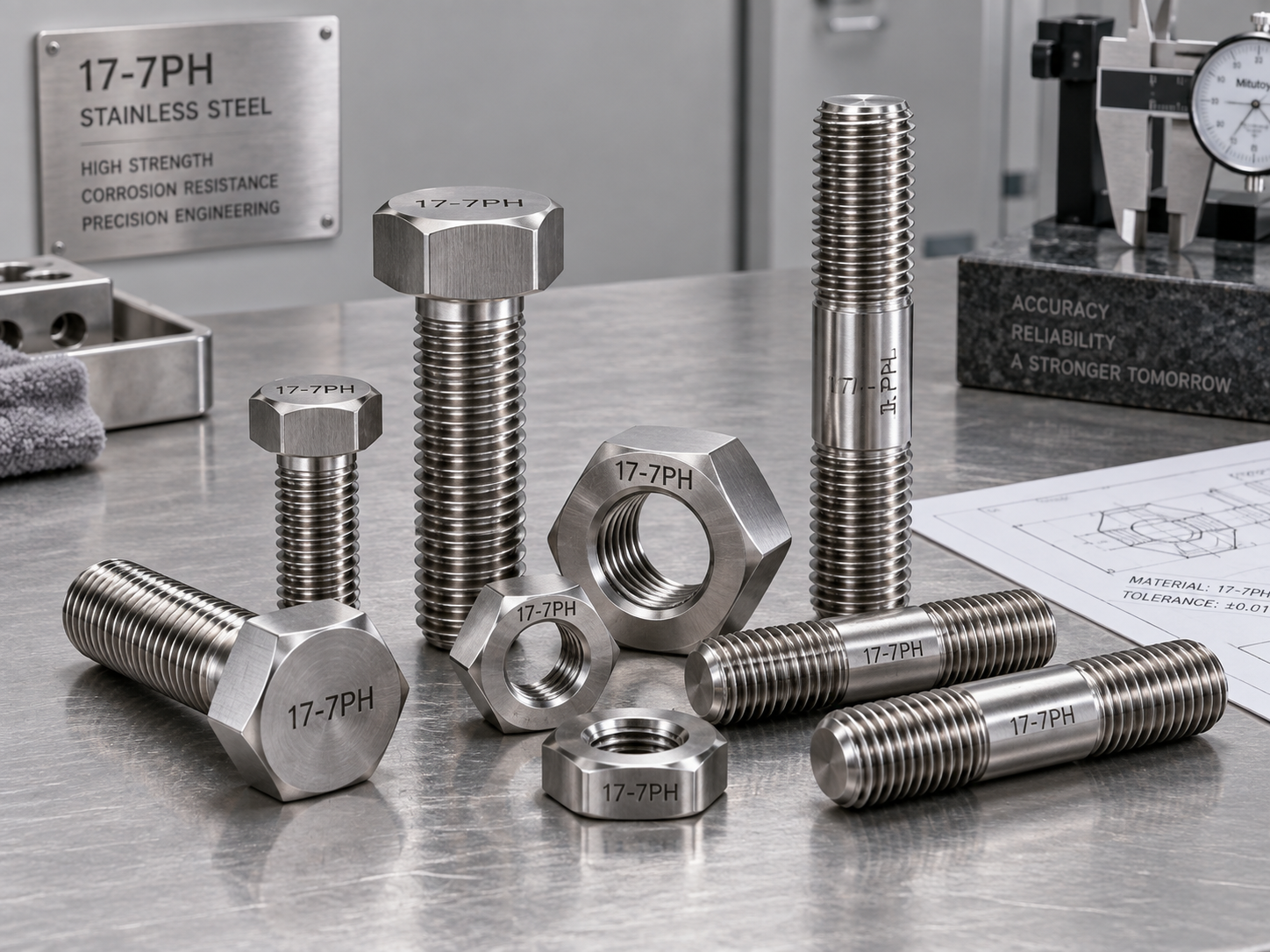
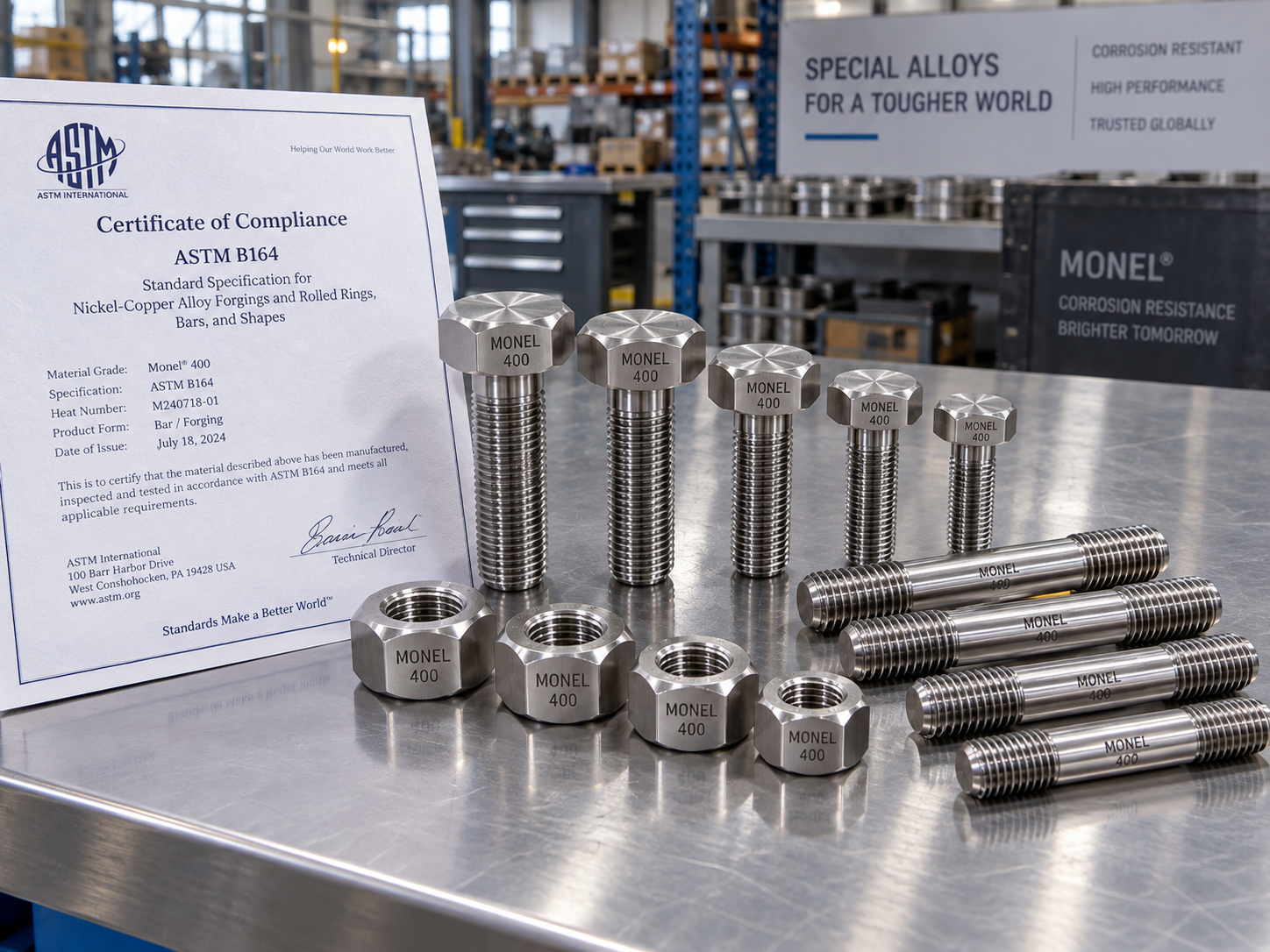
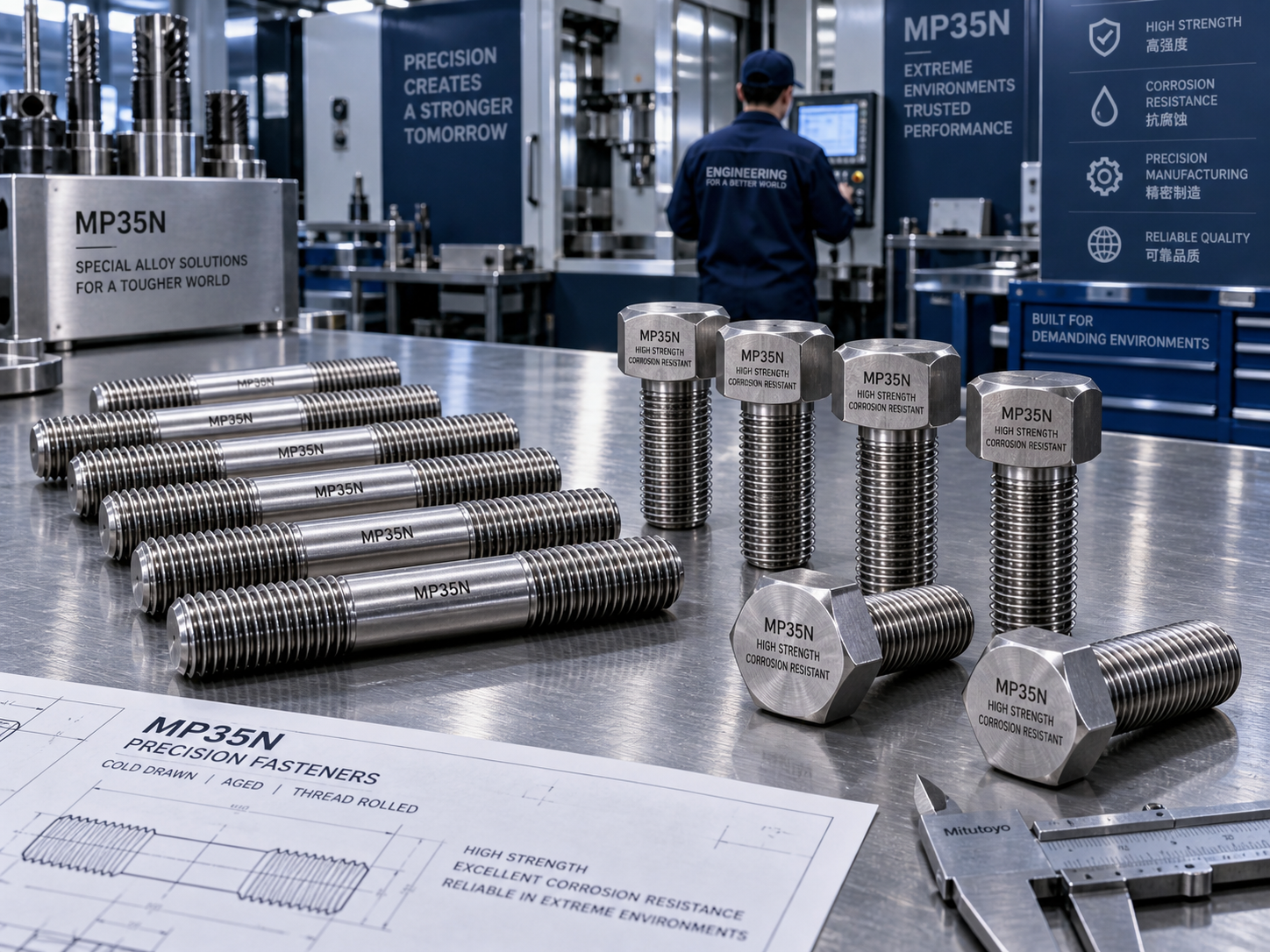
In the demanding world of industrial fastening, where strength, corrosion resistance, and reliability are non-negotiable, UNS S32750 fasteners stand out as a premier solution. These super duplex stainless steel bolts, nuts, screws, and studs are engineered for the most severe environments, offering an exceptional balance of properties that standard austenitic or duplex grades cannot match. This article delves into the specifics of S32750 fastener material, its outstanding mechanical performance, and the critical testing and inspection protocols that ensure their reliability.
1. Chemical Composition: The Foundation of Excellence
The superior performance of UNS S32750 hex bolts, socket head caps, and threaded rods originates in its precisely balanced chemical composition. As a super duplex stainless steel, it features a microstructure of roughly 50% austenite and 50% ferrite, providing the "best of both worlds." The key alloying elements in S32750 fastener stock include:
Chromium (Cr): 24-26% - Provides exceptional resistance to oxidizing acids and pitting/crevice corrosion.
Nickel (Ni): 6-8% - Stabilizes the austenitic phase and enhances toughness.
Molybdenum (Mo): 3-4% - Significantly boosts resistance to chloride-induced pitting and crevice corrosion.
Nitrogen (N): 0.24-0.32% - A crucial addition that markedly increases strength and pitting resistance, a hallmark of super duplex grades like S32750.
Manganese (Mn), Copper (Cu), Tungsten (W): Present in controlled amounts to further optimize microstructure and corrosion resistance.
Carbon (C): Kept very low (<0.03%) to prevent sensitization and intergranular corrosion during welding or heating.
This composition results in a very high Pitting Resistance Equivalent Number (PREN > 40), making S32750 heavy hex nuts, washers, and anchor bolts ideal for offshore, marine, chemical processing, and oil & gas applications.
2. Mechanical Properties: Unmatched Strength and Durability
UNS S32750 fasteners deliver mechanical properties that far exceed those of standard 316 or even standard duplex 2205 fasteners. This makes them suitable for high-stress, high-pressure applications.
High Tensile and Yield Strength: S32750 bolts and studs typically exhibit a minimum tensile strength of 800 MPa (116 ksi) and a yield strength of 550 MPa (80 ksi). This allows for the use of smaller diameter fasteners or higher clamping loads without failure.
Excellent Fatigue Resistance: The duplex microstructure provides excellent resistance to cyclic loading, which is vital for vibration-resistant S32750 fasteners in dynamic equipment.
Good Toughness and Ductility: Despite their high strength, these super duplex screws and threaded bars maintain good impact toughness, even at sub-zero temperatures.
Stress Corrosion Cracking (SCC) Resistance: S32750 fasteners offer outstanding resistance to chloride stress corrosion cracking, a common failure mode for standard austenitic grades in warm chloride environments.
These properties ensure that ASME/ANSI S32750 fasteners, DIN S32750 fasteners, and other metric S32750 fasteners provide long-term, maintenance-free service in critical connections.
3. Essential Testing and Inspection for Quality Assurance
To guarantee the integrity and performance of UNS S32750 fasteners, a rigorous regime of testing and inspection is mandatory. Reputable manufacturers and suppliers of high-performance S32750 fasteners adhere to stringent quality control standards.
Chemical Analysis Verification:
Spectroscopic Analysis: Verifies the exact chemical composition of the fastener material to ensure it meets the UNS S32750 specification, confirming the correct PREN value.
Mechanical Testing:
Tensile Testing: Determines the actual tensile strength, yield strength, and elongation of sample bolts or studs.
Hardness Testing (Rockwell/Brinell): Ensures the material hardness is within the specified range, indicating proper heat treatment (solution annealing).
Corrosion Performance Testing:
Pitting and Crevice Corrosion Tests: ASTM G48 Methods A & B are commonly used to confirm the critical pitting temperature (CPT) and critical crevice temperature (CCT).
Intergranular Corrosion Testing (IGC): ASTM A262 or similar tests to ensure the fasteners are not susceptible to sensitization.
Metallurgical and Quality Inspection:
Microstructure Examination: Metallographic analysis is crucial to verify the balanced 50/50 austenite-ferrite phase ratio and the absence of harmful intermetallic phases (like sigma phase) that can form during improper processing.
Dimensional Inspection: Ensures all S32750 nuts, bolts, washers, and screws conform to specified standards (ASME, DIN, ISO, etc.) for thread pitch, head size, and overall dimensions.
Positive Material Identification (PMI): A portable XRF analyzer is often used for final verification of alloy grade.
Non-Destructive Testing (NDT): Methods like dye penetrant testing (PT) or magnetic particle testing (MT for ferritic phase) can detect surface defects on critical fasteners.
Certification: All UNS S32750 fasteners should be supplied with a Mill Test Certificate (MTC) or Certificate of Conformance that documents the results of these tests, traceable to the heat number of the raw material.
Conclusion
UNS S32750 super duplex stainless steel fasteners represent the pinnacle of fastener technology for corrosive and high-strength applications. From S32750 stud bolts in flange connections to S32750 socket screws in subsea equipment, their optimized chemical composition delivers unparalleled mechanical properties and corrosion resistance. Investing in properly manufactured and comprehensively tested S32750 fasteners—including bolts, nuts, washers, screws, studs, threaded rods, and anchor bolts—is an investment in safety, reliability, and total cost of ownership. When sourcing corrosion-resistant S32750 fasteners, always partner with suppliers who provide full traceability and rigorous quality inspection reports to ensure optimal performance in your most challenging applications.
Request A Quote! We'll respond as soon as possible(within 12 hours)
Get a Quote