
Categories List
Recent Posts
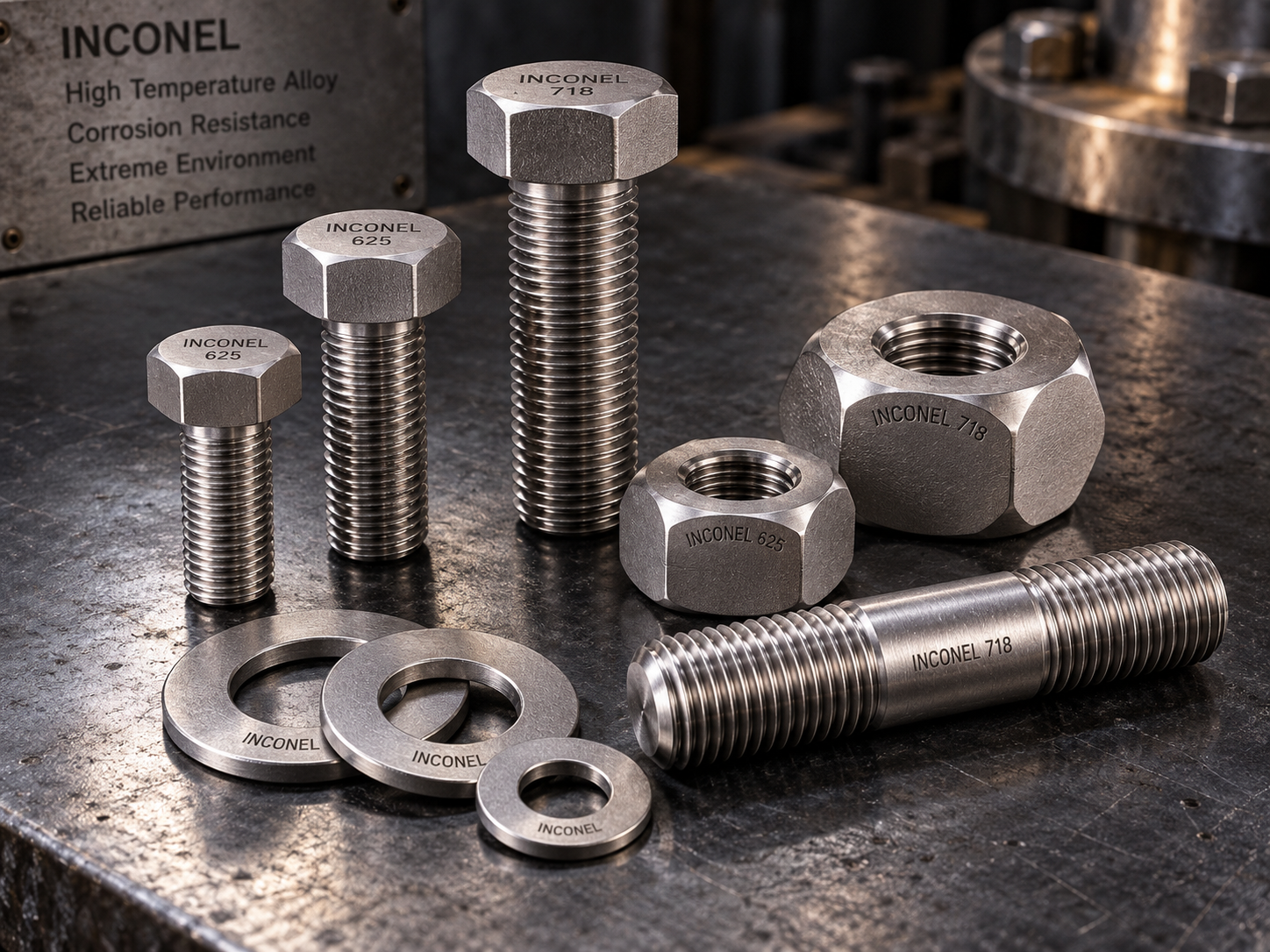
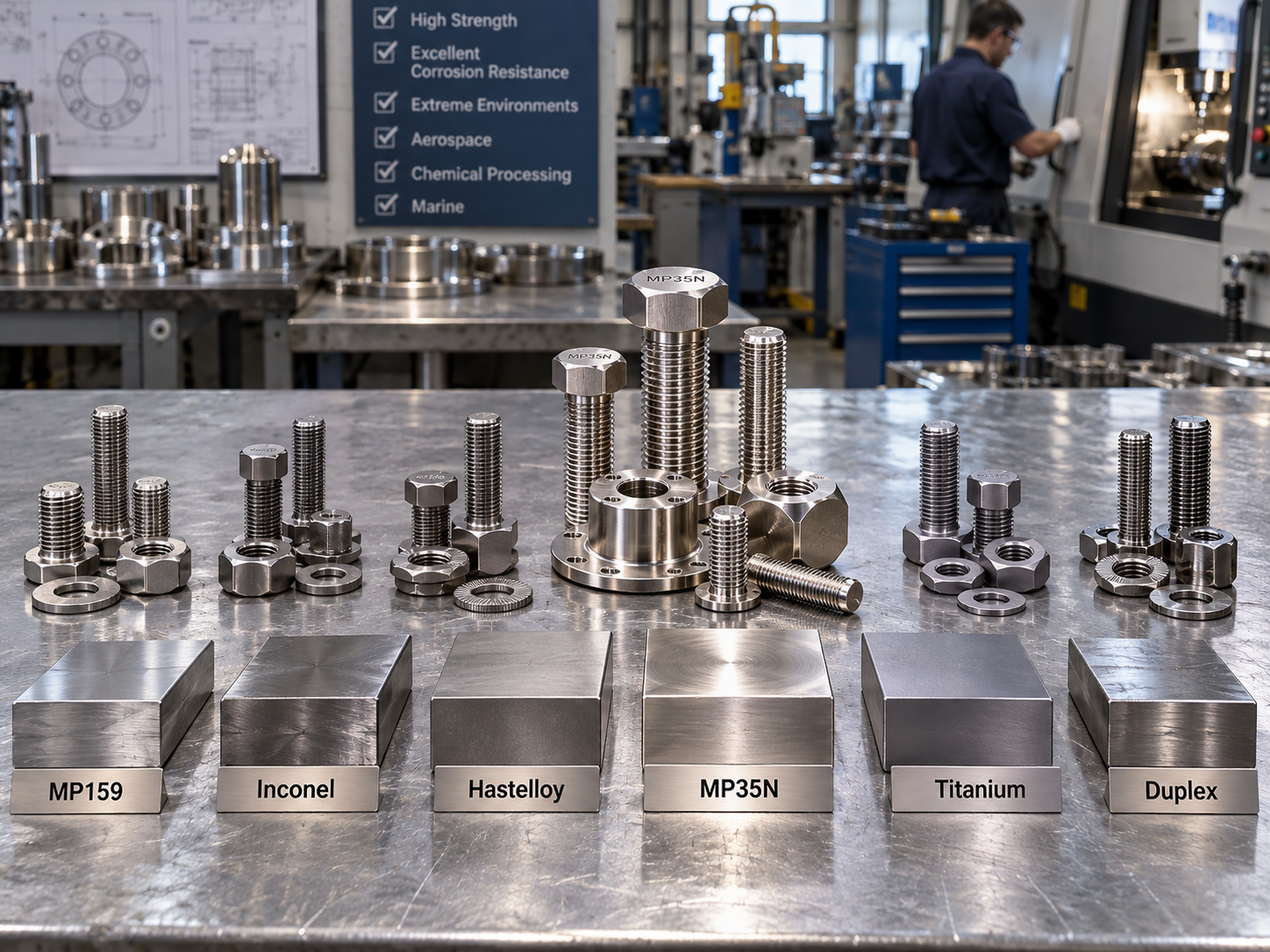
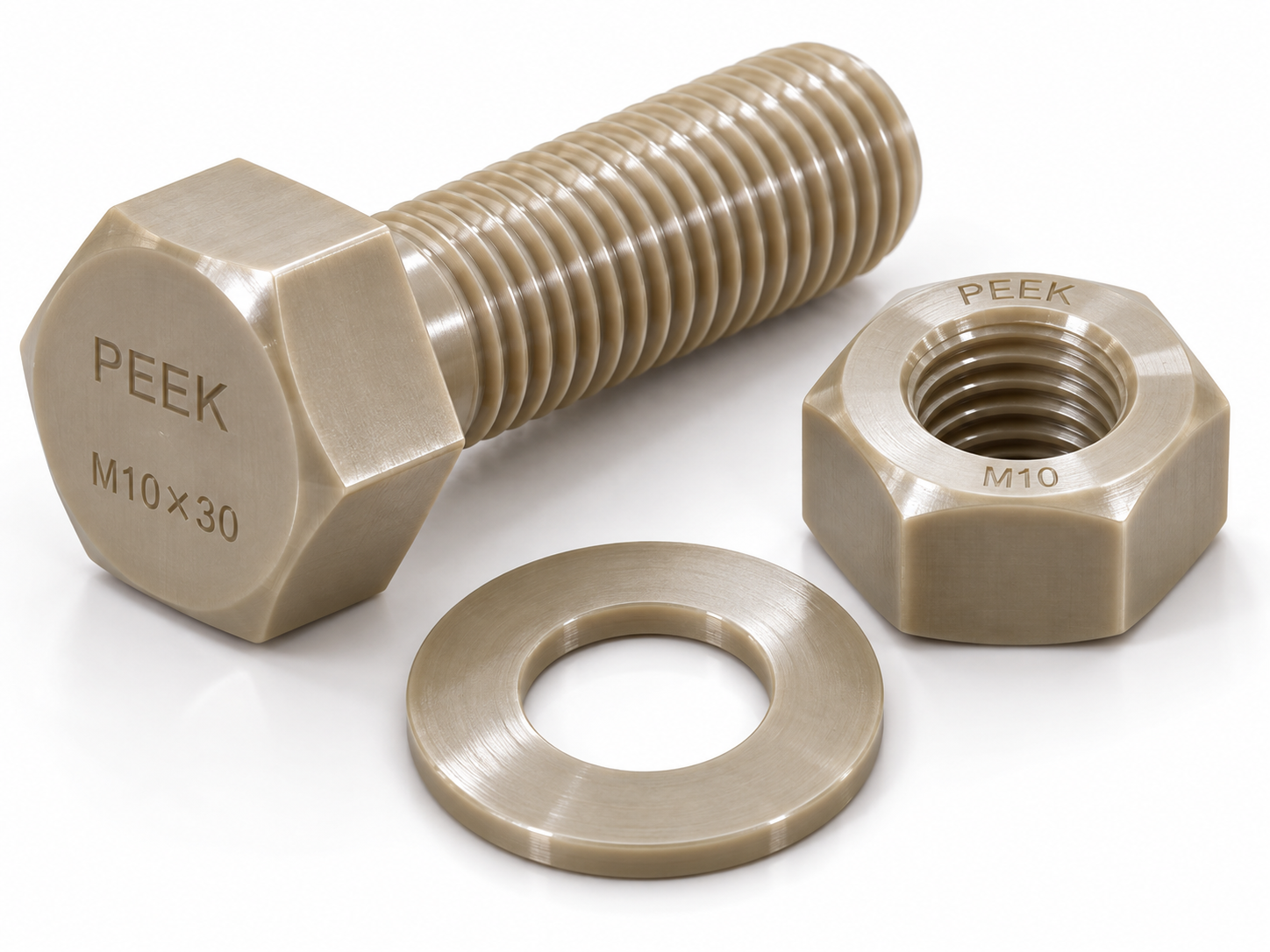
Introduction: Mastering the Triple Threat of Heat, Pressure, and Corrosion
In the critical environments of chemical processing, power generation, and oil & gas exploration, conventional materials often fail when faced with the combined assault of high temperature, extreme pressure, and aggressive corrosion. This is where Incoloy alloy fasteners (bolts, nuts, screws, washers) demonstrate their exceptional engineering value. As a premier manufacturer of specialty high-performance fasteners, RAYCHIN delivers precision-engineered Incoloy solutions that provide unmatched reliability where failure carries catastrophic consequences. This comprehensive guide answers the most pressing questions about Incoloy fasteners and positions them as the optimal solution for the most challenging industrial applications.
Part 1: Top 5 Technical Questions About Incoloy Fasteners
1. What Exactly are Incoloy Alloys, and How Do They Differ from Inconel?
This is the most fundamental and searched distinction in high-performance alloys. Both are nickel-based superalloys, but their core composition and application focus differ critically.
Incoloy alloys are iron-nickel-chromium systems where iron is the predominant element (typically >30%). This composition is engineered to withstand aggressive corrosive environments, especially at high temperatures, while offering better thermal expansion characteristics and cost-effectiveness than higher-nickel alloys.
Inconel alloys are nickel-chromium systems where nickel is the predominant element (>50%), optimized for extreme high-temperature strength and oxidation resistance.
RAYCHIN Insight: "Think of Incoloy as the corrosion champion that handles serious heat, and Inconel as the heat champion that handles serious corrosion. For applications involving flue gases, sulfuric acid, or chloride salts at elevated temperatures, Incoloy is often the more targeted and cost-effective choice."
2. What are the Key Incoloy Grades for Fasteners, and When Do I Specify Each?
Selecting the correct grade is paramount. Here are the primary workhorses for fastener applications:
3. In Which Critical Applications are Incoloy Fasteners Essential?
Incoloy fasteners are specified in industries where environmental severity precludes the use of stainless steels or lower-grade alloys:
Chemical & Petrochemical Processing: Fasteners for reactors, heat exchangers, distillation columns, and piping handling sulfuric acid, phosphoric acid, and complex chemical streams at elevated temperatures.
Pollution Control & Flue Gas Desulfurization (FGD): Scrubber bolts, damper screws, ducting hardware exposed to wet sulfuric acid condensates and chloride-containing gases.
Oil & Gas (Sour & Acidic Service): Downhole tool fasteners, Christmas tree bolts, wellhead components in fields containing H₂S, CO₂, and chlorides (per NACE MR0175).
Power Generation: Fasteners in heat recovery steam generators (HRSG), boiler casings, and turbine exhaust systems.
Industrial Furnaces & Heat Treatment: Radiant tube hangers, retort bolts, fixture screws in carburizing and nitriding atmospheres.
4. What are the Machining and Installation Challenges Specific to Incoloy Fasteners?
The properties that make Incoloy exceptional also present manufacturing challenges:
Machining & Thread Rolling: Incoloy alloys are tough, strong, and work-harden rapidly. They require:
Rigid machine setups and sharp, positive-rake carbide tooling.
Conservative speeds with consistent, moderate-to-high feed rates to work under the work-hardened layer.
Copious, high-pressure coolant to manage heat.
Thread rolling is preferred over cutting for superior fatigue strength in the final fastener.
Installation & Galling Prevention: Like many nickel alloys, Incoloy can be prone to galling (cold welding).
Mandatory use of high-quality anti-seize lubricant (e.g., nickel-based or molybdenum disulfide).
Slow, controlled installation speed.
Consider RAYCHIN's proprietary Low-Friction Coating (LFC) on threads, which is specifically formulated for high-temperature nickel alloys and eliminates the need for external paste.
5. What Certifications and Quality Documentation are Required for Critical Service?
For applications in regulated industries, documentation is as important as the fastener itself.
Material Standards: ASTM B423 (Incoloy 825), ASTM B408 (Incoloy 800/800H), ASTM B805 (Incoloy 925), AMS 5666 (Incoloy 800).
Industry-Specific Compliance: NACE MR0175/ISO 15156 for sour service in oil & gas is a common requirement.
Heat Treatment Certifications: For age-hardenable grades like 925, documentation of time-temperature parameters is critical.
Traceability: Full Material Test Reports (MTRs/CofC) traceable to the original melt lot are non-negotiable for quality assurance and safety audits.
Additional Testing: Positive Material Identification (PMI), intergranular corrosion testing (per ASTM G28 Method A for Incoloy 825), or stress rupture testing may be specified.
RAYCHIN's Commitment: We provide a complete certification package with every order, including MTRs, heat treatment records, and final inspection reports, ensuring full compliance for your project.
Part 2: The Definitive Comparison: Incoloy vs. Competing Materials
When should you invest in Incoloy over a stainless steel, or choose it instead of a more expensive superalloy? This analysis provides clear guidance.
Performance Matrix: Incoloy vs. Common Alternatives
Strategic Selection Guidelines:
Choose Incoloy 825 over 316 Stainless: When your process involves chlorides above ~140°F (60°C) (where 316 is prone to SCC), hot sulfuric or phosphoric acid, or complex chemical streams at elevated temperatures.
Choose Alloy 20 over Incoloy 825: For concentrated sulfuric acid service at moderate temperatures, where Alloy 20's copper content provides a distinct advantage. Incoloy 825 offers broader overall resistance.
Choose Inconel 625 over Incoloy 825: When operating temperatures consistently exceed 1000°F (538°C) and you require higher strength and better oxidation resistance, or for the most severe chloride pitting environments.
Choose Incoloy 800H over standard heat-resistant steels: For furnace components and pyrolysis tubing where resistance to carburization and oxidation is required at temperatures up to 1500°F (816°C), with better thermal stability.
The RAYCHIN Verdict: Incoloy alloys fill the critical performance gap between stainless steels and high-nickel alloys. They provide a robust, cost-effective solution for the majority of severe high-temperature corrosion problems in the process industries, particularly where chlorides and sulfuric acid are present.
Part 3: The RAYCHIN Engineering Advantage
Selecting RAYCHIN as your Incoloy fastener partner provides significant technical and supply chain benefits:
Grade-Specific Manufacturing Protocols: We have developed optimized machining, forging, and heat treatment parameters for each Incoloy grade (800H, 825, 925) to ensure consistent metallurgical properties and dimensional precision.
Application-Focused Engineering Support: Our team doesn't just take orders; we consult. We help analyze your service environment (temperature, media, pressure, cycling) to recommend the most cost-effective and reliable grade.
Integrated Quality & Traceability: Our vertically controlled process—from certified raw material procurement to final packaging—ensures every fastener is fully documented and traceable, a necessity for ASME, API, and ISO-regulated projects.
Value-Added Services: We offer electropolishing for improved corrosion resistance, specialized anti-galling coatings, and the ability to supply complete matched fastener kits (bolt/nut/washer sets) from the same alloy heat lot for optimal performance.
Your Next Step with the High-Temperature Corrosion Specialists
Specifying the wrong fastener in a severe service application is a risk no responsible engineer can afford. Let RAYCHIN provide the material certainty and manufacturing quality your project demands.
Contact RAYCHIN today to:
Schedule a technical consultation to review your application specifics.
Request a competitive quote for certified Incoloy 825, 800H, or 925 fasteners.
Download our Engineering White Paper: "Selecting Fasteners for High-Temperature Chloride and Acid Service."
Inquire about our sample program for testing and qualification.
For environments where heat and corrosion conspire to cause failure, specify the engineered solution: RAYCHIN Incoloy Fasteners.
Incoloy fasteners, Incoloy 825 bolts, Incoloy 800H nuts and washers, nickel-iron-chromium alloy fasteners, high-temperature corrosion resistant bolts, sulfuric acid resistant fasteners, chloride stress cracking resistant screws, NACE MR0175 Incoloy, Flue Gas Desulfurization (FGD) bolts, downhole tool fasteners, Incoloy vs Inconel, RAYCHIN Incoloy supplier, heat exchanger bolts.
Request A Quote! We'll respond as soon as possible(within 12 hours)
Get a Quote