
Categories List
Recent Posts
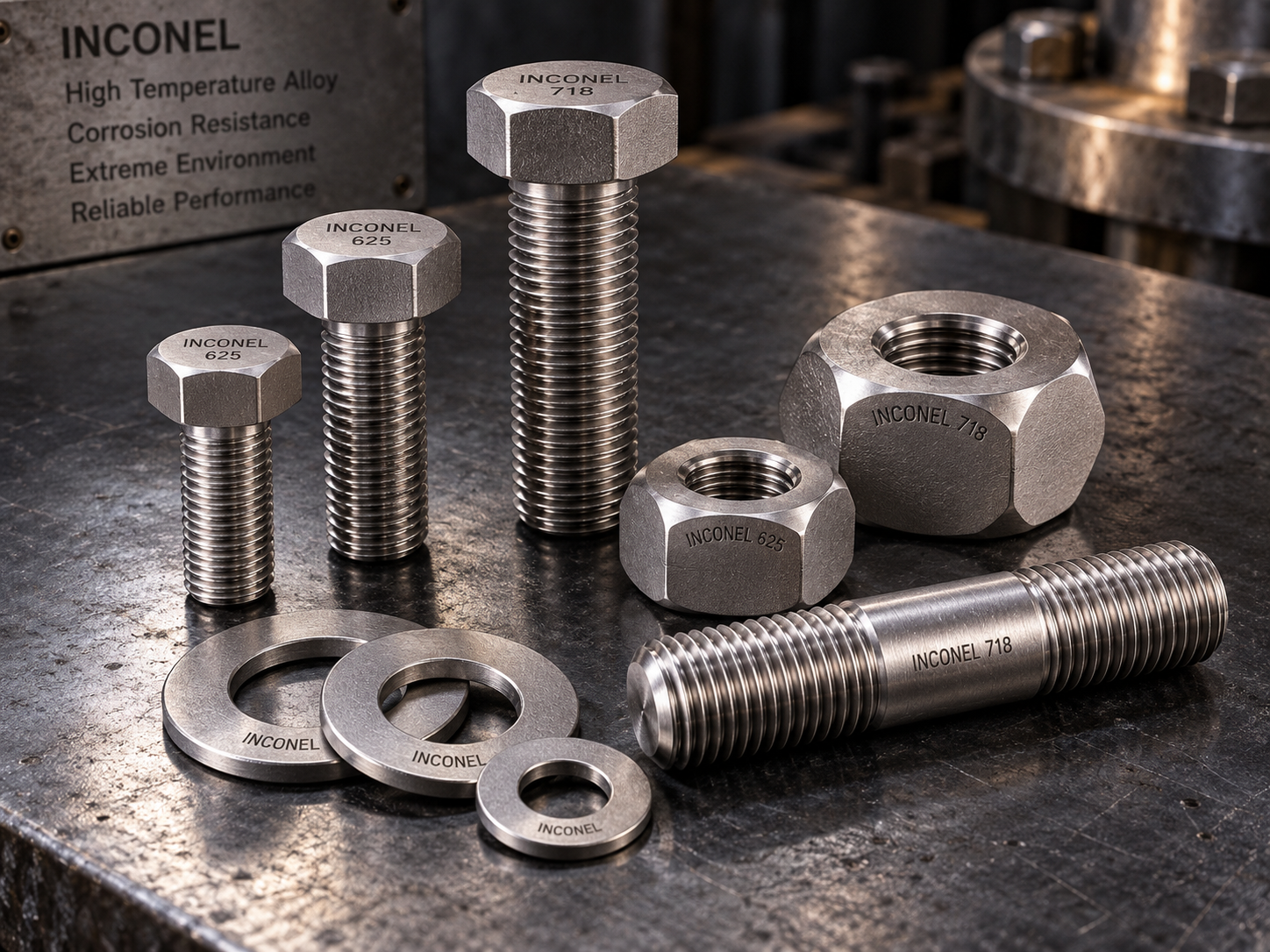
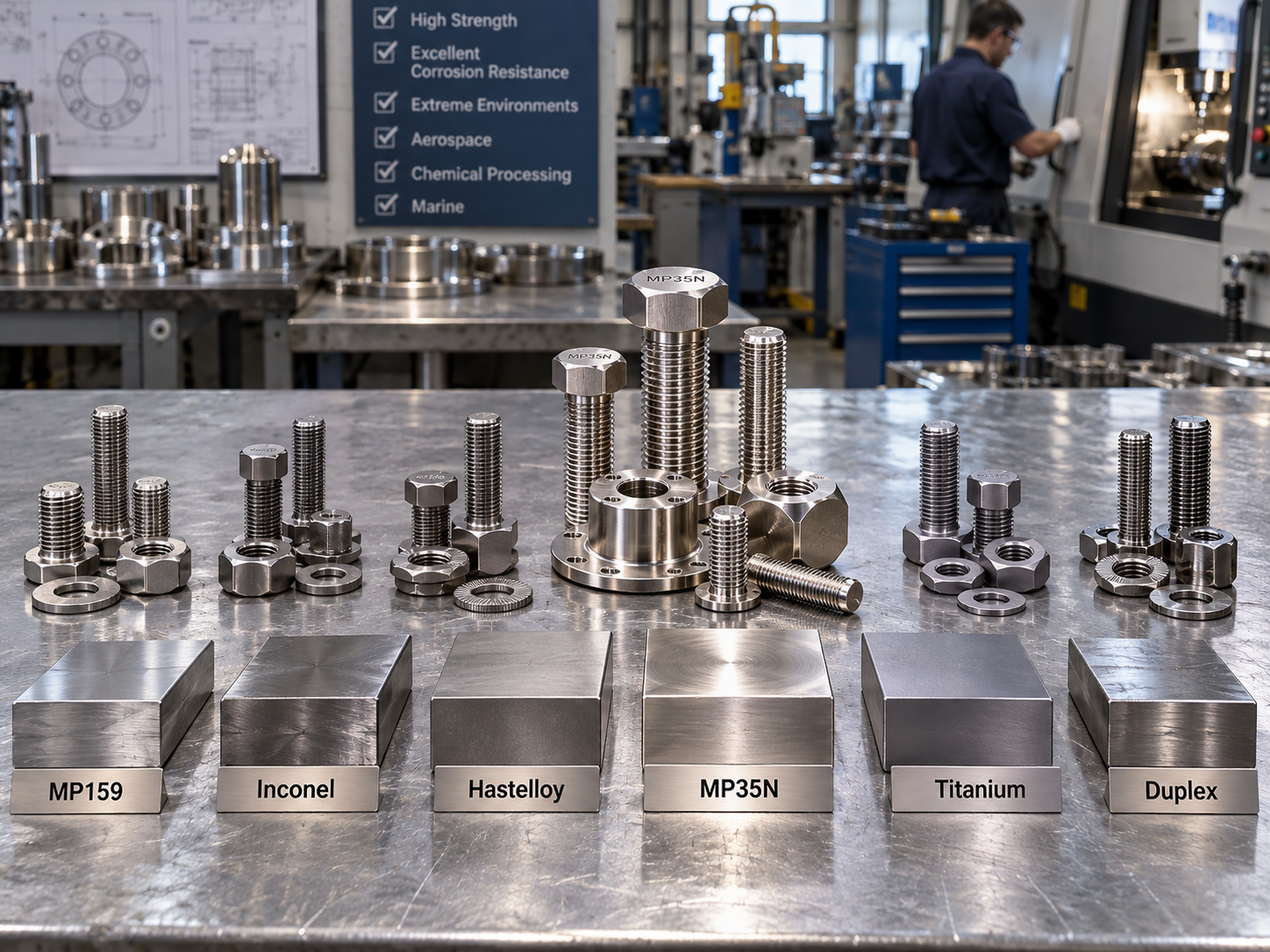
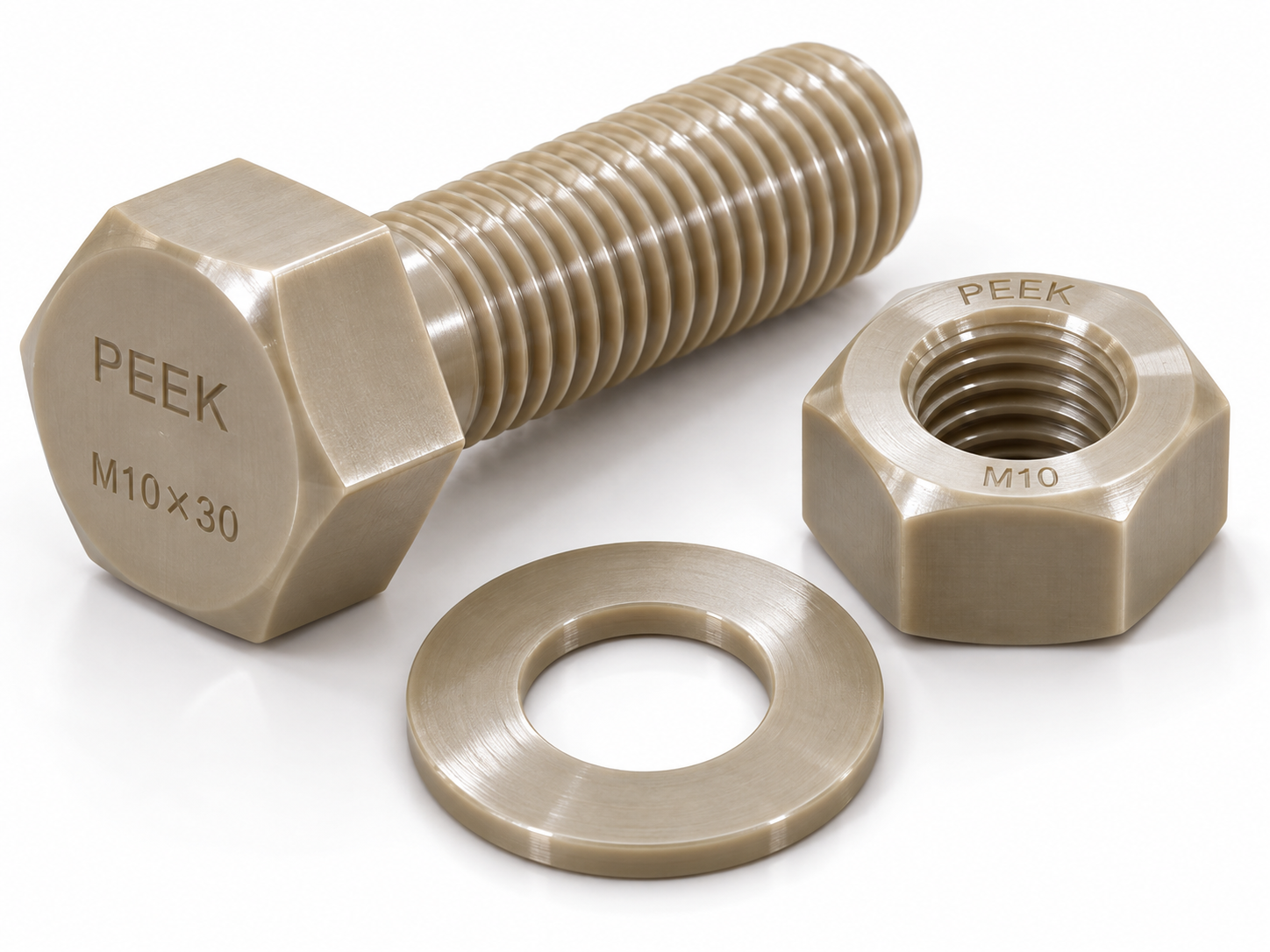
The selection of fastener materials in aerospace engineering represents a critical intersection of materials science, mechanical design, and extreme environment operation. These components must perform reliably under conditions that would cause conventional materials to fail catastrophically. Here is a detailed, systematic breakdown of the primary alloy families and specific materials used.
I. MATERIAL SELECTION PHILOSOPHY
Fastener alloys are chosen based on a "Design Allowables" system, where certified mechanical properties (strength, creep, fatigue) are defined for specific temperature ranges. The primary drivers are:
Operating Temperature
Required Strength-to-Density Ratio
Environmental Resistance (oxidation, corrosion, stress corrosion cracking)
Compatibility with joined materials and coatings
Fabricability and Cost
II. PRIMARY ALLOY FAMILIES & SPECIFIC MATERIALS
1. NICKEL-BASED SUPERALLOYS
The dominant material family for the most demanding high-temperature applications (>540°C / 1000°F). Strengthened by solid solution hardening and precipitation of intermetallic phases (γ' or γ'').
2. COBALT-BASED ALLOYS
Superior hot hardness, wear/abrasion resistance, and thermal fatigue resistance compared to nickel alloys at very high temperatures.
3. TITANIUM ALLOYS
The premier choice for high strength-to-weight ratio applications where temperature is moderate but weight savings are paramount.
4. HIGH-STRENGTH & CORROSION-RESISTANT STEELS
Used where ultimate tensile/shear strength or corrosion resistance is the primary driver, often in "cold" sections.
5. SPECIALTY & AUXILIARY SYSTEM ALLOYS
III. CRITICAL MATERIAL-SPECIFIC CONSIDERATIONS
Heat Treatment: Each alloy has a precise, often multi-step, heat treatment cycle (e.g., solution treatment, aging, annealing) defined in AMS or proprietary specs. Deviations cause catastrophic property loss.
Thermal Expansion: Mismatch with joined materials (e.g., Ti bolt in Al structure) must be calculated for thermal cycling.
Galling & Seizing: A major issue with Ti and Ni alloys. Mandates the use of specialized coatings (e.g., Molybdenum Disulfide (MoS₂), Silver, Kal-Gard®, Teflon-based, or Aluminizing).
Hydrogen Embrittlement: A critical risk for high-strength steels and some PH stainless steels. Baking processes are strictly controlled after plating.
IV. SELECTION SUMMARY TABLE
Conclusion: The aerospace fastener material palette is a carefully curated set of engineered solutions. There is no "universal" material. The selection is a systematic decision based on the specific temperature-stress-environment triad of each joint, governed by rigorous specifications (AMS, MIL, OEM Proprietary) and validated through an extensive qualification and quality control regime. The evolution of engines and airframes directly drives the development of new fastener alloys, such as the increased use of Haynes 282 and advanced titanium beta alloys, to push the boundaries of performance and efficiency.
Request A Quote! We'll respond as soon as possible(within 12 hours)
Get a Quote