
Categories List
Recent Posts
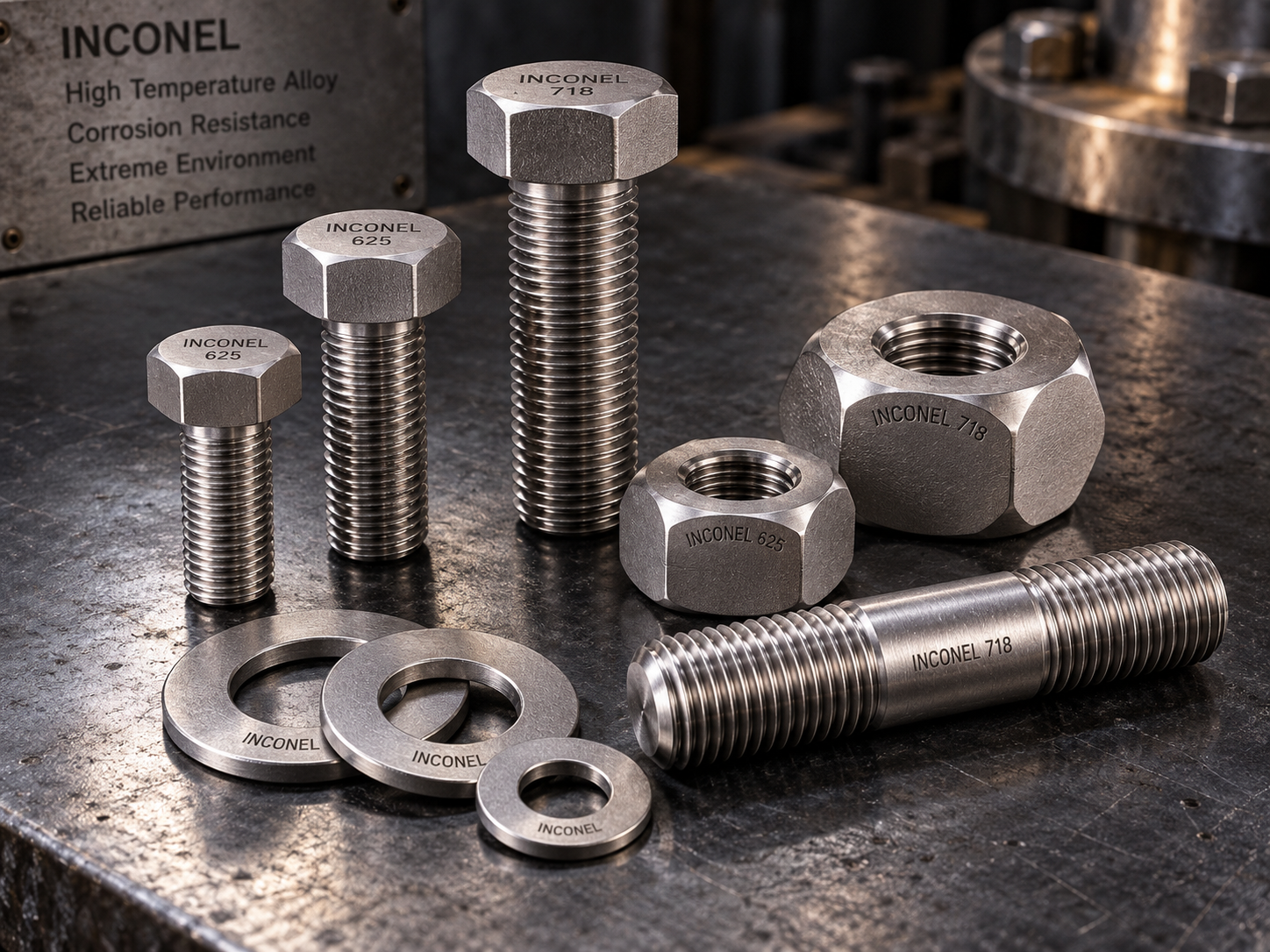
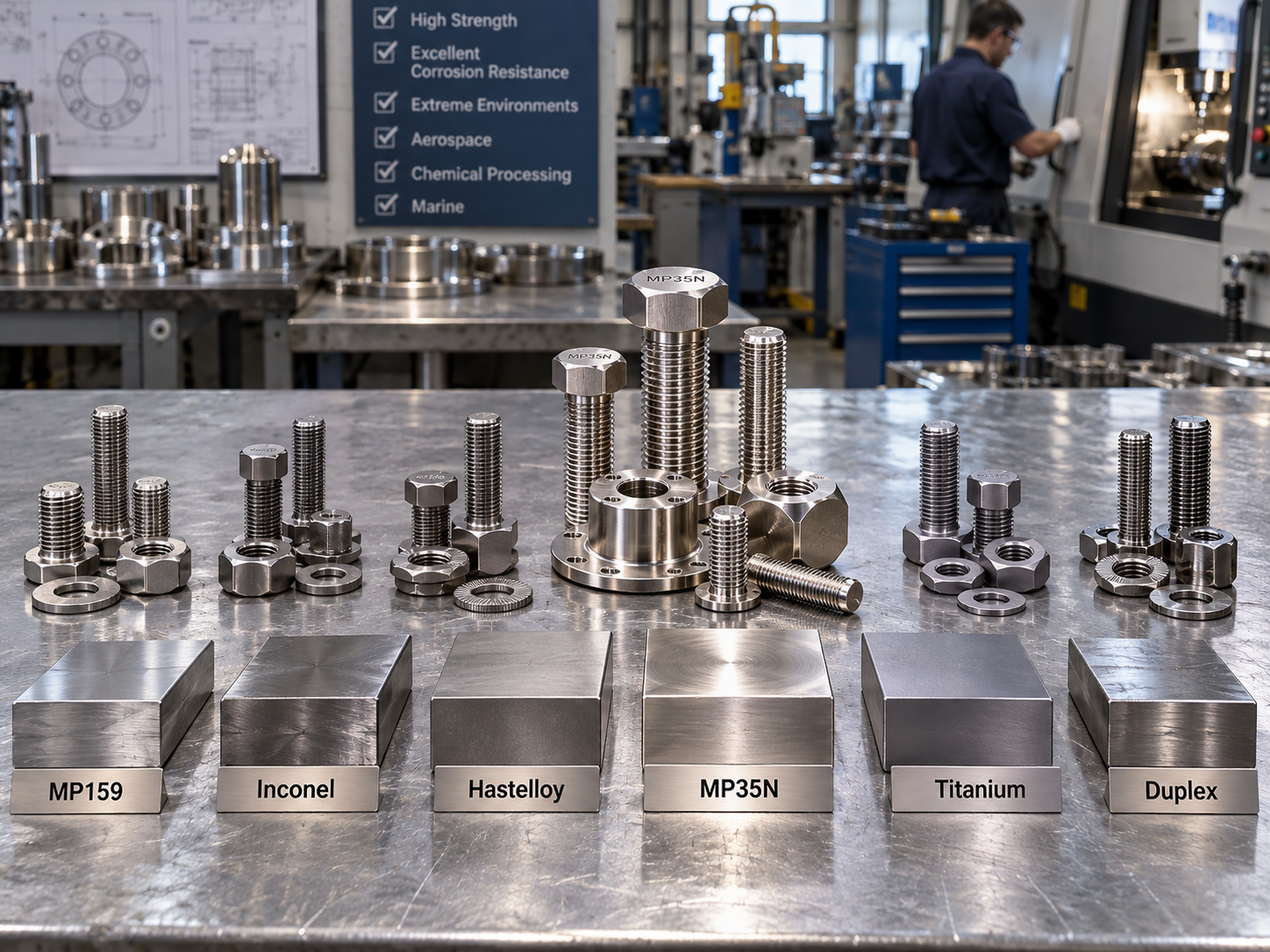
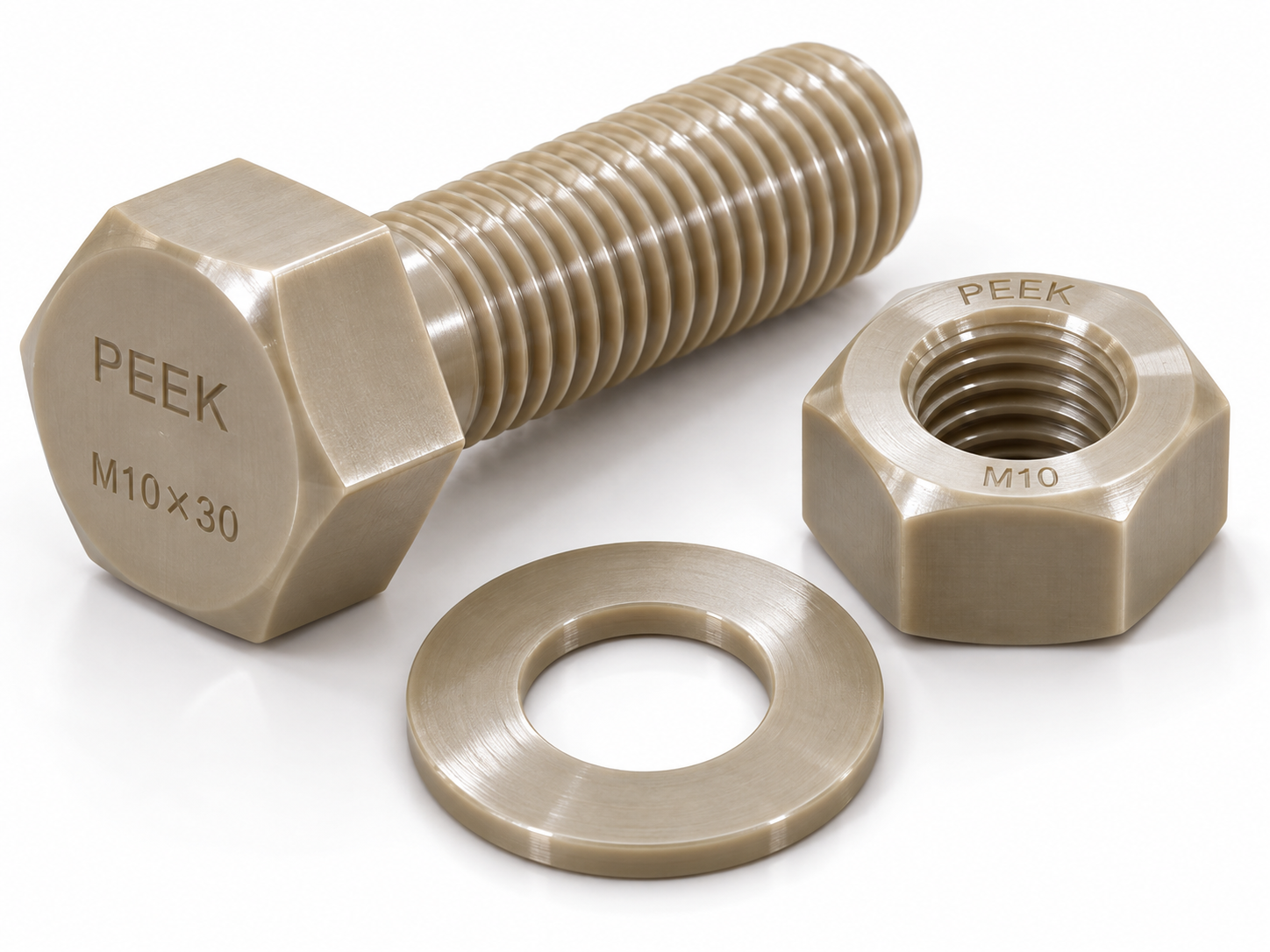
In the aerospace industry, the demand for special alloy fasteners is driven by extreme operational conditions where failure is not an option. Here is a detailed breakdown.
1. Core Demands for Special Alloy Fasteners
The requirements differ by component but revolve around a few non-negotiable pillars:
Extreme Temperature Resistance: Fasteners must maintain strength, creep resistance (resistance to slow deformation under load), and microstructural stability across a vast range: from cryogenic temperatures in space or fuel systems to > 700°C (1300°F) in hot sections of engines.
High Strength-to-Weight Ratio: Every gram saved translates to significant fuel savings and increased payload or range. Fasteners must provide maximum clamping force with minimum mass.
Exceptional Fatigue & Fracture Toughness: Aircraft and engines endure constant vibration, cyclic loads, and pressure changes. Fasteners must resist crack initiation and propagation for decades of service.
Corrosion & Oxidation Resistance: Resistance to atmospheric corrosion, galvanic corrosion when joining dissimilar materials, and severe oxidation in hot, gas-path environments.
Stress Corrosion Cracking (SCC) Resistance: A critical failure mode under tensile stress in corrosive environments (e.g., salt air). Materials must be highly resistant.
Compatibility & Stability: Must be compatible with base materials (minimize galvanic issues) and maintain preload (clamping force) under thermal cycling without relaxing.
2. Specific Applications & Material Selection
3. Quality Control & Management: A Multi-Layered System
Aerospace fastener QC goes far beyond standard inspection. It is a system of prevention, traceability, and verification.
A. Regulatory & Certification Framework (The Foundation)
AS9100: The mandatory Quality Management System standard for the entire aerospace supply chain.
NADCAP (National Aerospace and Defense Contractors Accreditation Program): Specialized accreditation for specific processes critical to fasteners:
Heat Treatment (AC7102)
Chemical Processing (Plating, Coating) (AC7108)
Materials Testing Labs (AC7004)
Non-Destructive Testing (e.g., Eddy Current) (AC7114)
B. Material & Process Control
Source Control: Raw material must be from approved mills with full traceability. Heat Code/Lot Traceability is maintained from raw billet to finished fastener.
Controlled Forging & Heat Treatment: Processes are performed to exact, qualified specifications (e.g., AMS, MIL standards). Certified furnaces with full temperature records are used.
Specialized Coatings & Lubricants: Applied to prevent galling (cold welding during installation), corrosion, and provide consistent clamp load. Examples: Silver plating, Dry Film Lubricants (DFL), Cadmium plating (with restrictions), Aluminizing for high-temp oxidation protection.
C. Dimensional & Mechanical Verification
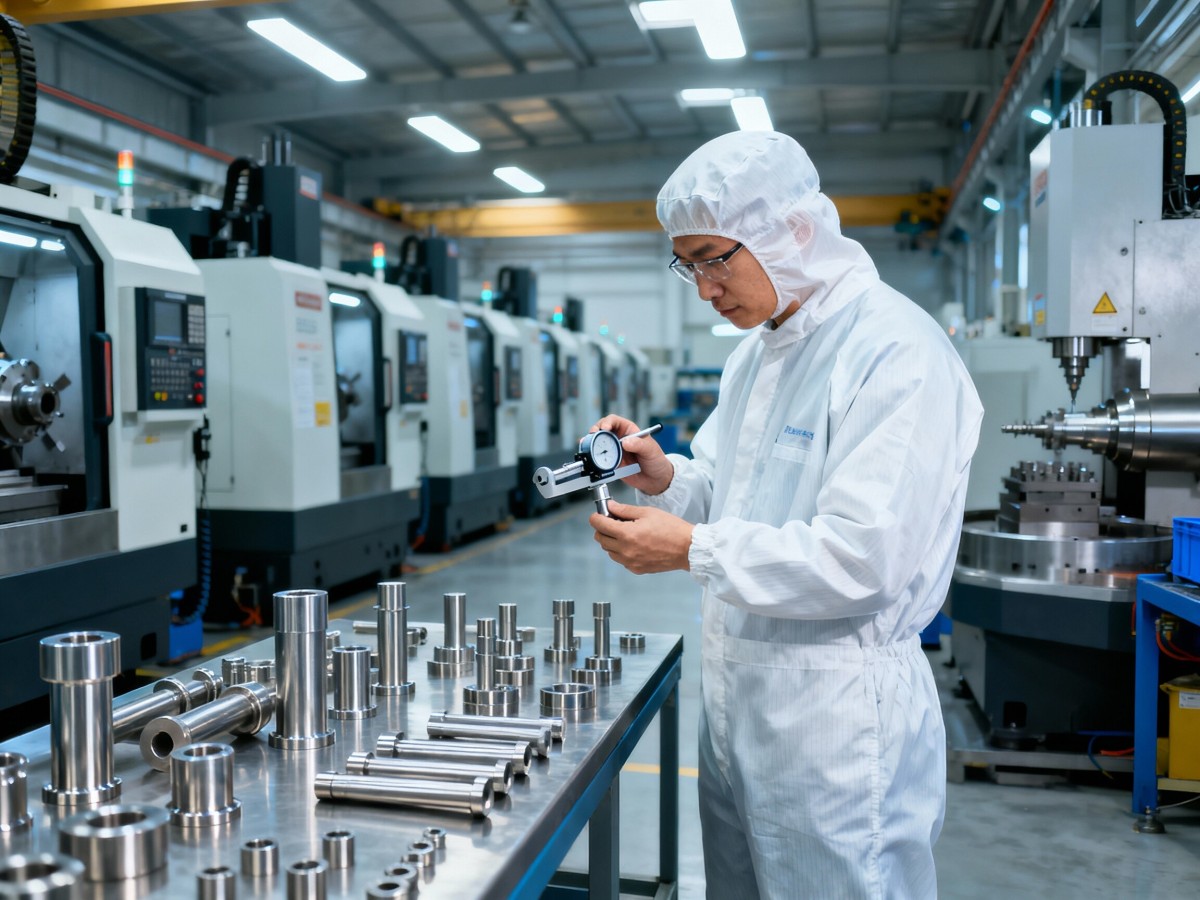
100% Dimensional Inspection: Critical features (thread pitch, major/minor diameter, head dimensions, grip length) are verified using calibrated gauges and optical comparators.
Mechanical Property Testing: Samples from each batch/lot undergo destructive testing to verify:
Ultimate Tensile Strength
Yield Strength
Elongation
Hardness (often 100% checked)
Proof Load Testing: A significant sample or 100% of fasteners are subjected to a tensile load (higher than service load but below yield) to ensure no defects.
D. Advanced Non-Destructive Testing & Surface Integrity
Eddy Current Testing: 100% inspection for surface and near-surface cracks, seams, and defects.
Magnetic Particle Inspection (for ferrous alloys): Detects surface discontinuities.
Liquid Penetrant Inspection: For non-ferrous alloys (Ti, Ni) to find surface cracks.
Microstructural Examination: Samples are checked for proper grain flow, absence of inclusions, and correct heat treatment microstructure.
Surface Finish & Thread Roll Quality: Controlled to prevent fatigue crack initiation sites.
E. Documentation & Traceability
Every shipment is accompanied by a Certificate of Conformance (C of C) and often a full Mill Test Report (MTR) or Chemical and Physical Test Report, listing all test results, heat codes, and process certifications. This creates a complete pedigree for the fastener.
Request A Quote! We'll respond as soon as possible(within 12 hours)
Get a Quote