
Categories List
Recent Posts
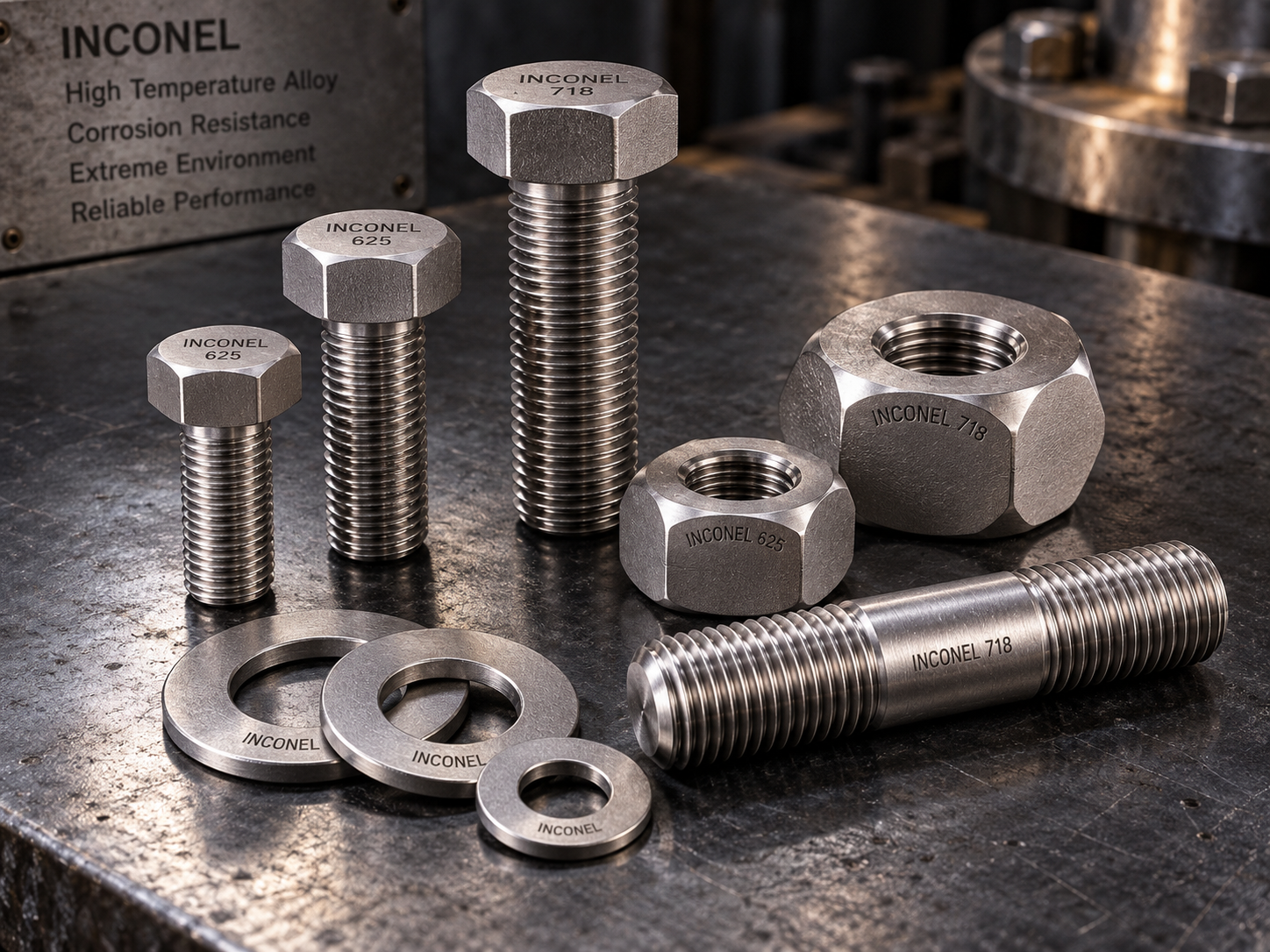
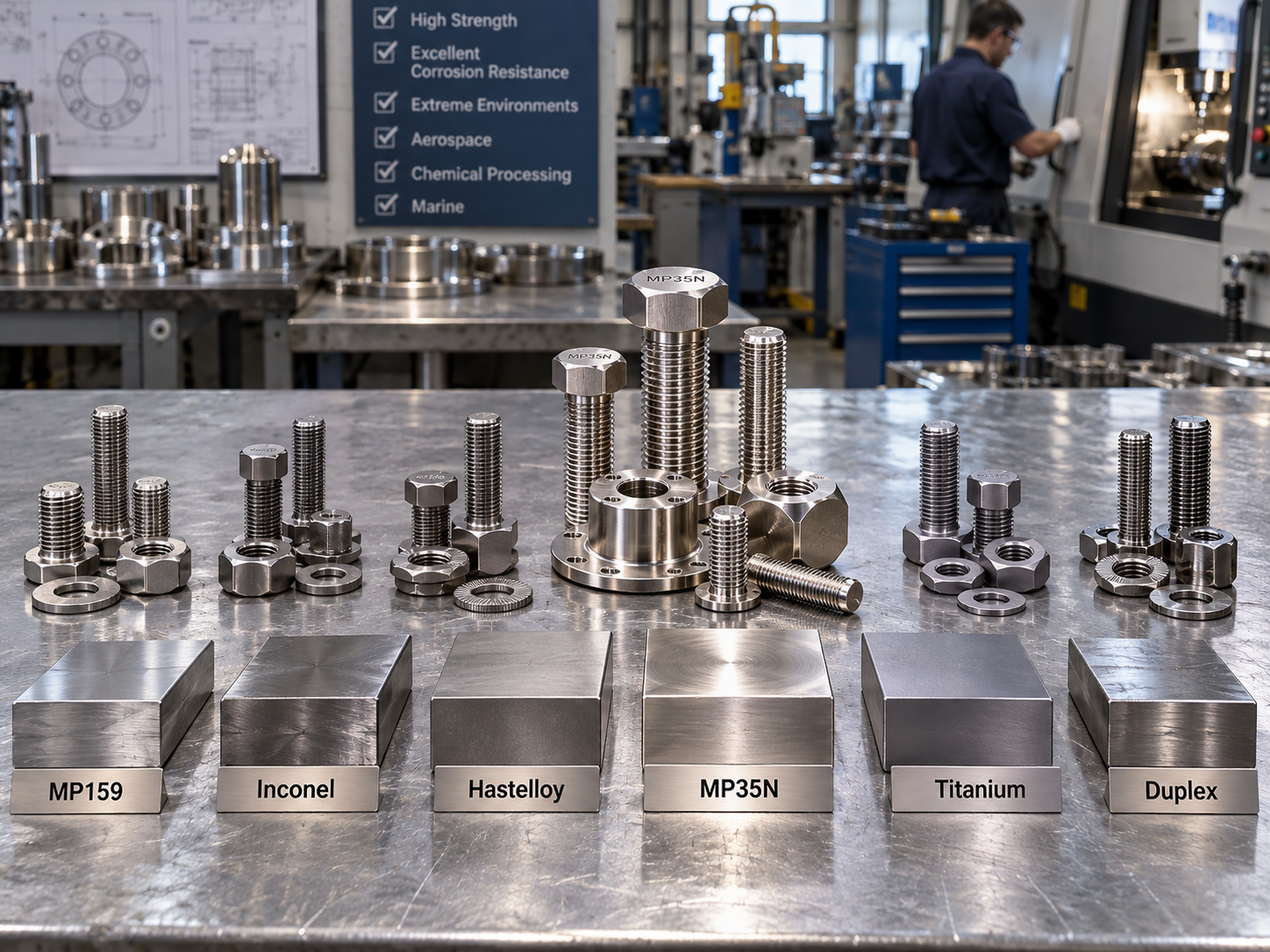
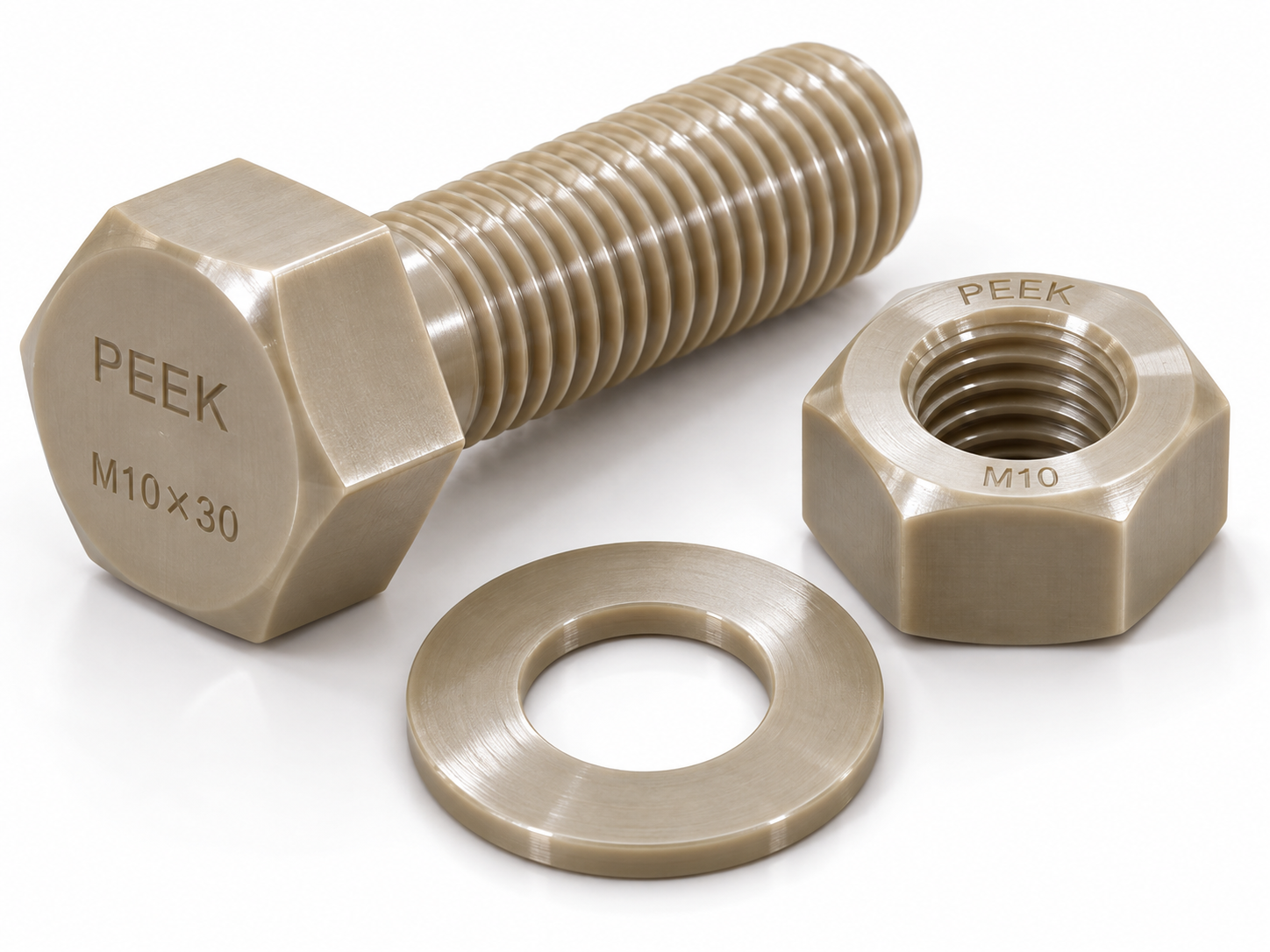
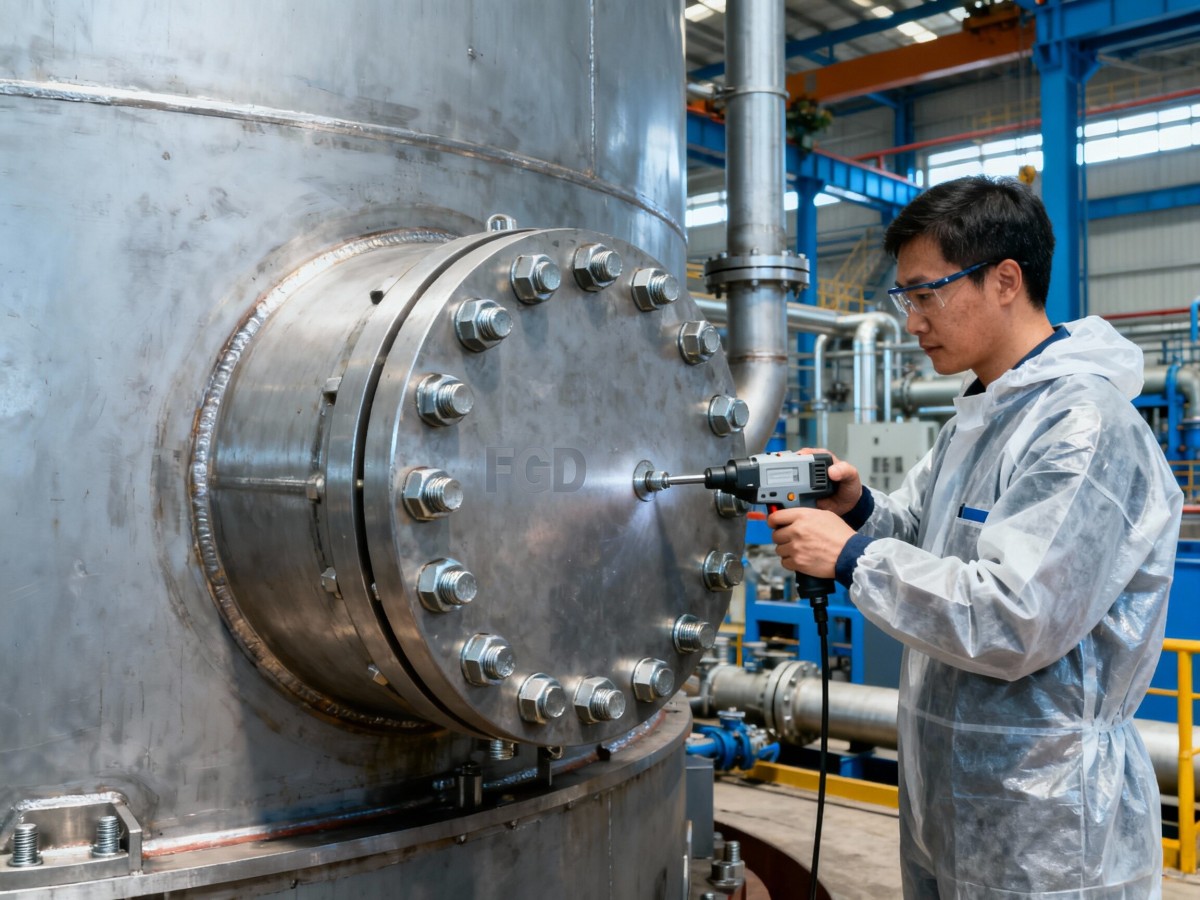
Selecting the correct bolts for FGD scrubber (Flue Gas Desulfurization Absorber Tower) applications is critical for structural integrity, safety, and long-term cost-efficiency. The harsh environment inside a scrubber—characterized by condensing acids, chlorides, fluorides, low pH, and elevated temperatures—demands fasteners made from specialized, corrosion-resistant alloys, not standard stainless steels.
The Corrosion Challenge in FGD Scrubbers
The internal environment is highly aggressive due to the formation of sulfurous acid, sulfuric acid, and hydrochloric/hydrofluoric acids from the flue gas. This leads to severe:
Uniform Corrosion
Pitting & Crevice Corrosion (especially at gasketed flanges)
Stress Corrosion Cracking (SCC)
Standard AISI 316 stainless steel fasteners will fail rapidly in this setting.
Recommended Bolt Materials for FGD Scrubbers
The material choice depends on the specific zone (e.g., inlet quench, spray zone, mist eliminator) and the concentration of acidic condensates.
1. Premium Super Austenitic Stainless Steel (Standard Choice)
Alloy 254 SMO (UNS S31254) / 6% Molybdenum Alloys
Why: Offers excellent resistance to pitting and crevice corrosion from chlorides, coupled with good acid resistance. Often the baseline specification for mainstream FGD bolting applications.
Common Forms: Alloy 254 hex bolts, stud bolts, and heavy hex nuts (ASTM A193 B8M Class 2 / A194 8M).
2. Nickel-Based Alloys (For Severe Conditions & Critical Zones)
Alloy C276 (Hastelloy® C276 / UNS N10276)
Why: The industry benchmark for the most severe, low-pH, high-halide environments. Used in inlet scrolls, quench zones, and areas where acid condensation is constant.
Common Forms: C276 stud bolts (ASTM A193 B6M) with C276 nuts (A194 6M).
Alloy 625 (Inconel® 625 / UNS N06625)
Why: Excellent resistance to a broad range of acids and chlorides, with very high strength. Often used for high-stress components and mist eliminator supports.
Alloy 31 (UNS N08031)
Why: A cost-effective alternative to C276 in many FGD environments, with superior chloride resistance compared to 254 SMO.
3. Duplex & Super Duplex Stainless Steels (For Structural & Less Severe Areas)
2205 Duplex (UNS S32205/S31803) and 2507 Super Duplex (UNS S32750)
Why: High strength and good chloride resistance. May be used for external structural supports, platforms, and access ladders exposed to the external scrubber atmosphere, or in less aggressive internal zones. Not typically recommended for the most aggressive wet internal surfaces.
FGD Scrubber Bolt Application Guide by Component
Specification & Procurement Key Points
When ordering bolts for FGD scrubbers, ensure they meet these critical specs:
Material Certification: Must have full Mill Test Certificate (MTC) traceable to UNS number.
Heat Treatment: Bolts must be in the solution-annealed and quenched condition for optimal corrosion resistance.
Common Standards:
Stud Bolts: ASTM A193 (Grade B8M for 254 SMO, B6M for C276, B8 for 316).
Nuts: ASTM A194 (Grade 8M, 6M, 8).
Threads: Unified Coarse (UNC) or 8-Thread Series (8UN) are common for easier assembly in corrosive service.
Conclusion
For the question "What bolts are used for FGD scrubbers?", the answer is unequivocally specialized corrosion-resistant alloy bolts. Alloy 254 SMO (6Mo) fasteners are the standard workhorse, while Nickel Alloy C276 bolts are essential for the most critical, severe-service zones. Choosing the correct material prevents unplanned shutdowns, reduces maintenance costs, and ensures the long-term reliability of your wet flue gas desulfurization system.
FGD scrubber bolts, flue gas desulfurization fasteners, alloy C276 bolts for FGD, 254 SMO bolts, FGD absorber tower bolting, acid resistant bolts, chloride resistant fasteners, wet scrubber fasteners, ASTM A193 B8M, ASTM A193 B6M, nickel alloy fasteners for FGD, mist eliminator bolts, quench zone fasteners, FGD maintenance bolts, corrosion resistant bolting solution, power plant fasteners.
Request A Quote! We'll respond as soon as possible(within 12 hours)
Get a Quote