
Categories List
Recent Posts
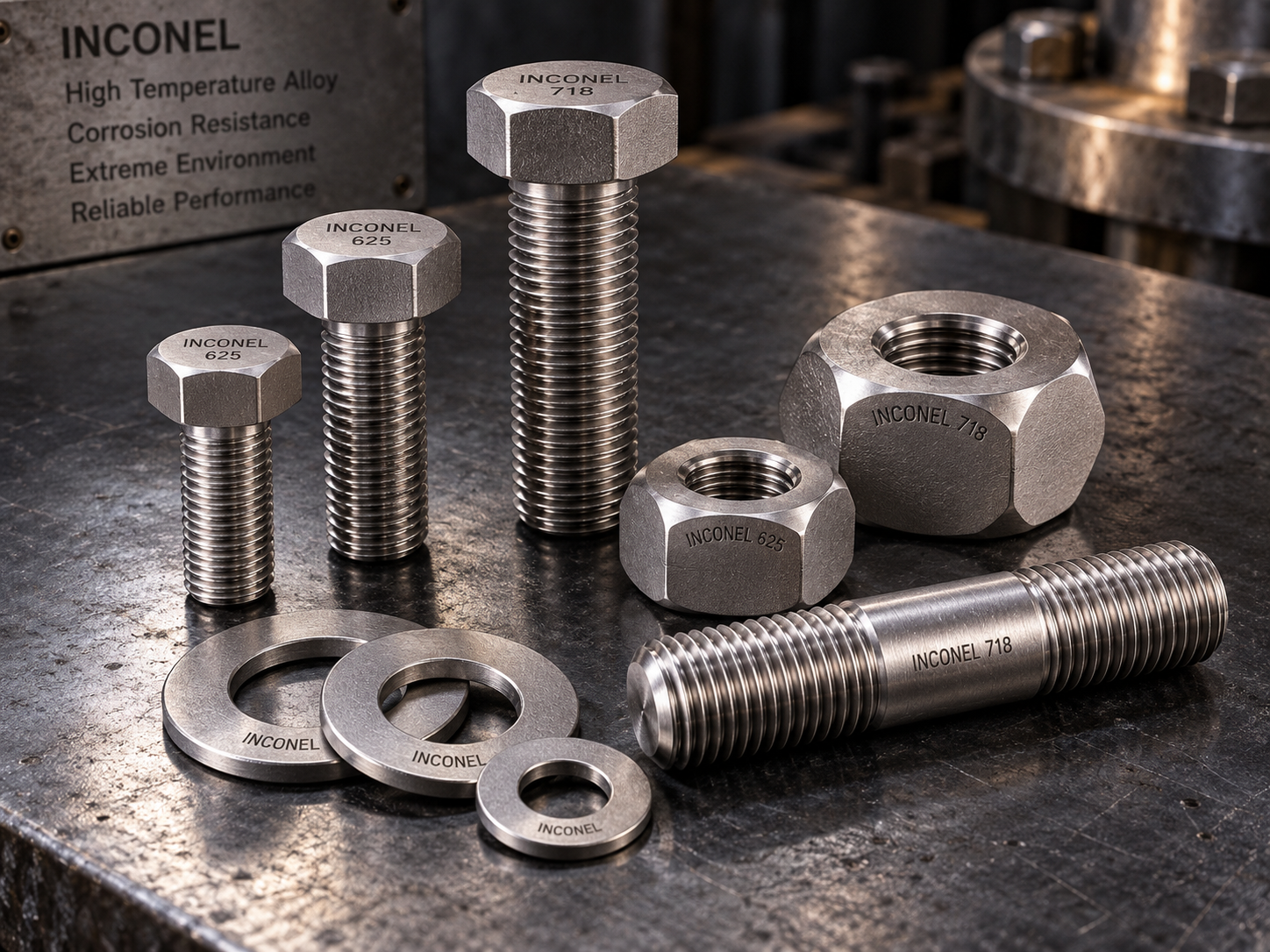
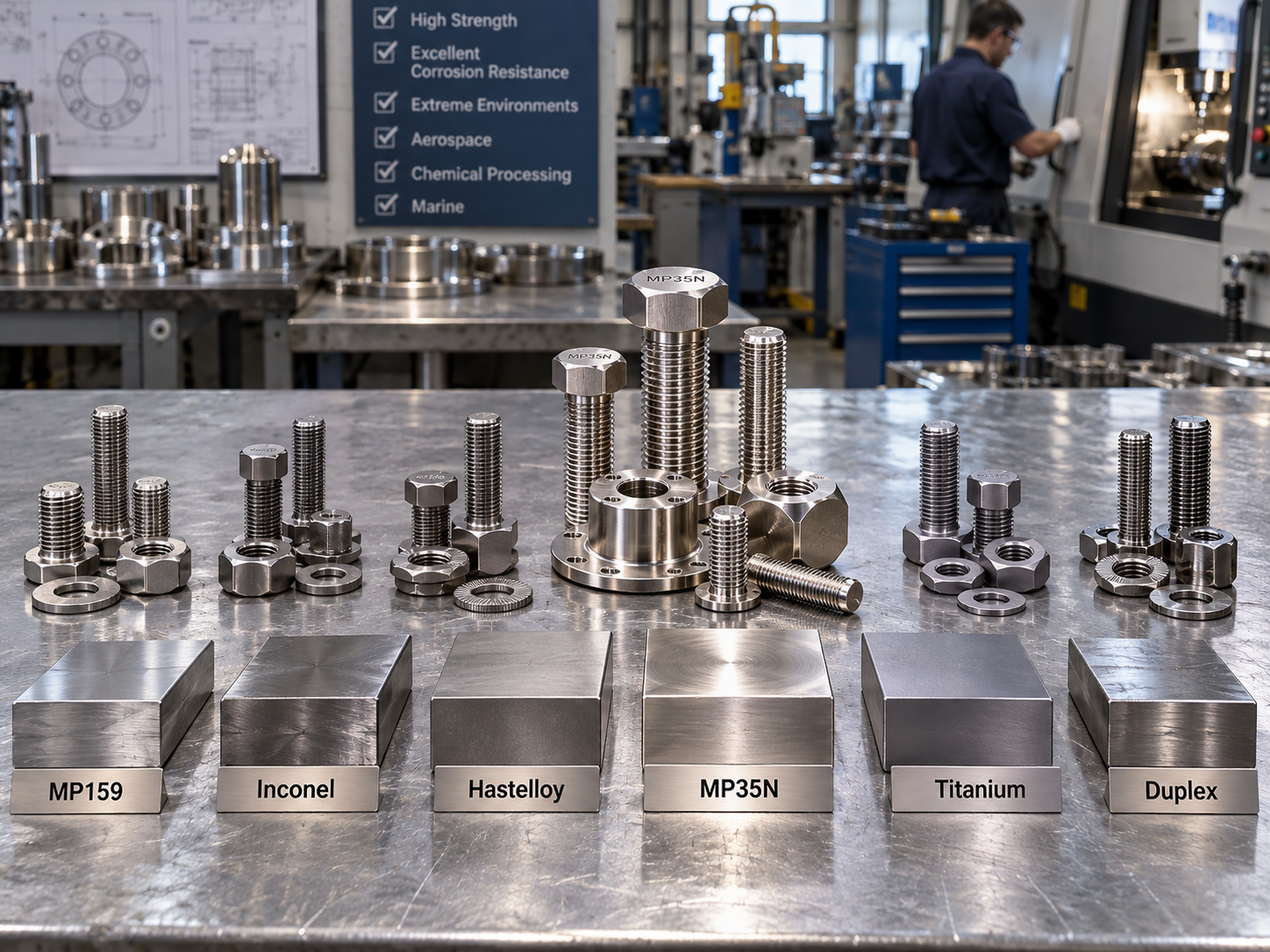
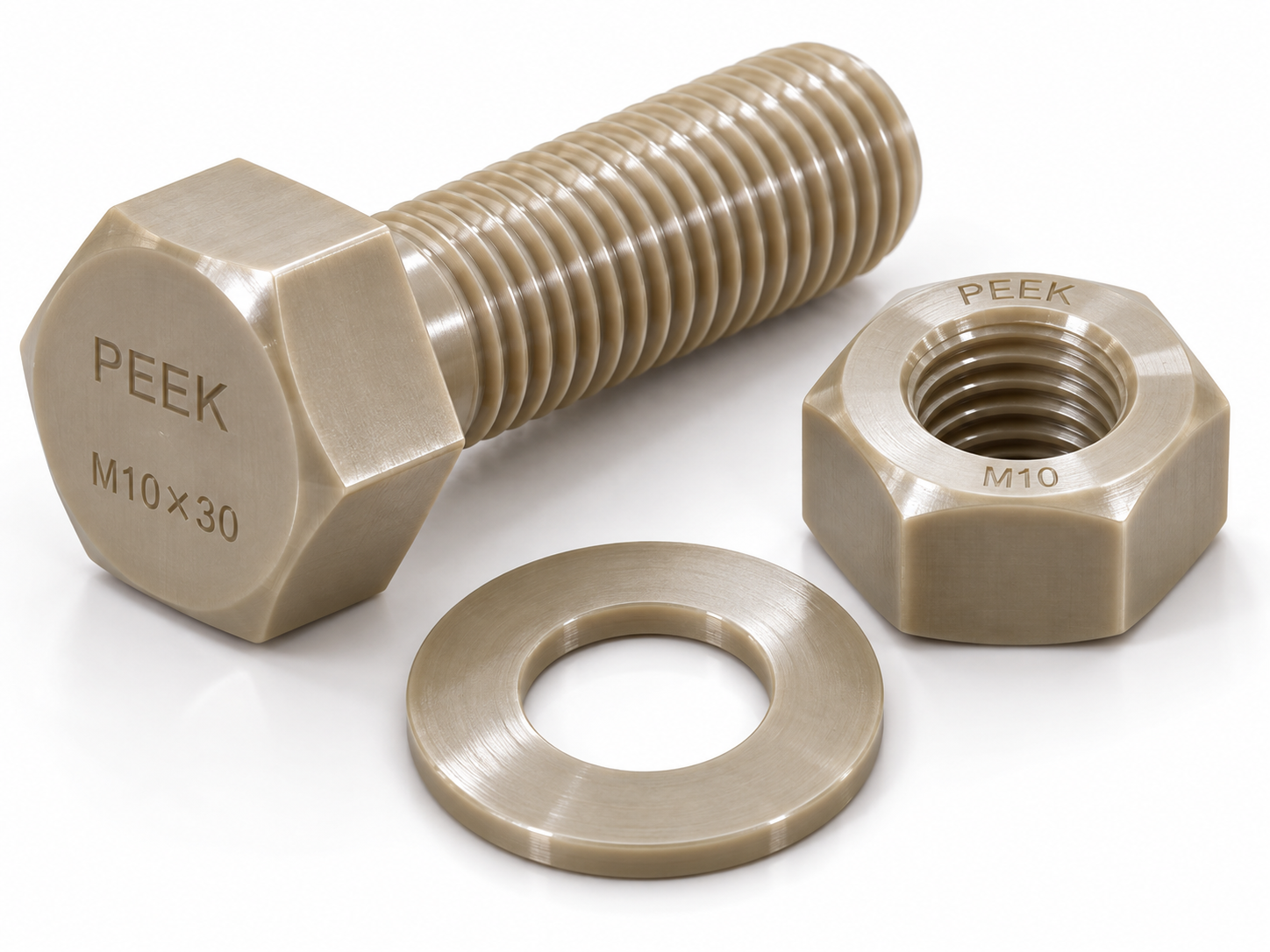
When AISI 316L stainless steel fasteners fail due to chloride-induced pitting, crevice corrosion, or stress corrosion cracking (SCC), upgrading to higher-performance alloys is essential. This guide details the most effective chloride resistant fastener alternatives to 316L for demanding applications.
Why 316L Fails in Chloride Environments
Limitations: While 316L offers good general corrosion resistance, its Molybdenum content (~2.1%) is insufficient for sustained exposure to chlorides, especially at elevated temperatures (>60°C/140°F).
Failure Modes: Rapid pitting corrosion, severe crevice corrosion under gaskets/washers, and catastrophic chloride stress corrosion cracking (Cl-SCC).
Recommended Fastener Alternatives to 316L for Chloride Service
1. Super Austenitic Stainless Steels (6-7% Mo Alloys)
Direct upgrade path with familiar fabrication characteristics.
Alloy 254 SMO® (UNS S31254)
Why it's better: 6.1% Molybdenum and 0.20% Nitrogen deliver a PREN >43.
Performance: Exceptional resistance to pitting/crevice corrosion in seawater, brackish water, and chloride-containing process streams.
Typical Standards: ASTM A193 B8M Class 2 bolts, ASTM A194 8M nuts.
Best for: Marine fasteners, cooling water system bolts, coastal chemical plant fasteners.
Alloy 25-6MO (UNS N08367) / AL-6XN®
Why it's better: 6.3% Mo, high nickel (~24%) for stability.
Performance: Superior to 316L in hot chloride solutions, resistant to SCC.
Best for: Brine heater fasteners, desalination plant bolts, hot chloride process fasteners.
2. Duplex & Super Duplex Stainless Steels
Offer twice the yield strength of 316L, excellent chloride resistance.
2205 Duplex (UNS S32205/S31803)
Why it's better: PREN ~35, dual-phase structure inherently more resistant to Cl-SCC.
Performance: Good for many chloride environments where 316L fails, but limited in very high chloride/high temperature combinations.
Best for: Sea water pump bolts, offshore structural fasteners, pulp & paper industry fasteners.
2507 Super Duplex (UNS S32750)
Why it's better: PREN >40, with ~4% Mo. The high-strength champion.
Performance: Excellent in concentrated chloride brines and seawater at higher temperatures.
Typical Standards: ASTM A193 B8M (special grade) or proprietary specs.
Best for: High-pressure seawater system bolts, subsea fasteners, heat exchanger bolting in chloride service.
3. Nickel-Based Alloys (For Most Severe Conditions)
When chlorides are present with acids, oxidizing salts, or very high temperatures.
Alloy C276 (Hastelloy® C276 / UNS N10276)
The Ultimate Solution: 15-17% Mo, unmatched resistance to pitting in hot chlorides.
Performance: Immune to Cl-SCC. Handles wet chlorine, hypochlorite, and mixed acid/chloride environments.
Best for: FGD scrubber bolts, chlor-alkali industry fasteners, severe sour gas service bolts.
Alloy 625 (Inconel® 625 / UNS N06625)
Why it's better: 8-10% Mo plus Niobium for strength and resistance.
Performance: Outstanding resistance to pitting and crevice corrosion across a wide chloride range.
Best for: High-strength marine fasteners, downhole tool bolting, exhaust scrubber system fasteners.
4. Specialized Austenitic Alloys
Alloy 20 (Carpenter 20® / UNS N08020)
Why it's better: Higher Ni (~34%) and Cu (~3.5%) content improves resistance to sulfuric acid and chlorides.
Performance: Good upgrade for sulfuric acid service with chlorides, but not for high chloride-only environments.
Best for: Chemical process industry fasteners where both sulfuric acid and chlorides are present.
Material Selection Guide: Chloride Concentration vs. Temperature
Critical Procurement & Installation Notes
Certification: Always require Mill Test Certificates (MTCs) verifying UNS number and full chemistry.
Heat Treatment: Ensure fasteners are in the proper solution-annealed and quenched condition.
Galvanic Compatibility: Avoid pairing a very noble alloy (like C276) directly with less noble materials (like carbon steel) in the assembly without insulation.
Thread Lubricant: Use a chloride-free, high-temperature anti-seize compound (e.g., nickel-based) to prevent galling and thread seizure.
Conclusion
For fasteners in chloride environments, moving beyond 316L is often necessary for reliability. For general seawater and brackish water service, 254 SMO or 2507 Super Duplex fasteners are the most cost-effective upgrades. For the most severe hot chloride, acidic, or sour service, nickel alloys like C276 or 625 are the definitive solution.
Choosing the correct chloride resistant alternative fastener eliminates costly failures, reduces maintenance, and ensures long-term system integrity.
replace 316L fasteners, chloride resistant fasteners, alternative to 316L bolts, super austenitic stainless fasteners, 254 SMO bolts, AL-6XN fasteners, duplex 2205 bolts, super duplex 2507 fasteners, alloy C276 bolts, Inconel 625 fasteners, pitting corrosion resistant fasteners, chloride stress cracking resistant bolts, seawater resistant fasteners, marine grade bolts, brine resistant fasteners, upgrade from 316L, high molybdenum fasteners.
Request A Quote! We'll respond as soon as possible(within 12 hours)
Get a Quote