
Categories List
Recent Posts
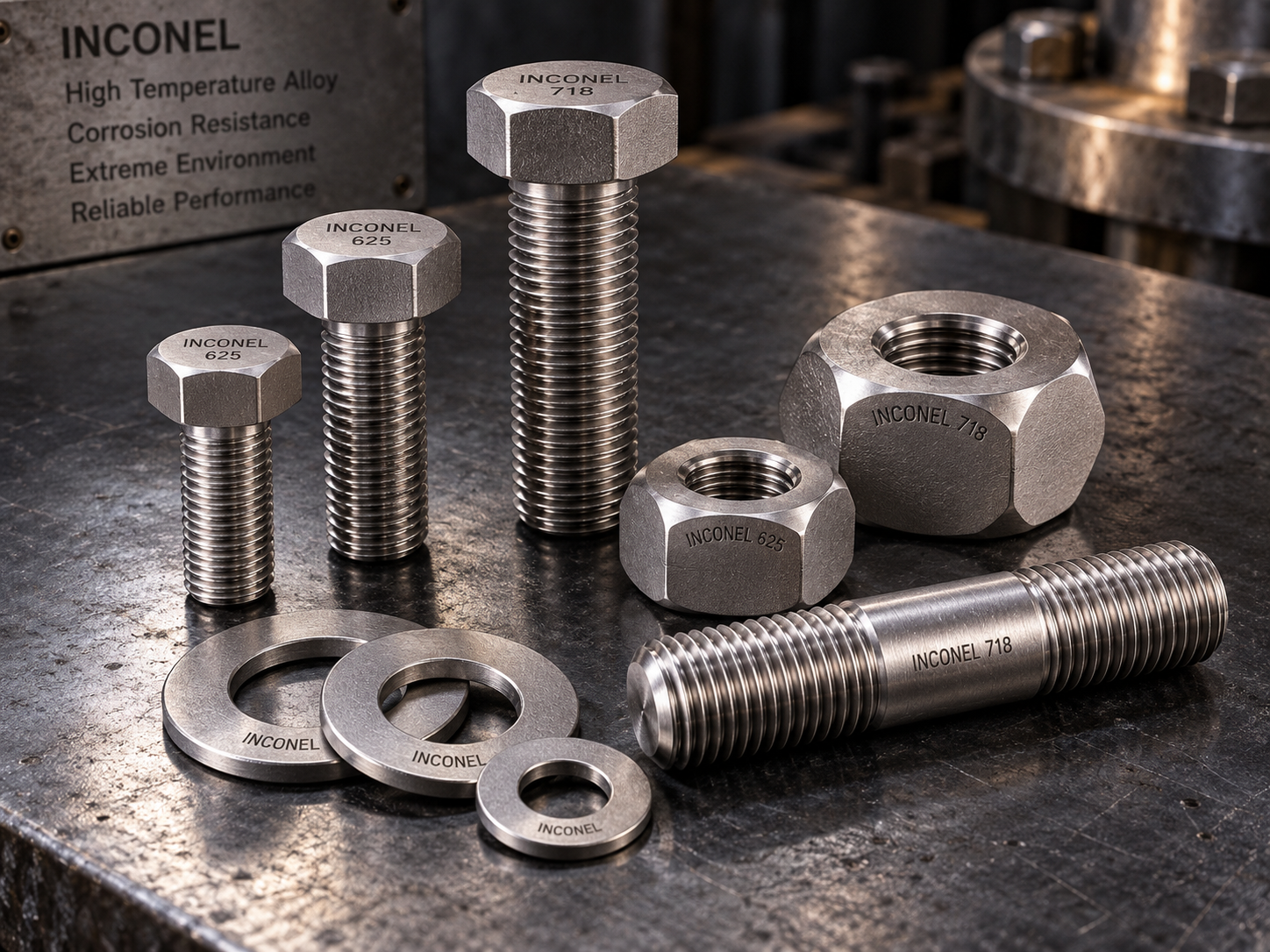
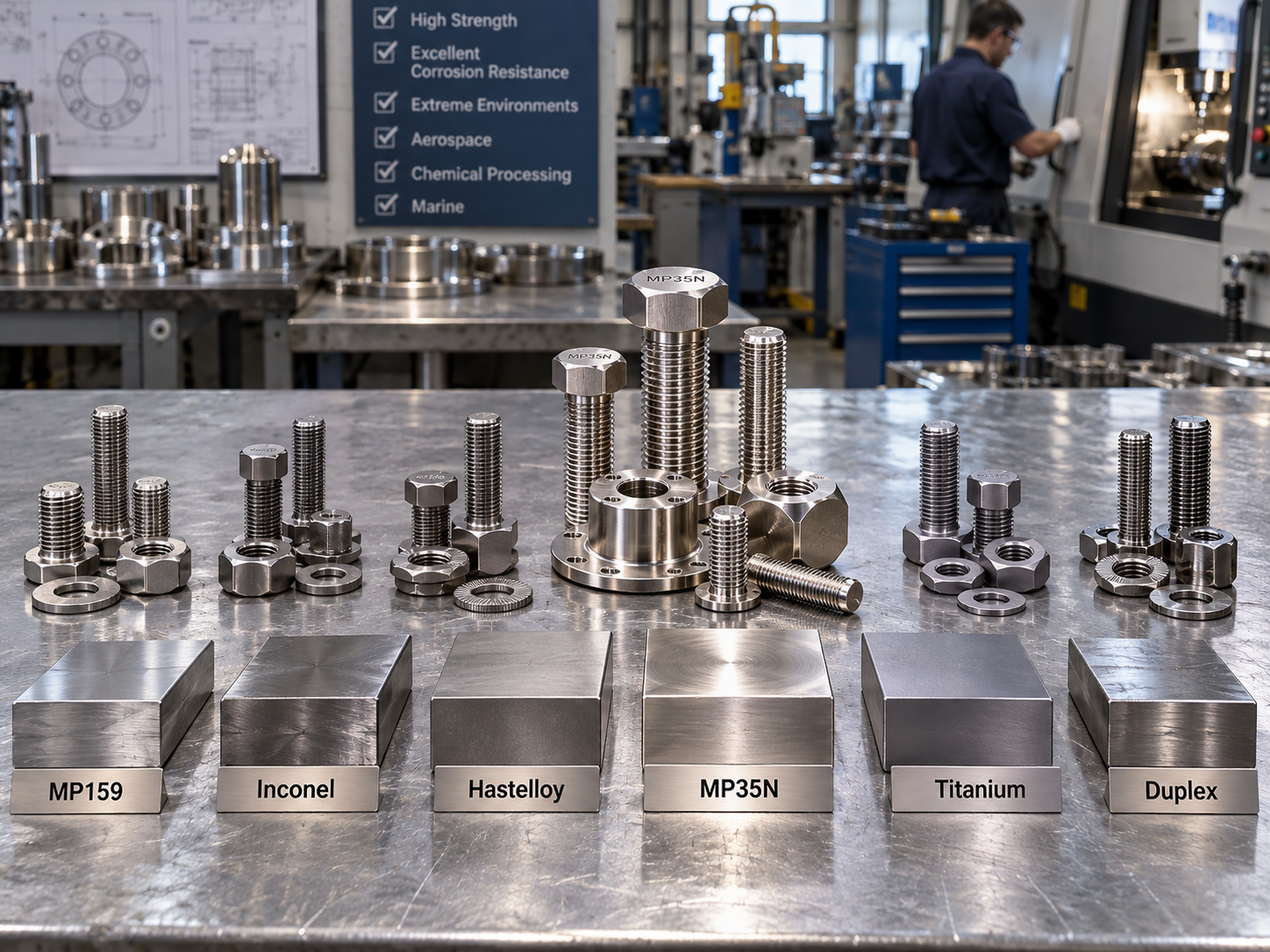
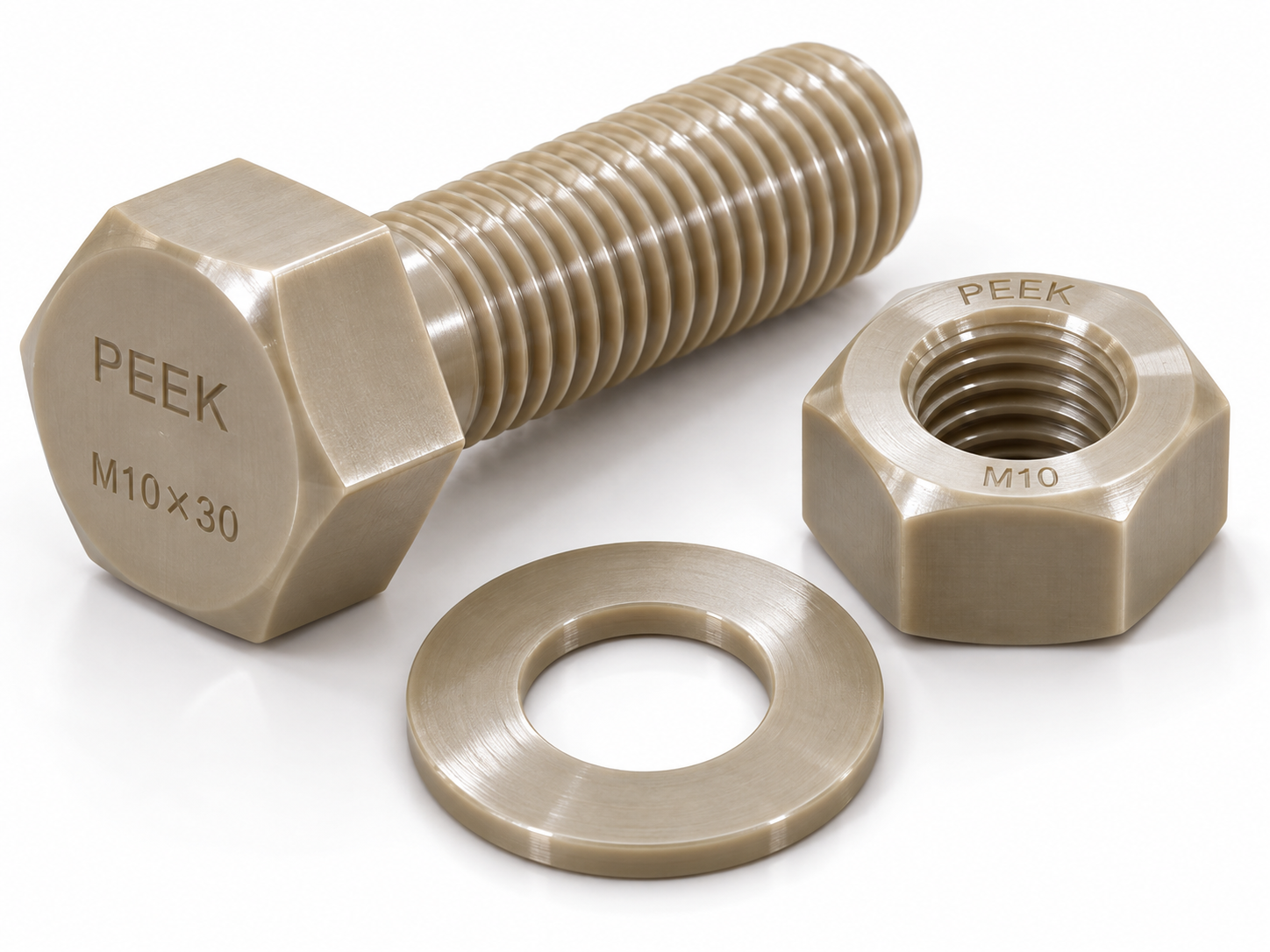
1. MATERIAL PERFORMANCE COMPARISON CHART
*Limited by potential embrittlement; mechanical properties degrade at elevated temperatures.
2. KEY SELECTION CRITERIA SUMMARY
3. SUCCESSFUL CASE STUDIES
Case Study 1: Seawater Pump Failure Resolution
Industry: Offshore Oil & Gas Production Platform
Problem: AISI 316L stud bolts on critical seawater injection pump flanges failed within 8 months due to severe crevice corrosion under the nut face, causing leaks and unplanned shutdowns.
Solution: Upgraded to ASTM A193 B8M Class 2 (Alloy 254 SMO) studs with A194 8M nuts.
Result: Fasteners have been in continuous service for over 5 years with no signs of corrosion. ROI Achieved: The cost of alloy upgrade was recouped within 12 months by eliminating a single shutdown event.
Case Study 2: FGD Scrubber Turnaround Elimination
Industry: Coal-Fired Power Plant (Flue Gas Desulfurization)
Problem: The mist eliminator support grids, bolted with 317L stainless fasteners, required annual replacement due to chloride-induced stress corrosion cracking in the hot, wet, acidic environment.
Solution: Replaced all support fasteners with Alloy C276 hex head bolts (ASTM A193 B6M) and Alloy 625 washers.
Result: The fastener service life extended beyond 4 years, aligning with the major plant turnaround cycle. This eliminated a yearly maintenance entry, saving ~$200,000 annually in labor and lost production.
Case Study 3: Chemical Processor Heat Exchanger Reliability
Industry: Specialty Chemical Manufacturing
Problem: A shell-and-tube heat exchanger handling chlorinated solvents with trace water experienced recurrent gasket leaks. Duplex 2205 bolts showed pitting initiation at thread roots after 18 months.
Solution: Re-tubed exchanger and upgraded all flange bolting to Alloy C-276 stud bolts with controlled tightening procedure.
Result: Zero leaks or corrosion-related issues for over 3 years of continuous service. Improved reliability allowed for a 15% increase in production throughput.
4. ECONOMIC & ENGINEERING DECISION MATRIX
Conclusion
The progression from standard stainless steel fasteners to super austenitics/duplex and finally to nickel alloy fasteners represents a strategic response to increasingly aggressive operating environments. While nickel alloys like C276 and 625 command a significant premium, they provide unmatched corrosion resistance and longevity in the most severe conditions, offering the lowest total cost of ownership where failure consequences are high. For chloride-rich, acidic, or high-temperature applications beyond the capability of 316L, a targeted upgrade to these high-performance fasteners is the most reliable engineering and economic solution.
stainless steel vs nickel alloy fasteners, Hastelloy C276 vs 316L bolts, duplex 2507 vs alloy 625, corrosion resistant fastener comparison, high performance fasteners chart, case study alloy C276 bolts, FGD scrubber bolt upgrade, seawater pump fastener failure, chloride resistance fastener material, cost of nickel alloy fasteners, super austenitic 254 SMO bolts, material selection guide fasteners, successful fastener upgrade案例, pitting resistance equivalent number (PREN) fasteners.
Request A Quote! We'll respond as soon as possible(within 12 hours)
Get a Quote