
Categories List
Recent Posts
Part 1: What Are Corrosion-Resistant Alloy Fasteners?
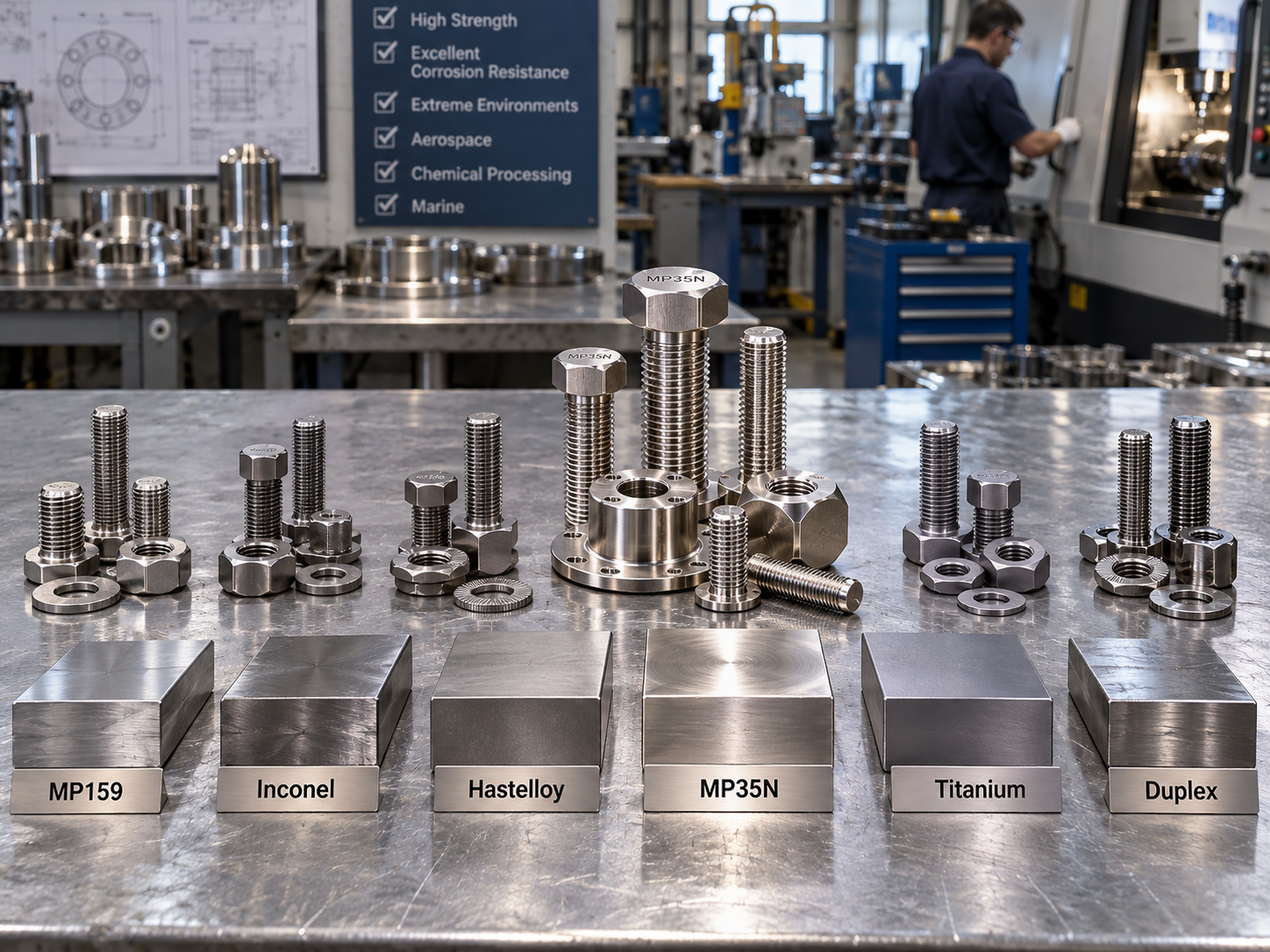
Corrosion-resistant alloy fasteners are specially engineered components designed to withstand aggressive environments that would rapidly degrade conventional materials. Unlike standard stainless steels, these advanced alloys maintain structural integrity and performance in conditions involving chemicals, saltwater, high temperatures, and other corrosive media. At RAYCHIN, we manufacture these critical components using sophisticated metallurgical processes to ensure reliability in your most demanding applications.
Part 2: Primary Corrosion-Resistant Alloy Materials for Fasteners
1. Nickel-Based Alloys
Hastelloy® Series
C-276: Excellent resistance to oxidizing and reducing acids, chlorides, and mixed chemical environments.
C-22: Superior pitting and crevice corrosion resistance; ideal for harsh chemical processing.
B-2/B-3: Optimized for reducing environments like hydrochloric and sulfuric acids.
Inconel® Series
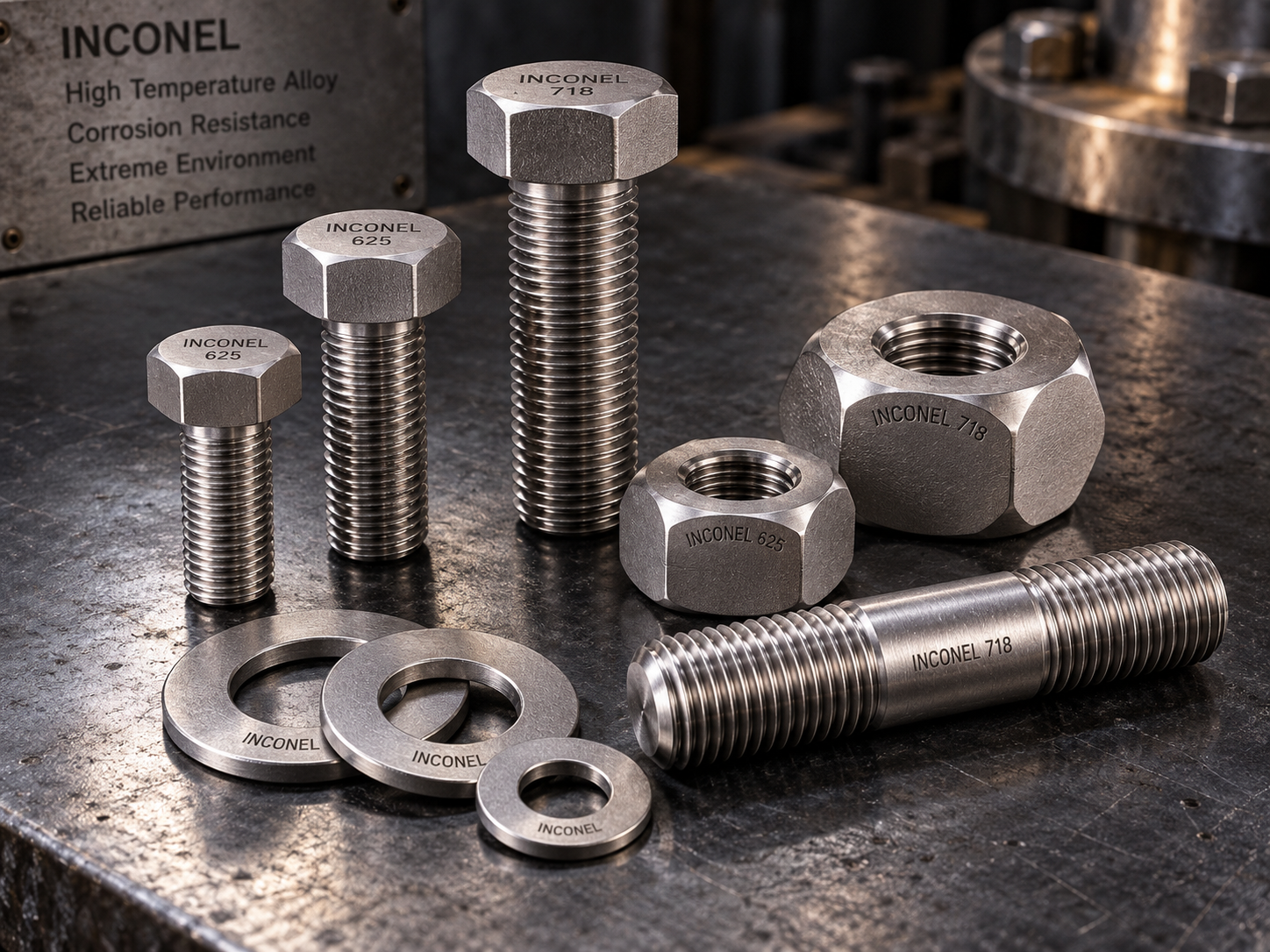
Inconel 625: Outstanding corrosion and oxidation resistance; excellent for marine and chemical applications.
Inconel 718: High strength with good corrosion resistance; often used in aerospace and oil & gas.
Monel® Alloys
Monel 400: Excellent resistance to seawater, hydrofluoric acid, and alkaline solutions.
Monel K-500: Age-hardenable version with higher strength for demanding marine applications.
2. Cobalt-Based Alloys
MP35N®/Elgiloy®: Exceptional combination of ultra-high strength, corrosion resistance, and non-magnetic properties for medical and aerospace applications.
3. Specialty Stainless Steels
Super Duplex Stainless Steels (e.g., SAF 2507): High resistance to chloride stress corrosion cracking and pitting.
6% Molybdenum Austenitic Stainless (e.g., AL-6XN®): Superior pitting resistance in chloride environments.
Precipitation-Hardening Stainless (e.g., 17-4PH, 15-5PH): Good corrosion resistance with high strength.
4. Titanium Alloys
Grade 2 (Commercially Pure): Excellent general corrosion resistance, especially in oxidizing environments.
Grade 5 (Ti-6Al-4V): Higher strength with good corrosion resistance for aerospace and medical applications.
5. Copper-Based Alloys
Cupronickel (e.g., 70/30, 90/10): Excellent seawater corrosion resistance for marine applications.
Aluminum Bronze: Good corrosion resistance in marine and certain chemical environments.
Part 3: Key Factors for Selecting Corrosion-Resistant Alloy Fasteners
When selecting corrosion-resistant alloy fasteners for your project, consider these critical factors:
1. Environmental Conditions
Corrosive Media: Identify specific chemicals, concentrations, temperatures, and pH levels. Different alloys excel in different environments:
Oxidizing acids (nitric, chromic): Stainless steels, Hastelloy C-22/C-276
Reducing acids (hydrochloric, sulfuric): Hastelloy B-2/B-3, zirconium, tantalum
Chloride solutions: Titanium, Hastelloy C-276, super duplex stainless
Seawater: Monel, titanium, cupronickel, super duplex stainless
Temperature Range: Both high and low temperatures affect corrosion rates and material properties.
Pressure Conditions: High-pressure environments can accelerate certain corrosion mechanisms.
Aeration & Flow Rates: Stagnant conditions often promote crevice corrosion; high flow rates can cause erosion-corrosion.
2. Mechanical Requirements
Strength Needs: Consider tensile, yield, and shear strength requirements at operating temperatures.
Fatigue Resistance: Important for applications with cyclic loading or vibration.
Toughness & Ductility: Critical for impact resistance and installation.
Hardness Requirements: Affects wear resistance and galling tendency.
3. Material Compatibility
Galvanic Compatibility: When connecting dissimilar metals, consider galvanic series positioning to avoid accelerated corrosion.
Coefficient of Thermal Expansion: Should match or be compatible with joined materials to avoid stress during temperature changes.
Chemical Compatibility: Ensure the alloy doesn't react adversely with the media or adjacent materials.
4. Fabrication & Installation Factors
Machinability & Formability: Affects manufacturing cost and lead time.
Weldability: Important if field modifications or repairs are anticipated.
Galling Resistance: Nickel alloys are particularly prone; may require special coatings or lubricants.
Thread Design: Affects stress distribution and crevice corrosion susceptibility.
5. Regulatory & Certification Requirements
Industry Standards: Compliance with ASME, ASTM, NACE, API, MIL-SPEC, etc.
Material Certifications: Requirement for mill test reports (MTRs), traceability, and heat code tracking.
Testing Requirements: Need for corrosion testing (ASTM G48, ASTM G28), stress corrosion cracking tests, or other validation.
Industry-Specific Compliance: NACE MR0175/ISO 15156 for sour service, FDA compliance for food/pharma, etc.
6. Economic Considerations
Total Cost of Ownership: Consider initial cost versus service life, maintenance, and replacement frequency.
Availability & Lead Time: Some specialty alloys have longer procurement times.
Inventory Management: Standard versus custom components.
Lifecycle Costs: Including installation, maintenance, and potential downtime expenses.
7. Application-Specific Requirements
Temperature Extremes: Both high and cryogenic temperatures.
Pressure Conditions: Vacuum to ultra-high pressure.
Cyclic Loading: Fatigue considerations.
Wear & Erosion: Additional surface treatments may be required.
Magnetic Permeability: Critical for electronics, MRI, and certain instruments.
Weight Restrictions: Important for aerospace and mobile applications.
8. Design & Engineering Factors
Stress Analysis: Proper sizing to avoid stress corrosion cracking.
Crevice Design: Minimizing crevices where corrosion can initiate.
Surface Finish: Smoother finishes generally improve corrosion resistance.
Coatings & Plating: Additional protection where needed.
Inspection & Maintenance Access: Design for monitoring and replacement if needed.
9. Supplier Capabilities
Technical Expertise: Ability to provide material selection guidance.
Quality Assurance: Certifications, testing capabilities, and quality systems.
Manufacturing Capabilities: Ability to produce required quantities and specifications.
Technical Support: Engineering assistance and failure analysis capabilities.
RAYCHIN's Selection Process
At RAYCHIN, we follow a systematic approach to ensure optimal fastener selection:
Application Analysis: Detailed review of service conditions and requirements
Material Preselection: Based on corrosion resistance databases and historical data
Mechanical Verification: Ensuring strength and performance requirements are met
Fabrication Assessment: Evaluating manufacturability and installation considerations
Economic Evaluation: Balancing performance with total cost
Validation Testing: Corrosion testing and prototyping when necessary
Documentation & Certification: Ensuring all compliance requirements are met
Conclusion
Selecting the right corrosion-resistant alloy fastener requires careful consideration of multiple interacting factors. The optimal choice balances technical performance with practical and economic constraints. When standard solutions are insufficient, RAYCHIN's engineering team can help navigate these complexities to deliver fasteners that provide reliable, long-term performance in your specific corrosive environment.
For a personalized material selection consultation for your project, contact RAYCHIN today. Our engineers will analyze your application requirements and recommend the most effective, cost-efficient corrosion-resistant fastener solution.
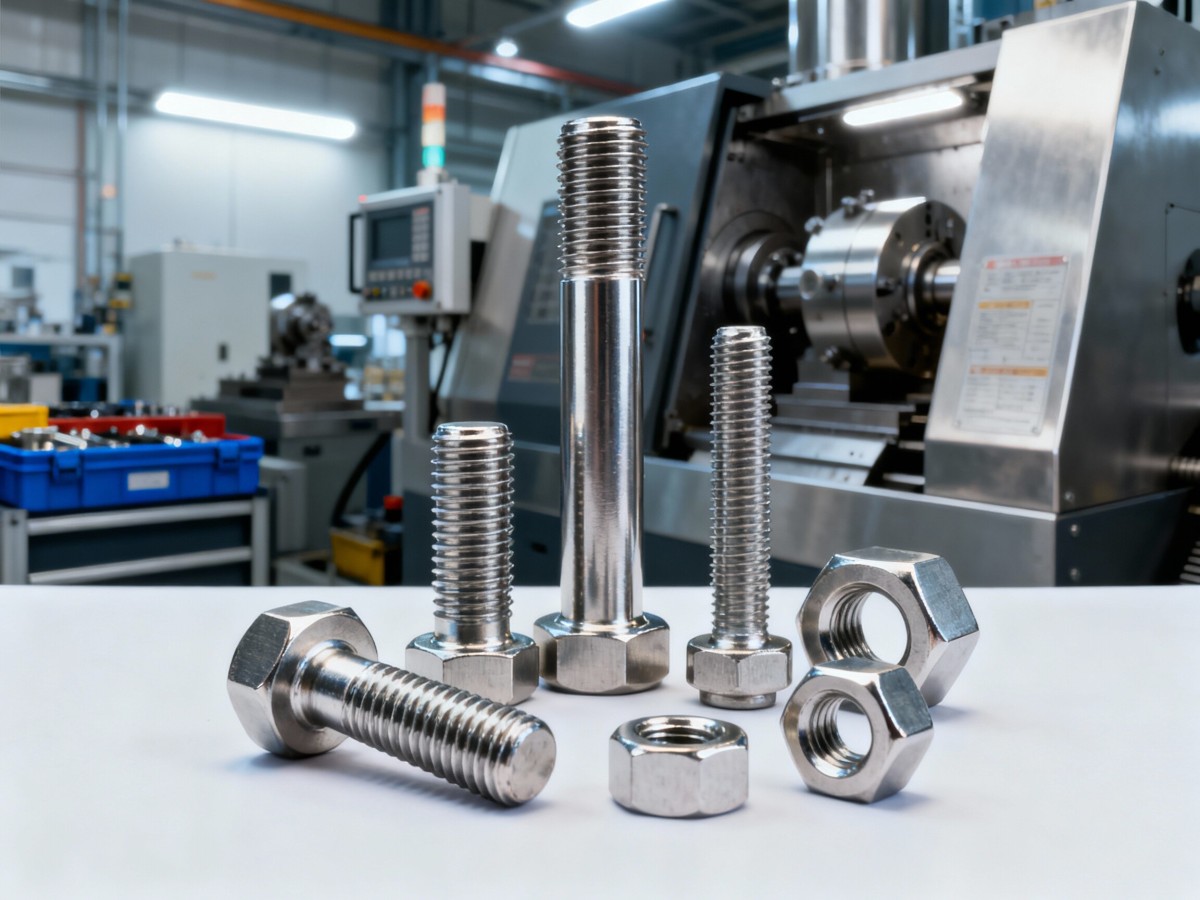
Keywords: corrosion resistant alloy fasteners, corrosion resistant bolts, corrosion resistant nuts, corrosion resistant screws, acid resistant fasteners, seawater resistant fasteners, chemical resistant fasteners, high temperature corrosion resistant fasteners, marine grade corrosion resistant fasteners, NACE compliant corrosion resistant fasteners, hastelloy fasteners, monel fasteners, inconel fasteners, titanium corrosion resistant fasteners, super duplex fasteners, corrosion proof fasteners, corrosion resistant threaded fasteners, corrosion resistant metal fasteners
Request A Quote! We'll respond as soon as possible(within 12 hours)
Get a Quote