
Categories List
Recent Posts
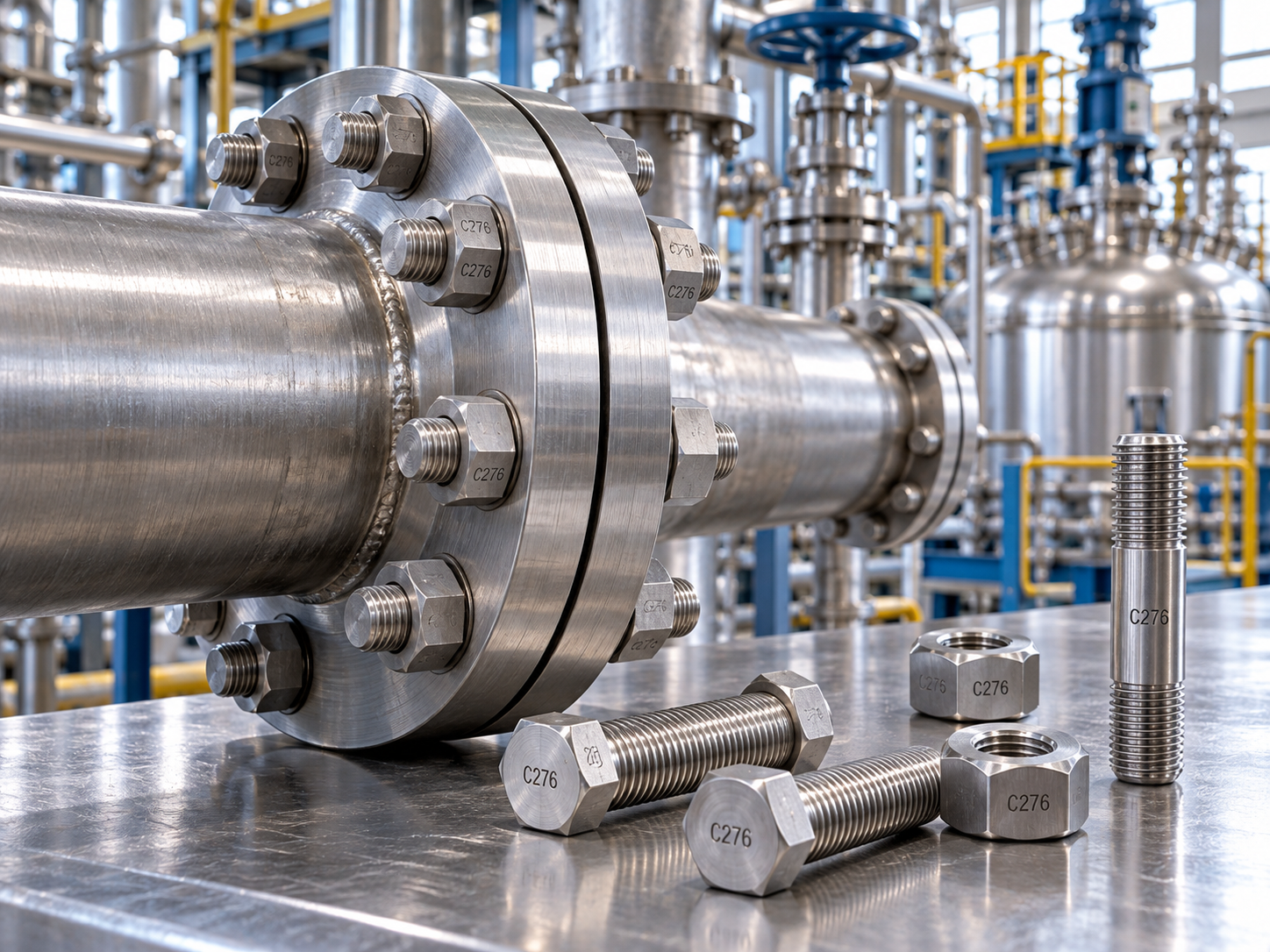
 Hastelloy C276 Fasteners: Bolts, Nuts, Screws, Studs & Washers for the World's Most Aggressive Corrosive Environments
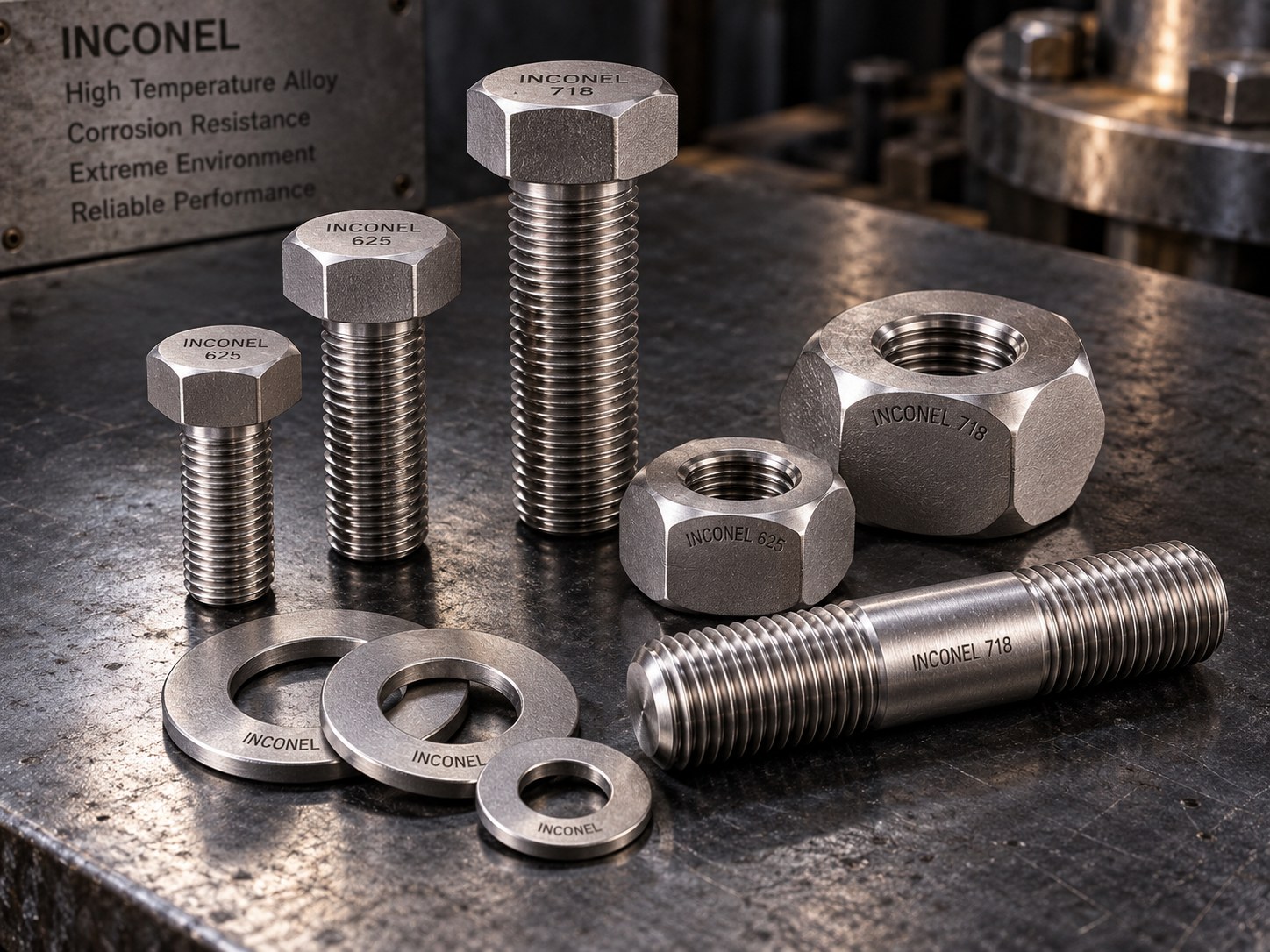
 Inconel Fasteners: Bolts, Nuts, Washers, Studs – Complete Technical Guide | RAYCHIN LIMITED
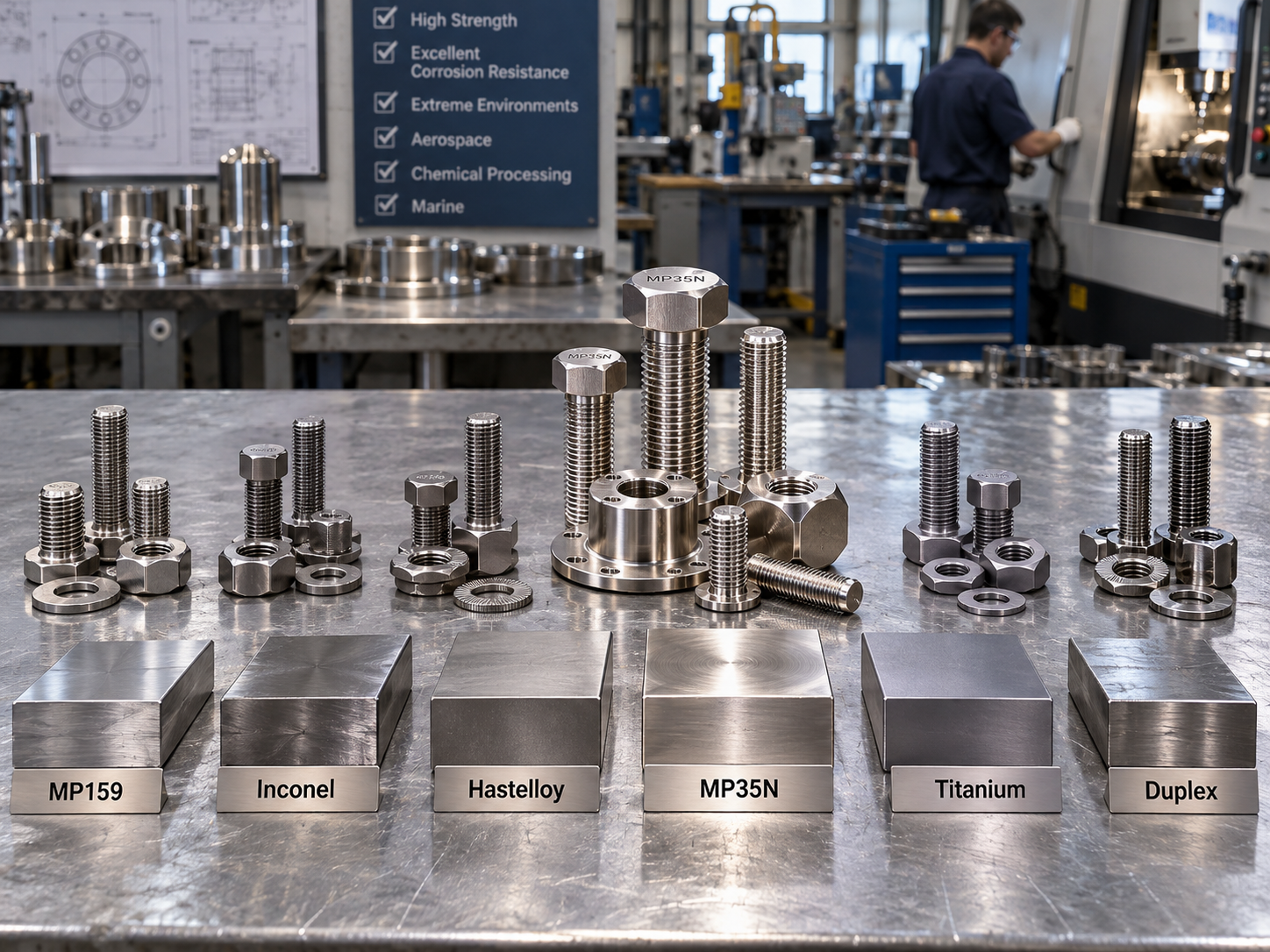
 MP35N vs Inconel, Titanium, C276, Complete Material Comparison Guide for Fasteners | RAYCHIN LIMITED
Engineering Excellence for Extreme Thermal Environments
In the relentless pursuit of performance in aerospace, power generation, and industrial processing, materials that can withstand extreme temperatures while maintaining structural integrity are paramount. Nimonic fasteners—including bolts, nuts, screws, and washers—represent a family of nickel-chromium superalloys specifically engineered to excel where conventional materials fail. As specialists in high-performance superalloy fasteners, RAYCHIN delivers precision-manufactured Nimonic fastening components that combine exceptional high-temperature strength with outstanding corrosion resistance. This comprehensive guide addresses critical technical questions about Nimonic fasteners while providing detailed engineering data for informed material selection.
Part 1: Scientific Foundation of Nimonic Alloys
1.1 Chemical Composition: Advanced Metallurgy for Extreme Conditions
Nimonic alloys are precipitation-hardening nickel-chromium superalloys with carefully balanced compositions optimized for specific temperature ranges:
Common Nimonic Grades for Fasteners:
Critical Element Functions:
Nickel: Provides austenitic matrix and oxidation resistance
Chromium: Enhances oxidation and hot corrosion resistance
Aluminum & Titanium: Form γ' (gamma prime) precipitates (Ni₃[Al,Ti]) for precipitation hardening
Cobalt: Increases solidus temperature and reduces γ' coarsening rate
Molybdenum: Solid solution strengthener and carbide former
RAYCHIN Quality Assurance: Our certified Nimonic fasteners are manufactured from material batches that undergo rigorous spectrographic analysis to ensure composition stays within optimal ranges for maximum high-temperature performance.
1.2 Mechanical Properties: Strength Retention at Elevated Temperatures
Nimonic alloys exhibit exceptional mechanical properties that are specifically optimized for high-temperature service:
Room Temperature Mechanical Properties:
Elevated Temperature Performance (Typical 1000°F/538°C):
Specialized Performance Characteristics:
Maximum Service Temperature: 1600-2100°F (870-1150°C) depending on grade
Creep Resistance: Excellent long-term deformation resistance
Thermal Fatigue Resistance: Superior resistance to crack initiation from thermal cycling
Oxidation Resistance: Excellent up to maximum service temperatures
Thermal Expansion Coefficient: 7.2-8.5 × 10⁻⁶/°F (13-15 × 10⁻⁶/°C)
Thermal Conductivity: 6-8 BTU·in/(hr·ft²·°F) (10-14 W/m·K)
Heat Treatment Requirements:
Solution Treatment: 1950-2150°F (1065-1175°C) depending on grade
Aging Treatment: 1300-1500°F (700-815°C) for 8-16 hours
Cooling: Controlled air cooling or furnace cooling depending on specific requirements
Part 2: Critical Technical Questions & Expert Answers
2.1 What distinguishes Nimonic alloys from other nickel-based superalloys?
Nimonic alloys occupy a specific niche in the superalloy hierarchy, offering distinct advantages:
RAYCHIN Engineering Insight: "Nimonic alloys provide an optimal balance of high-temperature strength, oxidation resistance, and relative fabricability for gas turbine fasteners and aerospace bolting applications where temperatures are consistently high but not extreme."
2.2 How does Nimonic 80A compare to Nimonic 90 for fastener applications?
This represents a common selection dilemma in turbine applications:
Application Rule: Use Nimonic 80A fasteners for established turbine designs up to 1500°F. Select Nimonic 90 fasteners for higher temperature applications or where maximum creep resistance is critical.
2.3 What are the machining and heat treatment challenges specific to Nimonic fasteners?
Machining Considerations:
Work Hardening: Pronounced tendency requires sharp, positive-rake carbide tools
Cutting Parameters: Low speeds (30-60 SFM), high feed rates, consistent chip load
Coolant Requirements: High-pressure coolant essential to control heat and prevent work hardening
Tool Wear: Accelerated compared to conventional alloys; regular tool inspection required
Heat Treatment Precision:
Solution Temperature Control: Critical ±25°F (±14°C) tolerance for optimal γ' dissolution
Aging Uniformity: Temperature uniformity within ±15°F (±8°C) throughout load
Cooling Rate Control: Specific cooling rates required to prevent undesirable precipitation
Stress Relief: May require intermediate stress relief during complex machining
RAYCHIN Manufacturing Excellence: Our specialized machining centers and controlled atmosphere heat treatment facilities are specifically configured for high-temperature superalloy fasteners, ensuring dimensional accuracy and optimal metallurgical properties.
Part 3: Industry-Specific Applications & Solutions
3.1 Aerospace & Aviation: Powering Flight at Extreme Conditions
Primary Applications:
Gas Turbine Fasteners: Combustion chamber bolts, turbine case bolts, compressor fasteners
Jet Engine Components: Afterburner fasteners, exhaust system bolts, thrust reverser hardware
Rocket Engine Hardware: Combustion chamber bolts, nozzle fasteners, structural components
Auxiliary Power Units (APUs): Fasteners for high-temperature sections
Performance Advantages:
Exceptional creep resistance under sustained high stress at temperature
Excellent oxidation resistance in high-velocity hot gas streams
Good thermal fatigue resistance for repeated thermal cycling
Proven reliability in critical flight applications
3.2 Power Generation: Reliability in Energy Production
Critical Applications:
Gas Turbine Fasteners: Bolts for industrial gas turbines in power plants
Heat Recovery Systems: Fasteners for HRSG (Heat Recovery Steam Generator) components
Nuclear Components: Fasteners for high-temperature reactor systems
Advanced Energy Systems: Bolting for concentrated solar power and advanced cycles
Technical Benefits:
Long-term stability in continuous high-temperature operation
Resistance to hot corrosion from fuel impurities
Compatibility with thermal barrier coatings
Reduced maintenance intervals compared to lower-grade materials
3.3 Industrial Processing: Strength in Manufacturing Excellence
Essential Applications:
Heat Treatment Equipment: Fasteners for furnaces, retorts, and radiant tubes
Chemical Processing: High-temperature reactor bolts and valve components
Glass Manufacturing: Fasteners for melting and forming equipment
Steel Production: Bolts for annealing lines and heat treating furnaces
Operational Advantages:
Maintain strength in reducing or oxidizing atmospheres
Resistance to carburization and nitriding environments
Long service life reducing production downtime
Consistent performance in cyclic thermal operations
3.4 Automotive & Motorsport: Performance Engineering
Specialized Applications:
Turbocharger Systems: Fasteners for high-performance turbo applications
Racing Engine Components: Bolts for exhaust manifolds and turbine housings
Advanced Braking Systems: High-temperature fasteners for performance brakes
Exhaust System Hardware: Bolts for high-temperature exhaust components
Performance Benefits:
Weight savings through higher strength-to-weight ratio
Reliability under extreme thermal cycling
Resistance to exhaust gas corrosion
Performance consistency in demanding conditions
Part 4: Comprehensive Material Comparison
4.1 Direct Performance Comparison Table
4.2 Selection Decision Matrix
Choose Nimonic Fasteners When:
Operating temperatures range from 1000-1600°F (538-870°C)
Excellent creep resistance is required for long-term high-stress applications
Oxidation resistance in high-velocity gas streams is critical
Proven reliability in gas turbine applications is needed
Good fabricability relative to other superalloys is important
Consider Alternatives When:
Maximum corrosion resistance is primary concern (consider higher chromium alloys)
Operating temperatures exceed 1600°F (Haynes alloys may be better)
Room temperature strength is the dominant requirement (Inconel 718 may be superior)
Cost constraints are severe (A286 may be adequate)
Part 5: The RAYCHIN Engineering Advantage for Nimonic Fasteners
5.1 Specialized Manufacturing Capabilities
Superalloy Machining Expertise: Decades of experience machining high-temperature nickel alloys
Precision Heat Treatment: Controlled atmosphere furnaces with exacting temperature uniformity
Advanced Thread Technology: Optimized thread forms for high-temperature applications
Quality Verification: Comprehensive testing including elevated temperature mechanical testing
5.2 Technical Support Services
Material Selection Guidance: Helping identify the optimal Nimonic grade for your application
Heat Treatment Optimization: Custom aging treatments for specific performance requirements
Failure Analysis: Metallurgical laboratory services for performance investigation
Application Engineering: Custom fastener designs for unique thermal challenges
5.3 Certification & Compliance
Material Standards: Full compliance with BS HR 6, AMS, and customer specifications
Testing Capabilities: Stress rupture, creep, thermal fatigue, and oxidation testing
Traceability: Complete documentation from melt to finished fastener
Industry Approvals: Aerospace, power generation, and defense quality systems
Engineering Thermal Excellence with Nimonic Fasteners
Nimonic fasteners represent a class of engineered solutions specifically optimized for the demanding thermal environments of modern technology. With their exceptional balance of high-temperature strength, creep resistance, and oxidation resistance, they enable performance and reliability where conventional materials cannot survive.
The RAYCHIN Commitment: We deliver more than just precision Nimonic fasteners—we provide thermal engineering solutions backed by metallurgical expertise and manufacturing excellence. Our comprehensive approach ensures that every Nimonic bolt, nut, screw, and washer performs reliably in your most demanding high-temperature applications.
Next Steps for Your Project:
Thermal Analysis Consultation: Contact our engineering team for temperature-specific recommendations
Grade Selection: Discuss which Nimonic grade best meets your performance requirements
Prototype Development: Request custom samples for testing and validation
Production Partnership: Leverage our manufacturing expertise for reliable supply
Contact RAYCHIN today to discuss how certified Nimonic fasteners can enhance the performance, reliability, and efficiency of your aerospace, power generation, or industrial applications. Request our Nimonic Fastener Technical Guide or schedule a consultation with our thermal engineering specialists.
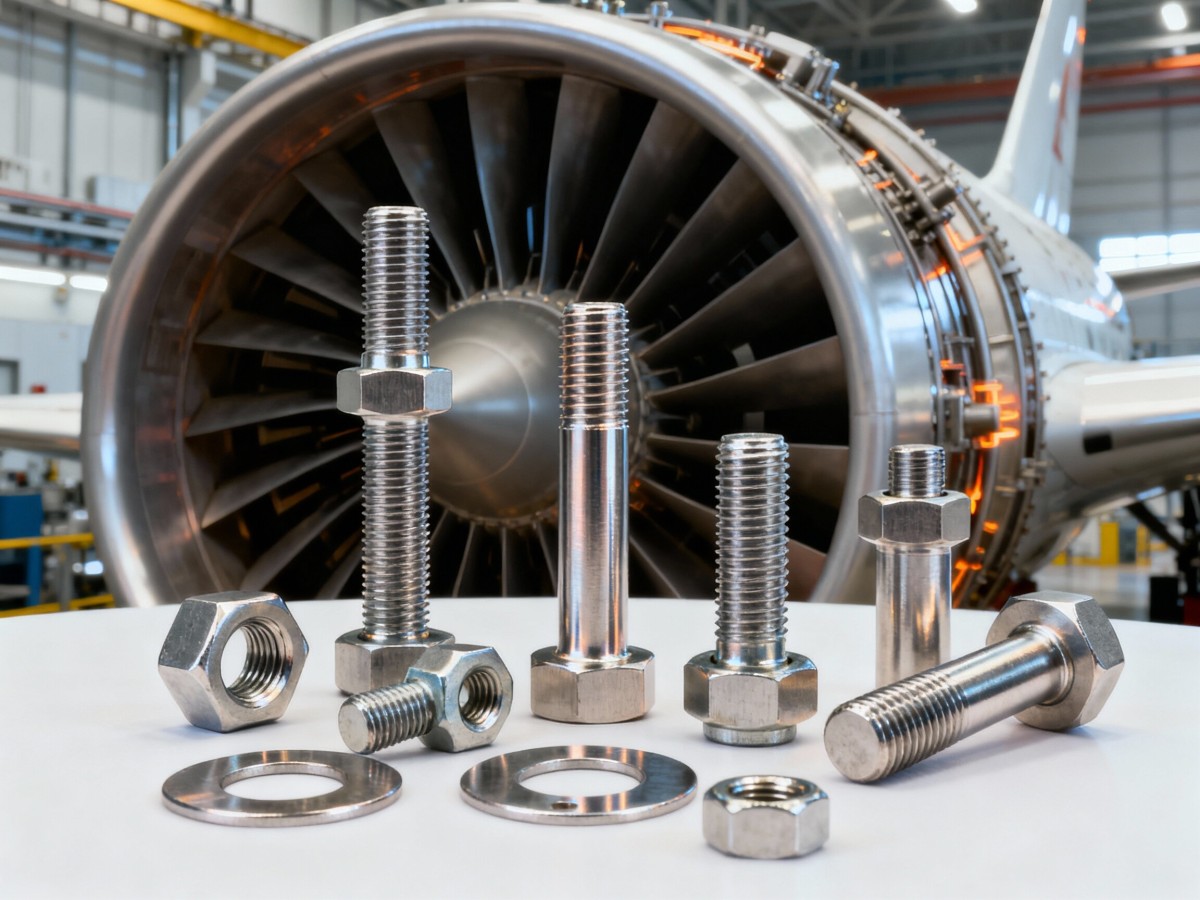
Nimonic fasteners, Nimonic 80A bolts, nickel-chromium superalloy fasteners, high-temperature fasteners, gas turbine bolts, aerospace superalloy fasteners, Nimonic 90 fasteners, high-temperature corrosion resistant fasteners, precipitation hardening nickel alloy fasteners, turbine engine fasteners, RAYCHIN Nimonic manufacturer, BS HR 6 fasteners, creep resistant fasteners, oxidation resistant fasteners, thermal fatigue resistant bolts, jet engine fasteners, industrial gas turbine bolts, Nimonic vs Inconel, Nimonic chemical composition, Nimonic mechanical properties.
Request A Quote! We'll respond as soon as possible(within 12 hours)
Get a Quote