
Zirconium Nuts
• Hydrochloric Acid • Sulfuric Acid • Formic Acid • Nitric Acid • Acetic Acid
It is also a metal that offers industry unique properties. It does not absorb neutrons, making it ideal for use in nuclear power and at low temperatures it is superconductive, making it ideal for super magnets.
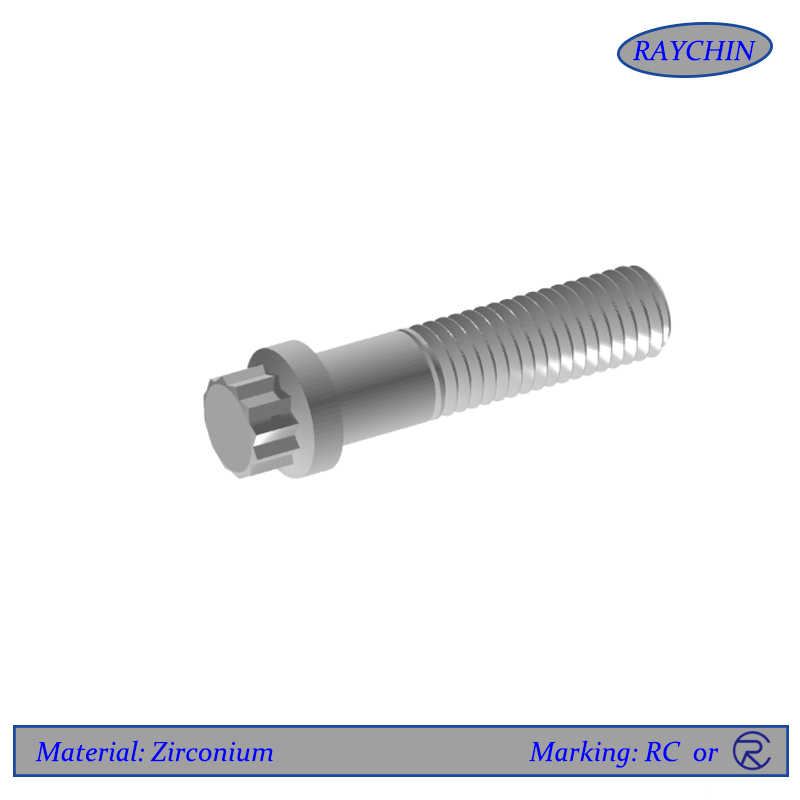
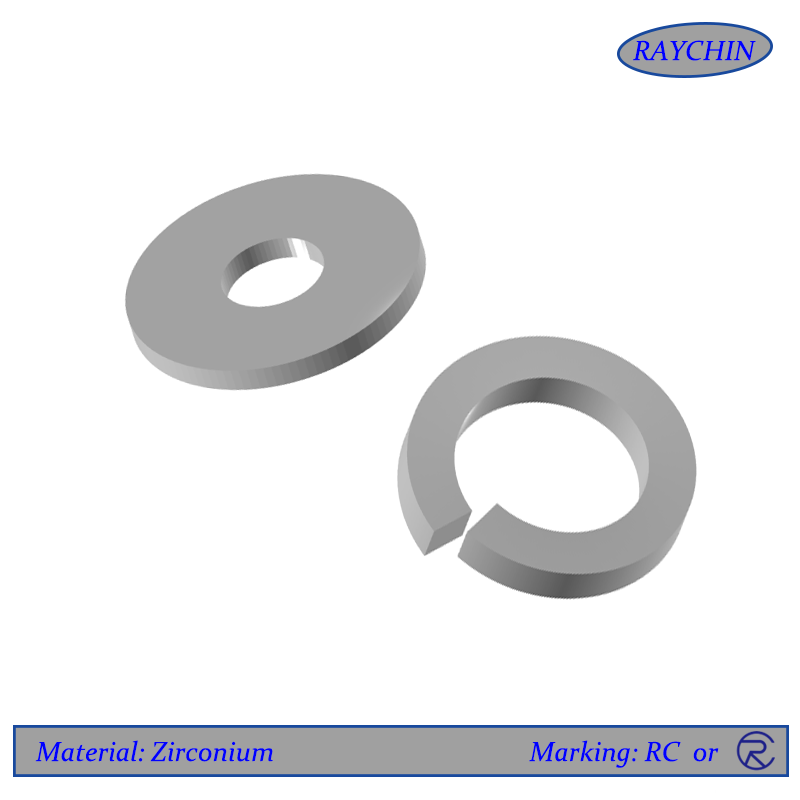
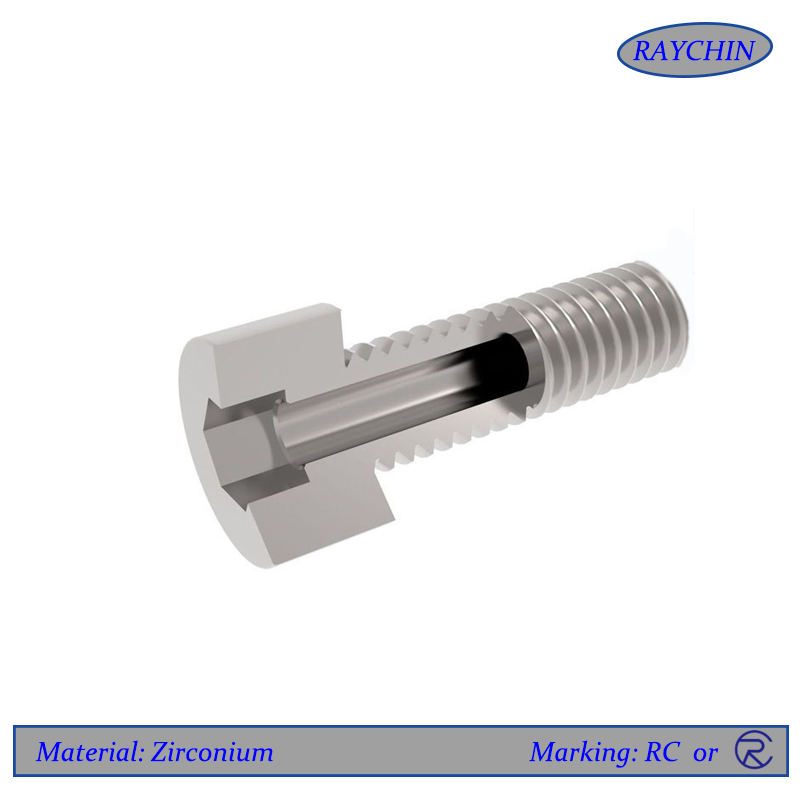
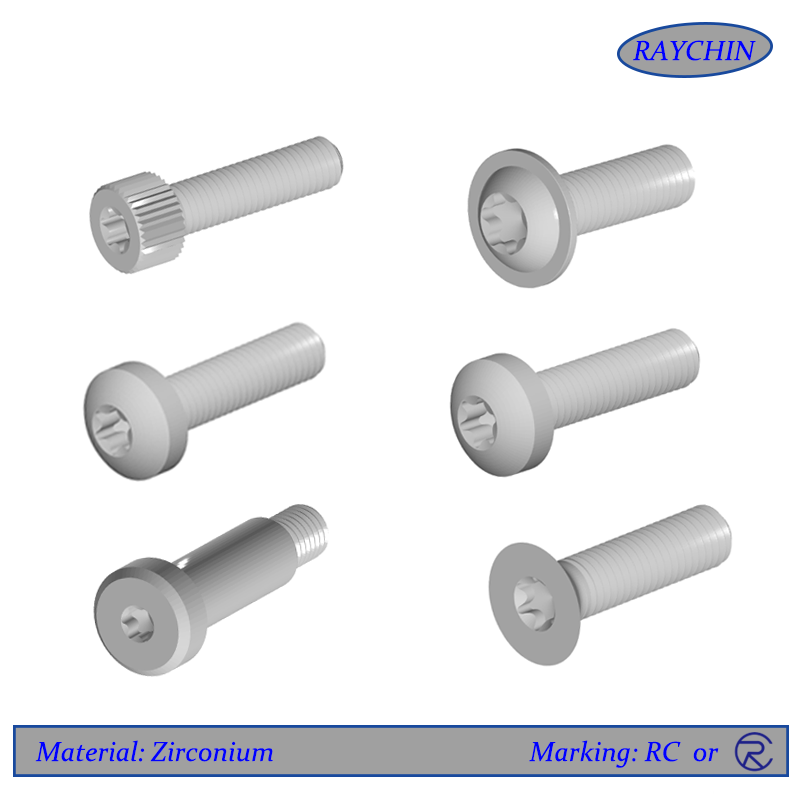
RAYCHIN SPECIALTY METALS FASTENERS: BOLTS, NUTS, SCREWS, WASHERS, STUDS, THREADED RODS, U-BOLT, J-BOLTS
STANDARD AND CUSTOMIZED, SMALL BATCH AND LARGE BATCH, IMPERIAL AND METRIC
Hydrochloric Acid Resistance
Zirconium is also resistant to most organic media and is considered one of the most corrosion resistant materiala in virtually all acetic acid solutions.
For strong acids and severe corrosion
Good mechanical & physical properties
Excellent corrosion resistance
Request a Quote from RAYCHIN
We're here to help!
RAYCHIN LIMITED
Zirconium Nuts · Hex Nuts · Lock Nuts · Heavy Hex Nuts · Jam Nuts · Inch & Metric · Zr 702 / Zr 705Zirconium Nuts: Extreme Corrosion Resistant Hex Nuts & Lock Nuts for Acid & Nuclear Applications
RAYCHIN LIMITED is a leading manufacturer of Zirconium Nuts – precision hex nuts, lock nuts, heavy hex nuts, and jam nuts produced from commercially pure zirconium (Zr 702) and zirconium-niobium alloy (Zr 705), delivering exceptional corrosion resistance in the most aggressive acidic environments, combined with reliable performance in nuclear, chemical processing, and pharmaceutical applications. Zirconium nuts are critical components in bolted assemblies, providing secure clamping force and thread engagement while maintaining integrity under extreme corrosive conditions. Zirconium is a refractory metal with a melting point of 1855°C (3371°F) and unique corrosion resistance – outperforming all other engineering metals in hydrochloric acid, sulfuric acid, and organic acids. Zirconium also features extremely low thermal neutron absorption (0.18 barns), making it the material of choice for nuclear reactor core components. Our product line includes Zr 702 nuts (commercially pure) for maximum corrosion resistance and Zr 705 nuts (Zr-2.5%Nb) for enhanced mechanical strength – all manufactured to the highest precision standards with full traceability. Our portfolio includes all standard and custom configurations manufactured to NAS, AN, MS, ANSI, ASTM, ASME, SAE, API, NACE, ISO, DIN and KS standards, including ASTM B493, ASME SB493, ASTM B550, ISO 4032, and DIN 934. Whether you require zirconium nuts for chemical reactor linings, nuclear fuel handling equipment, or pharmaceutical processing systems, RAYCHIN delivers precision, quality, and full traceability. All mechanical properties are presented in MPa and ksi (kilopound per square inch).
Zirconium Nuts – Comprehensive Product Range
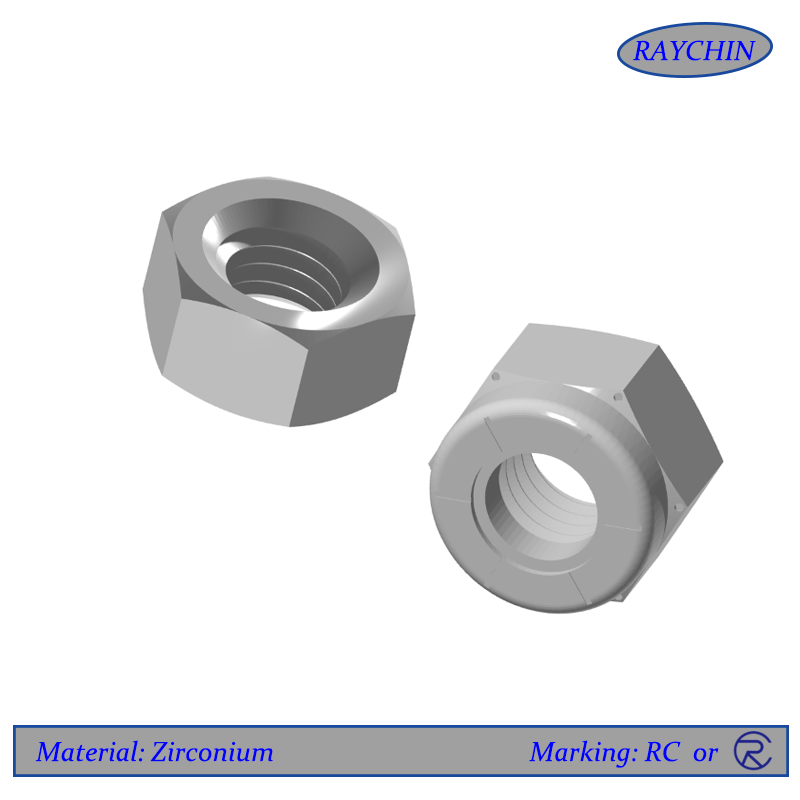
Hex Nuts
Zirconium hex nuts are precision manufactured fasteners with internal threads designed to mate with bolts and studs in highly corrosive environments. Available in inch series per ASME B18.2.2 and metric series per ISO 4032 / DIN 934. Configurations include standard hex, heavy hex (increased bearing surface for high-load applications), thin hex (jam nuts), and slotted nuts. Diameters from M3 to M48 (#0 to 2"). Ideal for general-purpose lightweight bolting applications in chemical and nuclear industries where weight reduction and corrosion resistance are critical.
Lock Nuts (Self-Locking)
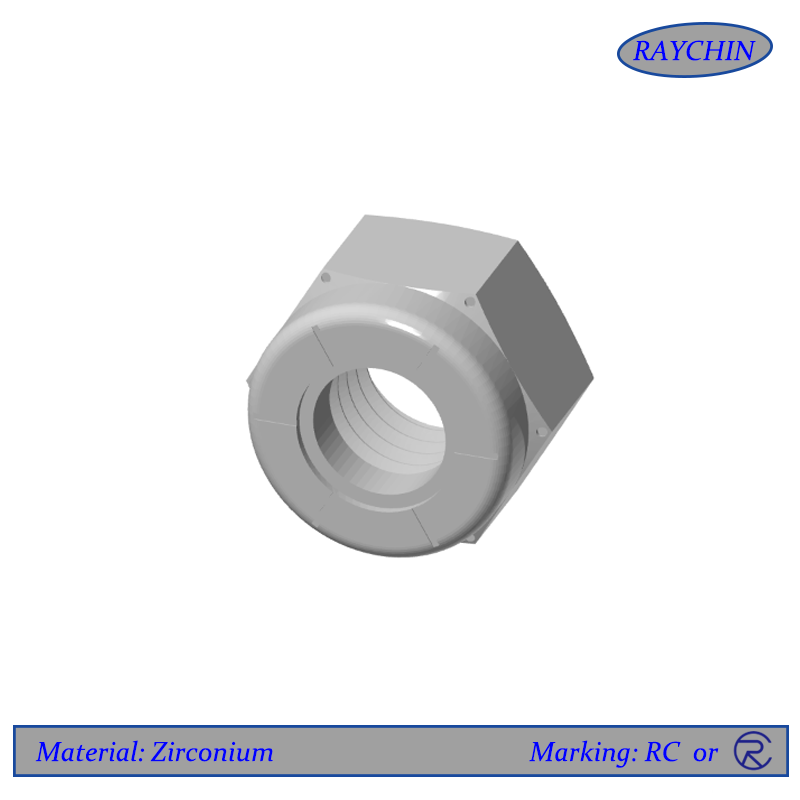
Zirconium lock nuts feature integrated locking mechanisms that resist loosening under vibration and thermal cycling. Available in all-metal flexloc designs (segmented collar that creates locking fingers) for high-temperature applications up to 400°C, and polymer insert types (nylon, Vespel, PVDF) for applications requiring frequent disassembly. Lock nuts are essential for reactor internals, pressure vessels, and pump assemblies where vibration and thermal cycling are present.
Heavy Hex & Jam Nuts
Zirconium heavy hex nuts provide increased bearing surface area for high-load applications in pressure vessels and heavy industrial equipment. Zirconium jam nuts (thin hex nuts) are used for locking applications where space is limited. Available in all zirconium grades with full traceability and material certification. Heavy hex configurations per ASME B18.2.2 and API 6A specifications for high-pressure flange connections.
Zr 702 Nuts (Commercially Pure)
Zr 702 nuts are produced from commercially pure zirconium (UNS R60702), meeting ASTM B493 and ASTM B550 specifications. Purity ≥ 99.2% zirconium + hafnium (with hafnium typically 1-3%). This grade offers the highest corrosion resistance of all zirconium alloys – virtually immune to attack by hydrochloric acid (all concentrations up to boiling), sulfuric acid (up to 70% concentration, well above boiling point), nitric acid (all concentrations up to 90%, to 200°C), and most organic acids. Used in chemical processing equipment, heat exchangers, and nuclear applications where maximum corrosion resistance is required.
Zr 705 Nuts (Zr-2.5%Nb)
Zr 705 nuts are produced from zirconium-niobium alloy (UNS R60705) with 2-3% niobium addition, meeting ASTM B493 and ASTM B550 specifications. The niobium addition increases strength by approximately 50% compared to Zr 702 while maintaining excellent corrosion resistance. Minimum tensile strength 552 MPa vs. 379 MPa for Zr 702. Preferred for applications requiring higher mechanical loads in corrosive environments, such as pressure vessel internals, pump components, and structural parts in chemical plants.
Custom & Non-Standard Zirconium Nuts
Need special thread forms, non-standard drive configurations, custom locking features, or unique shapes (flange nuts, cap nuts, coupling nuts)? RAYCHIN engineers design and produce custom zirconium nuts to your exact specifications – any grade (Zr 702, Zr 705) – any condition (annealed, stress-relieved) – with full material traceability. Available with passivated or electropolished finishes. Prototype to production volumes supported. Cleanroom packaging available for pharmaceutical and nuclear applications.
Critical Applications of Zirconium Nuts
Chemical Processing
Zirconium nuts are extensively used in chemical processing equipment including reactor vessels, heat exchangers, distillation columns, and piping systems handling highly corrosive media. Zirconium exhibits virtually zero corrosion rate in hydrochloric acid at all concentrations and temperatures up to boiling point – outperforming all other engineering metals. In 37% HCl, zirconium nuts do not begin to show substantial corrosion until 130°C (266°F). Used in dye manufacturing, polymer production (for strong acids), and specialty chemical processing where material purity must be maintained.
Nuclear Industry
Zirconium nuts are essential in nuclear reactor applications due to zirconium's exceptionally low thermal neutron absorption cross-section (0.18 barns). Over 70% of all zirconium produced is used in nuclear power plants for fuel cladding and reactor core structural components. Nuts are used in fuel handling equipment, control rod mechanisms, and reactor internals where corrosion resistance and neutron transparency are critical. Zr 705 provides enhanced strength for structural applications.
Pharmaceutical Manufacturing
Zirconium nuts in pharmaceutical processing equipment including bioreactors, fermenters, and purification systems. Zirconium's corrosion resistance ensures no metal contamination of sensitive pharmaceutical products – critical for meeting cGMP requirements. Commonly used with nitric acid for the production of ammonium nitrate for fertilizers. Nuts are used in pressure vessel flange connections and valve assemblies requiring corrosion resistance and cleanability.
Aerospace & Defense
Zirconium nuts are employed in aerospace applications including aircraft engines, airframes, and structural components due to their lightweight nature, high strength, and corrosion resistance. Used in critical aerospace applications where reliability and durability are essential, such as fastening components in spacecraft and satellites. Zirconium's resistance to nitric acid makes it valuable in rocket propellant systems.
Marine & Offshore
Zirconium nuts in seawater heat exchangers, desalination plants, and marine propulsion systems. Zirconium offers superior resistance to seawater corrosion. Used in pump components, valve internals, and heat exchanger tube sheets where long-term reliability in marine environments is essential. Lock nuts are used in high-vibration marine applications.
Pharmaceutical & Bioprocessing
Zirconium nuts in pharmaceutical manufacturing equipment including bioreactors, fermenters, and purification systems. Zirconium's corrosion resistance ensures no metal contamination of sensitive pharmaceutical products. The self-locking feature prevents loosening under vibration in agitated vessels. All-metal designs eliminate concerns about polymer degradation in sterilization cycles.
International Standards & Global Designations – Zirconium Nuts
RAYCHIN LIMITED manufactures zirconium nuts from vacuum arc remelted (VAR) or electron beam melted material conforming to the most widely used national and international specifications. All material is traceable to the mill with complete certifications.
Chemical Composition (Weight %) – Zirconium Alloys
Our zirconium nuts are produced from vacuum arc remelted (VAR) or electron beam melted material conforming to the limits of applicable ASTM B493 and B550 standards.
Zirconium 702 (UNS R60702) – Commercially Pure
Zirconium 705 (UNS R60705) – Zr-2.5%Nb Alloy
Metallurgical note: Zirconium is a refractory metal with a hexagonal close-packed crystal structure at room temperature. It exhibits exceptional corrosion resistance due to the formation of a stable, adherent, and self-healing oxide layer (ZrO₂) that provides protection in the most aggressive acidic environments. Zirconium is virtually immune to attack by hydrochloric acid at all concentrations up to boiling, outperforming all other engineering metals with the exception of tantalum. In sulfuric acid, zirconium is resistant to concentrations up to 70% at temperatures well above boiling. It also exhibits excellent resistance to nitric acid, phosphoric acid, and most organic acids. Zirconium has the lowest thermal neutron absorption cross-section of all common structural metals (0.18 barns), making it the material of choice for nuclear reactor core components. The addition of 2-3% niobium in Zr 705 provides solid solution strengthening, increasing tensile strength by approximately 50% while maintaining excellent corrosion resistance.
Complete Mechanical & Physical Properties – Zirconium Alloys (MPa / ksi)
Zirconium nuts are supplied in annealed condition per applicable ASTM specifications. Data represent typical values based on ASTM B493 and B550 standards.
Mechanical Properties – Zirconium Alloys (Annealed Condition)
Physical Properties – Zirconium Alloys
High-Temperature Mechanical Properties – Zr 705
Maximum continuous service temperature in corrosive environments: 400°C (752°F). Zirconium begins to oxidize rapidly above 500°C in air.
High‑Temperature Performance of Zirconium Nuts
Zirconium is a refractory metal with excellent high-temperature strength and stability in vacuum or inert atmospheres. During hypothetical loss-of-coolant accident scenarios in nuclear reactors, zirconium alloy fuel claddings are exposed to steam at high temperatures up to 1200°C. For standard service in corrosive environments, zirconium nuts maintain useful mechanical properties up to 400°C (752°F). In oxidizing atmospheres, zirconium forms a protective oxide layer (ZrO₂) at moderate temperatures but may oxidize above 500°C in air. Therefore, zirconium nuts are typically specified for high-temperature applications in vacuum, inert gas, or reducing atmospheres.
Elevated Temperature Capabilities
Exceptional Corrosion Resistance of Zirconium Nuts
Zirconium is renowned for its outstanding corrosion resistance, often outperforming all other engineering metals in aggressive acidic environments. The material forms a stable, adherent, and self-healing oxide layer (ZrO₂) that provides protection against a wide range of corrosive media.
Corrosion Resistance to Common Media
- Hydrochloric Acid: Zirconium nuts exhibit corrosion rates less than 5 mpy (0.13 mm/year) at all concentrations and temperatures in excess of boiling point. In 37% HCl, zirconium does not begin to show substantial corrosion until 130°C (266°F). This performance is unmatched by any other engineering metal with the exception of tantalum. In 10% HCl at boiling point, Hastelloy C276 experiences 288 mpy corrosion while zirconium exhibits nil corrosion even when aerated.
- Sulfuric Acid: Excellent resistance to sulfuric acid up to 70% concentration at temperatures well above boiling. Outperforms Alloy 20 and C-276 in sulfuric acid service.
- Nitric Acid: Zirconium can be used in all concentrations of nitric acid up to 90% and temperatures up to 200°C – comparable to tantalum and superior to most stainless steels.
- Organic Acids: Excellent resistance to acetic acid, formic acid, oxalic acid, and other organic acids at all concentrations up to boiling. Zirconium is considered one of the most corrosion-resistant materials in virtually all acetic acid solutions.
- Neutral Solutions: In neutral solutions such as sulfates, nitrates, bichromates and chlorides (except ferric and cupric chloride), zirconium is also perfectly resistant.
- Alkali Resistance: In highly concentrated alkalis, zirconium exhibits higher resistance than titanium.
- Limitations: Zirconium is rapidly attacked by hydrofluoric acid, ferric chloride, cupric chloride, and other oxidizing halides. Even small amounts of oxidizing media will greatly decrease its corrosion resistance. Use in the presence of fluoride ions is not recommended, even at low concentrations. Wet chlorine gas and chlorine water cause corrosion (unlike titanium, which is resistant).
- Galvanic Corrosion: Zirconium is noble and can be safely coupled with most metals, but may accelerate corrosion of less noble materials.
- Nuclear Properties: Zirconium's low thermal neutron absorption cross-section (0.18 barns) makes it ideal for nuclear reactor applications.
Manufacturing Standards – Zirconium Nuts
All zirconium nuts are manufactured and tested to meet the following standards:
We offer surface finishes: plain (as-machined), passivated, or electropolished. Controlled annealing processes per ASTM specifications ensure consistent mechanical properties. Specialized CNC machining and tapping for accurate nut geometry with Class 2B/3B/6H thread fit. 100% inspection available including dimensional inspection, proof load testing, density verification, and non-destructive examination. Full traceability and material test reports (MTR) with mill certifications available per EN 10204 3.1. AS9100 and ISO 9001:2015 certified quality management. ISO 13485 certified for medical applications with cleanroom packaging available. Build-to-print specials to customer specifications are available.
Why RAYCHIN LIMITED – The Zirconium Nut Authority
Contact the zirconium nut experts
Request a quotation for zirconium nuts, hex nuts, lock nuts, heavy hex nuts, jam nuts – any standard (ISO 4032, DIN 934, ASME B18.2.2) – any grade (Zr 702, Zr 705) – any quantity. Global delivery. Mechanical and corrosion data in MPa/ksi available for all products. Nuclear-grade zirconium available with complete traceability.
sales@ray-chin.com | +86 534 2166 566Our team provides technical support in English, German, Mandarin, Japanese. Request a quote, sample requests, and material evaluation available.
Request A Quote! We'll respond as soon as possible(within 12 hours)
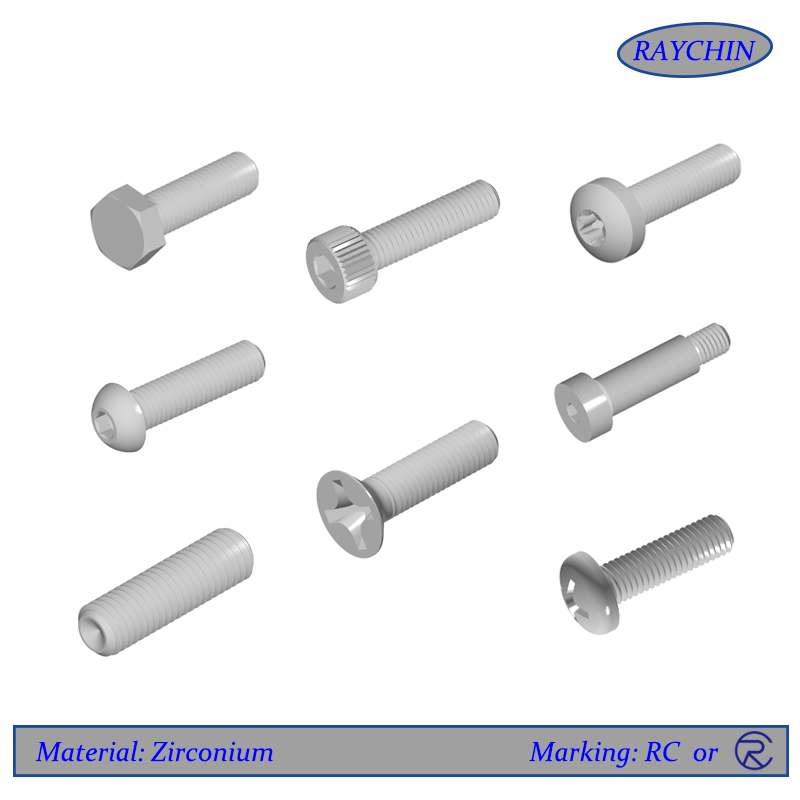
 Zirconium Fasteners
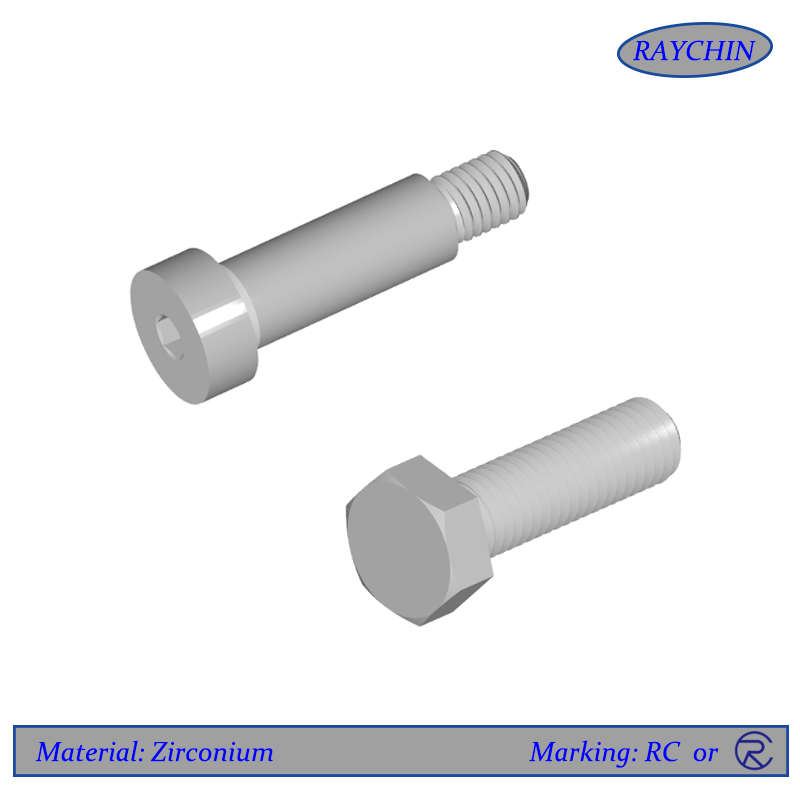
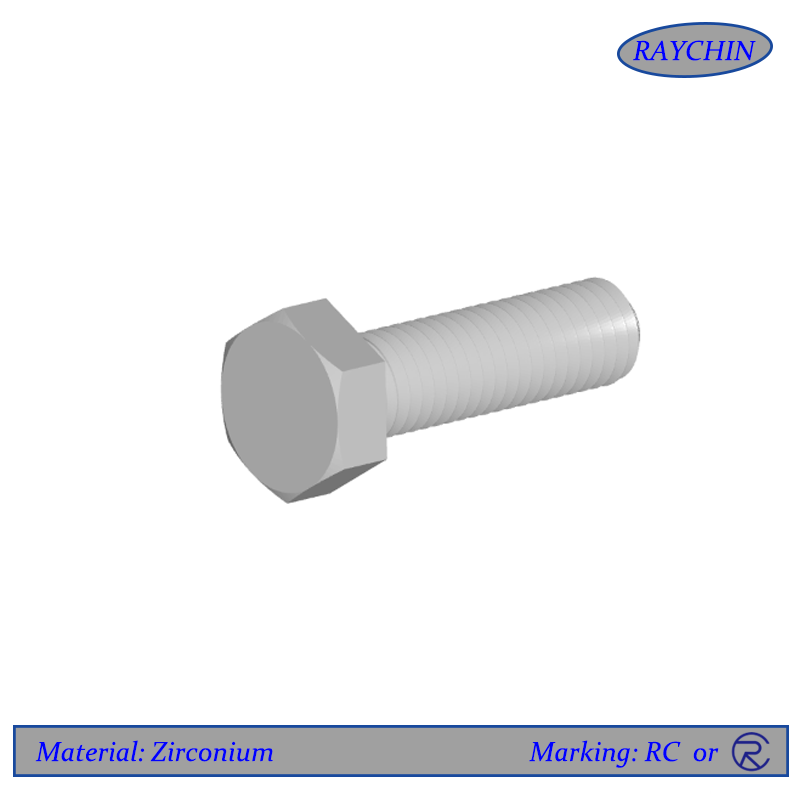
 Zirconium Hex Bolts
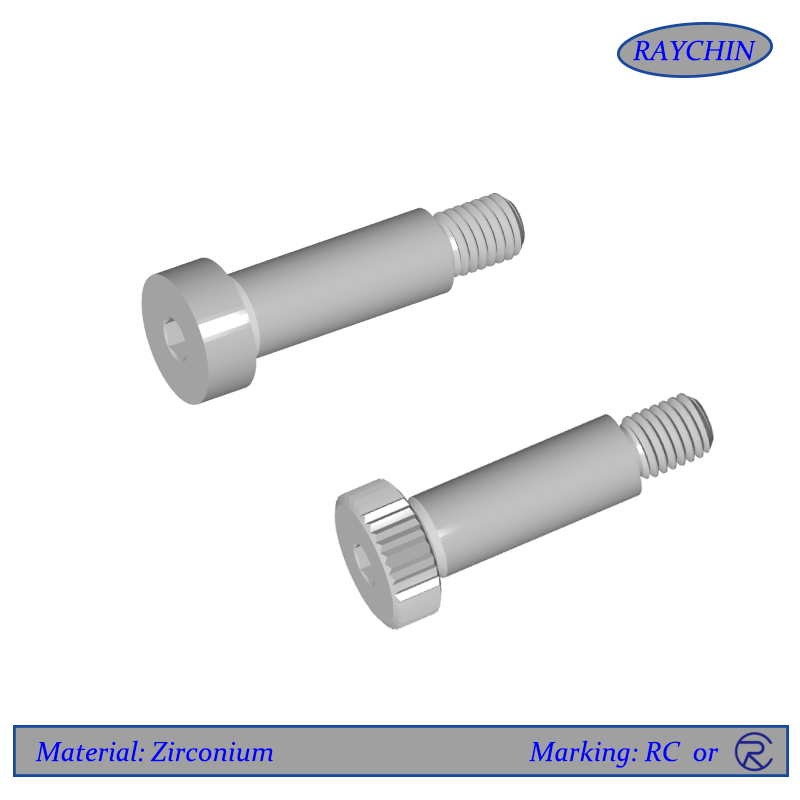
 Zirconium Shoulder Bolts
 Zirconium Hex Nuts
 Zirconium Lock Nuts
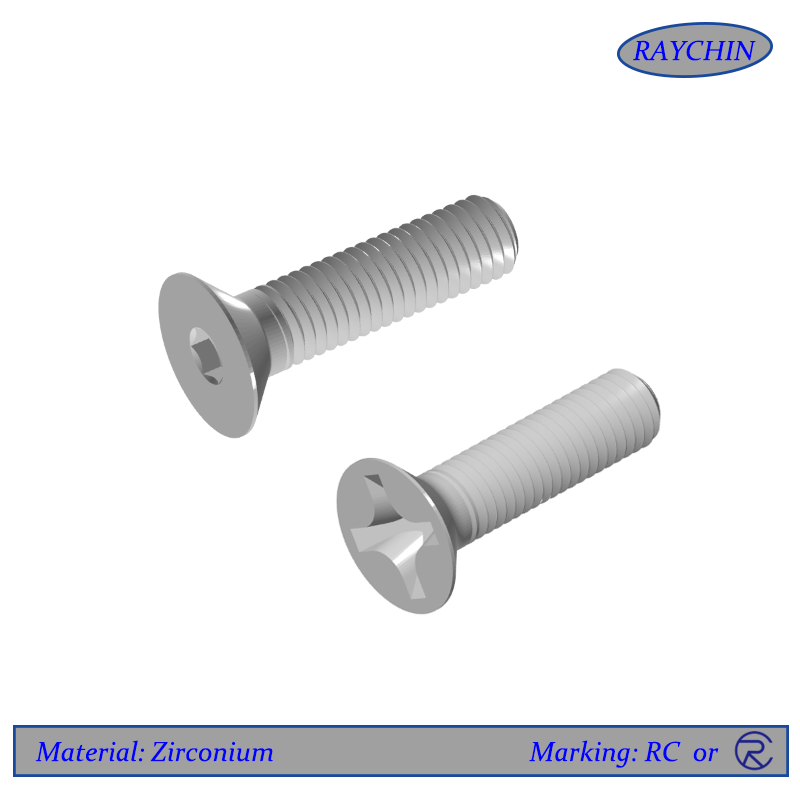
 Zirconium Flat Head Screws
 Zirconium Hex Cap Screws
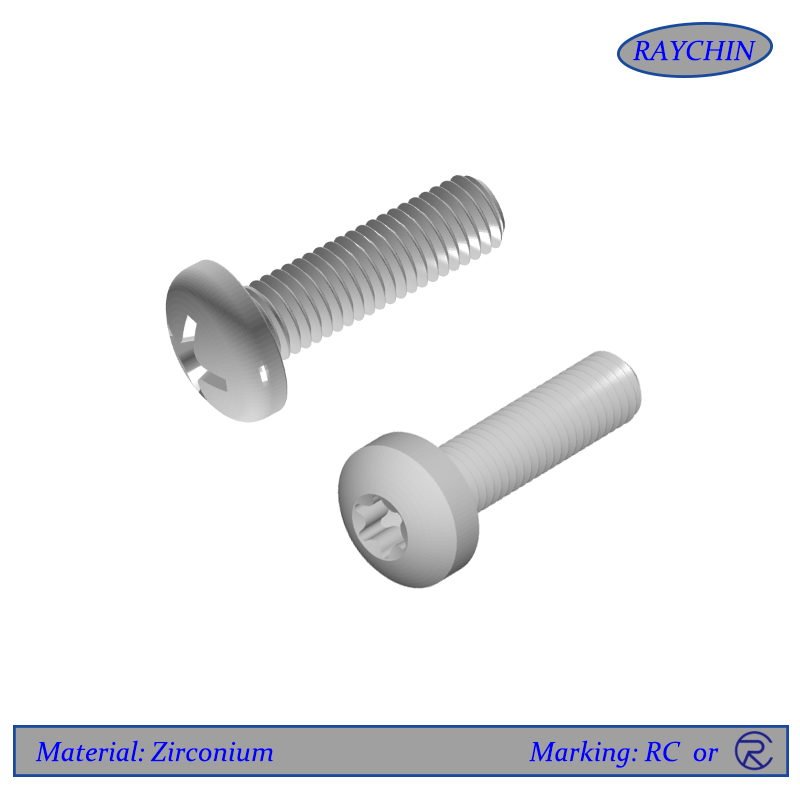
 Zirconium Pan Head Screws
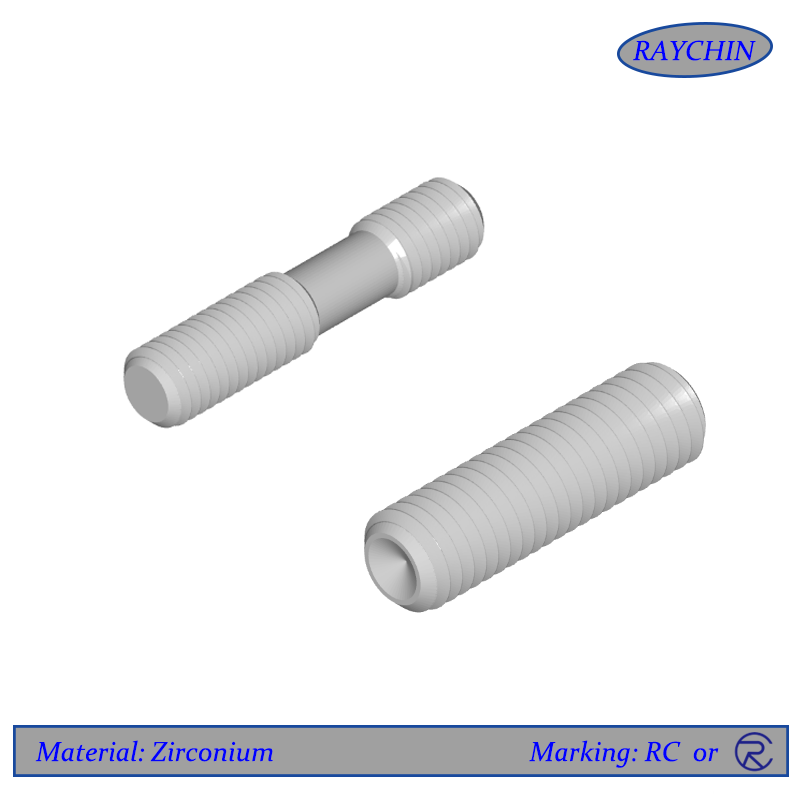
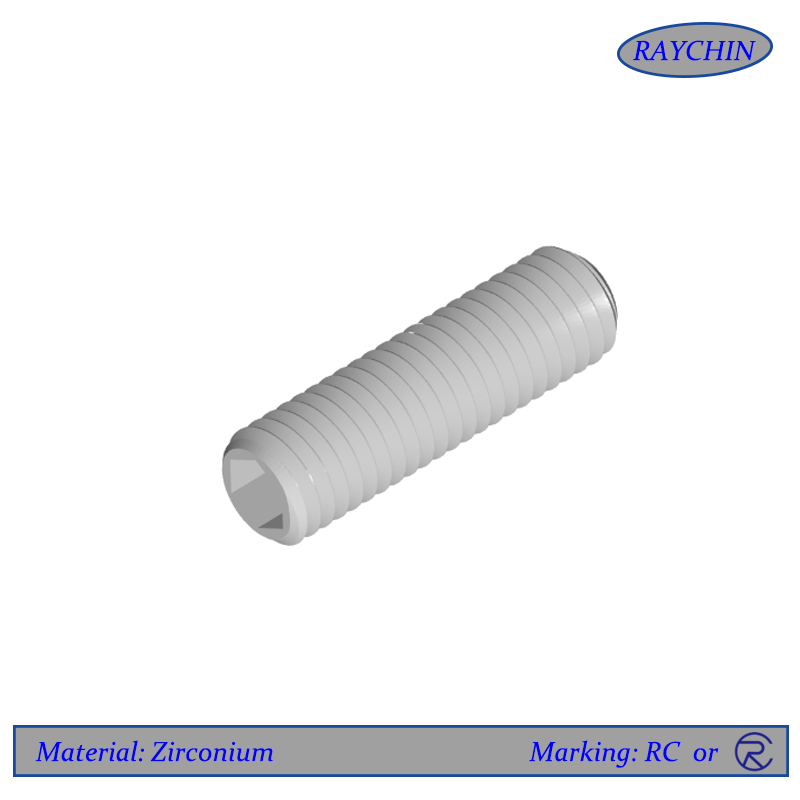
 Zirconium Set Screws
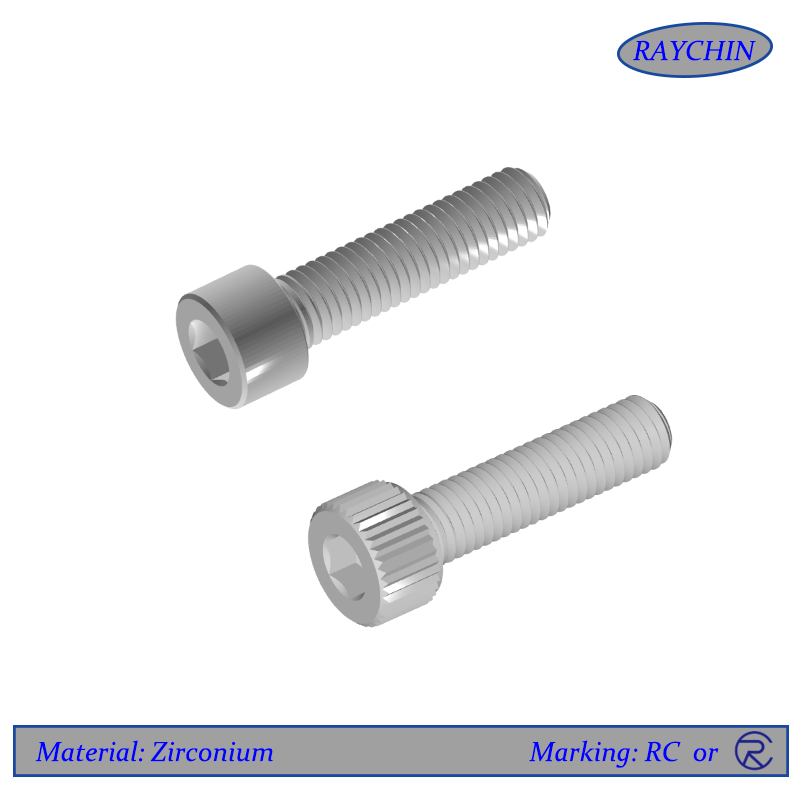
 Zirconium Socket Head Cap Screws
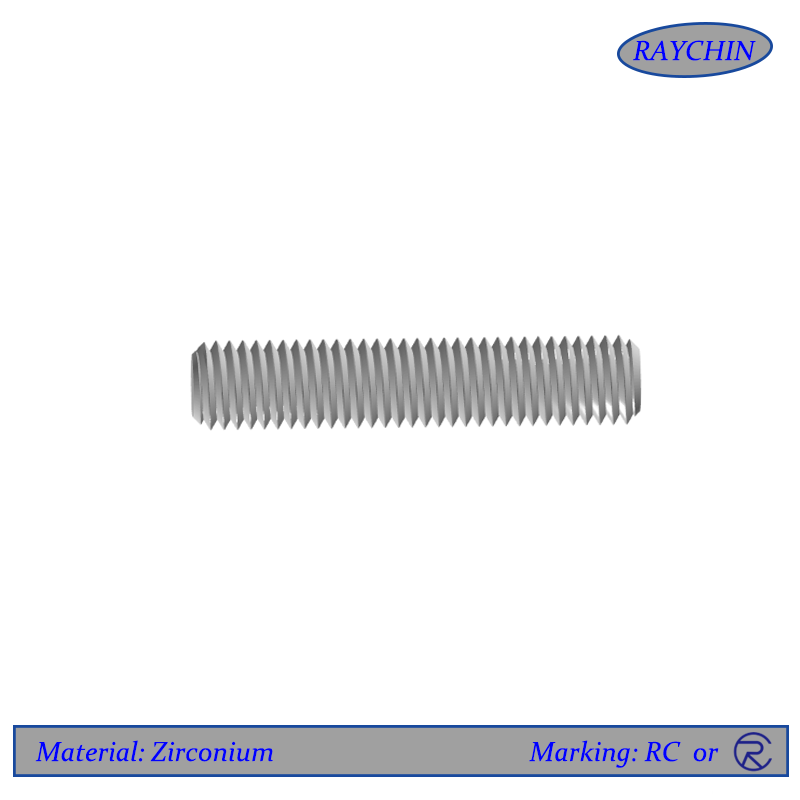
 Zirconium Threaded Rods
 Zirconium Studs
 Zirconium Washers
 Zirconium Screws
 Zirconium Nuts
 Zirconium Bolts
Get a Quote