
Tantalum Nuts
Tantalum Nuts are also extremely stable at high temperatures, since tantalum has a melting point around 3000°C. High temperature applications require vaccum or inert gas since tantalum may embrittle when used in oxygen rich environments above 250°C. Tantalum Nuts are also one of the most bio-compatible metals available and is also radio-opaque due to its high density (16.68 g/cm3).
All tantalum Nuts are available in commercially pure tantalum and tantalum 2.5% tungsten (Ta-2.5%W).
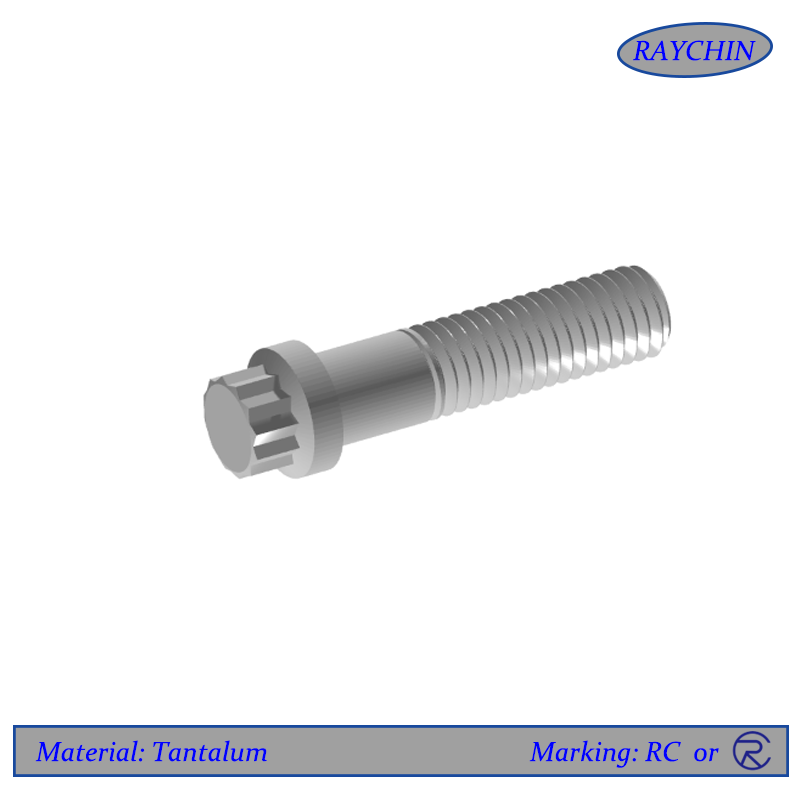
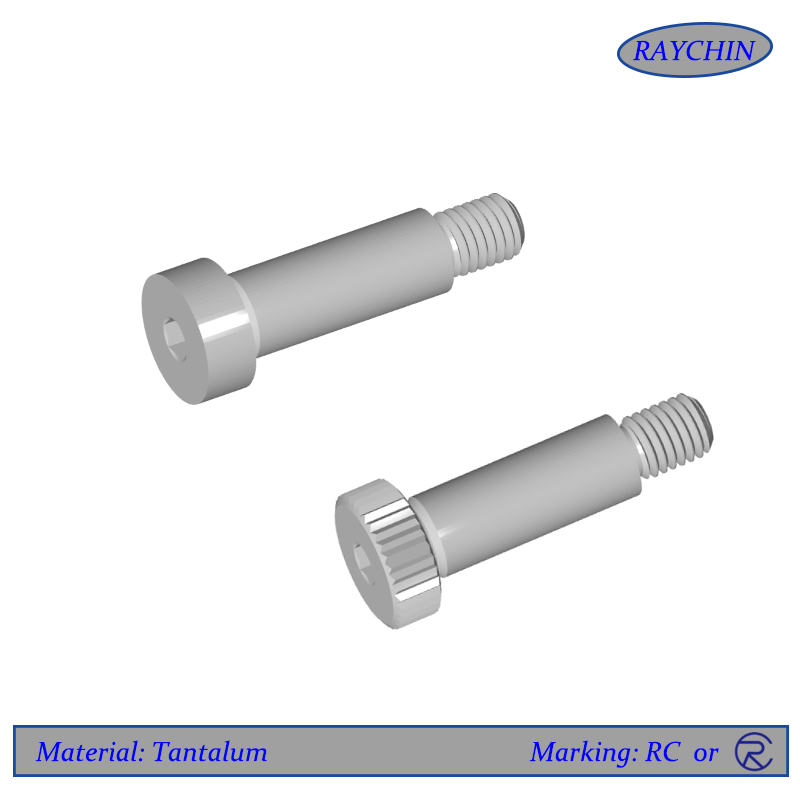
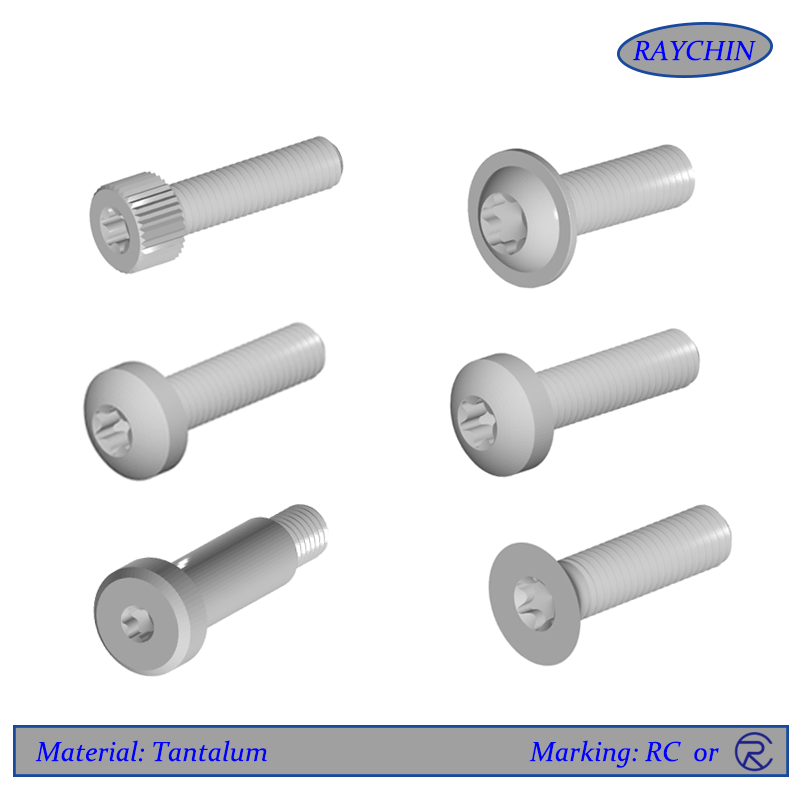
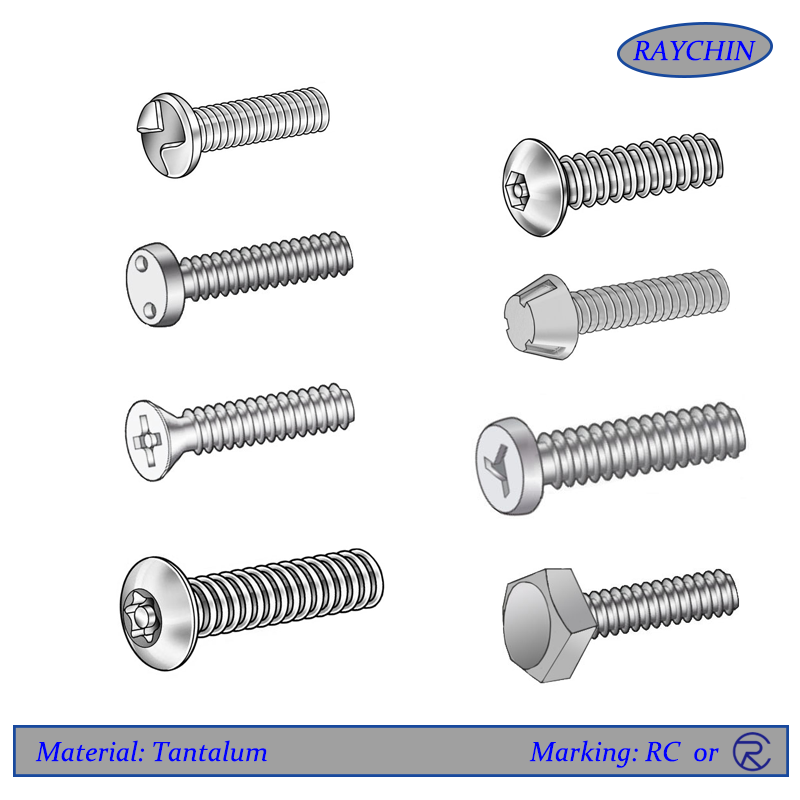
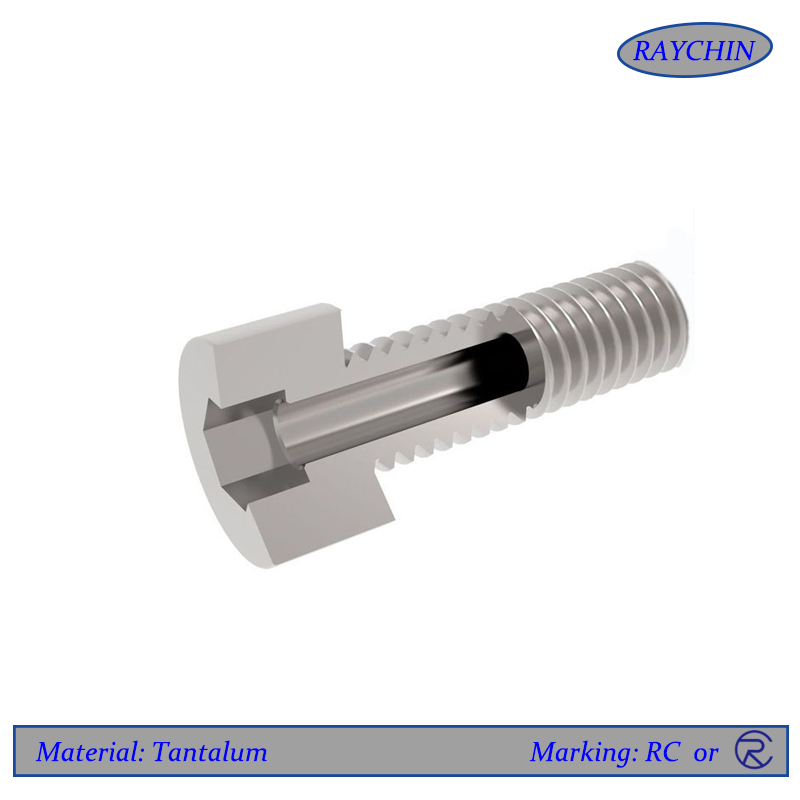
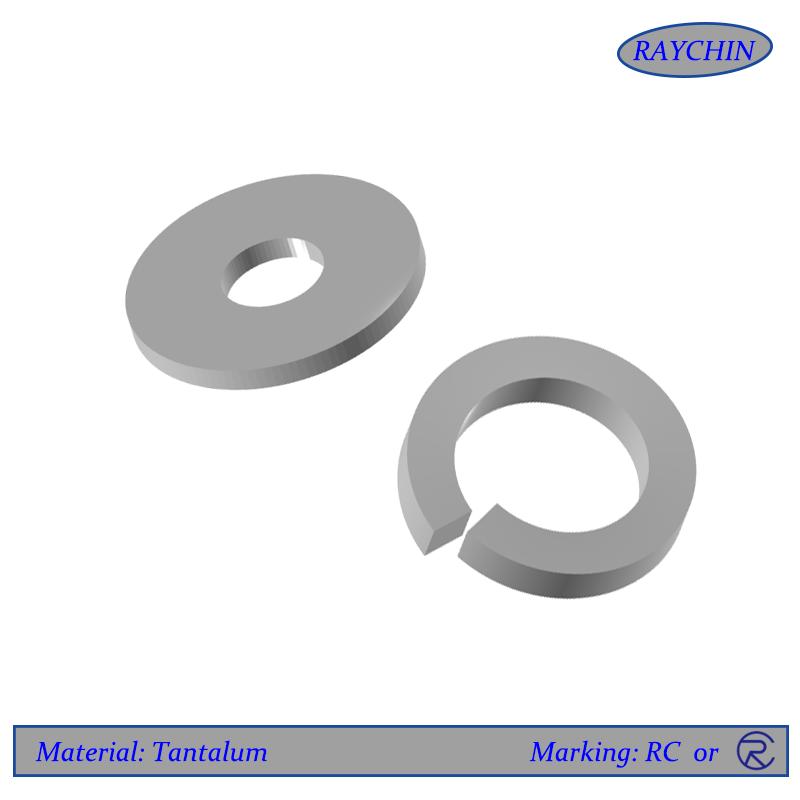
RAYCHIN SPECIALTY METALS FASTENERS: BOLTS, NUTS, SCREWS, WASHERS, STUDS, THREADED RODS, U-BOLT, J-BOLTS
STANDARD AND CUSTOMIZED, SMALL BATCH AND LARGE BATCH, IMPERIAL AND METRIC
Immune to numerous acids and chemicals
Better corrosion resistance than nickel alloys, titanium or zirconium
High strength and stiffness in vacuum and inert gas up to 2000°C (3600°F)
Can become brittle when used in oxygen above 300°C
High purity and biocompatibilty
Request a Quote from RAYCHIN
We're here to help!
RAYCHIN LIMITED
Tantalum Nuts · Hex Nuts · Heavy Hex · Jam Nuts · Lock Nuts · Coupling Nuts · R05200 / R05400 / Ta-10WTantalum Nuts: Ultra‑High Performance Refractory Metal Nuts for Extreme Environments
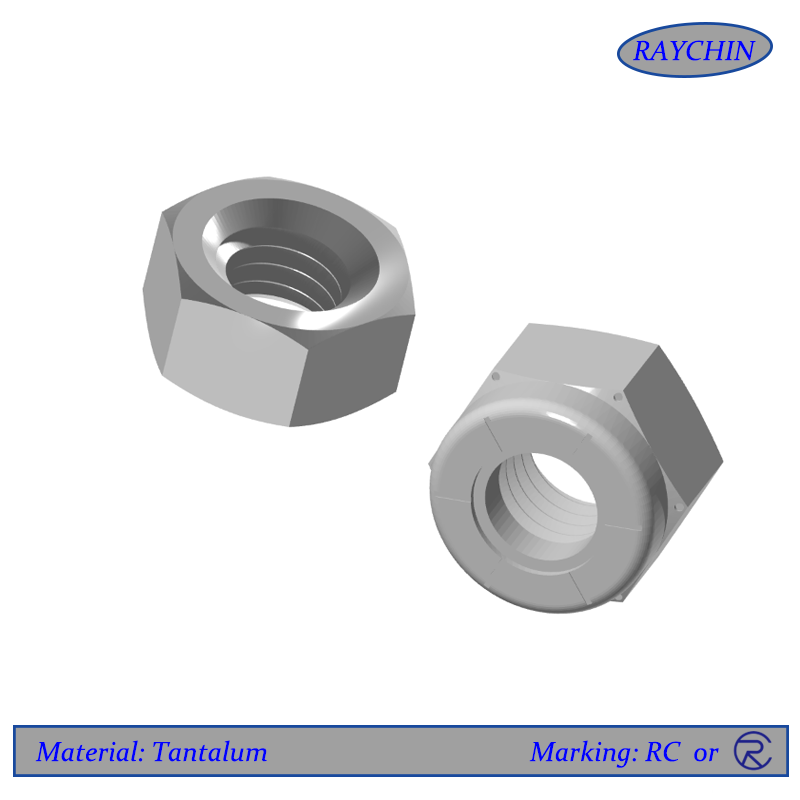
RAYCHIN LIMITED is a world‑leading manufacturer of Tantalum nuts – a comprehensive range of precision nuts produced from pure tantalum and tantalum alloys. Tantalum is a rare, refractory metal with a melting point of 2996°C, exceptional corrosion resistance (comparable to glass), and outstanding biocompatibility. These properties make tantalum nuts the ultimate choice for the most demanding applications in chemical processing, aerospace, medical implants, semiconductor manufacturing, and nuclear industries. Our product line encompasses all major nut types including Tantalum hex nuts, Tantalum heavy hex nuts, Tantalum jam nuts, Tantalum lock nuts, Tantalum coupling nuts, and custom nuts – all manufactured to the highest precision standards. Tantalum is virtually inert to attack by most acids, including hydrochloric acid, nitric acid, sulfuric acid, and aqua regia, below 150°C. It forms a stable, protective oxide layer (Ta₂O₅) that provides exceptional corrosion resistance. Our portfolio includes all standard and custom configurations manufactured to NAS, AN, MS, ANSI, ASTM, ASME, SAE, API, NACE, ISO, DIN and KS standards. Whether you require Tantalum nuts for chemical reactor internals, medical implants, or high‑temperature vacuum furnace assemblies, RAYCHIN delivers precision, quality, and full traceability. All mechanical properties are presented in MPa and ksi.
Tantalum Nuts – Complete Product Range
Hex Nuts & Heavy Hex Nuts
Tantalum hex nuts and heavy hex nuts are manufactured to ASME B18.2.2 (inch series) and ISO 4032 / DIN 934 (metric series). Available in diameters from M2 to M48 (#0 to 1½"). Standard thread classes: 6H (metric) and 2B (inch). Heavy hex nuts per ASME B16.5 for flange connections. Ideal for high‑purity chemical reactors, semiconductor processing equipment, and medical implant assemblies where corrosion resistance and non‑magnetic properties are critical. Tantalum hex nuts offer a density of 16.6 g/cm³ and maintain structural integrity at temperatures up to 2000°C in vacuum or inert atmospheres. Available in styles 1 and 2, with chamfered or washer-faced options.
Jam Nuts & Lock Nuts
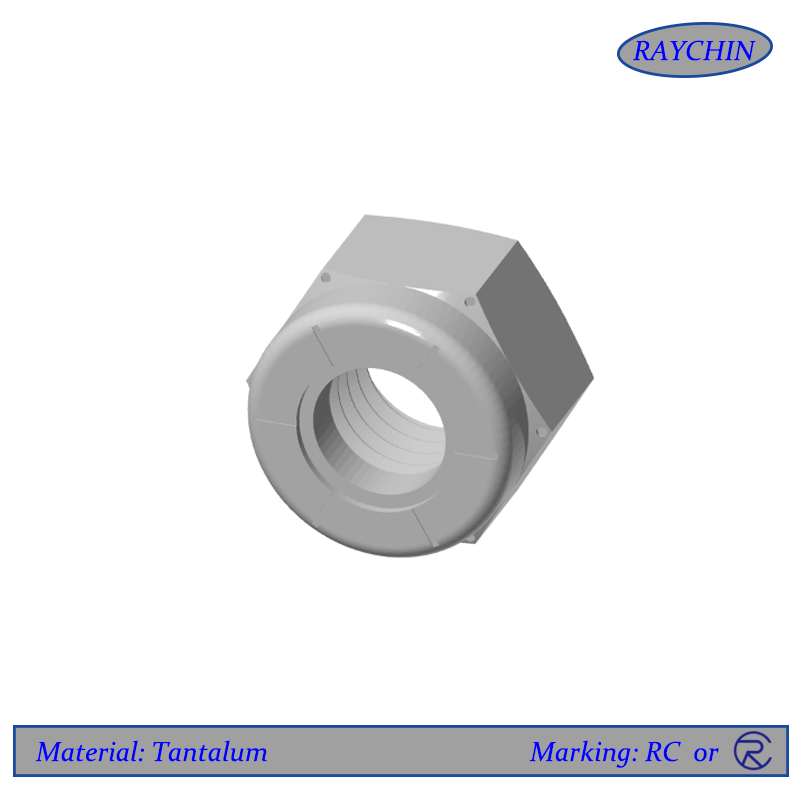
Tantalum jam nuts (thin nuts) and lock nuts are designed for applications where space is limited or where positive locking is required. Jam nuts conform to ASME B18.2.2 and ISO 4035 / DIN 936. Lock nuts available with nylon inserts (nylock) or all-metal prevailing torque designs per IFI 100/107. Used in high‑vibration environments such as aircraft engines, chemical pumps, and furnace assemblies. Tantalum's excellent galling resistance and self‑lubricating properties ensure reliable locking even after repeated assembly cycles.
Coupling Nuts
Tantalum coupling nuts (extension nuts) are longer than standard nuts and designed to connect two threaded rods or studs. Manufactured to ASME B18.2.2 and DIN 6334. Available in various lengths and thread sizes. Extensively used in chemical processing equipment, heat exchanger assemblies, and high‑temperature furnace supports where extended thread engagement is required. Tantalum coupling nuts provide exceptional corrosion resistance in aggressive media such as hydrochloric acid, sulfuric acid, and aqua regia below 150°C.
Flange Nuts
Tantalum flange nuts incorporate an integrated flange that distributes the clamping load over a wider area, eliminating the need for a separate washer. Available in inch (ASME B18.2.2) and metric (ISO 4161 / DIN 6923) configurations. Ideal for high‑temperature flange connections in turbine casings, exhaust systems, and petrochemical equipment where vibration and thermal cycling are present. Tantalum flange nuts provide excellent resistance to chloride pitting and crevice corrosion in marine environments.
Slotted Nuts & Castle Nuts
Tantalum slotted nuts and castle nuts feature slots cut across the flats to accommodate a cotter pin or safety wire. Manufactured to ASME B18.2.2 and DIN 935 / ISO 7038. Used in aerospace applications, shaft end fastening, and critical assemblies where positive locking is required. Tantalum's high strength and biocompatibility make these nuts suitable for medical implant devices and surgical instrumentation where secure fixation is essential.
Custom & Non‑Standard Nuts
Need special configurations, proprietary thread forms, non‑standard widths, or unusual heights? RAYCHIN engineers design and produce custom Tantalum nuts to your exact specifications – any condition (annealed, stress relieved, Ta-10W), with full material traceability. Prototype to production volumes supported. Cleanroom wash and packaging available for medical and semiconductor applications.
Critical Applications of Tantalum Nuts
Chemical Processing
Tantalum nuts are extensively used in chemical reactors, heat exchangers, distillation columns, and piping systems handling aggressive media such as hydrochloric acid, sulfuric acid, nitric acid, and aqua regia. Tantalum is virtually immune to attack by all acids except hydrofluoric acid. Tantalum nuts provide reliable fastening in equipment where even high‑nickel alloys fail. Used in chlor‑alkali plants, pharmaceutical synthesis, and specialty chemical manufacturing for reactor baffles, packing supports, and thermowell holders. Corrosion rates in boiling sulfuric acid are as low as 0.0004 mm/year at 175°C.
Aerospace & Defense
Tantalum nuts in rocket nozzles, jet engine components, missile guidance systems, and satellite assemblies. Tantalum's high melting point (2996°C), excellent high‑temperature strength, and resistance to thermal shock make it ideal for extreme environments. Tantalum alloy (Ta-10W) nuts are used in combustion chambers, exhaust nozzles, and heat shields where temperatures exceed 1500°C. They serve as critical fasteners in high‑specification aerospace systems. Tantalum's low vapor pressure ensures no contamination of critical components in vacuum environments.
Medical Implants
Tantalum nuts are widely used in orthopedic implants, spinal fixation systems, cranial plates, and dental prosthetics. Tantalum is completely biocompatible, non‑toxic, and not rejected by the human body. It exhibits osseointegration properties, allowing bone tissue to grow into porous tantalum structures. Tantalum is radiographically visible, enabling post‑operative imaging without artifacts. ASTM F560 (R05200, R05400) specifies the requirements for tantalum used in surgical implant applications. Tantalum hex nuts and lock nuts provide excellent long‑term stability in vivo.
Semiconductor Manufacturing
Tantalum nuts in semiconductor processing equipment, including CVD reactors, ion implanters, and sputtering systems. Tantalum's low vapor pressure, high purity, and resistance to corrosive process gases make it essential for critical applications. Tantalum nuts are used in wafer handling systems, chamber components, and heater assemblies where metallic contamination cannot be tolerated. High‑purity tantalum (99.95%+) ensures process integrity. Tantalum's thermal stability and resistance to plasma etching make it ideal for plasma chamber fasteners.
Nuclear Industry
Tantalum nuts in nuclear fuel processing, waste treatment, and reactor components. Tantalum exhibits excellent resistance to corrosion by molten salts and liquid metals, and maintains its mechanical properties under radiation. Used in spent fuel reprocessing equipment, nuclear waste vitrification vessels, and experimental reactor assemblies. Tantalum's low thermal neutron capture cross-section makes it suitable for certain nuclear applications. Tantalum nuts provide reliable fastening in radioactive environments where long‑term stability is essential.
High‑Temperature Vacuum Furnaces
Tantalum nuts used in vacuum furnace hot zones, heating elements, heat shields, and support structures. Tantalum maintains strength at temperatures exceeding 2000°C in vacuum or inert atmospheres. Tantalum nuts secure heating elements and radiation shields in furnaces for sintering, brazing, and heat treating. Tantalum's low vapor pressure ensures no contamination of processed materials. Ta-10W alloy nuts are preferred for load‑bearing applications at the highest temperatures, offering superior creep resistance and thermal stability.
International Standards & Global Designations – Tantalum Nut Materials
RAYCHIN LIMITED manufactures Tantalum nuts from material conforming to the most widely used national and international specifications. All material is traceable to the mill.
Chemical Composition (Weight %) – Tantalum Alloys for Nuts
Our Tantalum nuts are produced from material conforming to the limits of applicable ASTM, AMS, and ASME standards. High‑purity grades available up to 99.99% (4N).
Pure Tantalum (UNS R05200 / R05400) – ASTM B365 / F560
Tantalum-Tungsten Alloys (Ta2.5W / Ta10W) – ASTM B365
Metallurgical note: Tantalum is a body-centered cubic (BCC) refractory metal with a melting point of 2996°C, second only to tungsten and rhenium. It is highly ductile and can be cold worked extensively without intermediate annealing. Tantalum derives its exceptional corrosion resistance from a stable, adherent pentoxide (Ta₂O₅) film that forms spontaneously in air or oxidizing media. This oxide film is self‑healing if damaged and protects the underlying metal from attack by all common acids except hydrofluoric acid. Tantalum is also completely biocompatible and non‑toxic, making it ideal for medical implants. Tungsten alloying additions (2.5% or 10%) increase strength, creep resistance, and recrystallization temperature while maintaining good fabricability. The density of tantalum (16.6 g/cm³) is approximately twice that of steel, providing a substantial feel and high mass in miniature nut applications. Vickers hardness ranges from 90 (annealed soft) to 200 (hard condition).
Complete Mechanical & Physical Properties – Tantalum Alloys for Nuts (MPa / ksi)
Tantalum nuts are supplied in appropriate conditions (annealed, stress relieved, or as‑worked) per ASTM B365 and customer specifications. Data represent typical values based on industry standards.
Pure Tantalum (R05200) – Mechanical Properties
Tantalum Alloys – Mechanical Properties
High‑Temperature Mechanical Properties – Pure Tantalum (representative)
Physical Properties – Tantalum
High‑Temperature Performance of Tantalum Nuts
Tantalum is one of the most refractory metals, with a melting point of 2996°C (5425°F), exceeded only by tungsten and rhenium. This exceptional high‑temperature capability makes tantalum nuts ideal for extreme thermal environments. Tantalum maintains useful mechanical properties at temperatures exceeding 2000°C in vacuum or inert atmospheres. It exhibits excellent creep resistance and thermal stability. Tantalum‑tungsten alloys (Ta-10W) offer significantly higher strength at elevated temperatures and are used for fasteners in high‑temperature furnaces, rocket engines, and jet propulsion systems. Tantalum's low vapor pressure ensures no contamination of vacuum environments, making it essential for vacuum furnace hot zones and semiconductor processing equipment. The coefficient of thermal expansion (6.5 × 10⁻⁶/K) is low and matches well with many ceramic and refractory materials, reducing thermal stress in high‑temperature assemblies. The superconducting critical temperature of tantalum is 4.47 K, making it suitable for cryogenic applications.
Elevated Temperature Capabilities
*Note: Tantalum oxidizes rapidly in air above 260-300°C. For high‑temperature air applications, protective coatings are required. Tantalum is primarily used in vacuum, inert gas, or reducing atmospheres at elevated temperatures.
Exceptional Corrosion Resistance of Tantalum Nuts
Tantalum is renowned for its outstanding corrosion resistance, approaching that of glass in many aggressive media. It is virtually immune to attack by most acids and chemical compounds below 150°C. The protective Ta₂O₅ oxide film (thickness 2-5 nm) is stable, adherent, and self‑healing if damaged. Tantalum's corrosion resistance often exceeds that of noble metals like platinum at a fraction of the cost. Tantalum nuts provide reliable fastening in the most aggressive chemical environments.
- Hydrochloric Acid: Tantalum is completely resistant to hydrochloric acid at all concentrations and temperatures up to 110°C (boiling). Even above 110°C, corrosion rates remain extremely low (0.0004 mm/year at 150°C).
- Sulfuric Acid: Excellent resistance up to 150°C at all concentrations. At 175°C in concentrated sulfuric acid, corrosion rate is only 0.0004 mm/year. In 200°C sulfuric acid, corrosion rate is 0.006 mm/year. In 250°C sulfuric acid, corrosion rate increases to 0.116 mm/year. In 300°C sulfuric acid, corrosion rate is 1.368 mm/year. In fuming sulfuric acid (15% SO₃) at 130°C, corrosion rate is 15.6 mm/year.
- Nitric Acid: Completely resistant at all concentrations and temperatures up to boiling.
- Phosphoric Acid: Excellent resistance up to 150°C. At 250°C in 85% phosphoric acid, corrosion rate is approximately 20 mm/year.
- Aqua Regia: Completely resistant at all temperatures up to boiling.
- Organic Acids: Completely resistant to all organic acids, including acetic, formic, and citric acids.
- Halogens: Resistant to chlorine, bromine, and iodine up to 150°C in dry conditions. At 250°C, tantalum remains resistant to dry chlorine. Moist halogens can attack tantalum above 150°C.
- Alkalis: Tantalum is attacked by strong alkalis. In 40% NaOH at 110°C, dissolution is rapid. In 40% KOH at 100°C, rapid dissolution occurs.
- Hydrofluoric Acid: Tantalum is rapidly dissolved by hydrofluoric acid (HF) and by mixtures containing HF (such as HF/HNO₃). This is the primary acid that attacks tantalum.
- Molten Metals: Tantalum is resistant to many molten metals including Li, Na, K, Mg, and U up to 1000°C.
- Salt Spray: Excellent resistance to salt spray and marine environments due to stable oxide film.
- Hydrogen Embrittlement: Standard tantalum is susceptible to hydrogen embrittlement in strongly reducing acid environments. Special alloys (ULTRA 76 Plus, Ta-2.5W-0.15Ru) reduce hydrogen pickup by up to 100 times, eliminating the need for platinum protection.
Tantalum's corrosion resistance is superior to that of stainless steels, nickel alloys, titanium, and zirconium in most reducing acid environments. It is the material of choice for critical applications where long‑term reliability in aggressive chemical environments is essential.
Manufacturing Standards – Tantalum Nuts
All Tantalum nuts are manufactured and tested to meet the following standards:
We offer surface finishes: plain (as‑machined), chemically cleaned, passivated, and electropolished. Tantalum nuts can be supplied with certified material traceability, dimensional inspection reports, and mechanical test certificates. Our manufacturing processes include CNC machining, tapping, and thread rolling to achieve tight tolerances. We specialize in custom configurations including non‑standard widths, special thread forms, and proprietary drive systems. Cleanroom packaging available for medical and semiconductor applications. All nuts supplied with EN 10204 Type 3.1 or 3.2 certification. ISO 9001:2015 and AS9100D certified quality management system. Proof load testing available per ASTM F606.
Why RAYCHIN LIMITED – The Tantalum Nut Authority
Contact the Tantalum nut experts
Request a quotation for Tantalum nuts, hex nuts, heavy hex nuts, jam nuts, lock nuts, coupling nuts – any standard (ASME, ISO, DIN, BS, NAS, MS, AN) – any condition (annealed, stress relieved, Ta-10W), any quantity. Global delivery. Mechanical data in MPa/ksi available for all products. Medical‑grade tantalum per ASTM F560 available.
sales@ray-chin.com | +86 534 2166 566Our team provides technical support in English, German, Mandarin, Japanese. Request a quote, sample requests, and material evaluation available.
Request A Quote! We'll respond as soon as possible(within 12 hours)
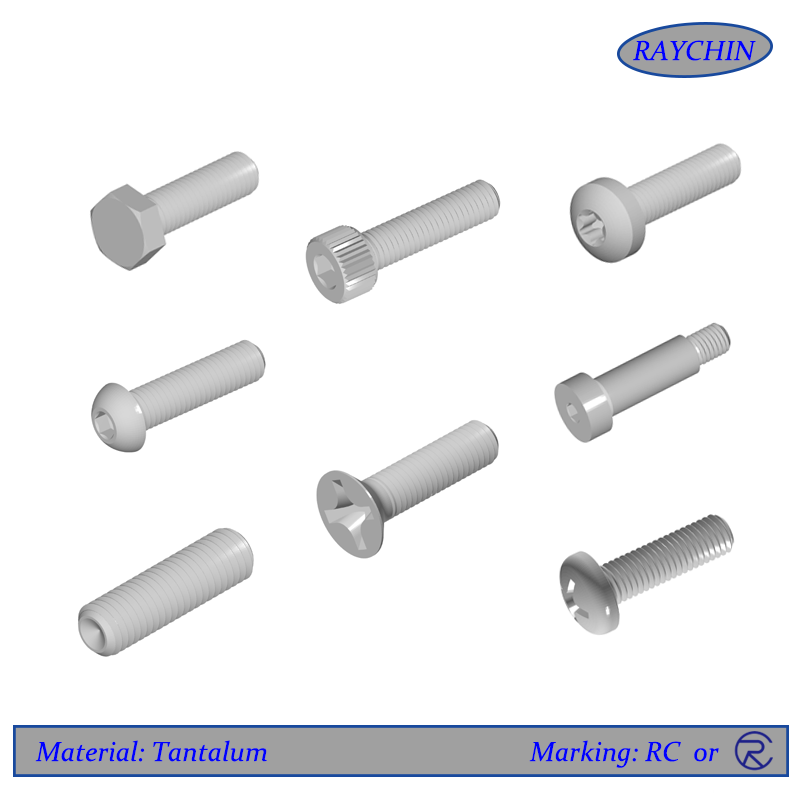
 Tantalum Fasteners
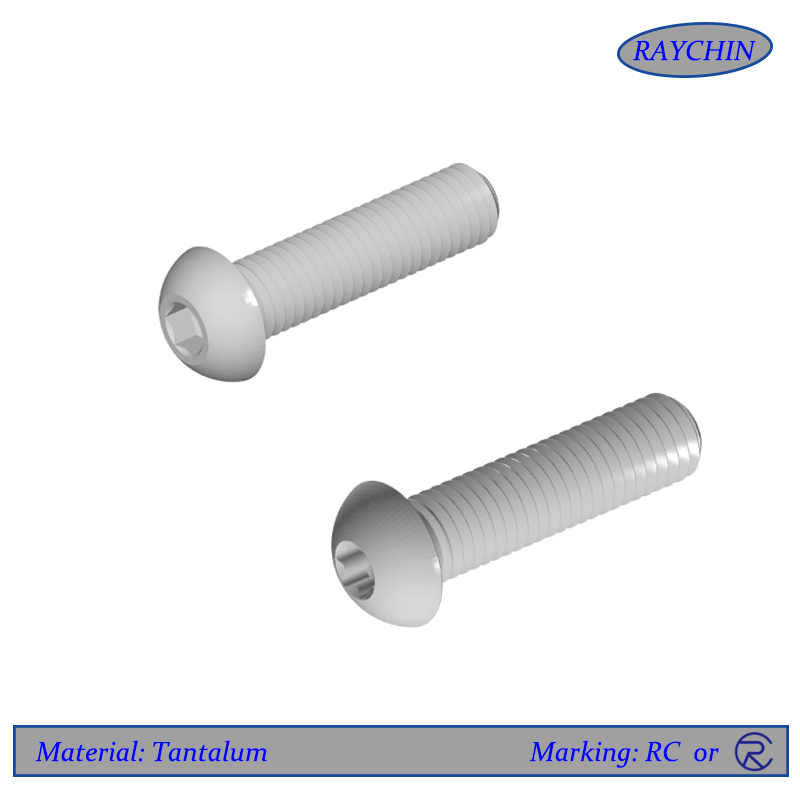
 Tantalum Button Head Cap Screws
 Tantalum Threaded Rods
 Tantalum Studs
 Tantalum Washers
 Tantalum Screws
 Tantalum Nuts
 Tantalum Bolts
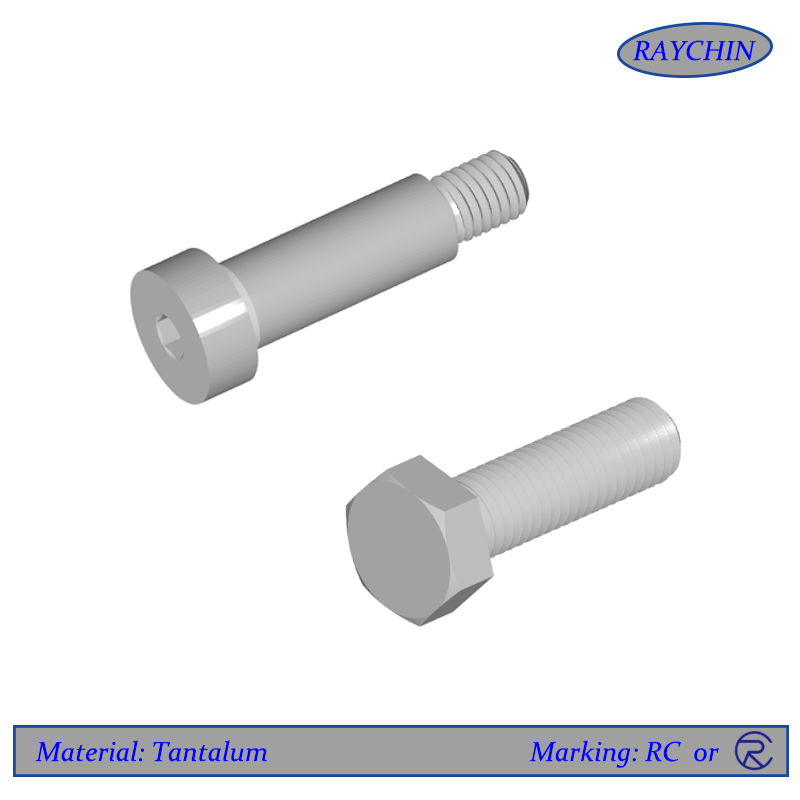
 Tantalum Shoulder Bolts
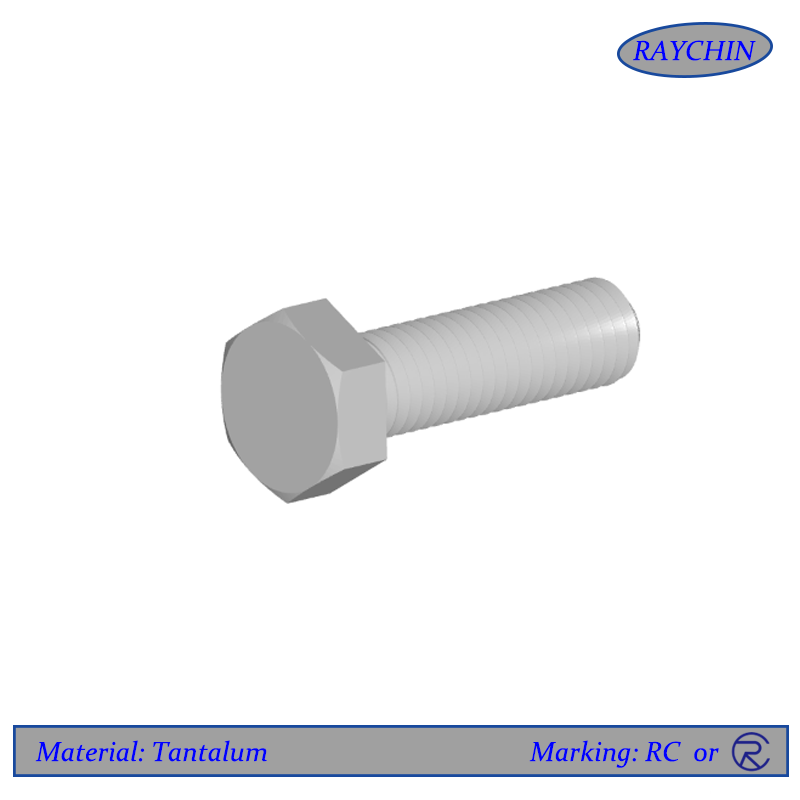
 Tantalum Hex Bolts
 Tantalum Hex Cap Screws
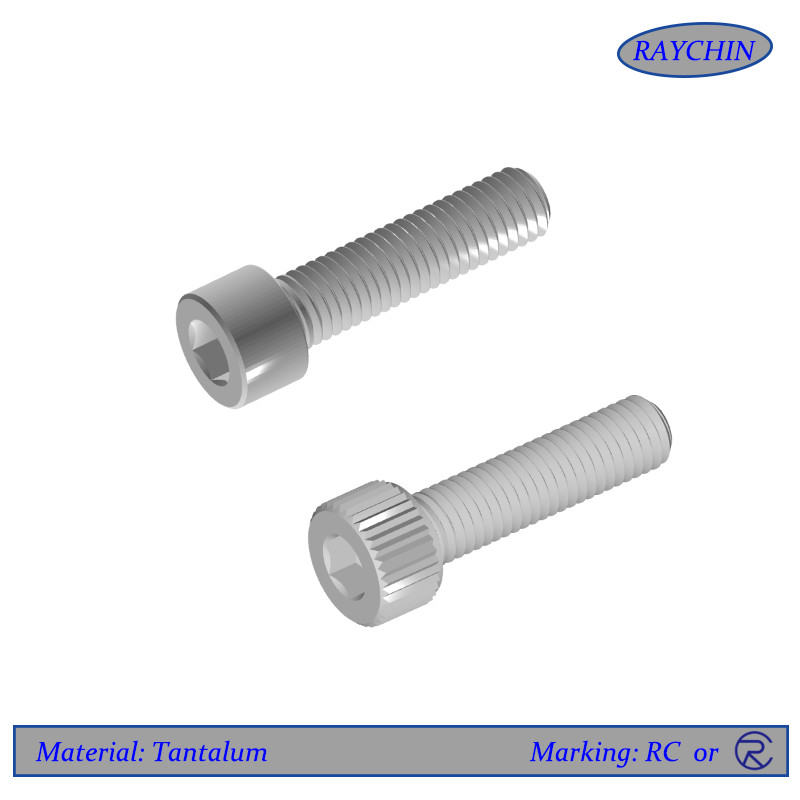
 Tantalum Socket Head Cap Screws
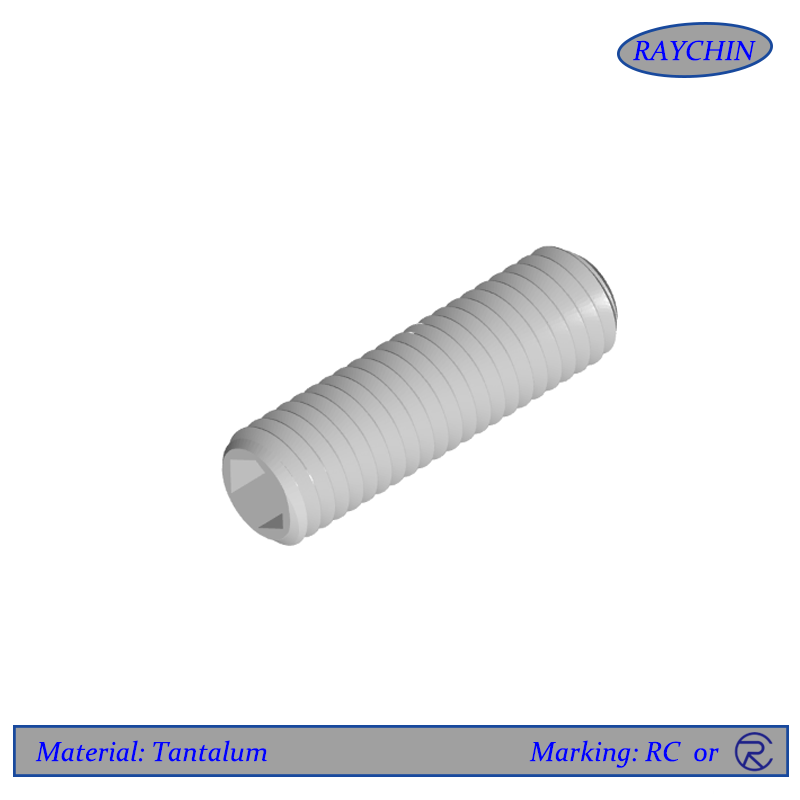
 Tantalum Set Screws
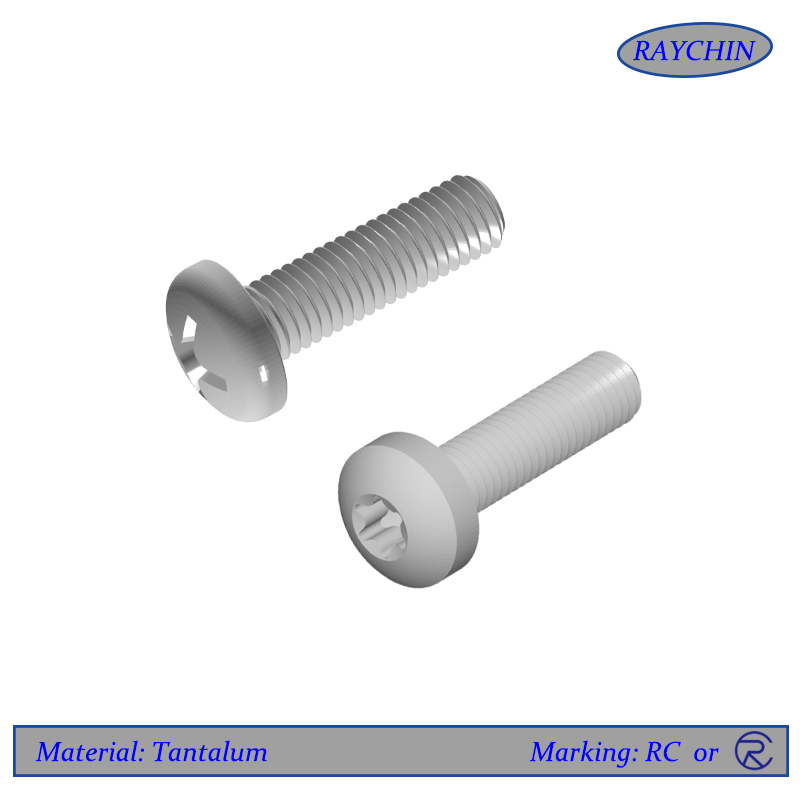
 Tantalum Pan Head Screws
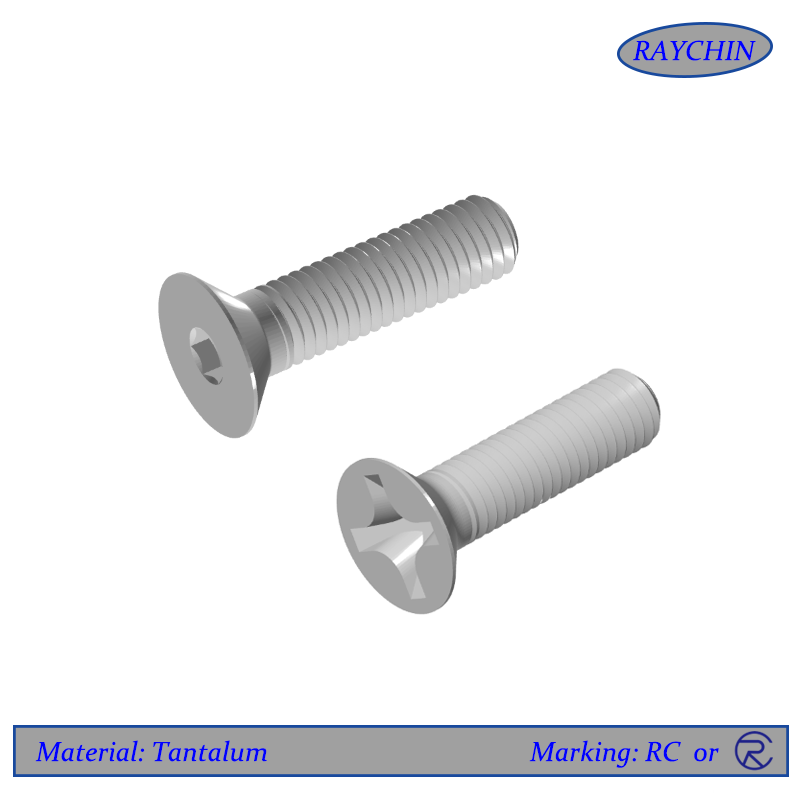
 Tantalum Flat Head Screws
 Tantalum Lock Nuts
Get a Quote