
Categories List
Recent Posts
 Hastelloy C276 Fasteners: Bolts, Nuts, Screws, Studs & Washers for the World's Most Aggressive Corrosive Environments
 Inconel Fasteners: Bolts, Nuts, Washers, Studs – Complete Technical Guide | RAYCHIN LIMITED
 MP35N vs Inconel, Titanium, C276, Complete Material Comparison Guide for Fasteners | RAYCHIN LIMITED
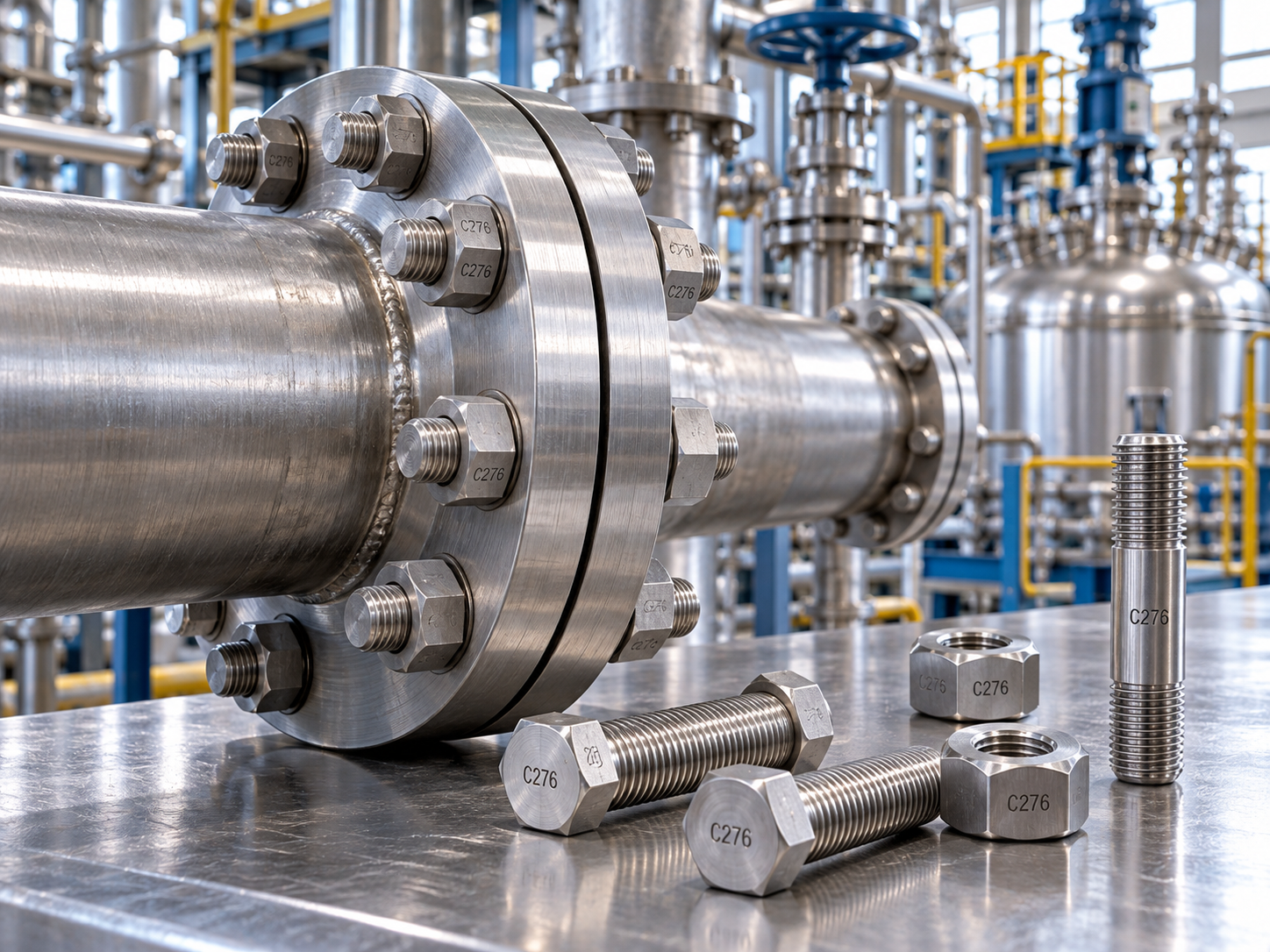
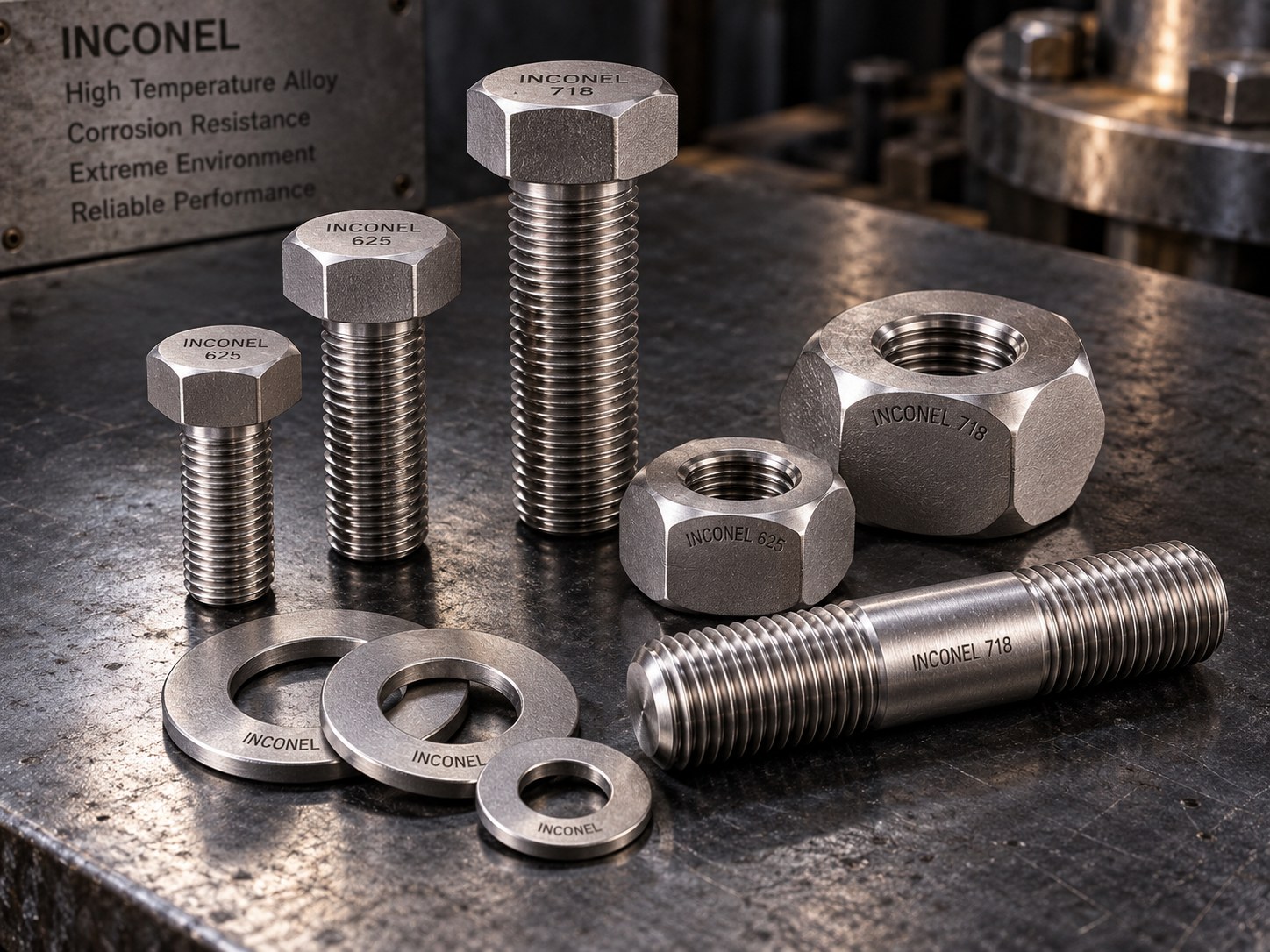
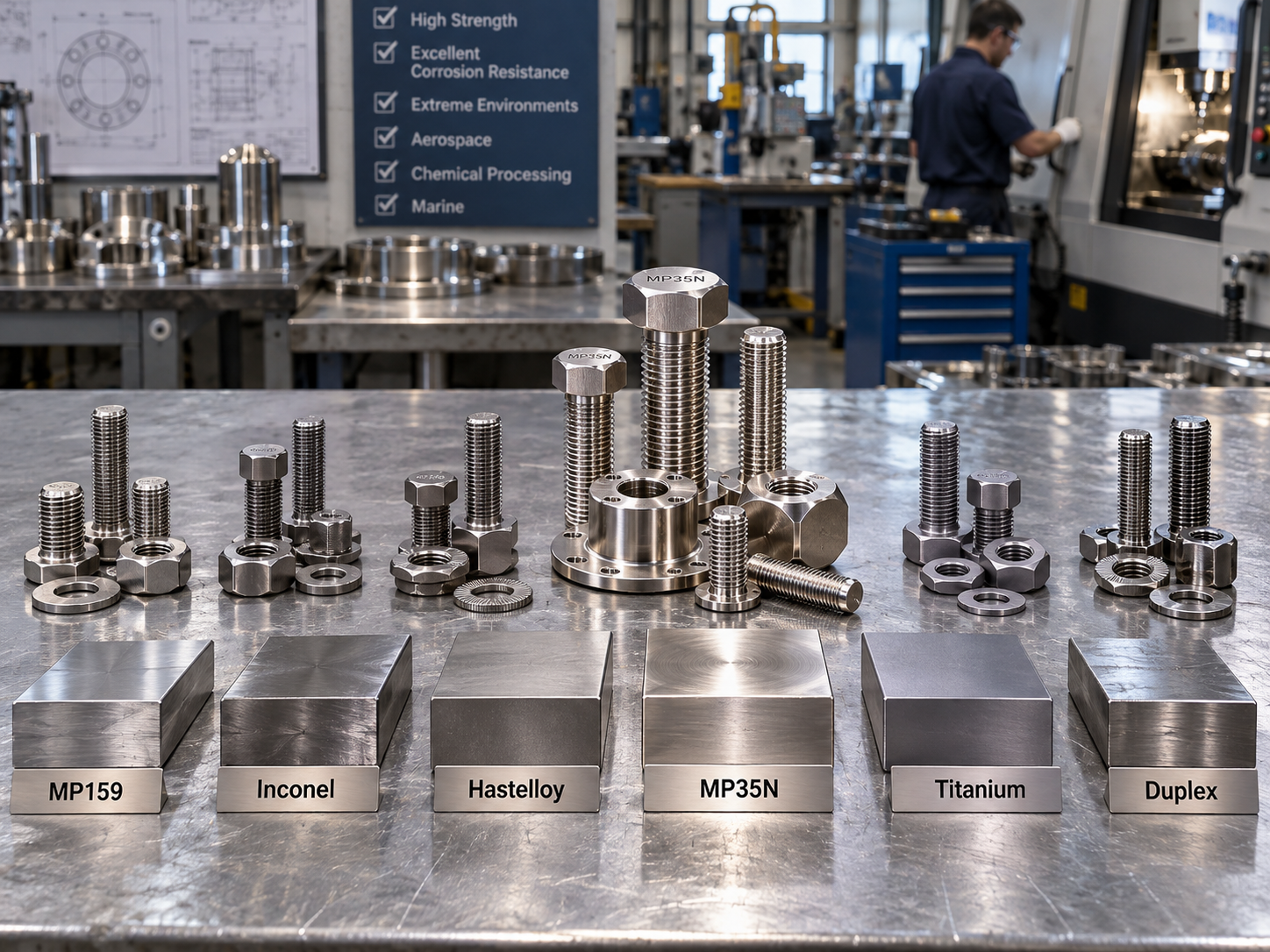
In the realm of industrial fastening, strength alone is never enough. Across chemical processing plants, pharmaceutical reactors, offshore sour gas platforms, and advanced pollution control systems, the greatest threat to bolted joint integrity is rarely a sudden mechanical overload. It is the slow, insidious attack of corrosion—pitting, crevice corrosion, stress corrosion cracking, and aggressive uniform metal loss that silently degrade a fastener until it can no longer hold. At RAYCHIN, our legacy as a special alloy fastener expert is built on the conviction that the right material, processed with absolute precision and backed by genuine application knowledge, can turn a bolted connection from a maintenance liability into a life-of-plant asset. This extensive guide is dedicated to Hastelloy fasteners—the alloy family that has set the gold standard for corrosion resistance in the most hostile wet chemical environments known to industry. Whether you are specifying bolting for a hydrochloric acid regeneration unit, a flue gas desulfurization system, or a deep sour gas injection well, this resource is designed to provide you with the detailed technical understanding you need.
To view our full range of Hastelloy fasteners, certifications, and manufacturing capabilities, visit:
https://www.ray-chin.com/Special-Fasteners/Hastelloy-Fasteners/Hastelloy-Fasteners.html
Understanding the Hastelloy Family: An Alloy Portfolio Engineered for Chemical Extremes
Hastelloy is not a single material but a registered trademark of Haynes International that encompasses a family of nickel-based alloys, each meticulously formulated to conquer a specific spectrum of corrosive challenges. In the fastener industry, three major alloy grades dominate, and RAYCHIN stocks and manufactures fasteners in all of them: Hastelloy C-276 (UNS N10276), Hastelloy C-22 (UNS N06022), and Hastelloy B-3 (UNS N10675). Understanding their distinct chemistries and corrosion profiles is the first step toward correct fastener selection.
Hastelloy C-276: The Universal Corrosion Fighter
Hastelloy C-276 is the workhorse of the family and the most widely specified corrosion-resistant nickel alloy for fasteners. Its nominal composition of 57% Ni, 16% Mo, 15.5% Cr, 5% Fe, and 4% W, with extremely low carbon and silicon, provides an unmatched breadth of resistance. It excels in both oxidizing and reducing environments, effectively resisting pitting, crevice corrosion, and stress corrosion cracking in a vast array of aggressive media: wet chlorine, hot sulfuric acid, hydrochloric acid, phosphoric acid, acetic acid, formic acid, seawater, and sour gas streams containing hydrogen sulfide. The low carbon content minimizes carbide precipitation during welding (though RAYCHIN fasteners are never welded in service), and the alloy is widely regarded as virtually immune to chloride-induced stress corrosion cracking.
Hastelloy C-22: Extended Oxidizing Attack Resistance
Hastelloy C-22 (UNS N06022) pushes the envelope further in highly oxidizing environments. Its composition—approximately 56% Ni, 22% Cr, 13% Mo, 3% W, and 3% Fe—provides a significantly higher chromium content than C-276. This adjustment yields enhanced resistance to strong oxidizing acids, including wet chlorine, nitric acid mixtures, and ferric and cupric chloride solutions that can challenge C-276. C-22 is frequently chosen for fastener service in chemical reactors where mixed acid conditions prevail, and where the process stream cycles between oxidizing and reducing chemistry. Its localized corrosion resistance, measured by its high Pitting Resistance Equivalent Number (PREN > 65), is exceptional.
Hastelloy B-3: The Ultimate Hydrochloric Acid Specialist
Where the C-type alloys rely on chromium for passivation, Hastelloy B-3 (UNS N10675) takes a different path. With a very high molybdenum content (typically 28.5%) and minimal chromium (1.5% max), B-3 is designed for pure reducing environments—most notably hydrochloric acid at all concentrations and temperatures up to the boiling point. It resists hydrogen chloride gas, sulfuric acid in the absence of oxidizers, and acetic acid. However, B-3 is not suitable for oxidizing conditions; even trace amounts of ferric or cupric ions can cause rapid corrosion. This alloy is a specialized tool that RAYCHIN provides for fasteners in critical HCl service, such as in acid distillation columns and pharmaceutical reactors.
Mechanical Properties of Hastelloy Fasteners: A Detailed Reference
Hastelloy alloys belong to the nickel-chromium-molybdenum solid-solution-strengthened class. They are not precipitation-hardenable by heat treatment; they derive their strength from their intrinsic chemical composition and, where specified, from a moderate degree of cold work. The standard and most corrosion-optimized condition for fasteners is the solution-annealed state, which dissolves any second phases and ensures maximum corrosion resistance. RAYCHIN certifies all Hastelloy fasteners to the chemical and mechanical requirements of ASTM B574 (rod and bar) and the applicable fastener standards ASTM F467 (nuts) / ASTM F468 (bolts, screws, studs).
Cold-Worked Strength Options:
For applications requiring higher strength and where a slight trade-off in elongation is acceptable (e.g., high-preload tensioning, Belleville washers, or anti-galling strategies), RAYCHIN can supply Hastelloy fasteners in a cold-worked condition. Controlled cold reduction can elevate the tensile strength of C-276 to 120–150 ksi (827–1034 MPa) and yield strength to 80–120 ksi (552–827 MPa). However, the solution-annealed condition remains the standard for maximum corrosion resistance and formability.
Critical Note on Magnetic Properties:
Hastelloy C-276 and C-22 in the annealed condition are non-magnetic (permeability typically less than 1.002). Cold working can induce slight magnetism, particularly in B-3. If non-magnetic behavior is a critical requirement for your instrumented assembly, you must specify this to RAYCHIN so the optimal processing route is selected.
RAYCHIN Hastelloy Fastener Classifications and Their In-Depth Application Landscapes
Our manufacturing plant produces the full gamut of Hastelloy fasteners to ASME, DIN, ISO, and BS standards, as well as to custom drawings. Below, we connect each product type to the demanding environments they serve.
1. Hex Bolts, Hexagon Cap Screws, and Heavy Hex Bolts
Standards: ASME B18.2.1, DIN 931/933, ISO 4014/4017, and full-thread variants.
Chemical Reactors and Pressure Vessels: Flanged closures on reactors handling mixed acids, solvents, and chlorinated organics demand bolting that will not pit, crack, or selectively leach. C-276 and C-22 hex bolts provide lifelong resistance to under-head and thread crevice corrosion, preventing the notorious “rust jacking” that plagues stainless steel bolts in gasketed joints exposed to acidic vapors.
Sour Gas and Hydrogen Sulfide Service: Under NACE MR0175/ISO 15156, Hastelloy C-276 and C-22 are listed as acceptable for any sour service condition without environmental limits—a distinction that places them among the most trusted bolting alloys for wellhead and piping components in HPHT sour fields. They resist both sulfide stress cracking and chloride stress corrosion cracking simultaneously.
Flue Gas Desulfurization (FGD) Systems: Scrubber inlet and outlet duct flanges see condensing sulfuric and sulfurous acids mixed with chlorides and fly ash. Hastelloy C-22 heavy hex bolts are widely specified here to prevent the severe localized attack that would rapidly destroy 316 stainless or even duplex bolting.
2. Stud Bolts and Continuous-Threaded Rods
Standards: ASME B16.5 flange bolting, ASME B18.2.2 compatible, with chamfered or dog-point ends.
Heat Exchanger and Condenser Closures: Tubesheet-to-channel and shell-to-cover joints in seawater-cooled exchangers or those handling sulfuric acid suffer from galvanic and crevice corrosion at the bolt-flange interface. Hastelloy C-276 studs, fully wetted in the process fluid, eliminate the anode-cathode couple that would consume a carbon steel or stainless bolt. RAYCHIN can provide full-length rolled threads for improved fatigue life under thermal cycling.
HCl Regeneration Columns: In spray roaster acid regeneration plants, B-3 stud bolts are the definitive solution for column flange connections. The internal environment is a high-temperature, concentrated HCl/FeCl₂ mixture that destroys all but this specialized alloy.
3. Hex Nuts, Heavy Hex Nuts, and Lock Nuts
Standards: ASME B18.2.2, DIN 934, ISO 4032/4033.
Critical Mating Components: RAYCHIN supplies Hastelloy nuts from the identical heat of the mating stud or bolt to ensure uniform galvanic potential and matched thermal expansion coefficients. We precisely control hardness (typically slightly softer than the bolt to serve as a sacrificial wear element and reduce galling susceptibility). Proprietary molybdenum disulfide-free anti-seize coatings are applied in-house to optimize the torque-tension relationship.
Prevailing-Torque Lock Nuts: For vibrating equipment such as agitators, centrifuge assemblies, and reciprocating pumps, we manufacture all-metal Hastelloy lock nuts that maintain locking function at elevated temperatures where nylon inserts would degrade.
4. Socket Head Cap Screws and Set Screws
Standards: ASME B18.3, DIN 912, ISO 4762.
Instrumentation and Valve Manifold Assemblies: Compact solenoid valves, pH probe housings, and sample conditioning panels in chemical plants often use Hastelloy socket cap screws to resist aggressive fumes and acid spills. The recessed drive allows for flush mounting, minimizing crevice sites.
High-Shear Mixer Blades: C-276 set screws used to retain mixing blades on shafts in acidic pulp slurries prevent seizing and crevice initiation under the setscrew tip.
5. Flat Washers and Belleville Spring Washers
Standards: ASME B18.22.1, DIN 125, custom spring dimensions.
Load Distribution Under Low-Yield Flanges: Hastelloy flat washers are used under bolt heads when mating against graphite, PTFE, or reinforced plastic flange materials to prevent embedding and loss of preload.
Live-Loaded Springs for Thermal Cycling: In polymer melt filtration systems or hot acid loops, Hastelloy C-276 Belleville washers compensate for differential thermal expansion, maintaining a near-constant gasket seating stress over temperature excursions from ambient to 600°F (315°C) and back.
6. Custom Machined Fasteners and Components
RAYCHIN's engineering team routinely manufactures special fasteners in Hastelloy: drilled-shank tension indicators, vented screws for vacuum service, captive panel fasteners, and custom shear bolts. Because all machining is performed on forged or rolled bar stock under strict process control, we preserve the alloy’s optimized microstructure from raw material to finished part.
Critical Application and Installation Best Practices for Hastelloy Fasteners
The remarkable corrosion resistance of Hastelloy alloys can be utterly compromised by poor handling, improper assembly, or ignorance of the alloy’s physical characteristics. Adhere to these RAYCHIN expert guidelines to extract the full value from your fastener investment.
1. Iron Contamination: The Silent Killer
Hastelloy derives its passivity from a thin, chromium-rich oxide film. Free iron smeared onto the surface from carbon steel tools, storage racks, or grinding sparks will rust, creating an active pit that can initiate crevice corrosion even in an otherwise resistant alloy. Commandments:
Store Hastelloy fasteners on wooden or polymer-lined shelving, never in carbon steel bins.
Use dedicated stainless steel or non-metallic slings and hooks for handling.
After any forming or machining step, RAYCHIN fully passivates the fasteners per ASTM A967 in a nitric acid solution to remove surface iron and enhance the passive film.
On site, do not use the same torque wrench sockets and brushes for carbon steel and Hastelloy without thorough cleaning.
2. Galling Resistance: The Lubrication Imperative
All nickel alloys have a tendency toward galling (cold welding) under high contact stress in threaded assemblies. Hastelloy C-276 and B-3, with their high molybdenum contents, can be particularly sensitive if assembled dry. RAYCHIN combats this with a multi-layered strategy:
Approved Anti-Seize Compounds: We recommend and apply nickel-based, nuclear-grade anti-seize compounds with graphite or ceramic fillers that are chemically compatible with the process stream. For food and pharmaceutical applications, we supply fasteners with a clean, fully traceable, PTFE-based anti-gallant coat.
Hardness Differential: Nuts are consistently supplied at a measured hardness slightly below the bolt hardness, reducing the galling-driving shear stress at the thread interface.
Controlled Makeup Speed: Impact wrenches are highly discouraged. Use a calibrated hydraulic or manual torque multiplier at low speed. The heat generated by rapid makeup can flash-evaporate lubricant and trigger instantaneous galling.
3. Proper Torque and Preload Management
The relatively low yield strength of Hastelloy fasteners in the annealed condition (40–51 ksi yield) compared to alloy steels means that torque values must be adjusted accordingly. Over-torquing a Hastelloy bolt will yield the threads, permanently compromising the joint. Always use clean, lubricated torque values derived from the actual nut factor . RAYCHIN provides tested -factor certificates for specific bolt/lubricant combinations. As a general guide, the maximum recommended preload should not exceed 50–60% of the minimum specified yield strength to prevent embedding and gasket crushing issues.
4. Galvanic Corrosion Management
Hastelloy fasteners are electrochemically noble. When used to join less noble materials such as carbon steel, 304/316 stainless, or even duplex stainless in a conductive electrolyte, the fastener will be cathodically protected, but the surrounding flange or structure may suffer accelerated galvanic corrosion. Mitigation measures include:
Use of isolating PTFE sleeves and washers to electrically separate the bolt shank from the flange holes.
Specification of Hastelloy washers to bear only against the Hastelloy bolt head/nut and a non-metallic gasket surface.
If insulation is not practical, ensure the structure is provided with corrosion allowance or active cathodic protection that accounts for the galvanic couple.
5. Sensitization Awareness and Heat Exposure Limits
While Hastelloy C-276 and C-22 exhibit excellent resistance to intergranular corrosion due to their low carbon and silicon chemistries, prolonged exposure to temperatures in the 1100°F–1600°F (590°C–870°C) range can precipitate intermetallic phases (mu and P phases) that compromise corrosion resistance, particularly in C-276. For fastener applications that may experience fire, high-temperature process excursions, or steam-out at elevated temperatures, consult RAYCHIN. If the fastener will be continuously exposed above 1000°F (538°C), C-22 generally offers slightly better thermal stability. For service above 1800°F (980°C) in clean oxidizing atmospheres, other alloys (such as 718) are required; Hastelloy fasteners are optimized for wet corrosion, not extreme high-temperature creep.
6. Welding and Alterations: Strictly Prohibited
Under no circumstances should any weld be placed on a Hastelloy fastener. Not a tack, not a washer retention bead, not a repair. Welding destroys the carefully controlled annealed microstructure, creates segregation, and introduces an unpredictable heat-affected zone with altered corrosion resistance. If you need a welded-on tab or an integral collar, contact RAYCHIN to machine the feature from solid bar stock.
7. Periodic Inspection and Life Cycle
One of the greatest operational benefits of Hastelloy fasteners is their ability to be reused multiple times, provided they have not been overloaded or physically damaged. During turnaround inspections, check for:
Thread deformation or galling damage using GO/NO-GO gauges.
Loss of passivity or staining, which can be restored by re-passivation.
Dimensional change, indicating plastic yield.
When properly selected and assembled, a Hastelloy bolting set can outlast multiple flange gasket replacement cycles without any degradation in mechanical properties or corrosion resistance.
RAYCHIN: Your Partner in Hastelloy Fastening Integrity
Selecting Hastelloy is just the beginning. Translating that advanced alloy into a high-integrity bolted joint requires a supply chain partner who fully controls raw material sourcing, forging, heat treating, machining, passivation, and certification under one integrated quality management system. At RAYCHIN, we do exactly that. Our application engineers do not merely ship parts; they offer material selection guidance, provide preload calculations, define anti-galling protocols, and assist with field installation procedures. Every Hastelloy fastener we deliver is accompanied by full traceability back to the mill heat lot, EN 10204 3.1 or 3.2 certifications, and the assurance that a dedicated team of special alloy experts stands behind it.
Are you designing a new acid processing unit, facing chronic bolt failure in a scrubber, or qualifying bolting for a severe sour service project? Let RAYCHIN provide the Hastelloy solution engineered for your exact chemical and mechanical requirements.
? Browse Our Hastelloy Fastener Range and Request a Competitive Quote Today
Corrosion never rests. Neither do we.
Request A Quote! We'll respond as soon as possible(within 12 hours)
Get a Quote