
Categories List
Recent Posts
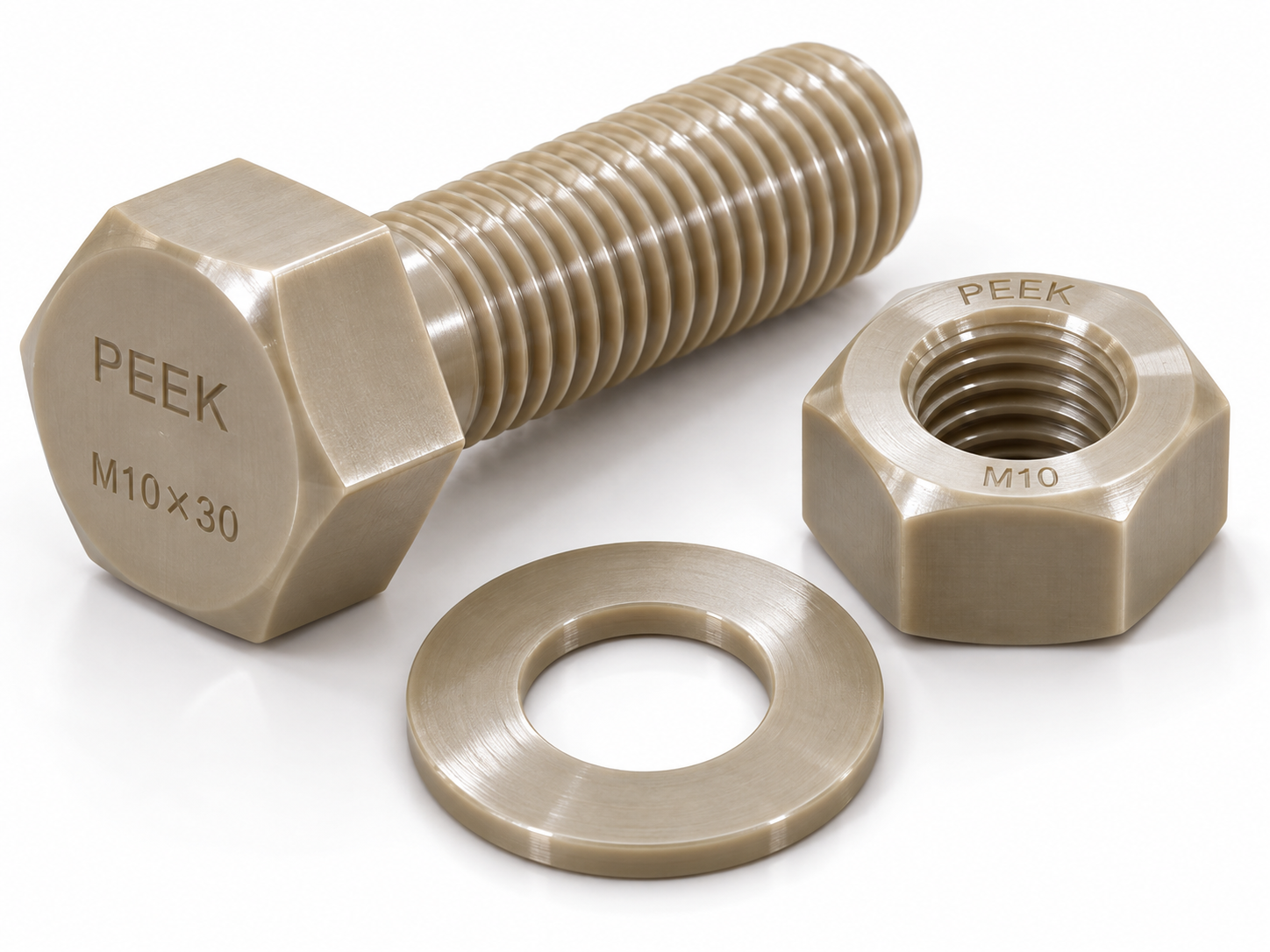
 PEEK Fasteners | Polyetheretherketone Bolts, Nuts, Screws – High-Performance Polymer | RAYCHIN LIMITED
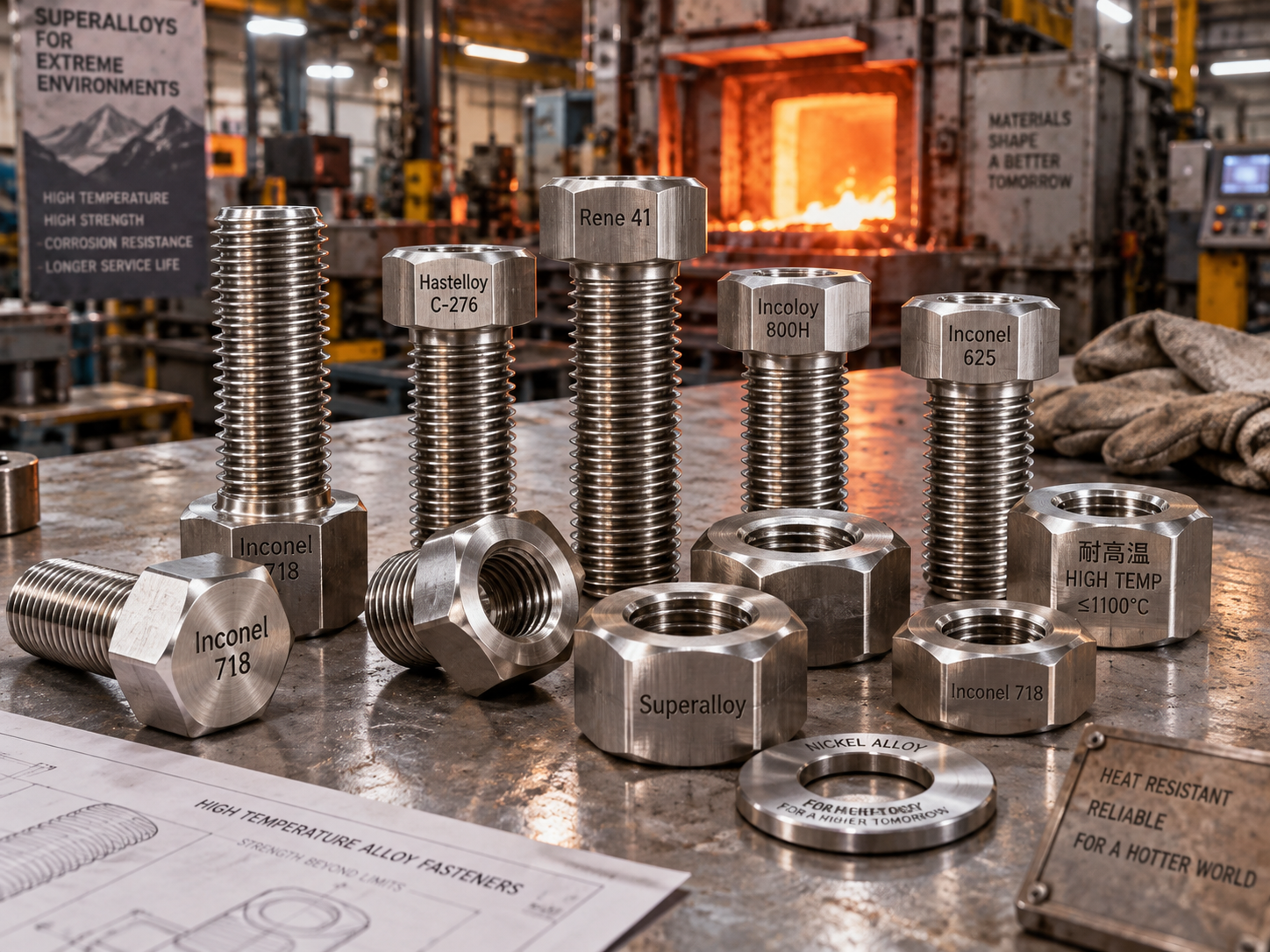
 High-Temperature Alloy Fasteners: Complete Material Guide, Chemistry, Performance Comparison | RAYCHIN LIMITED
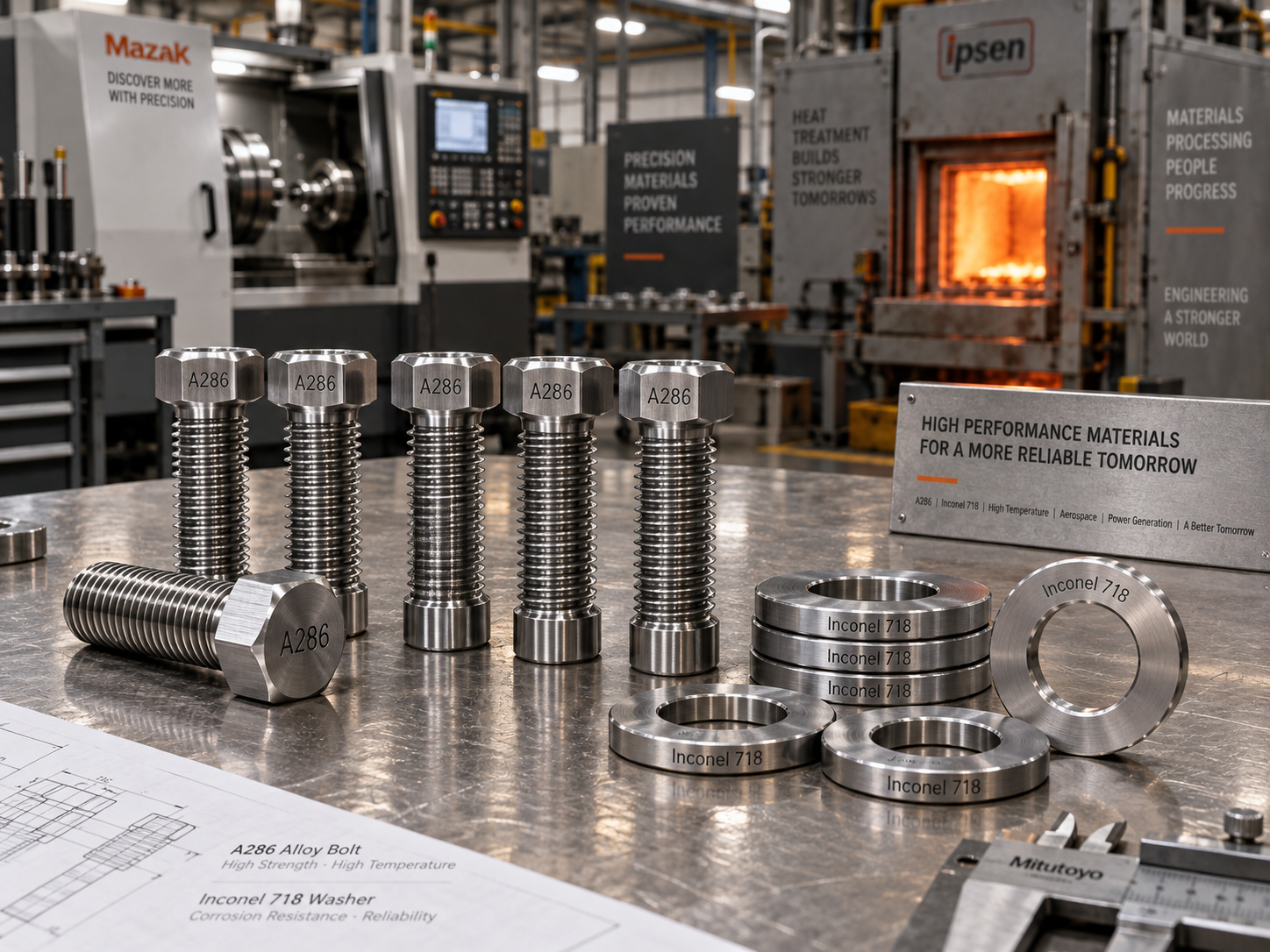
 High-Temperature Fastener Material Selection Guide | A286, Inconel 718, Nimonic 80A, Waspaloy – RAYCHIN LIMITED
Selecting the right monel rivets for aircraft assembly is not just a technical choice—it directly impacts performance, safety, and long-term cost efficiency. Many professionals overlook how monel fasteners, including monel bolts, monel screws, and monel pop rivets, influence structural integrity under extreme conditions. In this article, RAYCHIN LIMITED, a global leader in specialty metal fasteners, explores the hidden costs of choosing improper monel fasteners and provides expert insights on selecting the best materials for demanding aerospace applications.
Understanding the Role of Monel Rivets in Aircraft Assembly

Monel rivets are widely used in aircraft structures where resistance to corrosion, heat, and mechanical fatigue is critical. Comprising primarily nickel (around 65%) and copper (30%–35%), monel alloys offer excellent strength and durability in extreme environments. Aircraft rivets commonly experience cyclical load ranges of 5kN–15kN, making material reliability a crucial parameter during design.
However, not all monel rivets perform equally under aerospace stress. The choice between Monel 400, Monel K-500, or other monel grades can drastically affect fatigue performance and weight distribution. When procurement teams focus only on unit price instead of alloy composition, hidden maintenance costs can accumulate over a service life of 10–15 years.
From a metallurgical viewpoint, monel rivets withstand operational temperatures between −200℃ and 500℃. Deviations from these thresholds can lead to microstructural instability, especially near the rivet heads and holes. Therefore, quality assurance personnel need to monitor tensile strength (typically ≥480 MPa) and hardness values (around 130 HB for Monel 400) in each production batch.
In aerospace assembly lines, rivets are installed using pneumatic or hydraulic tools, often completing over 200 fastenings per aircraft section. Poor rivet selection can extend assembly time by 10%–20%, leading to project sequence delays. Thus, choosing high-grade monel rivets is a decision that ties directly to operational efficiency and budget control.
Common Risks and Hidden Costs of Improper Rivet Selection
Using inappropriate monel rivets not only impacts technical integrity but also can generate unexpected cost burdens. A mismatch between alloy grade and service environment typically yields increased corrosion rates—often three times faster in marine flight zones when wrong materials are chosen. This corrosion leads to structural weakening and increased frequency of maintenance intervals from 24 months down to 6 months.
Below is a comparative table highlighting potential financial impacts of incorrect rivet material decisions in aircraft operations:
The table clarifies how upfront savings on material procurement often mask longer-term maintenance escalation. For instance, an aircraft using substandard rivets may require additional 120 hours in inspection time annually due to premature oxidation.
Quality control engineers, therefore, should apply rigorous verification steps, including 100% batch traceability and 3–stage sampling checks, to ensure alloy purity and structural compliance under ASTM F468 standards. These practices reduce rework ratios below 2%, guaranteeing consistent fastening reliability.
Technical Criteria for Selecting High-Performance Monel Rivets
When specifying monel rivets for aerospace assemblies, a structured selection matrix is recommended. Each rivet must satisfy tensile, shear, and elongation criteria following common ranges: tensile ≥ 480 MPa, shear ≥ 275 MPa, and elongation ≥ 30%. Furthermore, hardness and grain size uniformity play a crucial role during high-vibration operation.
Here is a simplified table summarizing typical requirements and evaluation categories during technical verification:
For assembly engineers, it is also critical to consider dimensional accuracy (tolerance ±0.02 mm) and thermal expansion coefficients (~13.9 µm/m·°C). Misalignment beyond 0.5 mm can lead to structural stress concentrations exceeding 110 MPa at rivet joints during flight load cycles. This risk can be minimized through comprehensive pre-installation calibration processes lasting approximately 3 hours per assembly batch.
RAYCHIN LIMITED’s stringent material screening and process controls ensure every monel fastener batch achieves stable metallurgical characteristics. With specialized technical teams continuously refining alloy formulations, RAYCHIN supports aerospace clients in meeting ISO 9001:2015 and NADCAP-approved fastener standards.
Procurement Considerations and Lifecycle Cost Optimization
Procurement professionals in aerospace manufacturing often operate under dual pressure: meeting cost targets while ensuring certification compliance. Evaluating the lifecycle cost rather than just the purchase price is essential. A rivet that costs 15% more but doubles service life can save up to 10,000 USD per aircraft section over a 5-year maintenance cycle.
To standardize material selection, purchasing managers can apply a 4-step evaluation process:
- Identify environmental conditions (temperature, humidity, corrosion exposure).
- Compare monel alloy data sheets, focusing on tensile, shear, and fatigue limits.
- Verify supplier quality documentation under AS9100 certification frameworks.
- Request accelerated corrosion testing reports within 2–4 weeks before mass procurement.
RAYCHIN LIMITED provides direct technical support to purchasing departments, offering analytical data, sample testing, and batch customization. This data-driven approach minimizes the probability of premature fastener failure, typically reducing warranty claims by 12%–15% over standard industry averages.
An effective procurement program also accounts for interchangeability: ensuring compatibility between different rivet sizes and assembly configurations. For example, a shift from Monel 400 rivets to Monel K-500 versions requires recalibration of riveting force from 9 kN to 11 kN. Such adjustments are minor yet essential to maintain precision and reduce hidden operational costs.
Frequently Asked Questions about Aerospace Monel Rivets
How do I know which Monel grade is suitable for my aircraft component?
The choice depends on multiple factors—fatigue load, temperature exposure, and proximity to corrosive media. Monel 400 is adequate for general fuselage joints under moderate stress cycles, while Monel K-500 performs better under continuous vibration or saltwater exposure. Engineers should analyze fatigue limits within 350–420 MPa for Monel 400 and 480–520 MPa for K‑500.
What are the main causes of rivet failure in aircraft operations?
Common causes include improper rivet hardness, alloy impurity, and poor hole alignment exceeding ±0.04 mm. Repeated mechanical loadings over 10⁶ cycles can initiate microcracks if rivet elasticity ratings deviate by more than 5%. Regular inspection using non-destructive testing such as eddy current scanning every 12 months helps minimize these risks.
What is the typical delivery cycle for specialized Monel fasteners?
For standard sizes, lead time generally ranges from 2–3 weeks; customized dimensions or dual‑certified materials (AMS 4676 / ASTM F467) may extend to 4–6 weeks. RAYCHIN LIMITED offers expedited production options with test certification included, meeting project schedules without compromising quality control.
Why Partner with RAYCHIN LIMITED for Aerospace Fastener Solutions
RAYCHIN LIMITED stands as a global leader in specialty metal fasteners, integrating research, manufacturing, and distribution. Our R&D teams focus on high‑performance materials like Monel, Inconel, and Titanium, ensuring optimal mechanical properties tailored for the aerospace sector. With continuous material innovation, we bridge technical requirements and real‑world performance reliability.
By partnering with RAYCHIN, clients gain access to:
- Comprehensive alloy consultation—aligning with unique structural and environmental challenges.
- Global logistics coverage—with standard rates achieving 99% on‑time delivery within 3–5 days domestically and 10–14 days internationally.
- Full traceability documentation—from melt certificates to final inspection reports, ensuring compliance with AS9100D and ISO standards.
- Dedicated engineering support—offering design validation and prototype testing within 7–10 business days.
Whether your application demands precision riveting for composite fuselage panels or corrosion-resistant joints in naval aircraft, RAYCHIN LIMITED delivers expert material guidance and tailored production solutions. For detailed consultation on rivet parameters, certification compliance, or project-based customization, connect with RAYCHIN’s technical team to receive a comprehensive selection strategy and quotation roadmap aligned with your aerospace manufacturing goals.
Request A Quote! We'll respond as soon as possible(within 12 hours)
Get a Quote