
Categories List
Recent Posts
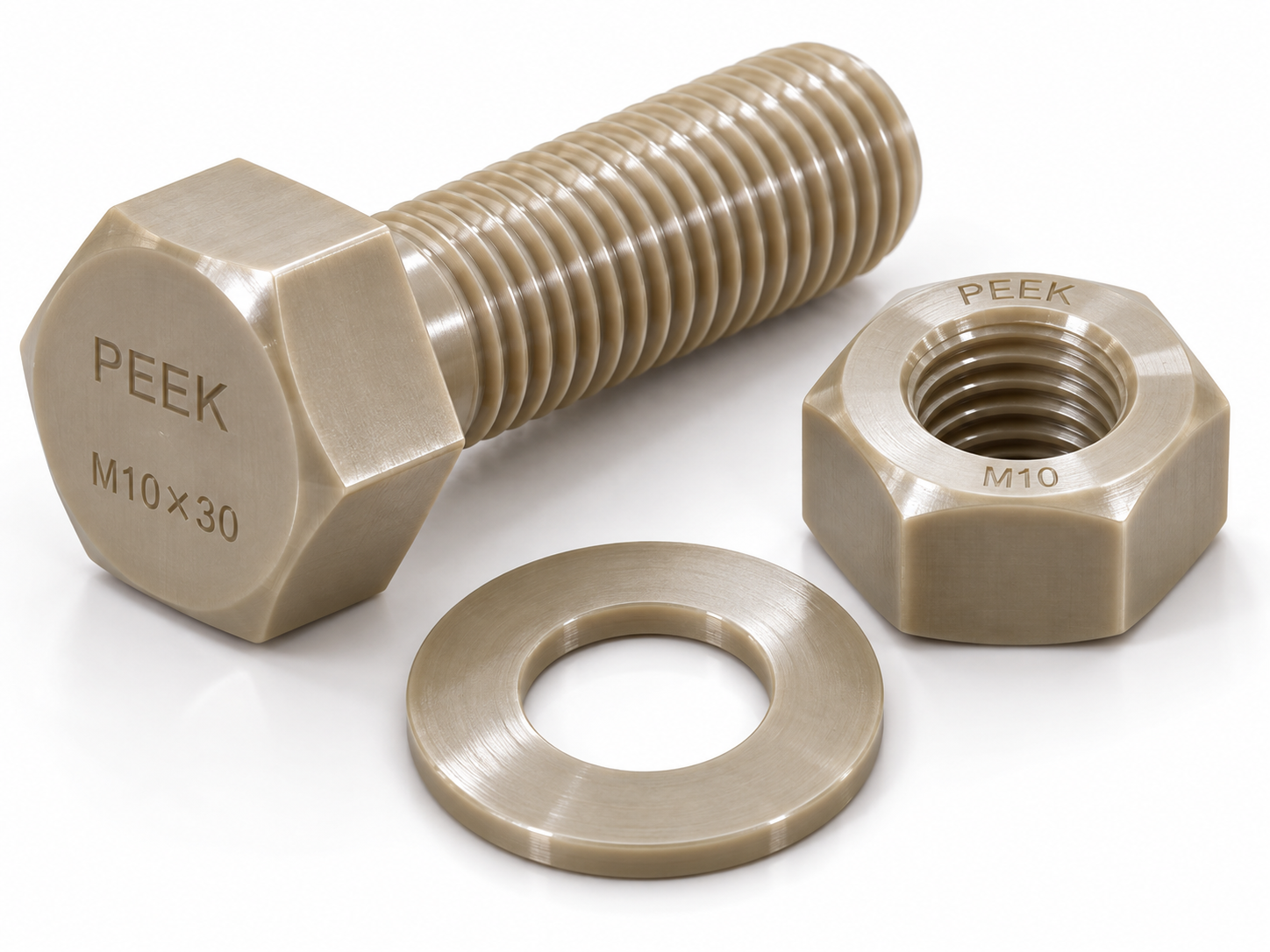
 PEEK Fasteners | Polyetheretherketone Bolts, Nuts, Screws – High-Performance Polymer | RAYCHIN LIMITED
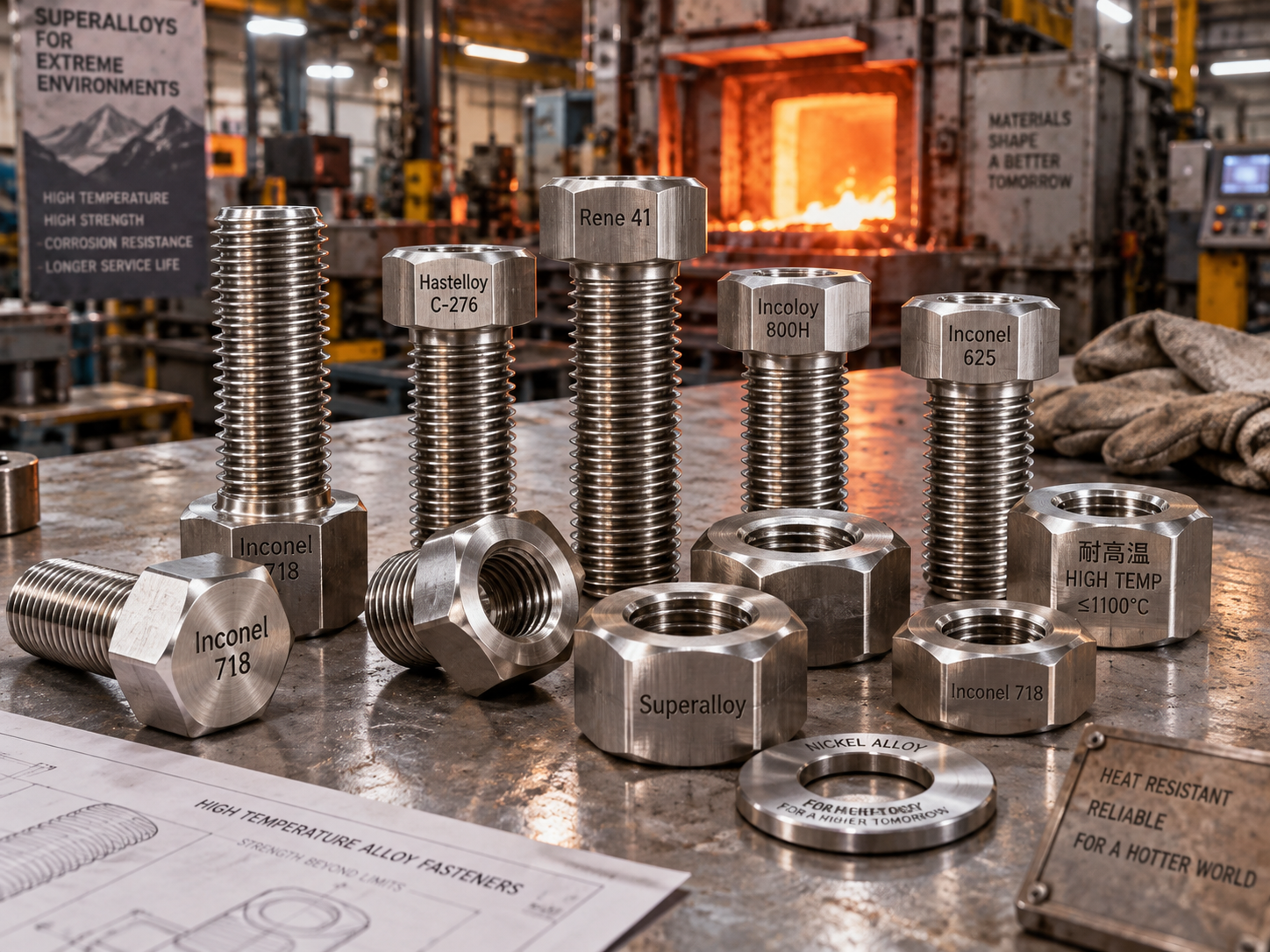
 High-Temperature Alloy Fasteners: Complete Material Guide, Chemistry, Performance Comparison | RAYCHIN LIMITED
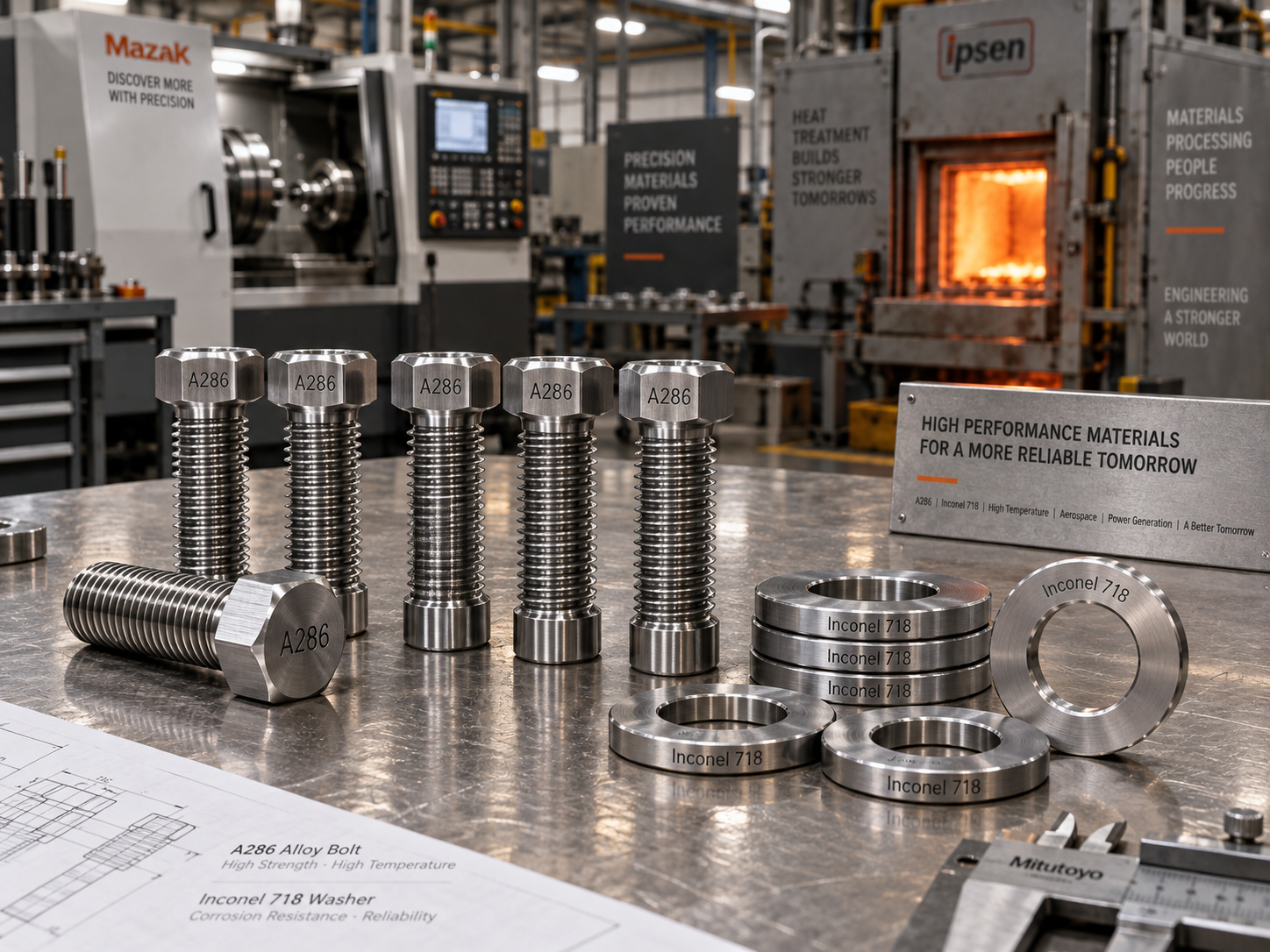
 High-Temperature Fastener Material Selection Guide | A286, Inconel 718, Nimonic 80A, Waspaloy – RAYCHIN LIMITED
Torque Misjudgment: The Most Common Installation Flaw with Inconel Bolts
Torque misjudgment during the installation of an Inconel bolt is one of the most underestimated causes of mechanical failure in high-performance applications. Understanding how torque accuracy impacts joint integrity is crucial for ensuring durability and safety. As a global specialist in specialty metal fasteners, RAYCHIN LIMITED provides deep technical insight and proven expertise to help industries optimize the installation and performance of Inconel bolts.
For engineers, plant operators, and procurement professionals working in highly demanding sectors such as aerospace, petrochemical, power generation, or marine engineering, Inconel fasteners are often vital components that ensure reliability under extreme conditions. Yet, despite their superior metallurgy, the benefits of Inconel bolts can be severely compromised if improper torque values are applied during installation. This article examines the root causes, mechanical implications, and practical approaches for eliminating torque misjudgment, while sharing insights from RAYCHIN LIMITED’s long-standing experience in specialty metal fasteners.
1. Why Torque Accuracy Matters in Inconel Bolt Installation
Unlike carbon or stainless steel bolts, Inconel fasteners are designed for environments that exceed 600°C, handle cyclic loads over 106 stress cycles, and resist corrosive media such as seawater, acids, and combustion gases. These extreme conditions magnify the importance of achieving proper preload through correct torque application. A mere 5% deviation in torque value can produce over 15% variation in bolt tension, which may lead to premature fatigue cracking or slippage at the joint interface.
The mechanical integrity of a bolted joint depends on the conversion of torque to clamping force. In a correctly torqued Inconel bolt, approximately 90% of the input torque is lost in friction between threads and underhead surfaces, leaving only about 10% to generate useful tension. When friction coefficients vary due to surface conditions, lubrication, or coating types, torque-based control alone often becomes inaccurate. This leads to either under-tightening, causing joint separation, or over-tightening, resulting in bolt yield and microstructural damage.
Torque misjudgment also correlates with high failure costs. Industry statistics reveal that over 40% of fastener-related breakdowns in turbine and reactor assemblies trace back to torque inconsistency during initial installation or subsequent maintenance. Hence, understanding the torque-tension relationship specific to Inconel alloys—particularly grades 625, 718, and 925—is essential for reliable assembly practices.
RAYCHIN LIMITED emphasizes the use of torque-tension calibration curves tailored to each alloy’s yield characteristics and surface finish. Utilizing test rigs capable of measuring bolt elongation within ±0.001 mm provides field engineers with quantifiable control over preload accuracy, reducing variability to under 3% across multiple installations.
2. Common Causes of Torque Misjudgment and Their Consequences
Torque misjudgment originates from several interrelated factors that affect friction, lubrication, thread geometry, and operator technique. Each factor, when ignored, alters the preload generated at a specified torque value. Understanding these interactions helps engineers design better installation procedures and training frameworks.
The primary variables contributing to torque inaccuracy in Inconel bolts include:
- Surface roughness variation between Ra 0.4–1.6 µm affecting friction consistency by up to 20%.
- Differences in nut bearing face coating—bare, dry film, or silver-plated—altering K-factor parameters between 0.12–0.21.
- Excessive thread contamination from debris, oxidation, or chemical residues.
- Improper lubrication, either insufficient or incompatible with high-temperature service.
- Human errors such as use of non-calibrated torque wrenches or uneven tightening sequence.
The repercussions of inaccurate torque range from gradual loss of preload (commonly 10–30% over initial 50 hours of service) to catastrophic shear or tensile failure. In a case involving a gas compressor flange, deviation of 25 N·m from target torque led to a bolt elongation difference of 0.15 mm, causing gasket leakage after fewer than 500 operational hours.
RAYCHIN LIMITED’s field investigations reveal that corrective re-torque procedures and in-situ monitoring during first 48 hours of operation can reduce long-term joint relaxation by up to 40%. Incorporating digital torque tools with ±2% accuracy and recording torque sequences electronically further strengthens quality assurance and traceability.
Through consistent application of calibrated tools, verified coatings, and verified lubrication protocols, torque deviations can be narrowed to within ±5%. This level of control typically extends component service life by 20–25% compared to uncontrolled installations.
3. Technical Guidelines for Accurate Torque Application on Inconel Bolts
Ensuring torque precision requires a systematic approach combining engineering standards, proper tool calibration, and consistent operator practices. International specifications such as ASME B18.2.1, ASTM B637, and ISO 16047 outline recommended preload calculation methods and torque tolerances for superalloy fasteners.
RAYCHIN LIMITED suggests a five-step protocol to minimize torque variance in field assembly:
- Perform surface cleaning using acetone or ultrasonic degreasing to remove contamination down to under 0.1 µm residue layer.
- Verify lubrication coefficient using controlled application (typically MoS₂-based grease or nickel anti-seize compound) to maintain friction coefficient between 0.14–0.16.
- Set digital torque wrench for gradual cross-pattern tightening with 30%, 60%, and 100% load increments to balance preload distribution.
- Conduct load verification via elongation measurement using ultrasonic bolt tension monitoring, targeting ±0.002 mm accuracy.
- Document torque data digitally to support traceable maintenance cycles every 6–12 months.
The implementation of these steps consistently yields preload repeatability within ±3%, which is well within critical assembly thresholds. Combining torque and tension verification enhances joint reliability by confirming both installation force and operational stability under variable load profiles.
These values are indicative for Inconel 718 bolts at 70% of yield strength and lubricated conditions. Field adaptation should consider joint stiffness ratios and gasket compression characteristics.
4. Torque Management in Industrial Projects: From Procurement to Inspection
For large-scale projects in the metal processing equipment industry, torque control extends beyond installation—it begins at the procurement stage. Selecting the proper fastener grade, mechanical property class, and surface treatment influences torque calibration and maintenance planning. Procurement teams should collaborate closely with engineering departments and suppliers like RAYCHIN LIMITED to integrate torque-related criteria into specification sheets.
During pre-installation quality control, fasteners are typically checked for hardness (±2 HRC range), thread pitch accuracy (±0.01 mm), and coating thickness uniformity (2–8 µm). These values significantly affect the friction coefficient and torque reproducibility. Implementing a quality gate inspection framework with at least three validation points—receiving, assembly preparation, and installed verification—can reduce rework and downtime by 12–18%.
For ongoing maintenance, torque verification should be scheduled based on operational stress and environment. For example, offshore platform equipment exposed to salt spray may require re-torque checks every 500–800 hours, while high-temperature turbine casings may require every 2,000-hour interval. Integrating smart digital torque sensors with cloud data logging allows predictive analytics on bolt relaxation trends over 6–12-month maintenance cycles.
Procurement and project decision-makers often focus on cost, lead time, and material certification. However, RAYCHIN LIMITED recommends adding torque coefficient characterization (K-factor certification) as a fourth critical parameter during supplier qualification, thus ensuring that torque application efficiency aligns with mechanical design assumptions.
5. Preventing Torque Misjudgment: Practical Solutions and RAYCHIN Expertise
RAYCHIN LIMITED leverages its metallurgical expertise and field-engineering support to help industries mitigate torque-related failures. The company’s specialized testing facilities perform friction coefficient, torque-tension correlation, and fatigue performance evaluations for Inconel and other specialty alloy fasteners under simulated service conditions up to 900°C.
To achieve precision installation, RAYCHIN recommends integrating the following torque verification model across the project lifecycle:
- Design Phase: Define target preload (70–80% of yield strength) and torque tolerance ±3%.
- Qualification Stage: Test at least 10 bolt samples to produce torque-tension charts correlating coefficient of friction.
- Field Installation: Deploy calibrated digital torque wrenches (accuracy ±2%) and record torque data electronically.
- Operational Monitoring: Conduct load tests using ultrasonic tension devices every 2,000 hours or major shut down intervals.
- Feedback Loop: Update torque tables based on in-service performance trends and friction data evolution.
Adopting this closed-loop control model has demonstrated tangible benefits across aerospace assembly, marine propulsion systems, and heavy equipment joints, where torque misjudgment risk was reduced by nearly 45%, and mean time between failures increased by around 30%.
6. Frequently Asked Questions (FAQ)
How can I estimate correct torque for different Inconel bolt sizes?
The general rule is to maintain 70–75% of the bolt material’s proof load under lubricated conditions. For example, M12 Inconel 718 bolts with proof strength of 1,030 MPa typically require torque in the range of 90–105 N·m, depending on lubrication and friction factors.
What type of lubricant should be used for high-temperature applications?
Nickel or molybdenum-disulfide-based anti-seize compounds are recommended for applications above 400°C, as they maintain stable friction coefficients and prevent galling. Avoid graphite-based lubricants in oxidizing environments exceeding 700°C.
How frequently should torque tools be calibrated?
Calibration is generally required every 5,000 torque cycles or every 6 months—whichever comes first. In high-precision operations, RAYCHIN LIMITED advises monthly calibration intervals to preserve accuracy within ±2% tolerance.
Is ultrasonic tension measurement mandatory?
While not mandatory, ultrasonic measurement provides a direct assessment of bolt elongation, thereby overcoming the indirect limitations of torque control. It is especially valuable when assembling bolts above M20 or when bolts operate under dynamic loading conditions.
Can torque misjudgment cause microstructural damage in Inconel?
Yes. Over-torqueing beyond 85% of yield load can locally heat and strain harden the surface, potentially leading to γ′ phase transformation and microcrack initiation in cyclic environments. Precision torque tools mitigate this risk.
Conclusion: Enhancing Reliability through Precision and Expertise
Torque misjudgment represents a silent but impactful flaw in the installation of Inconel bolts. Accurate control over torque application is not solely an operational concern but a design-integrated discipline essential to the reliability of high-performance mechanical systems. By adopting calibrated methods, controlled surface treatments, and engineering insight, industries can extend service life, minimize maintenance intervals, and ensure safety integrity.
RAYCHIN LIMITED stands as a global expert dedicated to developing and delivering specialized fastener solutions for the world’s most demanding applications. From technical consultation and torque analysis to custom fastener engineering, the company supports engineers, procurement teams, and project managers with proven processes that secure operational excellence.
To explore how RAYCHIN LIMITED can enhance your torque management practices or to request bolt specification support, contact our technical team today. Secure the precision your equipment deserves—consult RAYCHIN LIMITED for advanced Inconel fastener solutions that transform torque accuracy into reliability performance.
Request A Quote! We'll respond as soon as possible(within 12 hours)
Get a Quote