
Categories List

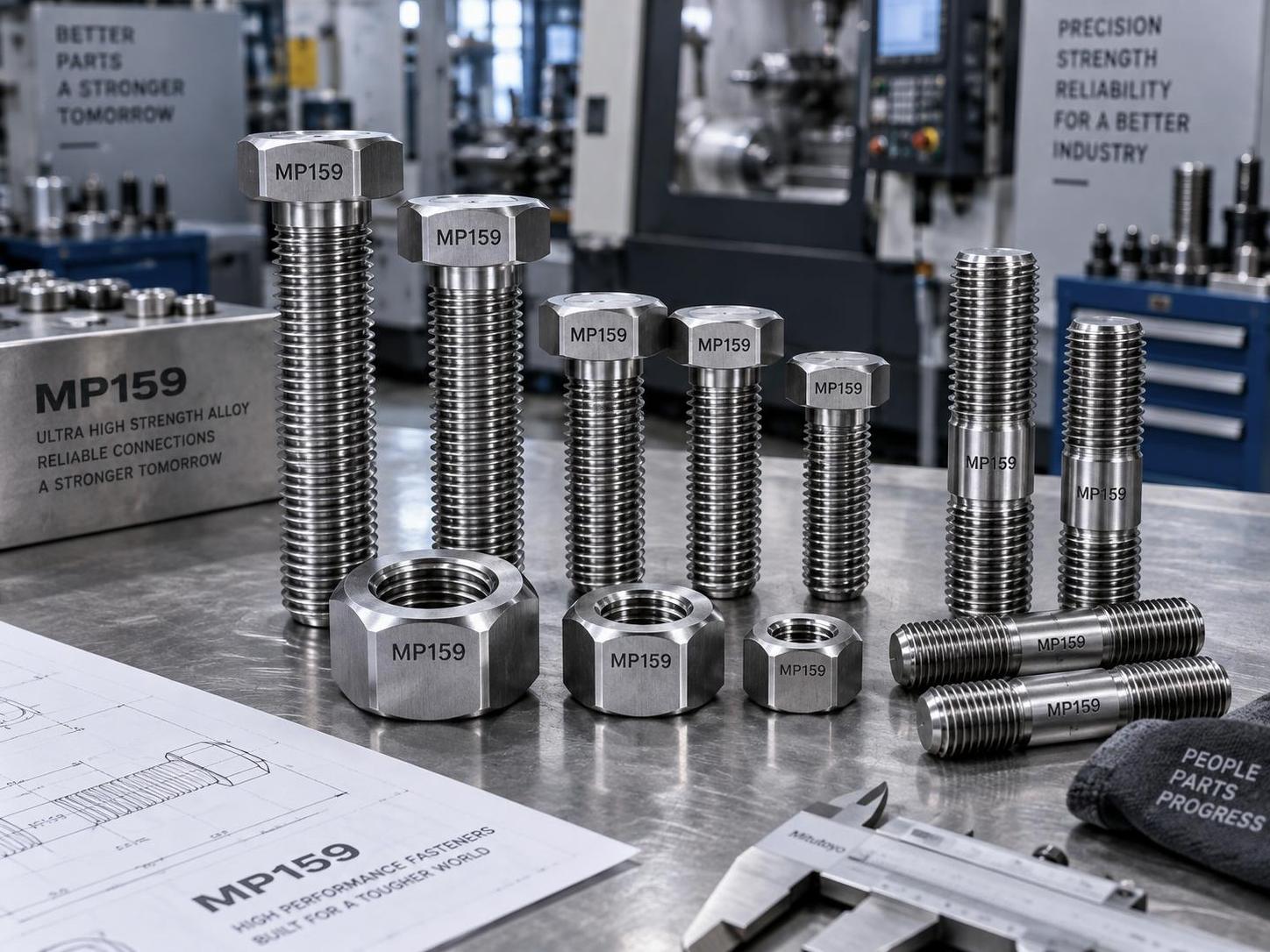
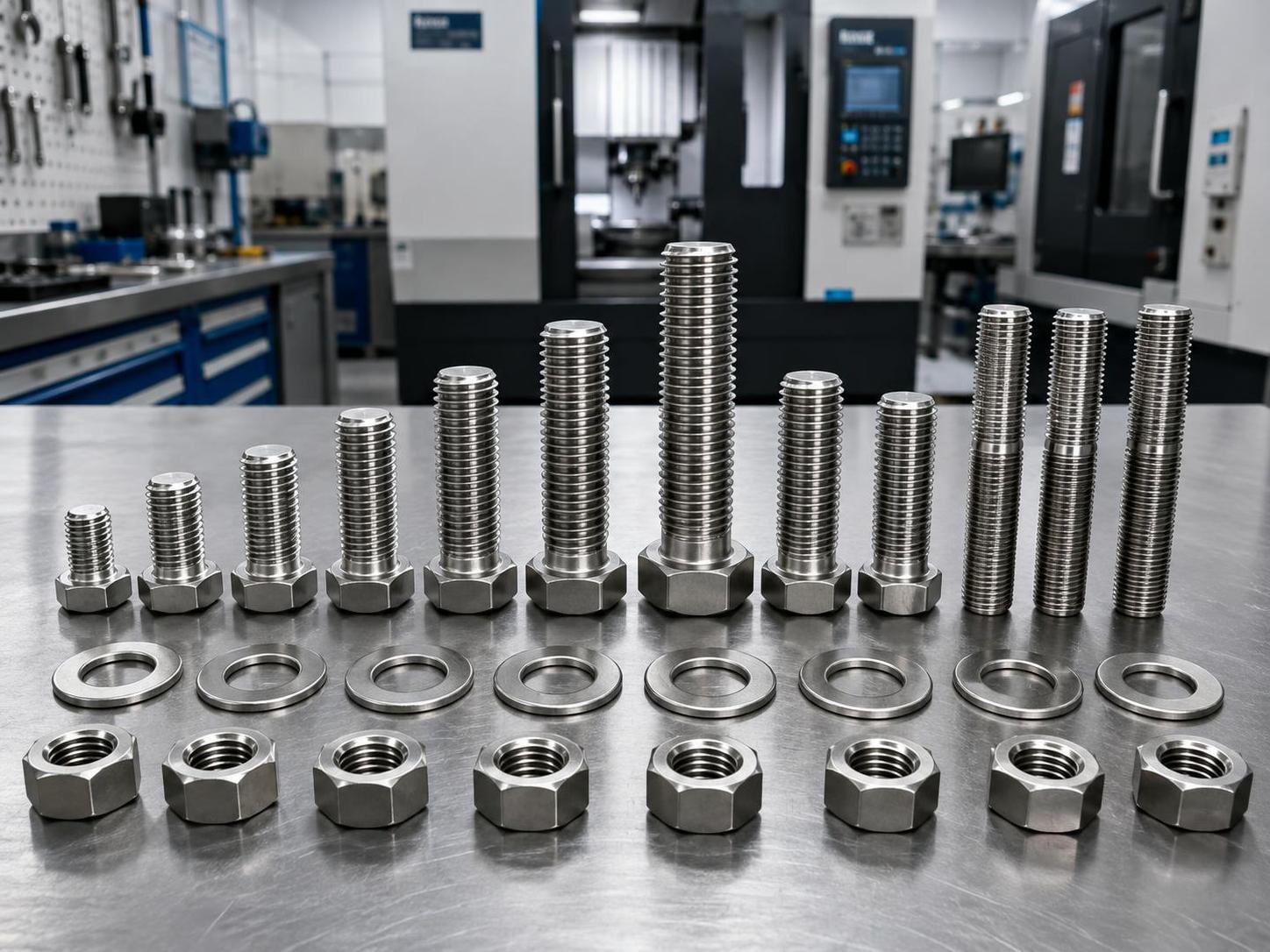
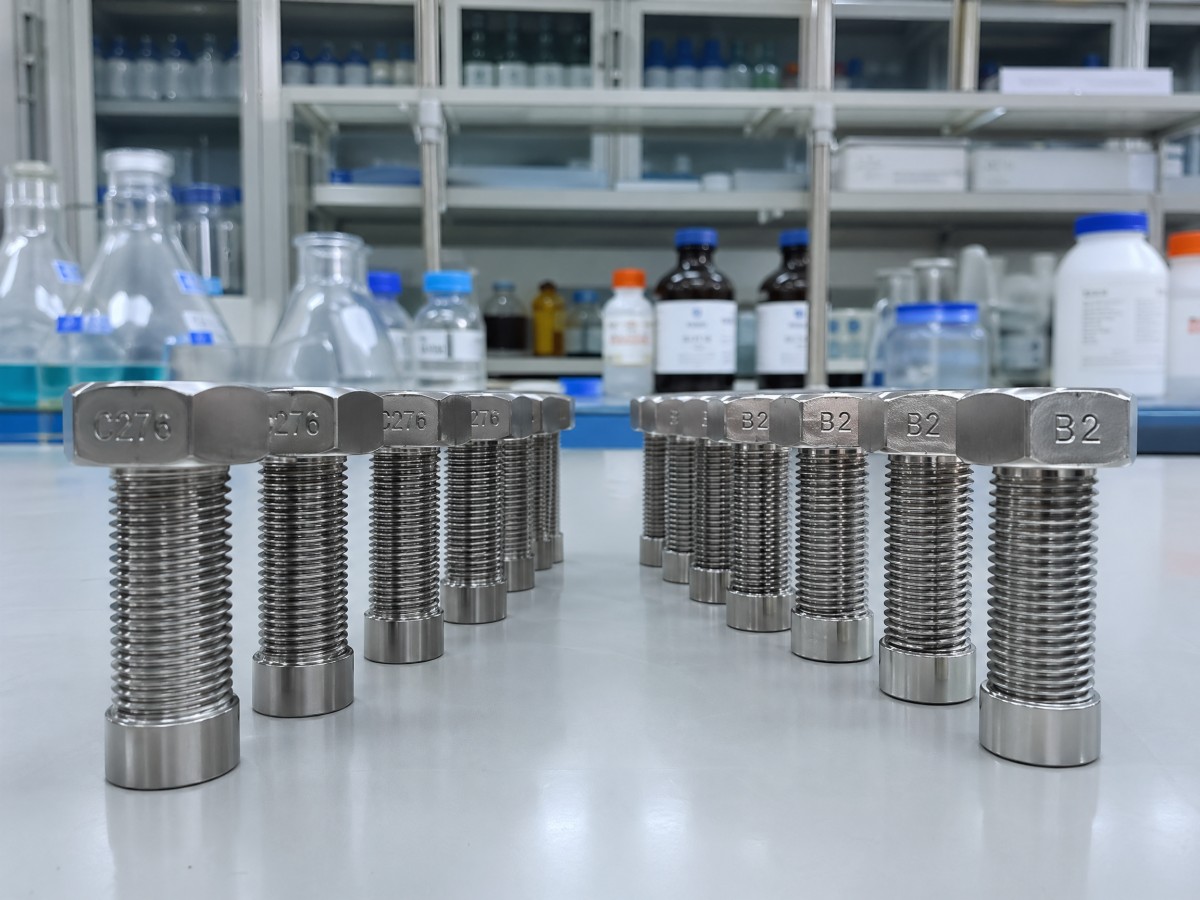
In acid-duty service, choosing between Hastelloy C276 fasteners and Hastelloy B2 fasteners can directly affect corrosion resistance, safety, maintenance frequency, and total lifecycle cost. The short answer is this: if the environment contains mixed acids, oxidizing contaminants, wet chlorine, or process upsets, C276 fasteners are usually the safer and more versatile choice. If the service is strongly reducing and tightly controlled—especially for hydrochloric acid without oxidizing contamination—B2 fasteners can be an excellent specialized option. The right decision depends less on price per bolt and more on actual acid chemistry, contamination risk, operating temperature, and the consequences of failure.
Which alloy is usually the better fit for acid-duty fasteners?
For most real-world chemical processing applications, Hastelloy C276 fasteners are selected more often because they offer broader corrosion resistance across a wider range of acids and upset conditions. They perform well in both reducing and oxidizing environments, which makes them a practical choice for plants where media purity, cleaning chemicals, or trace contaminants may change over time.
Hastelloy B2 fasteners, by contrast, are highly valued in reducing acid service, especially hydrochloric acid, but they are much more sensitive to oxidizing conditions. That means B2 can be the stronger technical choice in the right narrow window, yet the risk rises quickly if the process is not tightly controlled.
If your team is deciding between hastelloy bolts, hastelloy screws, c276 bolts, or hastelloy threaded rod for acid-duty equipment, a useful rule is:
- Choose C276 when service conditions are mixed, variable, uncertain, or exposed to oxidizers.
- Choose B2 when the medium is strongly reducing, well defined, and free from oxidizing contamination.
What matters most to buyers, engineers, and project teams when comparing C276 and B2?
Most decision-makers are not simply asking which alloy is “better.” They are asking which alloy will lower operational risk in their exact service. The most important questions usually include:
- Will the fastener resist the actual acid concentration and temperature?
- What happens if trace oxidizers enter the system?
- Will shutdowns, cleaning cycles, or startup conditions change corrosion behavior?
- How likely are galling, crevice corrosion, or premature thread damage?
- Is the alloy available in the required size, standard, and custom configuration?
- What is the total cost of ownership, not just the purchase price?
For procurement teams and business evaluators, the key issue is often avoiding an under-specified fastener that causes leakage, unplanned maintenance, or safety incidents. For engineers and QA personnel, the concern is usually materials compatibility, code compliance, traceability, and repeatable performance in aggressive media.
How do C276 fasteners and B2 fasteners behave in acid environments?
Hastelloy C276 is a nickel-molybdenum-chromium alloy with strong resistance to a broad range of corrosive chemicals. Its chromium content helps support resistance in oxidizing environments, while the alloy also performs well in many reducing acids. This balanced corrosion profile is why c276 bolts and other C276 fasteners are commonly used in chemical plants, scrubbers, reactors, and pollution-control equipment.
Hastelloy B2 is a nickel-molybdenum alloy designed mainly for strong resistance to reducing acids. It is especially known for strong performance in hydrochloric acid under suitable conditions. However, B2 is not the preferred option where oxidizing media or oxidizing contaminants may be present, because those conditions can sharply reduce its corrosion resistance.
In simple terms:
- C276: broader resistance spectrum, better for mixed and uncertain acid service.
- B2: excellent in controlled reducing acid duty, weaker tolerance for oxidizing exposure.
When is Hastelloy B2 the better choice?
B2 fasteners may be the better choice when the service environment is clearly defined and dominated by non-oxidizing, reducing acids. Typical examples include certain hydrochloric acid systems where concentration, temperature, and contamination are well understood.
B2 may deserve serious consideration when:
- The process medium is primarily hydrochloric acid or another reducing acid.
- Oxidizing ions, ferric contamination, or chlorine-bearing oxidizers are absent or tightly controlled.
- The operation has stable chemistry without frequent cleaning or crossover exposure.
- The engineering team wants to optimize alloy performance for a narrow but known service condition.
In these cases, B2 can deliver strong corrosion resistance and sound service life. But the margin for error is smaller. If the process can drift, if contaminants are possible, or if future operating conditions are not fully predictable, B2 becomes a higher-risk material choice.
When is Hastelloy C276 the safer and more practical option?
Hastelloy C276 fasteners are usually the safer answer when the service is more complex than a pure reducing acid environment. This is especially true in plants where process chemistry changes over time, where cleaning agents are introduced, or where shutdowns and startups expose the equipment to different corrosive conditions.
C276 is often preferred when:
- The acid environment contains mixed acids.
- Oxidizing contaminants may appear unexpectedly.
- Wet chlorine, hypochlorite, ferric ions, or other oxidizing species are possible.
- The fasteners are used in high-consequence equipment where failure risk must be minimized.
- Procurement wants one versatile alloy for multiple corrosive service points.
That is why many buyers choose hastelloy bolts, hastelloy screws, and hastelloy threaded rod in C276 grade for reactors, pressure-containing flanges, pumps, valves, and acid handling systems.
What practical risks are often overlooked during material selection?
Many fastener failures are not caused by choosing a “bad” alloy, but by matching the alloy to an incomplete service description. Several practical issues are often overlooked:
- Trace contamination: Small amounts of oxidizers can change the suitability of B2 dramatically.
- Temperature shifts: Corrosion resistance can change substantially as temperature rises.
- Crevice conditions: Fasteners operate in threaded, shielded, and low-flow areas that may be more severe than open surfaces.
- Maintenance chemicals: Cleaning agents and passivation steps may expose fasteners to different chemistry than normal operation.
- Mixed-metal assemblies: Galvanic interactions and assembly practices can affect long-term reliability.
- Galling during installation: Nickel alloys can gall if tightening procedures, lubrication, or thread condition are not properly controlled.
For this reason, fastener selection should always be based on the real service envelope, not only the main process fluid named on a datasheet.
How should procurement and engineering teams make the final choice?
A good selection process is usually straightforward if the right data are collected early. Teams should confirm:
- Exact acid type, concentration, and purity
- Operating and upset temperatures
- Presence of oxidizers or cleaning chemicals
- Exposure during startup, shutdown, and wash cycles
- Required product form: bolts, nuts, washers, screws, studs, or threaded rod
- Mechanical requirements, standards, and traceability needs
If the environment is broad, variable, or difficult to define with confidence, C276 fasteners are generally the lower-risk investment. If the duty is tightly defined as reducing acid service and especially hydrochloric acid without oxidizing contamination, B2 fasteners may offer a technically targeted solution.
For projects where reliability, safety, and long maintenance intervals matter more than minimizing initial unit price, it is often smarter to choose the alloy with the wider corrosion tolerance window.
Why the right fastener supplier matters as much as the alloy choice
Even the correct alloy can underperform if the fastener quality, dimensional accuracy, or material traceability is poor. In acid-duty applications, buyers should look for a supplier that can provide:
- Clear material certification and traceability
- Experience with specialty metal fasteners for corrosive service
- Standard and custom sizes
- Technical guidance on alloy selection
- Consistent manufacturing quality for threads, tolerances, and surface condition
RAYCHIN LIMITED focuses on the development, manufacturing, and global supply of high-performance specialty metals fasteners, including standard and customized solutions. For projects involving aggressive chemical media, this kind of technical support can help teams reduce selection errors and align fastener materials with actual operating risk.
Final verdict: C276 fasteners or B2 fasteners for acid duty?
If you need one clear conclusion, it is this: choose Hastelloy C276 fasteners for broader acid resistance and higher tolerance to mixed or oxidizing conditions; choose Hastelloy B2 fasteners only when the service is clearly reducing, controlled, and free from oxidizing contamination.
In many industrial acid-duty applications, uncertainty is the deciding factor. That is why C276 bolts and other C276 fasteners are often the more practical long-term choice. But in the right hydrochloric or reducing-acid environment, B2 can still be the better specialized material.
The best decision comes from matching the alloy to the full process reality: chemistry, temperature, contamination risk, maintenance exposure, and failure consequence. When those factors are evaluated correctly, the selected fastener will not only resist corrosion better, but also support safer operation and lower lifecycle cost.
Request A Quote! We'll respond as soon as possible(within 12 hours)
Get a Quote