
Categories List
Recent Posts
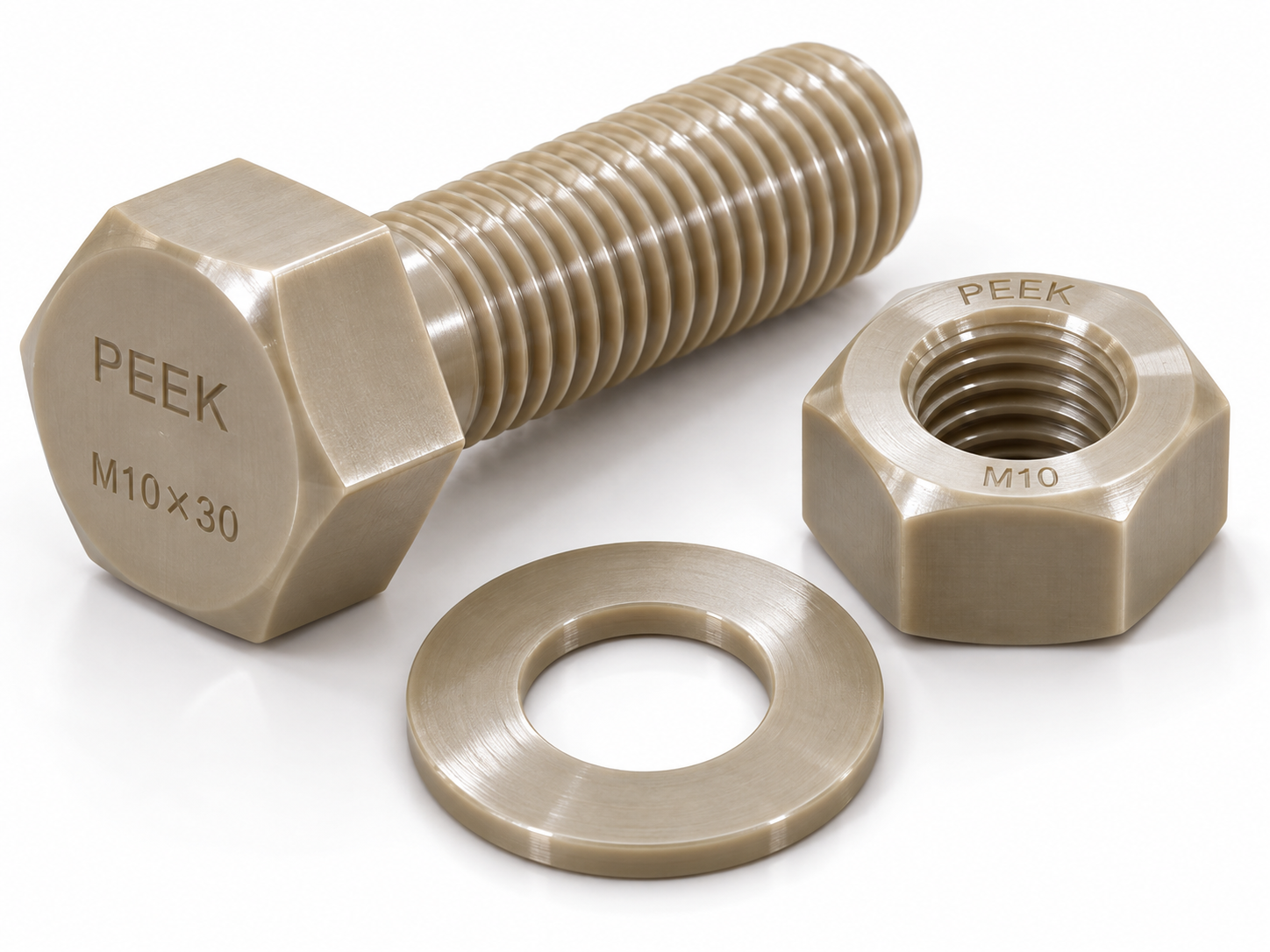
 PEEK Fasteners | Polyetheretherketone Bolts, Nuts, Screws – High-Performance Polymer | RAYCHIN LIMITED
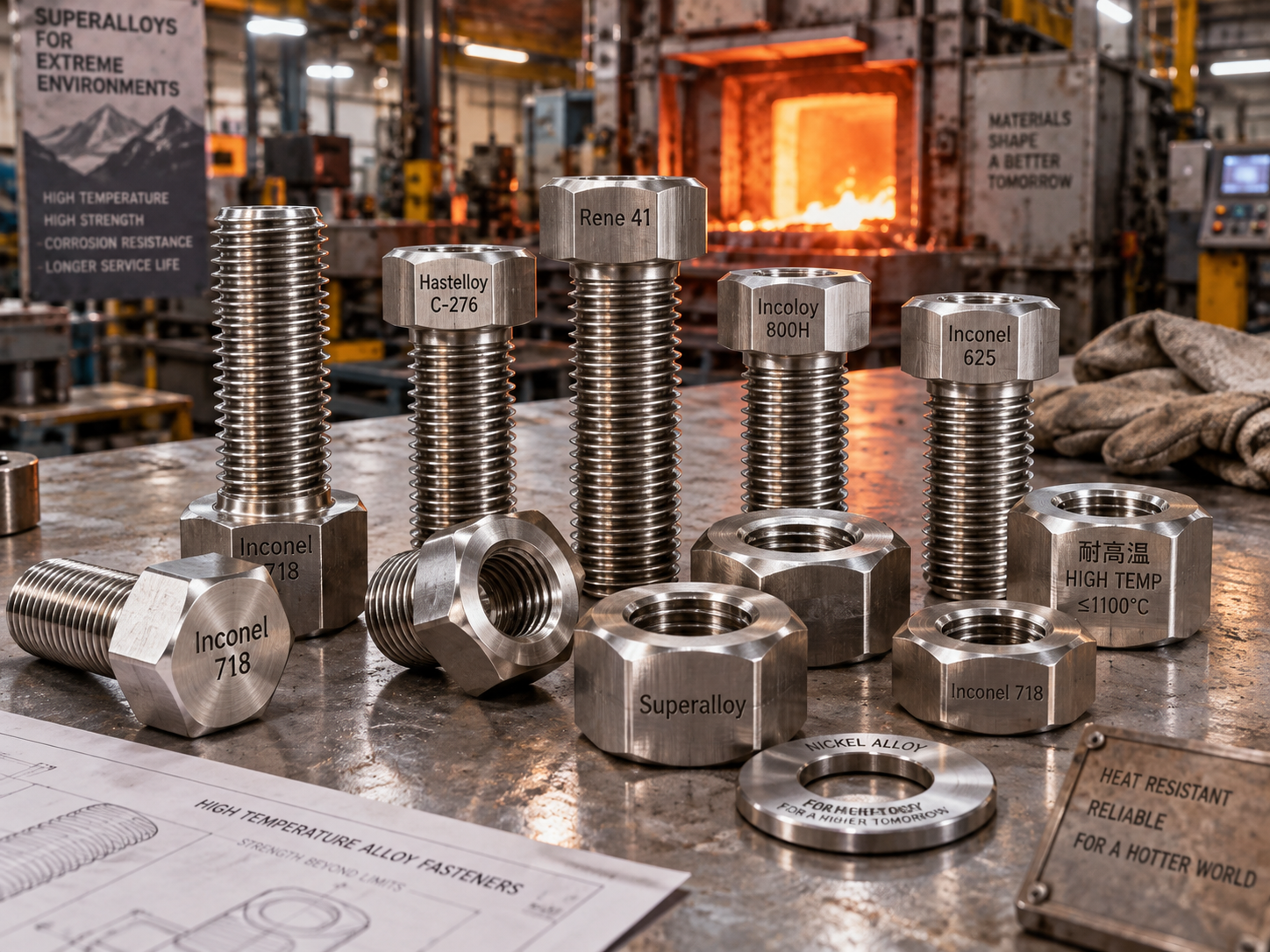
 High-Temperature Alloy Fasteners: Complete Material Guide, Chemistry, Performance Comparison | RAYCHIN LIMITED
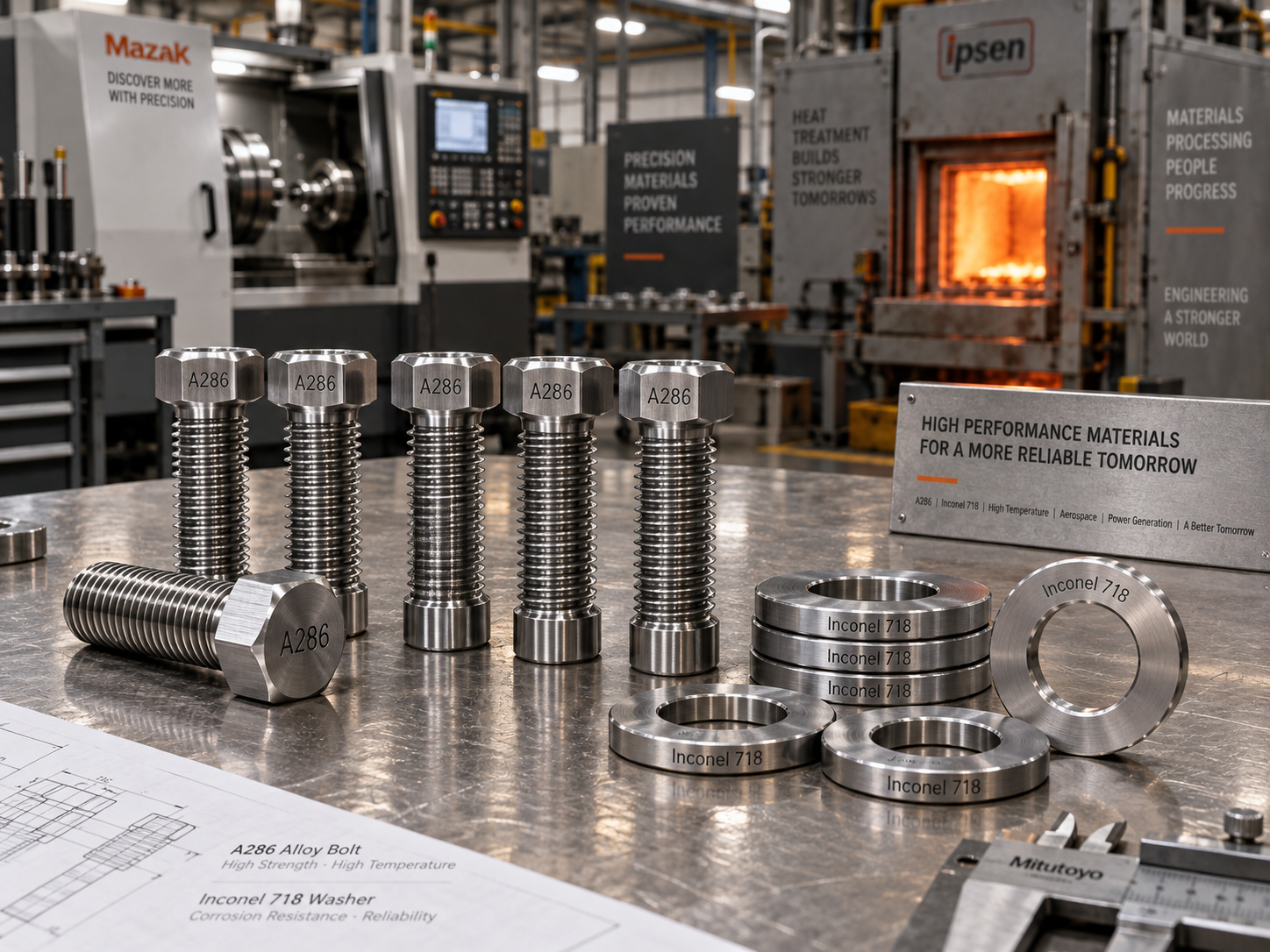
 High-Temperature Fastener Material Selection Guide | A286, Inconel 718, Nimonic 80A, Waspaloy – RAYCHIN LIMITED
Understanding the Core Factors Influencing Hastelloy C276 Bolt Durability
Hastelloy C276 bolts play a critical role in ensuring long-term reliability under extreme conditions involving heat, corrosion, and pressure. Understanding what affects the durability of these Hastelloy fasteners is essential for engineers and procurement professionals seeking optimal performance in demanding environments. This introduction explores how material composition, manufacturing quality, and environmental stress influence the lifespan of Hastelloy C276 fasteners, providing valuable insight for selecting the best Hastelloy bolts, screws, and threaded rods for industrial applications.
Hastelloy C276 is a nickel-molybdenum-chromium alloy designed to offer exceptional corrosion resistance in both oxidizing and reducing environments. Its microstructure provides stability against pitting, stress corrosion cracking, and crevice corrosion, even in aggressive chemical operations. However, despite its inherent strength, the durability of Hastelloy bolts heavily depends on specific external and manufacturing factors that can influence their service life by up to 40% in certain industrial conditions.
To achieve optimal durability, factors such as alloy purity, heat treatment method, surface finishing technique, and environmental exposure must be carefully controlled. For decision-makers and technical teams within chemical plants, power generation facilities, or offshore platforms, understanding these influencing variables translates into improved operational safety, lower maintenance cost, and extended asset lifespan.
As a global leader in specialty metal fasteners, RAYCHIN LIMITED focuses on developing and distributing high-performance solutions capable of maintaining mechanical integrity under extreme conditions. This expertise enables engineers to select materials not just by specification standards such as ASTM B574 or ASME SB574, but also by how they interact with specific process environment variables including temperature ranges of 200°C–900°C and pH fluctuations between 0.5–14.
Material Composition and Metallurgical Factors
The material composition of Hastelloy C276 bolts is the first and perhaps most critical determinant of their durability. This alloy typically contains 57%–63% nickel, 15%–17% molybdenum, and 14.5%–16.5% chromium, with minor additions of tungsten, iron, and cobalt. Each element serves a distinct role: nickel ensures toughness, molybdenum enhances resistance against reducing media, and chromium strengthens the protective oxide layer. The synergy of these elements forms the foundation for the corrosion resilience widely recognized in Hastelloy applications.
Even small deviations in alloy composition can lead to significant changes in corrosion performance. For example, reducing molybdenum content by just 1% can compromise resistance to hydrochloric acid environments by nearly 12%. Therefore, quality assurance in alloy blending and melting under controlled inert conditions is critical. Manufacturers like RAYCHIN LIMITED employ spectrometric verification systems during alloy production to ensure each batch meets or exceeds the composition tolerance specified by ASTM.
Another vital factor is the microstructural stability of the alloy. Inappropriate heat treatment can result in the formation of detrimental phases such as M₆C carbides along grain boundaries, leading to intergranular attack. An optimized thermal cycle—typically heating to 1175°C–1200°C followed by rapid quenching—is essential to maintain homogeneity. This process enhances ductility and ensures that tensile strength remains above 760 MPa while elongation exceeds 40%, even after prolonged service exposure.
Material cleanliness also affects the initiation of localized corrosion. Traces of sulfur or phosphorus impurities, even in ppm levels, can accelerate galvanic sites. Premium manufacturing practices target impurity control under 0.015%, which RAYCHIN’s metallurgical processes consistently achieve through refined vacuum induction melting (VIM) and vacuum arc remelting (VAR).
This composition balance enables Hastelloy C276 to endure chloride-rich marine atmospheres and mixed acid streams in chemical reactors, proving why it remains a preferred material in the metal processing equipment industry. Procurement teams should always verify material certificates specifying exact percentage ranges before accepting critical fasteners into service.
Manufacturing Quality and Surface Treatment
The second major determinant of bolt longevity is manufacturing precision and the applied surface treatment process. In precision forging, hot working temperatures between 900°C–1150°C ensure crystal integrity and prevent grain boundary deformation. Each production stage—from forging and threading to annealing—must adhere to controlled cycles. Any deviation can increase internal stress levels by over 15%, reducing bolt fatigue resistance.
Thread integrity plays a significant role in ensuring load distribution. ISO metric threads with 6g tolerance, conforming to ASME B1.13M, are typically recommended. Improper threading can lead to micro-cracking under tension, decreasing fatigue life by up to 25%. RAYCHIN LIMITED employs CNC-controlled rolling machines capable of ±0.01 mm dimensional accuracy, eliminating surface tearing and ensuring repeatability across large production batches.
Surface finish treatments, including passivation and shot peening, directly impact corrosion behavior. A smooth surface finish of 0.8 µm Ra or better minimizes the nucleation sites for pitting. Following ASTM A967, chemical passivation removes free iron residues that can act as localized corrosion triggers, while peening introduces compressive residual stress improving fatigue strength by 10%–20% depending on loading conditions.
Non-destructive testing and inspection processes form the final quality assurance layer. Ultrasonic flaw detection ensures internal uniformity, while salt-spray testing under ASTM B117 establishes comparative corrosion data across time intervals such as 240, 480, and 1000 hours. Comprehensive inspection records certify that only defect-free batches proceed to packaging.
These processes jointly contribute to a consistent quality level demanded in power generation turbines, petrochemical refineries, and marine engine assemblies, where maintenance intervals often extend over 18–36 months.
Environmental Stressors and Operating Conditions
Even the finest alloy and most carefully manufactured fasteners will degrade quicker if subjected to improper environmental exposure. Hastelloy C276 excels in reducing and oxidizing media; however, certain combinations of high temperature and concentrated chlorides can still challenge its stability. Corrosion rate increases nearly twofold when the temperature rises from 250°C to 400°C in acid solutions containing 5% chlorides.
Mechanical stress, including cyclic loading or vibration common in rotating machines, can also hasten fatigue. Under repeated shear conditions exceeding 80% of yield strength, micro-structural fatigue initiates after roughly 10⁶ cycles. For this reason, correct torque application—derived using a 0.18 friction coefficient—and regular torque audits are indispensable to minimize loosening and stress concentration during extended operations.
Chemical compatibility must be evaluated for each installation. In metal processing systems handling sulfuric, hydrochloric, or phosphoric acids, Hastelloy maintains an average corrosion rate under 0.5 mm/year, while stainless steels may degrade beyond 2 mm/year. This fourfold advantage underscores why C276 remains preferred for reactors, heat exchangers, and pulp & paper bleaching systems where corrosive vapors can compromise less noble alloys.
- Temperature range for optimal use: up to 1100°C continuous exposure.
- pH tolerance: full stability from pH 0 to 14 for aqueous solutions.
- Chloride threshold: up to 500 ppm without pitting initiation.
- Recommended inspection interval: every 12 months under continuous service.
These parameters guide equipment operators to determine realistic maintenance intervals and replacement cycles. Understanding environmental variables allows engineers to avoid operational modes that might reduce bolt life by more than 30% due to unmitigated electrochemical or thermal stress.
Selection and Procurement Considerations for Industrial Projects
Selecting Hastelloy C276 bolts for metal processing equipment requires alignment between technical requirements, compliance standards, and procurement objectives. Decision-makers should evaluate at least four dimensions: mechanical performance, corrosion suitability, certification adherence, and aftersales support. A structured evaluation matrix helps narrow down the supplier capable of consistent delivery within 6–8 weeks production lead time, ensuring both cost and reliability balance.
Procurement teams frequently request dual-certified materials meeting both ASTM B574 and EN 2.4819 to accommodate globally distributed equipment manufacturing. Beyond the certificate itself, inspection traceability such as heat numbers and mill test reports (MTRs) provides assurance that every bolt can be traced back to its alloy batch. Maintaining a documentation retention period of at least 5 years aligns with ISO 9001 and AS9100 compliance for aerospace and energy projects.
Considerations should also include logistics and packaging methods. Given the density of C276 (8.89 g/cm³), bulk shipments should employ corrugated packaging with moisture absorbers to maintain optimal humidity levels under 50% RH during transport. For large multinational procurement, specifying INCOTERMS such as DDP or CFR can secure predictable delivery cost and transit accountability.
Recommended Procurement Criteria
- Mechanical strength ≥ 760 MPa (as per ASTM B574)
- Corrosion rate < 0.5 mm/y under 5% HCl@70°C
- Heat treatment per AMS 2770 to avoid sigma phase development
- Dimensional tolerance within ±0.01 mm for thread fit
- Delivery cycle within 6–8 weeks after PO confirmation
- Supplier must offer test raw data and lot-wise uniformity reports
By following these parameters, project managers can confidently approve material lists and reduce the probability of downtime or premature fastener failure during plant commissioning. As an established specialist, RAYCHIN LIMITED not only meets but exceeds these expectations through integrated production and technical advisory frameworks serving over 40 industries worldwide.
Maintenance, Inspection, and Lifecycle Optimization
Regular inspection and maintenance extend the life of Hastelloy bolts in aggressive environments. Despite superior corrosion resistance, crevice deposits, mechanical vibration, and thermal cycling gradually deteriorate even the best material. Implementing a lifecycle-oriented maintenance plan divided into three major intervals—initial commissioning (0–6 months), stable operation (6–24 months), and long-term assessment (>24 months)—ensures continuous functionality.
Visual inspection frequency should be determined based on service severity categories. For instance, marine substructures exposed to high salinity require quarterly checks, while chemical reactors can be inspected biannually if conditions remain stable. In each inspection phase, torque values should be reverified since loss of preload exceeding 15% often indicates hidden surface degradation or gasket creep.
Maintenance practices may include hydrogen de-embrittlement relief annealing and replacement of fasteners once any corrosion pit exceeds 0.25 mm depth. Applying anti-seize lubricants compatible with nickel alloys reduces galling and facilitates reassembly during shutdowns. Predictive maintenance based on vibration and strain measurements can further optimize replacement cycles, cutting total maintenance cost by 10%–15% annually.
For industries operating 24/7, bolt lifespan prediction models based on corrosion rate (mm/year), cycle frequency, and bolt grade offer data-driven insights. For example, if corrosion loss averages 0.4 mm/y and yield reduction threshold is 2 mm, safe operating life approximates 5 years under constant exposure—a metric vital for budgeting and maintenance scheduling.
FAQ: Practical Questions About Hastelloy C276 Bolts
How should I select between Hastelloy C276 and other nickel alloys?
While alloys like Inconel 625 offer higher high-temperature strength (up to 980°C), Hastelloy C276 provides far better chemical resistance in reducing acid media. If your application involves mixed acid or chloride environments under 400°C, C276 outperforms alternatives by maintaining stable passivation and reducing maintenance intervention frequency.
What is the typical delivery timeline for custom Hastelloy C276 fasteners?
Typical lead time for customized dimensions ranges between 6–10 weeks depending on bolt length and quantity. Standard M6–M24 stock items may ship within 7–15 business days, achieving full mechanical and chemical certification prior to dispatch. RAYCHIN LIMITED’s global logistics system ensures dependable supply across regions.
Are there common misuse risks with Hastelloy C276 bolts?
A frequent misuse involves employing standard carbon steel nuts or washers alongside Hastelloy bolts. This setup leads to galvanic corrosion, accelerating degradation—voltage potential between carbon steel and Hastelloy can reach up to 0.5 V. To prevent such issues, ensure matching alloys or electrically insulated interfaces are used.
How often should torque values be checked?
Torque should be inspected during each scheduled maintenance cycle, typically every 6–12 months. In high-vibration systems exceeding 1500 rpm rotating equipment, torque verification intervals of 3 months are advised. Loss beyond 10% requires re-tightening or fastener replacement depending on wear signs.
Conclusion and Action Call
The durability of Hastelloy C276 bolts in harsh environments depends on a combination of factors spanning material purity, heat treatment discipline, manufacturing precision, and operational care. By maintaining control across these variables, industries such as petrochemical, offshore oil and gas, and metal processing can prolong bolt life and reduce unplanned maintenance downtime by up to 20%.
RAYCHIN LIMITED, with its advanced material expertise and global technical network, offers customizable Hastelloy C276 fasteners designed for uncompromised reliability under the most demanding conditions. Whether you are a procurement manager seeking supplier qualification or an engineer defining process specifications, RAYCHIN provides tailored insight and timely supply that transforms long-term asset reliability.
To discover optimized fastening solutions for your projects, contact RAYCHIN LIMITED today to request technical consultation, detailed product specifications, or a customized quote aligned with your operational parameters.
Request A Quote! We'll respond as soon as possible(within 12 hours)
Get a Quote