
Categories List
Recent Posts
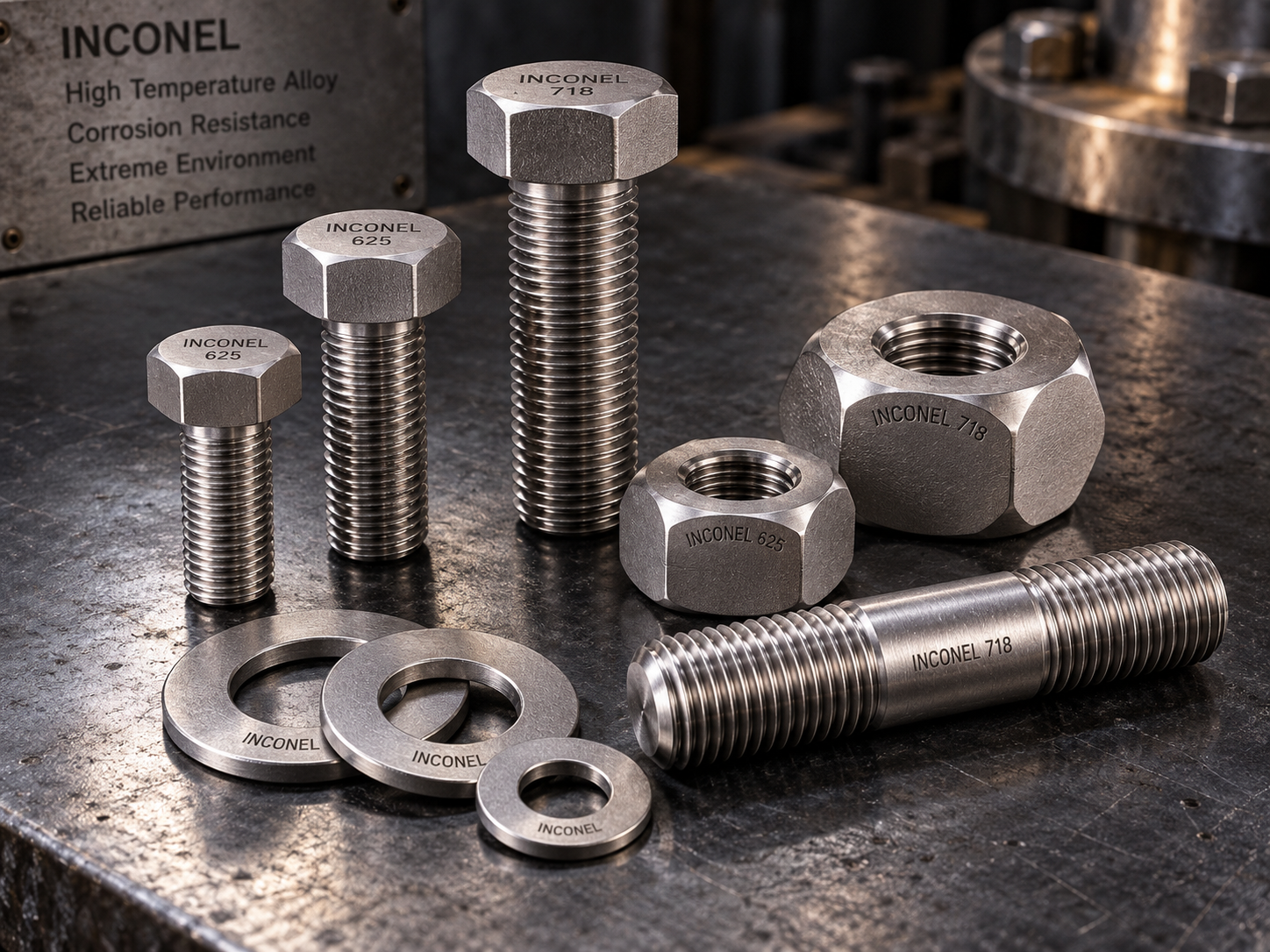
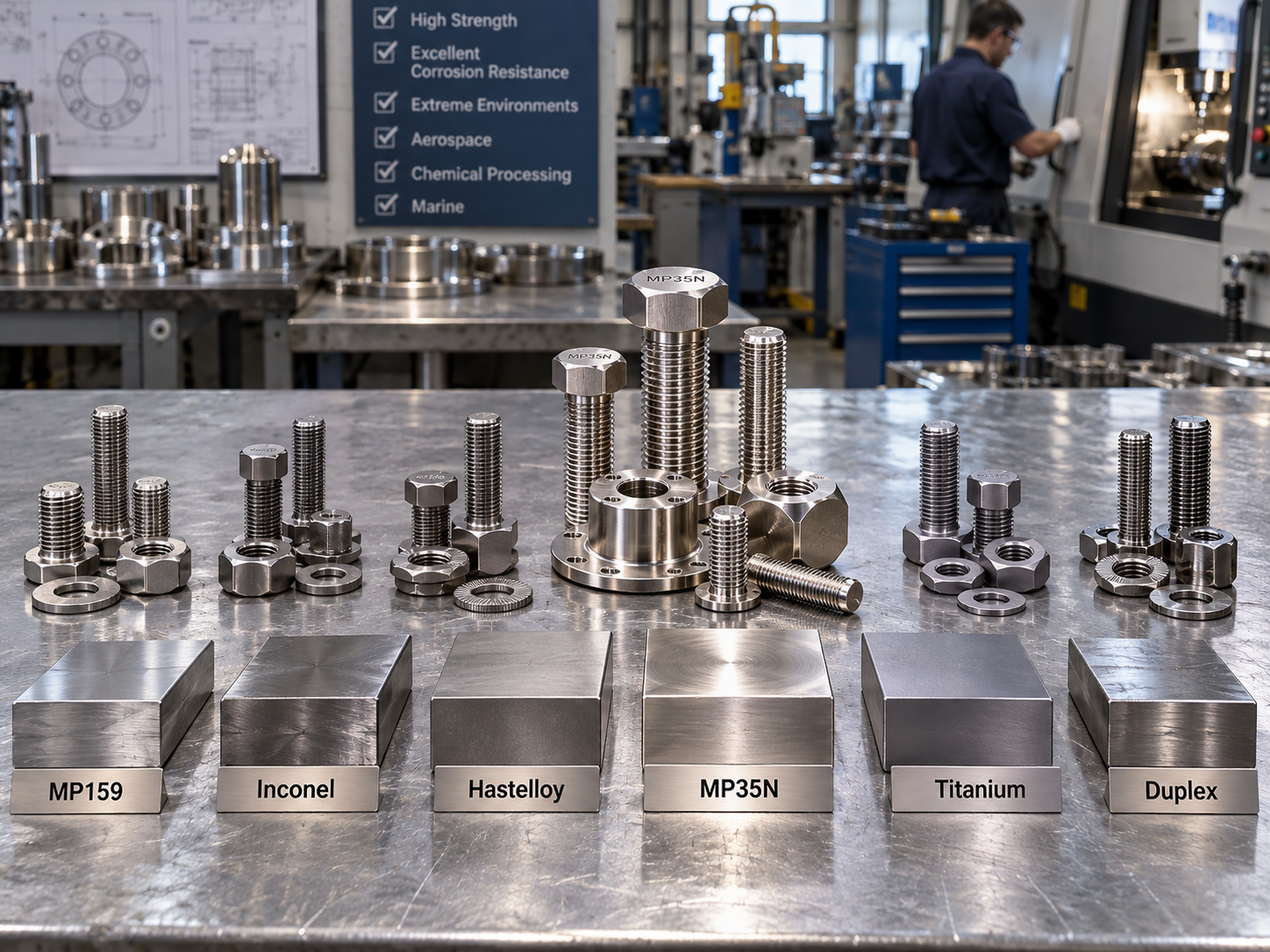
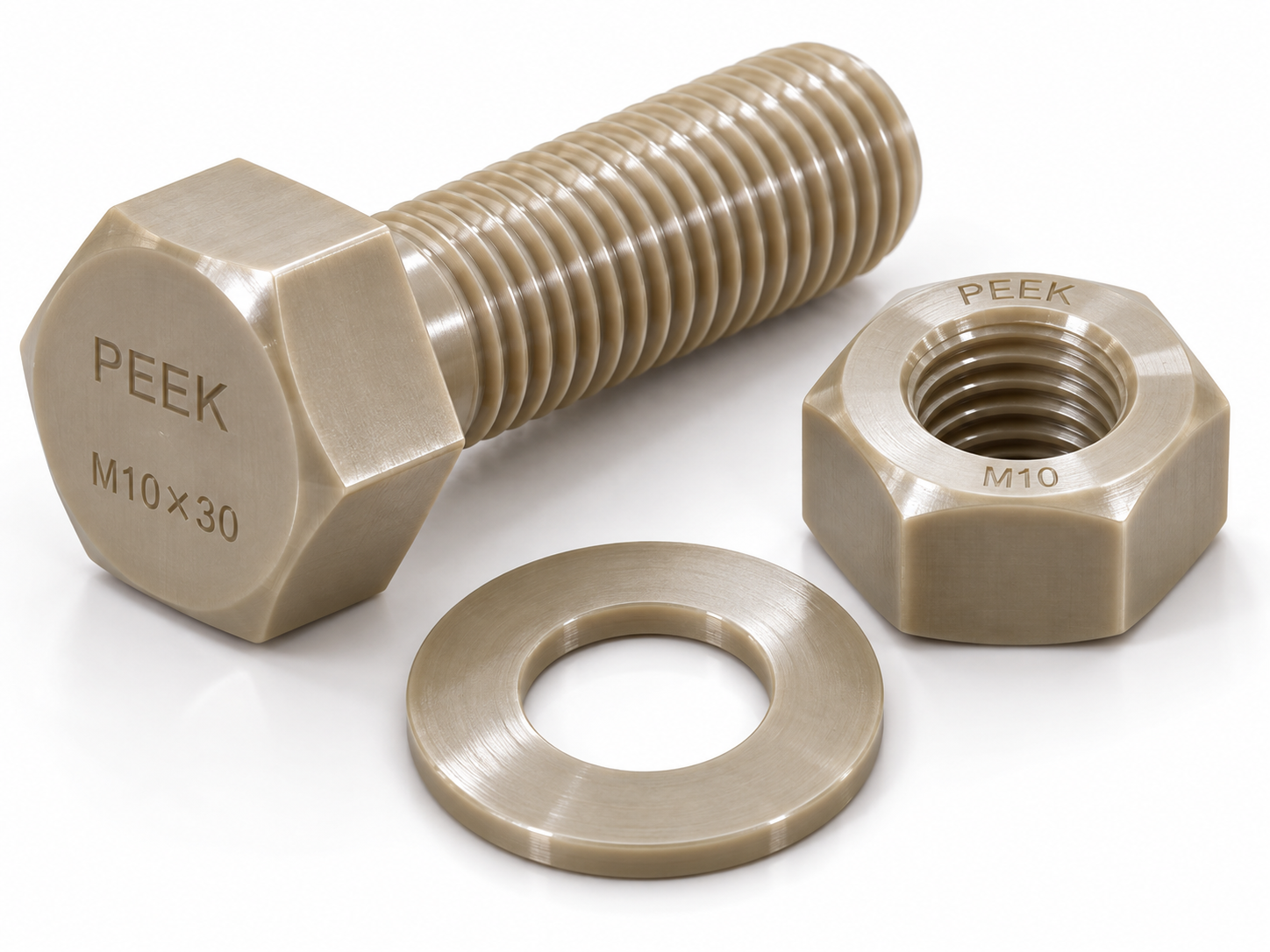
Choosing between Monel 400 bolts and K500 fasteners can be a defining decision for engineers seeking optimal performance in demanding environments. As a trusted global supplier of monel fasteners, including monel rivets, monel bolts, and monel screws, RAYCHIN LIMITED offers the technical insight necessary to understand alloy behavior under corrosion, strength, and service conditions. This introduction explores when to specify Monel 400 bolts instead of K500—an essential consideration for materials engineers, procurement experts, and quality controllers dedicated to durable, high‑performance assemblies.
Understanding the Metallurgical Difference Between Monel 400 and Monel K500
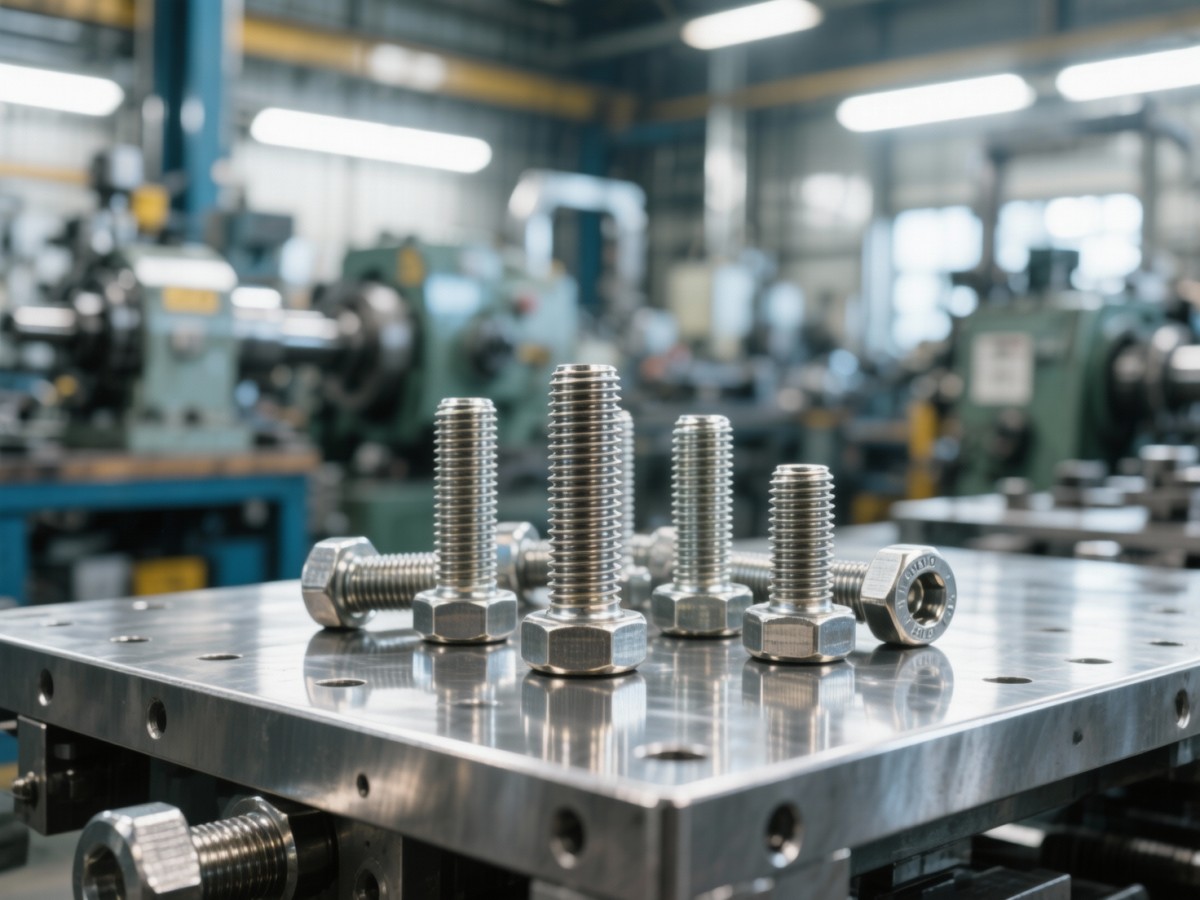
Both Monel 400 and Monel K500 belong to the nickel-copper family known for exceptional corrosion resistance, particularly in marine and chemical environments. However, the fundamental metallurgical difference lies in their composition and strengthening method. Monel 400 is a solid-solution alloy with roughly 63% nickel and 30% copper, providing excellent ductility and weldability. K500, on the other hand, incorporates aluminum and titanium to enable age-hardening, which significantly increases tensile and yield strength by nearly 30–35% without compromising corrosion resistance in many but not all conditions.
In practical metalworking environments, the mechanical properties of K500 make it suitable for static or high-load assemblies, while Monel 400’s malleability excels in dynamic or cyclic loading situations where slight deformation helps relieve stress. Measurements under ASTM B164 and AMS 4676 standards show yield strengths of 170–240 MPa for Monel 400 and up to 690–760 MPa for Monel K500. Yet the hardening process in K500 can make it slightly susceptible to stress-corrosion cracking in some alkaline chloride conditions, a factor often overlooked in fastener selection.
The microstructure of Monel 400 remains stable under temperatures up to 480°C, while K500 can sustain mechanical integrity up to approximately 600°C when properly heat-treated. This difference influences their service lifespan and makes alloy selection critical for long-term performance in petroleum, power-generation, and shipbuilding applications.
Data from multi-environment testing in salt spray (5% NaCl for 500 hours) showed Monel 400 maintaining a uniform corrosion rate near 0.02 mm/year, versus 0.025 mm/year for K500, highlighting the influence of precipitate structures on electrochemical stability. For assemblies exposed to continuous immersion, Monel 400 often provides steadier behavior with less galvanic mismatch.
Comparative Overview of Alloy Performance
The table below summarizes the essential mechanical and environmental properties that guide engineers when choosing between Monel 400 and Monel K500 bolts in metalworking systems.
While K500 offers greater strength, Monel 400’s consistent performance against corrosion often positions it as the preferred choice in marine bolt assemblies, pump shafts, and heat exchanger connections. The decision ultimately depends on a balance between mechanical load, corrosion intensity, and installation constraints.
When to Specify Monel 400 Bolts Over K500 Fasteners
In design meetings, the classic debate arises: should the assembly prioritize strength or corrosion uniformity? Monel 400 bolts are typically specified in continuous seawater immersion, hydrofluoric acid processing, and brine handling systems—conditions where minimal precipitation phases improve surface stability over time. Conversely, Monel K500 is typically chosen in high-load mechanical linkages, shaft couplings, or torque-intensive joints where yield strength requirements can exceed 600 MPa.
A materials engineer may specify Monel 400 bolts for offshore piping flanges operating at 200°C, where cyclic pressure ranges between 8–15 MPa. In contrast, K500 fasteners would perform better in high-shock valve systems with intermittent loads and mechanical vibrations exceeding 120 Hz. However, when assemblies require welding or cold forming on site, Monel 400’s ductility simplifies fabrication, reducing risk of microcrack initiation during threading or bending processes.
Procurement teams should also consider delivery schedules: Monel 400 bolts can often be produced in 3–4 weeks for custom sizes, while age-hardening K500 typically extends lead times to 6–8 weeks due to its heat treatment schedule. For urgent replacements or maintenance downtime below 10 days, Monel 400 provides practical agility.
In corrosion testing across pH ranges of 4–9, Monel 400 exhibits nearly 10–15% better stability in ammonia and organic acid exposure, which is critical in metal processing facilities where fluctuating chemistry can alter surface reactivity.
Checklist: Situations Favoring Monel 400
- Assemblies exposed to seawater or brine flow exceeding 1000 hours continuous immersion.
- Constructs requiring onsite forming, threading, or welding within ±5 mm precision tolerance.
- Applications with service temperatures below 450°C but continuous cyclic stress.
- Maintenance intervals shorter than 12 months, demanding predictable anti-corrosion behavior.
These scenarios demonstrate why metallurgical simplicity sometimes wins over raw strength, aligning with RAYCHIN LIMITED’s philosophy of material optimization for functional reliability under real-world conditions.
Procurement Guide: Evaluating Technical and Commercial Priorities
For procurement personnel and project managers, alloy selection transcends mere mechanical specifications. It involves a multidimensional evaluation of performance, lifecycle cost, machining feasibility, and certification pathways. RAYCHIN LIMITED’s procurement advisory emphasizes 5 key evaluation dimensions typically reviewed during the material selection phase lasting 2–3 weeks before production approval.
These dimensions include: (1) mechanical loading profile, (2) corrosion exposure environment, (3) fabrication process compatibility, (4) maintenance frequency expectations, and (5) compliance with international fastener standards such as ASTM B564 and ASME SB164. Each must be cross-checked to ensure that the selected fastener alloy minimizes long-term maintenance costs while aligning with operational targets.
Below is a procurement-focused comparison showing practical decision variables between Monel 400 and K500 based on commercial and technical inputs over typical delivery cycles of 3–8 weeks.
This data-driven comparison reveals how Monel 400 may reduce project startup delays and machining effort in mid-scale production runs. When budgets aim for total lifecycle optimization over 5–7 years, combining Monel 400 for corrosion-exposed components and K500 for load-bearing parts often provides the most balanced strategy.
Procurement Recommendations
- Validate required torque range (typically 30–300 N·m) before choosing alloy grade.
- Ensure vendor testing certificates within ±2% accuracy under ASTM B164 compliance.
- Request 3D modeling samples within 7 days to confirm thread pitch compatibility.
- Consider hybrid sourcing—mixing Monel 400 bolts with K500 nuts for cost balance.
With RAYCHIN LIMITED’s integrated supply chain and customized machining capability, customers can select optimized alloy configurations, meeting both performance and delivery objectives under a single quality management framework.
Common Misjudgments and FAQ from Practitioners
Even experienced engineers may misapply these two alloys due to overlapping corrosion data. Monel 400 is often underestimated for mechanical resilience, while K500 is incorrectly assumed to exceed it in all corrosion metrics. The following FAQ module addresses frequent procurement doubts, helping prevent inadequate fastener specification in critical installations.
Q1: Is Monel 400 too soft for load-bearing joints?
Not necessarily. Monel 400’s tensile strength (~480 MPa) supports moderate mechanical loads efficiently in assemblies with even load distribution. When fastener diameter exceeds M20 and torque loads stay below 50% of yield stress, it offers sufficient structural integrity, particularly in heat exchangers and marine driveshafts.
Q2: Can K500 be fabricated in the field for repair?
K500 fasteners are more challenging to modify onsite due to age-hardening. Cold forming under less than 10 kN/cm² pressures risks micro-crack propagation at the grain boundaries. For field repairs, pre-machined spares or replacement with Monel 400 bolts featuring slightly lower hardness (~130 HB) enhances operational safety and efficiency.
Q3: How does galvanic compatibility influence selection?
In assemblies with dissimilar metals such as stainless steel 316 or bronze, Monel 400’s uniform electrochemical potential minimizes galvanic current. K500, due to its precipitated phases, may introduce 10–15% higher galvanic differential under humid conditions, which can accelerate adjacent metal degradation in less than 2000-hour salt fog exposure tests.
Q4: What are delivery and testing lead times at RAYCHIN LIMITED?
Standard Monel 400 bolts can be prototyped within 15 working days, with mechanical and corrosion testing completed in an additional 5–7 days. K500 fasteners typically follow a 25–30 day cycle including precipitation hardening and dimensional tolerance verification under ±0.05 mm control for critical features.
Why Consult RAYCHIN LIMITED for Alloy Selection
Selecting between Monel 400 bolts and Monel K500 fasteners is not merely an alloy comparison—it’s a technical decision impacting system longevity, maintenance cost, and operational uptime. RAYCHIN LIMITED, as a global leader in Specialty Metals Fasteners, integrates metallurgical engineering with practical application guidance across more than 40 industries, from petrochemical to marine construction.
Our materials experts support engineers through a four-phase consultation process: (1) environment assessment within 3 business days, (2) performance modeling simulation, (3) alloy feasibility verification based on ASTM and EN standards, and (4) production parameter alignment for stable output. This systematic engagement ensures customers receive fasteners that meet both operational and economic goals.
RAYCHIN LIMITED provides tailored recommendations on:
- Material and mechanical property confirmation under ASME B18 and ISO 898 frameworks.
- Accelerated prototype and sampling support within 10–12 days.
- Custom fastener geometry optimization for equipment retrofits and OEM supply.
- Post-sales performance monitoring and corrosion trend reporting every quarter.
To explore which alloy best fits your operating environment, engineering budget, and compliance requirements, contact RAYCHIN LIMITED’s technical advisory team for detailed alloy evaluation, parameter confirmation, and custom quotation proposals aligned with your project schedule.
Request A Quote! We'll respond as soon as possible(within 12 hours)
Get a Quote