
Categories List
Recent Posts
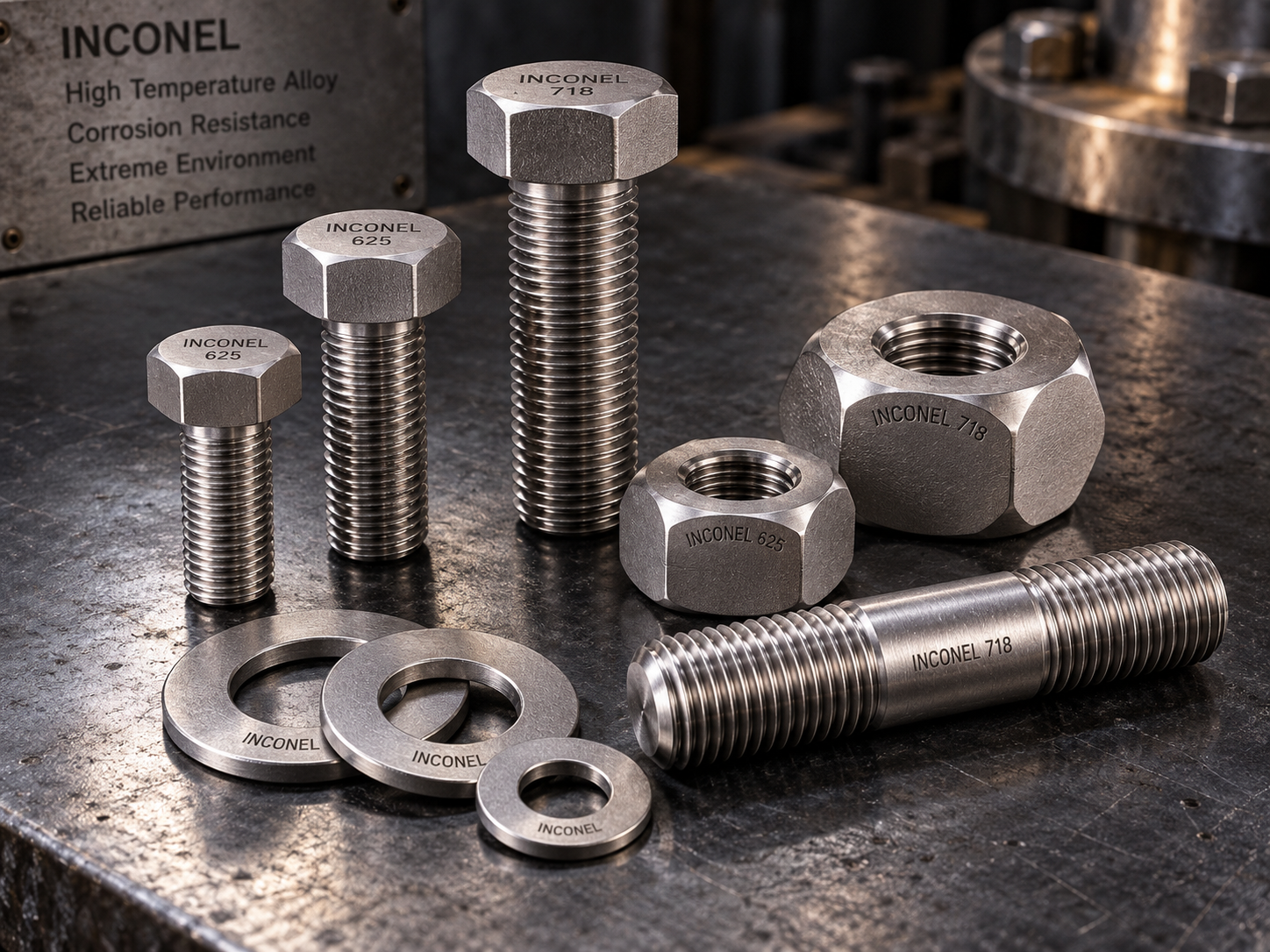
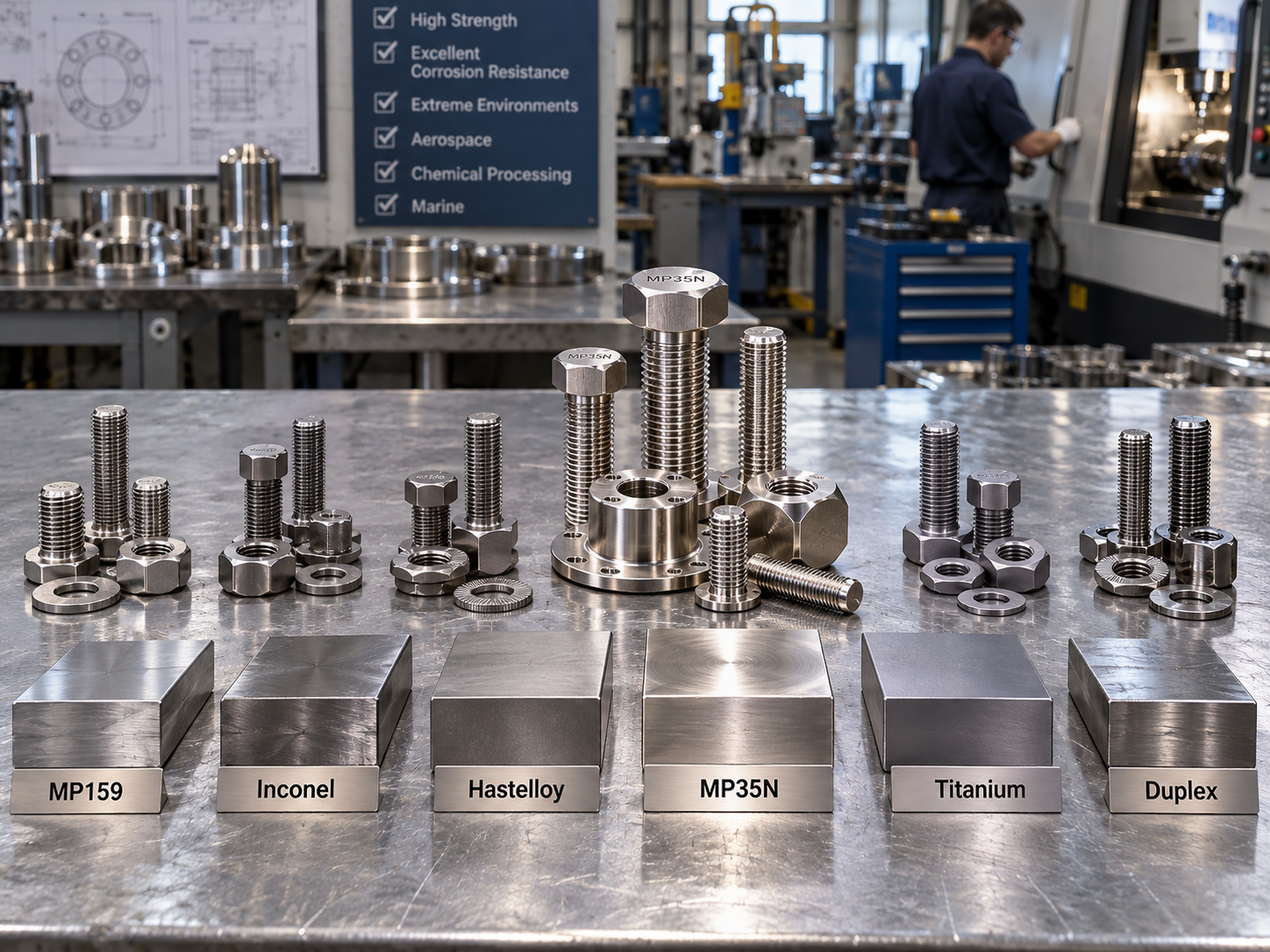
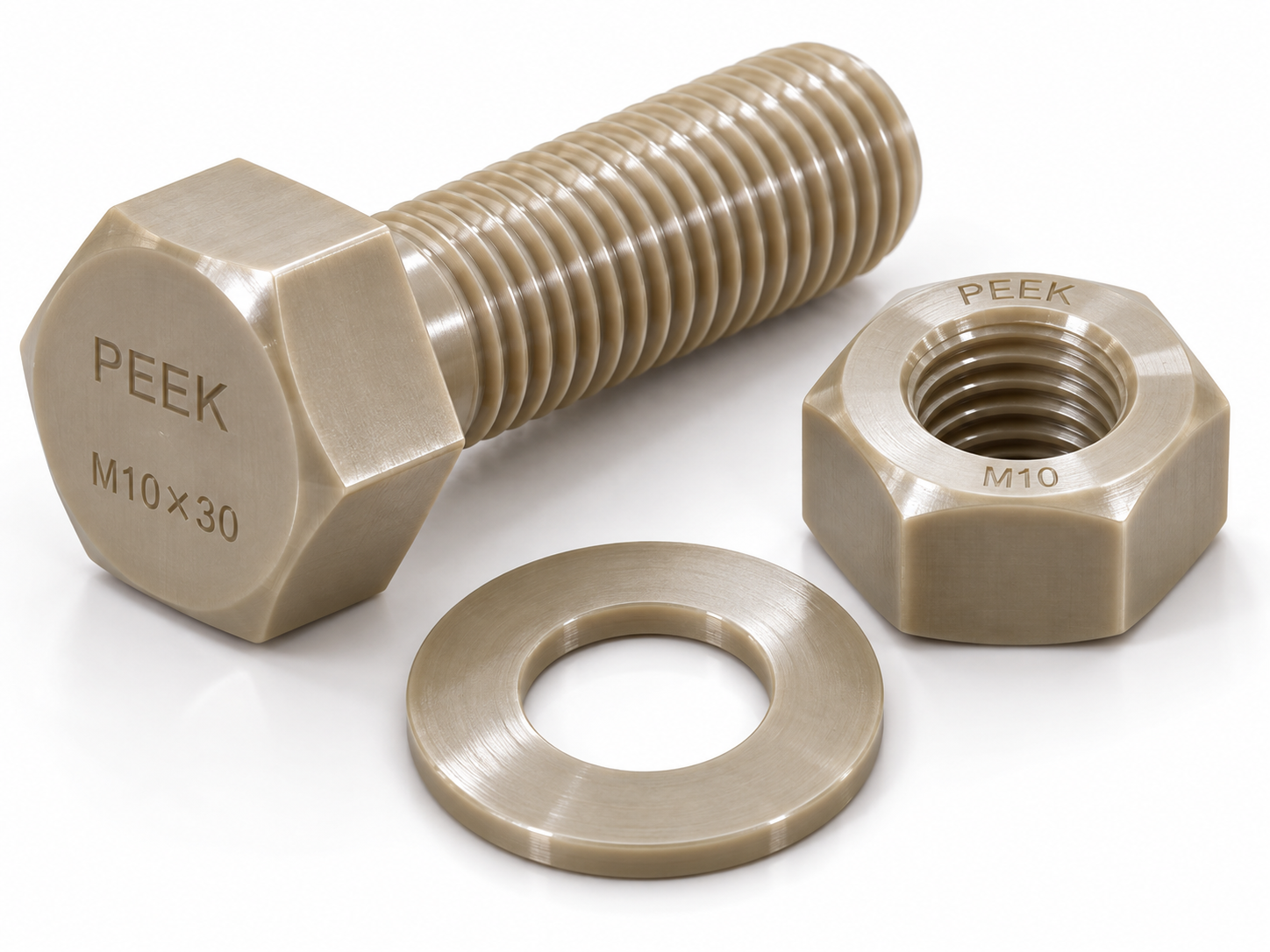
In the demanding world of marine engineering, material durability defines long-term performance. Monel fasteners, including monel bolts, monel rivets, monel screws, and monel nuts, surpass stainless steel in resistance to saltwater corrosion, stress, and fatigue. RAYCHIN LIMITED, a global leader in specialty metal fasteners, provides advanced monel 400 and monel K500 fasteners engineered for extreme environments, ensuring reliability where other materials fail.
Understanding the Difference Between Monel and Stainless Steel Fasteners
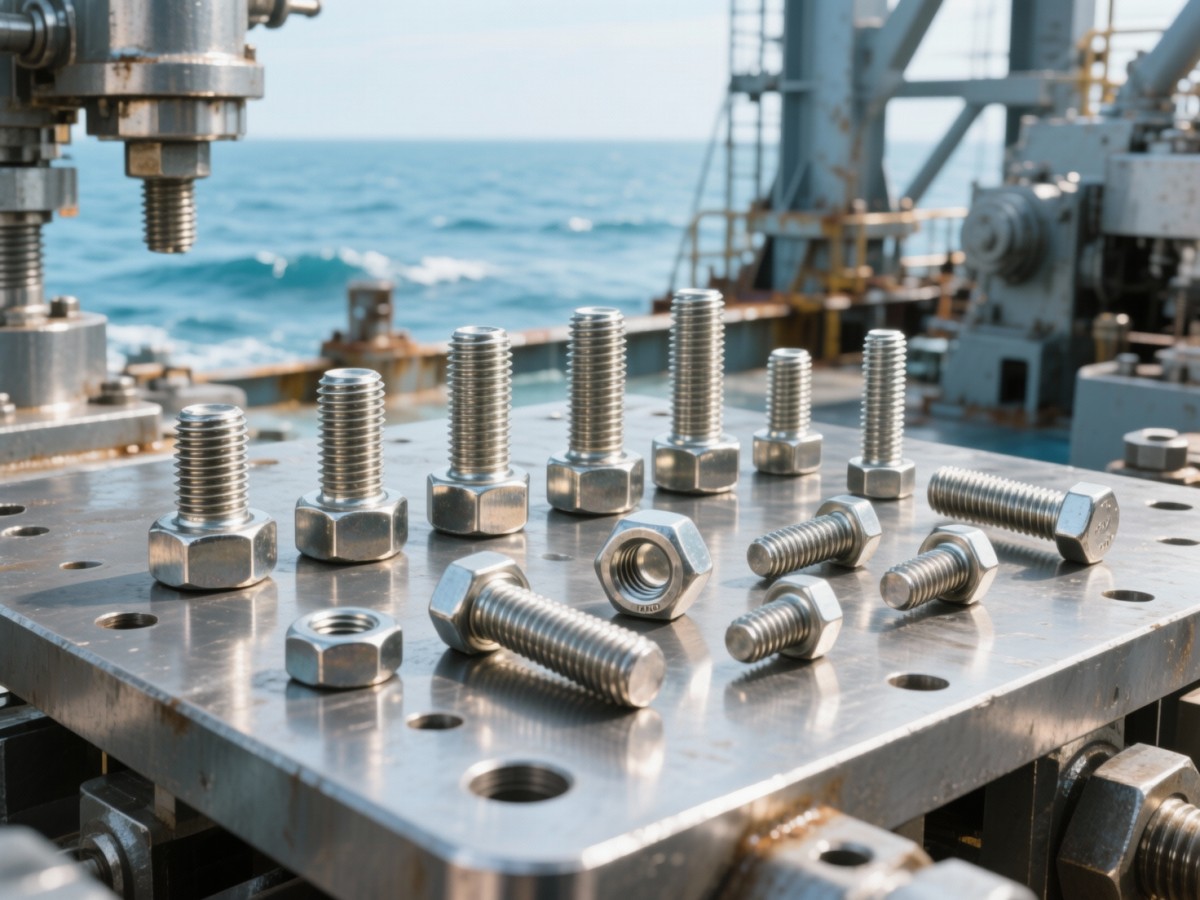
Before selecting materials for a marine assembly, it’s essential to understand why Monel fasteners often outperform stainless steel. Both belong to the family of high-performance alloys, but their compositions differ significantly. Stainless steel primarily consists of iron, chromium, and nickel, whereas Monel alloys are based on a nickel-copper blend, typically 65%–70% nickel and 20%–30% copper, enhanced with small amounts of iron and manganese.
This composition gives Monel unique resistance against saltwater corrosion, particularly in environments with high chloride concentrations exceeding 3.5%. In comparison, even marine-grade stainless steels like 316L experience pitting corrosion after prolonged submersion, often within 24–36 months under continuous seawater exposure. Monel, on the other hand, maintains structural integrity well beyond 10 years in similar conditions.
The difference also appears in mechanical performance. Monel K500 combines the corrosion resistance of Monel 400 with increased strength due to the addition of aluminum and titanium, capable of yielding strength around 500–600 MPa and tensile strength up to 1,000 MPa. Stainless steels generally range from 240–600 MPa depending on grade and heat treatment, showing Monel’s superior fatigue endurance in cyclic load applications.
For engineers in the metal processing equipment sector, these distinctions guide fastener selection for submerged systems, offshore platforms, or components exposed to saline spray zones, ensuring longevity where replacements are complex or costly.
Key Technical Properties That Define Marine Durability
RAYCHIN LIMITED’s Monel fasteners are engineered under rigorous specifications to ensure consistent performance across operating conditions from −100°C to +400°C. The following table highlights major technical characteristics that demonstrate why Monel fasteners excel in seawater environments compared with stainless steel counterparts.
This data summary shows how Monel’s nickel-copper structure provides lasting resistance even under high-salinity environments exceeding 35 ppt. The combination of strength, ductility, and corrosion immunity drastically lowers total lifecycle maintenance costs, an essential factor for long-term offshore projects where equipment downtime must remain below 5% annually.
By integrating Monel fasteners designed by RAYCHIN LIMITED into metallic structural assemblies, engineers ensure both safety and cost stability over 10–15 operating cycles without material fatigue or galvanic failure.
In extreme conditions, such as immersion depths of 50–100 meters or within cathodic protection systems, Monel’s stable oxide layer retains adhesion and prevents microcracking that stainless fasteners often experience due to differential aeration effects.
Application Scenarios in Marine and Industrial Environments
Monel fasteners are critical in industries where saltwater, acid gases, or high-pressure steam create aggressive corrosion scenarios. RAYCHIN LIMITED provides fasteners optimized for performance stability across multiple sectors of the metal processing equipment domain.
Typical applications include offshore oil platforms, desalination units, shipbuilding, submersible drones, and chemical reactors operating in chloride-rich solutions. About 65% of marine-grade pumps and valves use Monel bolts in critical joints requiring torque stability within ±5%. Stainless alternatives often show torque loss exceeding 10% in the same conditions over 2 years.
RAYCHIN’s portfolio includes Monel rivets and screws used in propeller housings, seawater-cooled heat exchangers, and metal processing line fastenings exposed to high humidity above 85%. For customers requiring small-batch prototyping, the company supports production cycles as short as 3–4 weeks, depending on specification.
The operational advantages extend beyond marine engineering: Monel’s inertness against hydrofluoric acid and alkalis makes it ideal for refineries, electronic plating plants, and exhaust treatment systems—sectors where conventional stainless components degrade in less than 18 months.
Common Use Cases by Function
- Structural bolt assemblies in offshore rigs enduring continuous immersion cycles over 10,000 hours.
- Sealing screws and nuts for marine heat exchangers requiring pitting corrosion resistance below 0.01 mm/year.
- Rivets for aircraft engine parts exposed to salt-laden atmospheres confirming tensile retention beyond 95% after 5 years.
- Custom thread fasteners in desalination turbines operating between 5–12 bar pressure.
Each application benefits from RAYCHIN’s specialized testing and metallurgical validation, following ASTM B164 and ASME SB-164 material standards, ensuring compliance and traceability through every production lot.
Procurement and Selection Guidelines for Monel Fasteners
Selecting the right Monel fastener requires evaluating operational temperature, exposure time, mechanical stress, and assembly compatibility. Professionals in the metal processing industry often rely on a 5-parameter matrix covering corrosion environment, load capacity, joint type, maintenance accessibility, and cost lifecycle.
Based on this evaluation, procurement teams can align material specifications with design targets, achieving lifecycle cost reductions of 20%–40% over stainless assemblies. RAYCHIN LIMITED supports both standard catalog items and custom geometries, provided within 4–6 weeks of order, to match diverse industrial schedules.
Additionally, all fasteners undergo surface finish verification and nondestructive testing stages such as ultrasonic flaw detection and eddy current inspection, maintaining batch conformity better than ±1% in mechanical property deviation.
For owners and project managers dealing with mixed-metal assemblies, RAYCHIN experts recommend assessing galvanic series compatibility—Monel ranks near noble metals, minimizing electrochemical potential differences and decreasing galvanic current density under 10 μA/cm², thereby extending joint durability by over 200%.
Frequently Asked Questions about Monel Fasteners in Marine Conditions
How long do Monel fasteners last under continuous seawater exposure?
Monel fasteners typically retain performance integrity for more than 15–20 years, depending on load and environmental pH (usually 7.8–8.2 in seawater). With periodic inspection cycles every 5 years, service life can extend beyond two decades without major corrosion-related degradation.
Can stainless steel and Monel fasteners be used together?
It is technically possible but generally discouraged due to galvanic corrosion risk. When dissimilar metals contact in seawater, the more active metal (stainless steel) corrodes faster. Isolation with non-conductive washers or surface coatings can mitigate the effect but adds 10%–15% extra assembly cost. Monel-to-Monel mating ensures the best long-term results.
What standards govern Monel fastener production?
RAYCHIN LIMITED manufactures according to international specifications such as ASTM B164 (Monel 400 rod) and ASTM B865 (Monel K500 rod). Threaded fasteners comply with ASME B1.1, while mechanical testing aligns with ISO 898-1 equivalent criteria. This ensures global interchangeability, facilitating cross-border procurement for industrial projects.
What is the typical lead time for customized Monel fasteners?
Standard parts are dispatch-ready within 2–3 weeks. For tailored solutions requiring specific thread geometry, non-standard head forms, or coating preferences, lead times generally range from 4–6 weeks, including material verification and coating curing stages. RAYCHIN maintains consistent delivery punctuality above 98%.
Why Choose RAYCHIN LIMITED for Monel Fasteners
RAYCHIN LIMITED integrates advanced metallurgy capabilities with more than a decade of experience in specialty metal fastener manufacturing. Its facilities manage every step—from alloy melting to final inspection—under a unified quality system ensuring complete traceability. Customers benefit from a streamlined 4-step engagement model:
- Technical consultation and material suitability assessment within 48 hours.
- Design adaptation and drawing validation, normally in 3–5 business days.
- Production and quality inspection cycle lasting 2–4 weeks depending on volume.
- Global logistics coordination, typically delivering within 7–10 days post-QC release.
By leveraging expertise across specialty nickel alloys, RAYCHIN advises customers on balancing structural strength, corrosion resistance, and cost-effectiveness. The company’s technical team provides guidance not only on fastener specification but also on compatible metal processing equipment, installation torque values, and anti-seize compound selection for marine assembly integrity.
If your engineering project involves harsh marine or chemical exposure, consulting RAYCHIN LIMITED allows you to confirm critical parameters like tensile grade, thread tolerance, and coating options upfront. This reduces design iteration time by up to 30% and ensures the material strategy matches the equipment’s service expectations.
Contact RAYCHIN’s technical specialists today for in-depth discussion on customized Monel 400 and Monel K500 fasteners, quotation details, or guidance on compliance with ASTM and ASME standards. Each consultation ensures optimized selection and reliable long-term asset performance.
Request A Quote! We'll respond as soon as possible(within 12 hours)
Get a Quote