
Categories List
Recent Posts
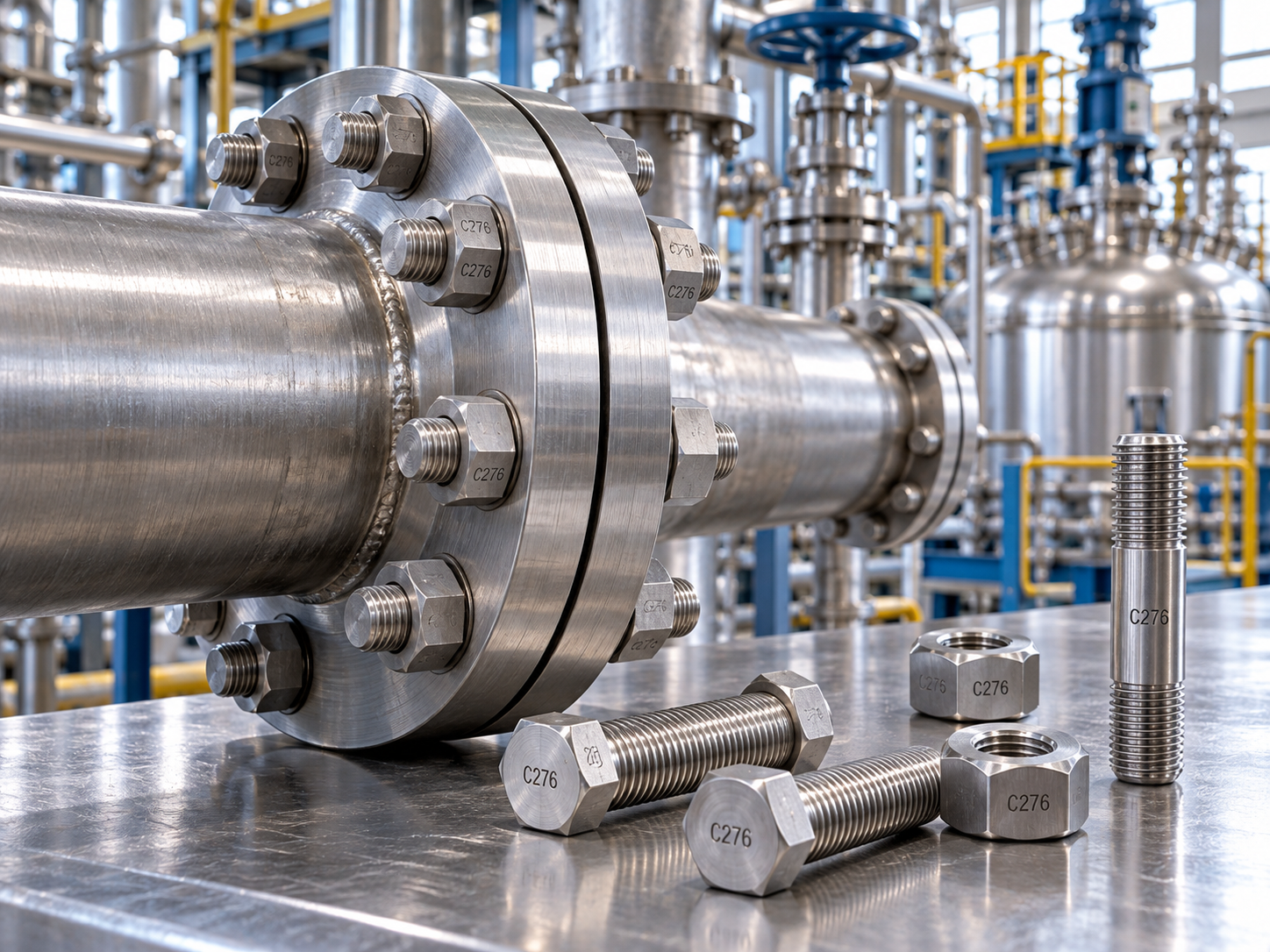
 Hastelloy C276 Fasteners: Bolts, Nuts, Screws, Studs & Washers for the World's Most Aggressive Corrosive Environments
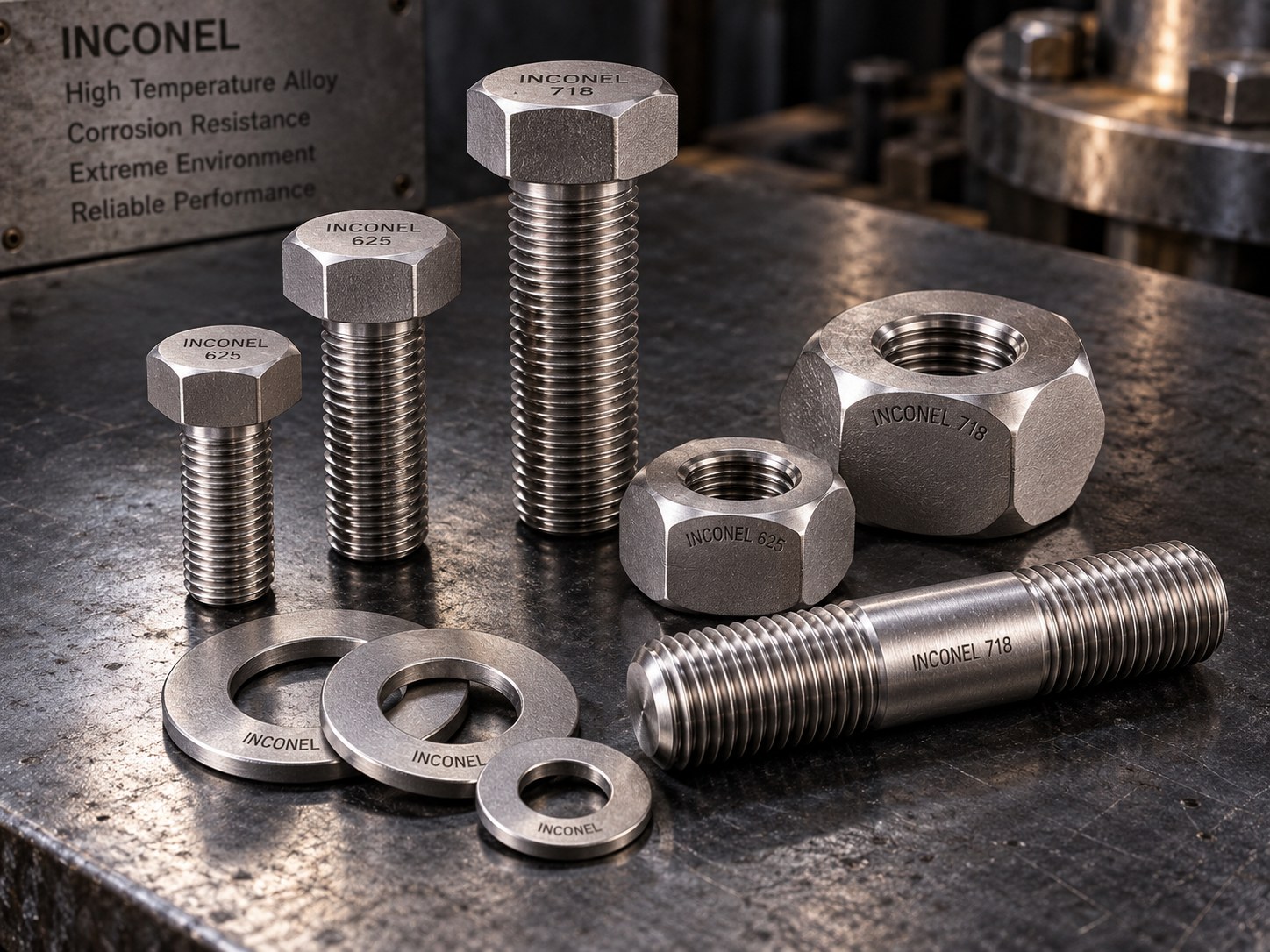
 Inconel Fasteners: Bolts, Nuts, Washers, Studs – Complete Technical Guide | RAYCHIN LIMITED
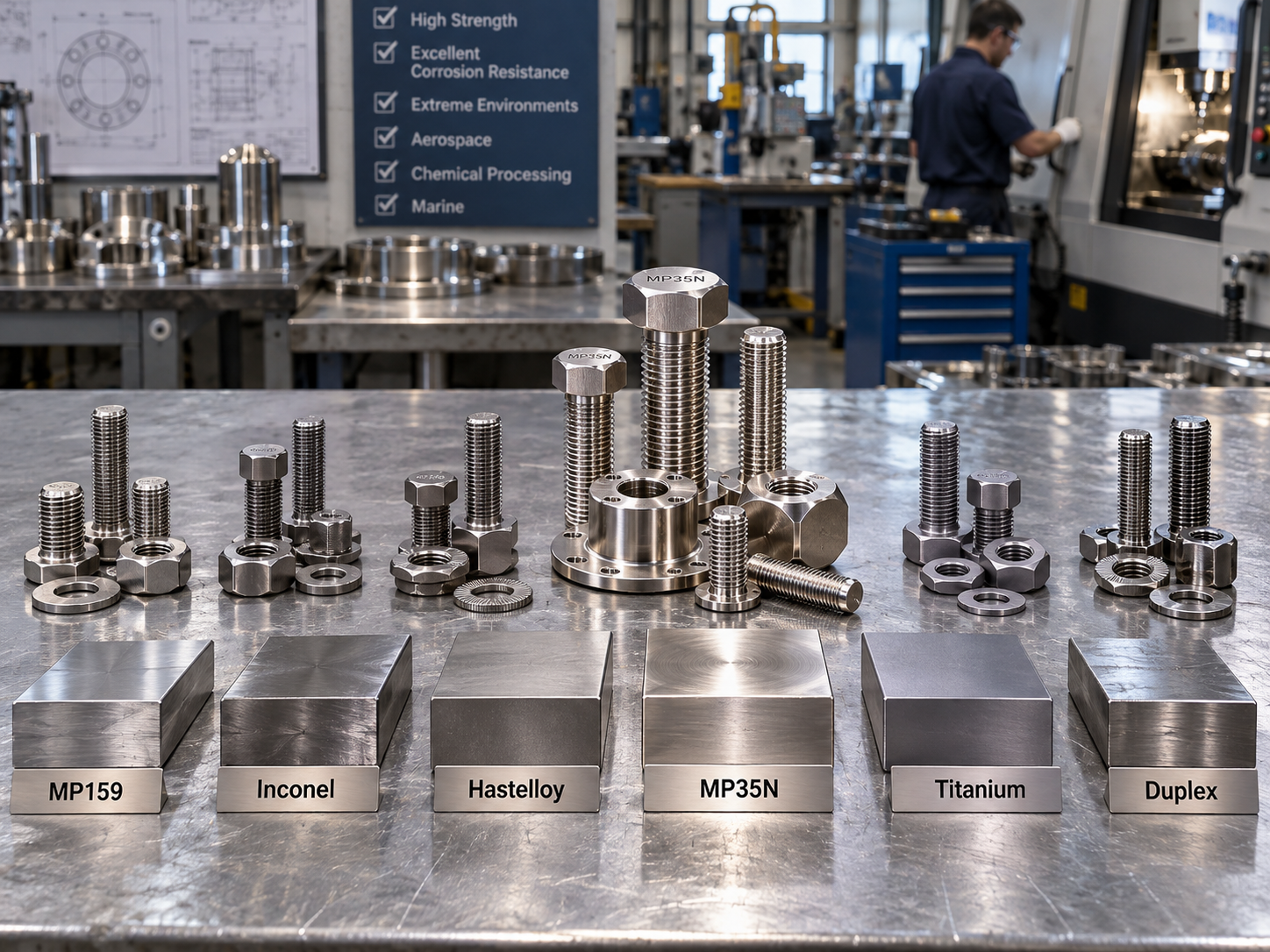
 MP35N vs Inconel, Titanium, C276, Complete Material Comparison Guide for Fasteners | RAYCHIN LIMITED
Correct torque control is critical when installing waspaloy bolts in high-temperature, high-stress metal processing equipment.
Even small errors in lubrication, tightening sequence, or tool calibration can cause uneven preload, thread damage, or premature joint failure.
This guide explains practical torque control tips for installing waspaloy bolts safely, consistently, and with better long-term equipment reliability.
Why Torque Control Matters When Installing Waspaloy Bolts
Waspaloy bolts are used where ordinary alloy fasteners cannot maintain strength under heat, load, and oxidation.
In metal processing equipment, joint stability often depends on controlled clamp load rather than simple tightening force.
Torque is only an indirect method for creating preload, so every installation variable matters.
Surface finish, lubricant type, thread condition, washer hardness, tool accuracy, and tightening speed all affect final preload.
When waspaloy bolts are under-torqued, joints may loosen during vibration, thermal cycling, or repeated production loading.
When they are over-torqued, threads may gall, stretch, crack, or lose fatigue resistance.
The correct torque approach must match the operating scene, not only the nominal bolt size.
That is especially important in rolling mills, heat treatment lines, extrusion systems, forging equipment, and high-temperature fixtures.
Scene-Based Judgment Before Tightening Waspaloy Bolts
Different metal processing scenes create different fastening risks, even when the same waspaloy bolts are used.
A static furnace fixture does not demand the same preload strategy as a vibrating rolling stand assembly.
A hot zone joint does not behave like a room-temperature inspection cover.
Before selecting torque, evaluate temperature, vibration, joint stiffness, load direction, accessibility, and maintenance frequency.
Also review whether waspaloy bolts are reused, replaced, lubricated, coated, or installed with inserts.
These conditions influence friction and determine whether torque alone is reliable enough.
Key Questions Before Installation
- Will the joint operate above ambient temperature for long periods?
- Will the assembly face thermal expansion mismatch?
- Is vibration or impact loading expected during operation?
- Are the threads clean, dry, plated, or lubricated?
- Are the waspaloy bolts new or previously installed?
- Is the joint safety-critical or production-critical?
These questions help convert a general torque value into a practical installation method.
High-Temperature Furnace Fixtures: Control Friction and Relaxation
Furnace fixtures expose waspaloy bolts to sustained heat, oxidation, and repeated heating cycles.
The main risk is not only immediate loosening, but also preload loss after thermal exposure.
At elevated temperature, joint members may expand differently from the fasteners.
This changes clamp load after startup, especially when different nickel alloys, steels, or refractory components are combined.
For furnace fixtures, torque control should include thread cleaning, approved high-temperature lubricant, and staged tightening.
Use the same lubricant condition assumed by the engineering torque calculation.
Changing from dry threads to lubricated threads can significantly increase preload at the same torque.
That difference can overload waspaloy bolts before equipment even reaches working temperature.
Practical Tips for Furnace Installations
- Remove scale, carbon, and oxide from mating surfaces.
- Use compatible anti-seize only when specified.
- Tighten waspaloy bolts in stages, not in one pass.
- Recheck accessible joints after the first thermal cycle.
- Record torque, lubricant, temperature condition, and installer notes.
Rolling Mill Assemblies: Manage Vibration and Uneven Loading
Rolling mill components can create severe cyclic loading, shock, vibration, and localized joint movement.
Waspaloy bolts may be selected because they retain mechanical properties better than many conventional fasteners.
However, material strength alone cannot compensate for poor preload distribution.
In these assemblies, tightening sequence is as important as final torque value.
A random tightening pattern can bend covers, distort bearing housings, or overload individual waspaloy bolts.
Use cross-pattern tightening for flanges and symmetrical tightening for rectangular covers.
Increase torque in controlled increments, such as 30 percent, 60 percent, and final torque.
For heavily loaded joints, include a final verification pass after the assembly settles.
Judgment Points for Rolling Equipment
- Check whether bolt holes are aligned without forcing.
- Confirm washers seat evenly under each bolt head.
- Avoid mixing new and reused waspaloy bolts in critical joints.
- Inspect for fretting marks around previous joint interfaces.
- Use calibrated torque tools with suitable range and resolution.
Extrusion and Forging Equipment: Prevent Thread Damage Under Heavy Load
Extrusion presses and forging equipment place joints under compression, impact, heat, and repeated shock.
In these applications, waspaloy bolts often work near harsh mechanical and thermal limits.
Thread damage is a common installation risk when tightening is rushed or misaligned.
Never use torque to pull misaligned parts into position.
That practice creates side loading and can permanently damage waspaloy bolts or internal threads.
If resistance is felt early, stop and inspect engagement, thread cleanliness, and component alignment.
A clean hand-started thread is one of the simplest safeguards against galling and cross-threading.
Torque Control Tips for Heavy-Load Joints
- Start waspaloy bolts by hand for several full turns.
- Inspect female threads with proper gauges where possible.
- Use hardened washers when specified by joint design.
- Apply torque gradually to prevent sudden thread loading.
- Do not exceed approved torque to overcome binding.
Heat Treatment Lines: Balance Accessibility and Repeatability
Heat treatment lines often include guards, rails, trays, conveyors, fans, and high-temperature support structures.
Some waspaloy bolts may be difficult to access after assembly or commissioning.
Poor access increases the risk of angled tool loading and inconsistent torque.
Use extensions, adapters, or crowfoot tools only when torque correction is properly calculated.
An adapter can change the effective lever length and create actual torque errors.
Where access is limited, consider torque-angle verification, witness marking, or documented installation photos.
These controls help confirm that waspaloy bolts were installed consistently across repeated maintenance cycles.
Different Scene Requirements for Waspaloy Bolts
This comparison shows why waspaloy bolts should not be installed using one universal habit.
The right torque process depends on the equipment scene and the failure mode being controlled.
Lubrication Decisions That Change Torque Results
Lubrication is one of the biggest variables in torque-controlled fastening.
A large portion of applied torque is consumed by friction under the head and in the threads.
When friction changes, preload changes, even if the torque wrench reading stays identical.
For waspaloy bolts, this can decide whether the joint is secure or overstressed.
Use lubrication exactly as specified in the installation procedure or engineering calculation.
Do not substitute anti-seize compounds without evaluating friction, temperature rating, and material compatibility.
Some compounds perform well at high temperature but can create excessive preload during installation.
Others may degrade, contaminate equipment, or alter disassembly behavior after exposure.
Lubrication Checklist
- Confirm dry, oiled, plated, or anti-seize condition.
- Apply lubricant consistently to threads and bearing surfaces.
- Avoid excess lubricant that can contaminate nearby components.
- Keep installation records for future maintenance comparison.
- Use only approved products for high-temperature service.
Tool Calibration and Torque Accuracy in Metal Processing Equipment
Torque tools must be matched to the required range for waspaloy bolts.
A wrench used near its lowest or highest limit may deliver poor accuracy.
Select a tool where the target torque falls comfortably inside the calibrated working range.
Calibration certificates should be current and traceable to a recognized standard.
Dropped tools, overloaded tools, and tools exposed to harsh shop conditions need inspection.
For repeated installation of waspaloy bolts, digital torque tools can improve documentation.
However, even advanced tools require correct use, stable hand position, and perpendicular engagement.
Tool Use Recommendations
- Pull smoothly and avoid jerking the wrench.
- Keep the socket fully seated on the bolt head.
- Avoid side loading caused by poor access.
- Reset click-type wrenches after use when required.
- Verify adapters and extensions before final tightening.
Tightening Sequence for Reliable Clamp Load
The tightening sequence controls how clamp load spreads across the joint.
For flanges, use a star or cross pattern to reduce distortion.
For long rectangular covers, work from the center outward in balanced stages.
For circular bolt patterns, divide the pattern into opposite pairs.
This approach prevents one area from seating before the rest of the joint closes.
When installing waspaloy bolts, a staged sequence reduces localized stress and thread loading.
A typical process includes snug torque, intermediate torque, final torque, and verification pass.
Example Staged Tightening Method
- Hand-start all waspaloy bolts until properly seated.
- Apply snug torque to confirm alignment.
- Tighten to about 30 percent of final torque.
- Increase to about 60 percent in the same sequence.
- Apply final torque using controlled motion.
- Perform a final pass to confirm no joint settlement.
Thread Condition and Galling Prevention
Waspaloy bolts can suffer thread galling when friction, pressure, and sliding contact become excessive.
Galling can lock the fastener before proper preload is achieved.
It can also damage internal threads, increasing downtime and repair cost.
Clean threads are essential, especially after exposure to scale, grit, coolant, or oxide.
Do not chase critical threads aggressively unless the repair method is approved.
Removing too much material may reduce engagement and weaken the joint.
Use proper gauges, compatible taps, and controlled inspection methods where thread integrity matters.
Signs of Thread Problems
- Sudden torque increase before seating.
- Metal particles around the thread.
- Uneven or rough hand rotation.
- Visible flattened thread crests.
- Discoloration caused by overheating or seizure.
When Torque Alone May Not Be Enough
Torque control is practical, but it does not directly measure bolt stretch.
For highly critical waspaloy bolts, additional verification may be necessary.
Torque-angle methods can improve consistency after the joint reaches a defined seating point.
Ultrasonic elongation measurement can directly assess bolt stretch in critical assemblies.
Hydraulic tensioning may be suitable for large fasteners in heavy equipment.
These methods reduce the uncertainty caused by friction and tool technique.
They are especially valuable where joint failure could stop production or damage expensive equipment.
Common Scene Misjudgments During Installation
Many installation failures begin with incorrect assumptions about the operating scene.
One common mistake is using carbon steel bolt habits for waspaloy bolts.
Another mistake is assuming a higher-strength fastener can tolerate careless tightening.
High-performance material still needs controlled installation to perform correctly.
Mistakes to Avoid
- Using uncalibrated tools for critical joints.
- Mixing lubricated and dry waspaloy bolts in one pattern.
- Skipping the tightening sequence to save time.
- Reusing fasteners without inspection or approval.
- Ignoring washer condition and bearing surface hardness.
- Applying torque to force misaligned components together.
Inspection After Installing Waspaloy Bolts
Post-installation inspection confirms that the torque process produced a stable joint condition.
Inspection should not rely only on whether the bolt appears tight.
Check seating marks, washer position, thread exposure, witness marks, and joint gaps.
For critical waspaloy bolts, record torque readings and tightening sequence completion.
Where thermal cycling is expected, define whether rechecking is required after initial operation.
Avoid unnecessary retightening unless the procedure calls for it.
Repeated retorque can increase preload beyond the intended range if not controlled.
Scenario Adaptation Guide for Better Installation Decisions
Material and Fastener Selection Support
Correct installation starts before the torque wrench is used.
Waspaloy bolts should match the required specification, heat treatment, thread form, and dimensional standard.
The mating material, washer selection, and service environment should also be reviewed together.
RAYCHIN LIMITED specializes in standard and customized specialty metals fasteners for demanding industrial applications.
Its technical team supports material selection, product development, and application guidance for challenging fastening environments.
For waspaloy bolts used in metal processing equipment, this support can help align material capability with installation control.
Action Steps Before the Next Installation
Before installing waspaloy bolts, prepare a clear and repeatable torque control plan.
Confirm the application scene, joint design, lubricant condition, tool calibration, and tightening sequence.
Inspect threads, bearing surfaces, washers, and alignment before applying final torque.
Document installation conditions so future maintenance can repeat the same controlled method.
When the joint is critical, evaluate whether torque-angle, elongation measurement, or engineering review is needed.
For demanding metal processing equipment, well-installed waspaloy bolts support safer operation and more predictable production reliability.
To improve fastening consistency, review your application data, torque procedure, and specialty metal fastener requirements before procurement or maintenance.
Request A Quote! We'll respond as soon as possible(within 12 hours)
Get a Quote