
Categories List
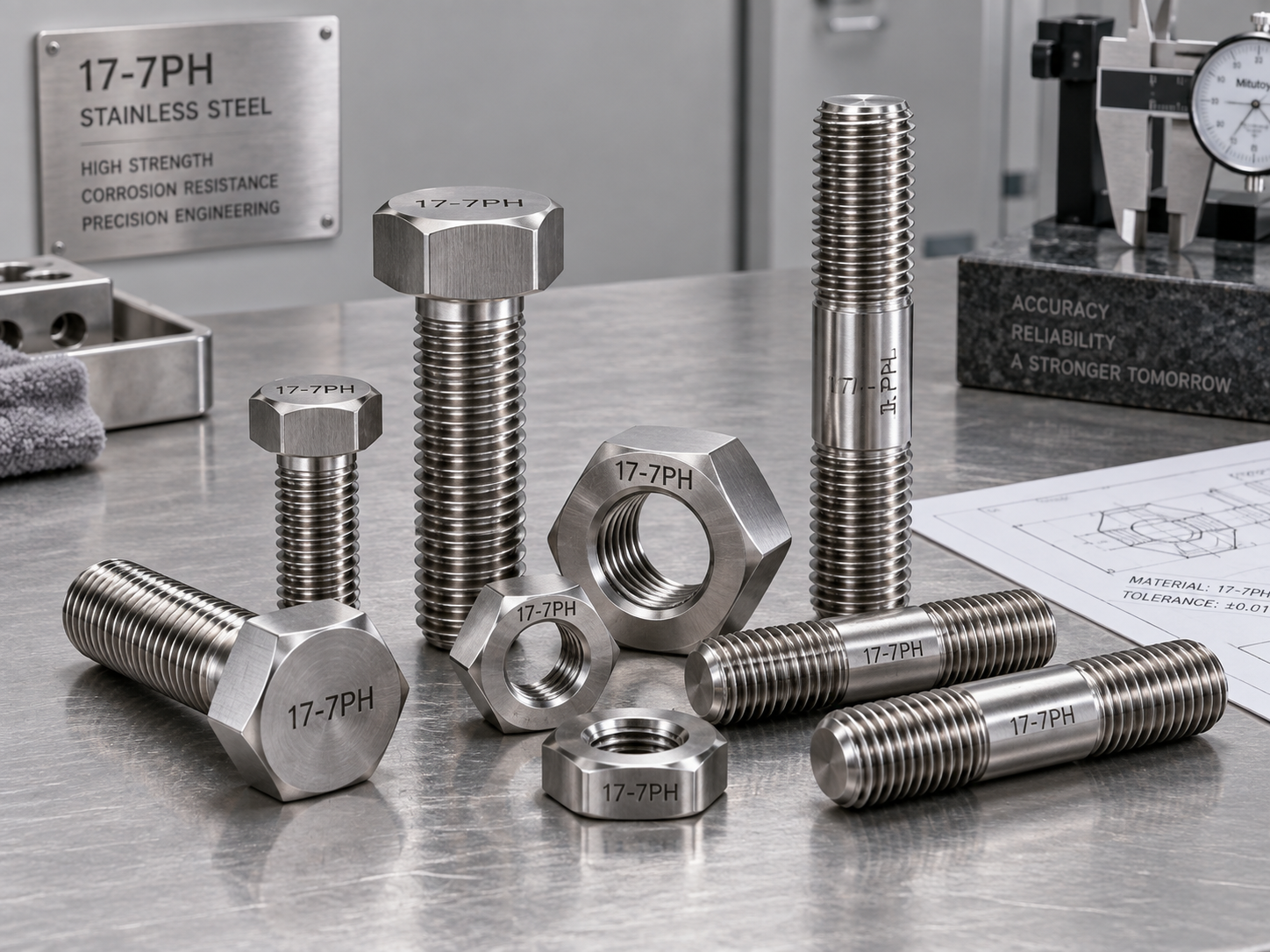
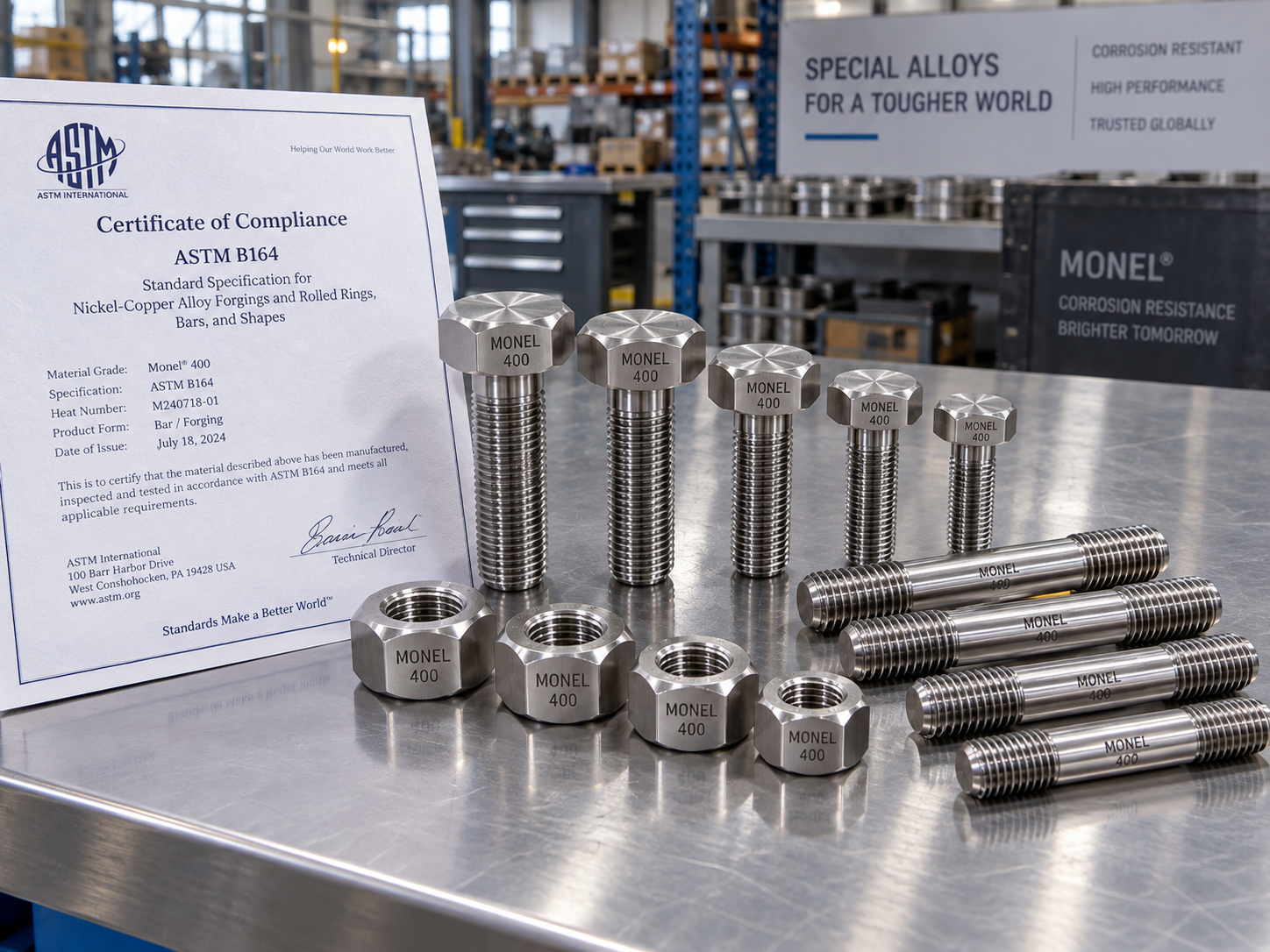
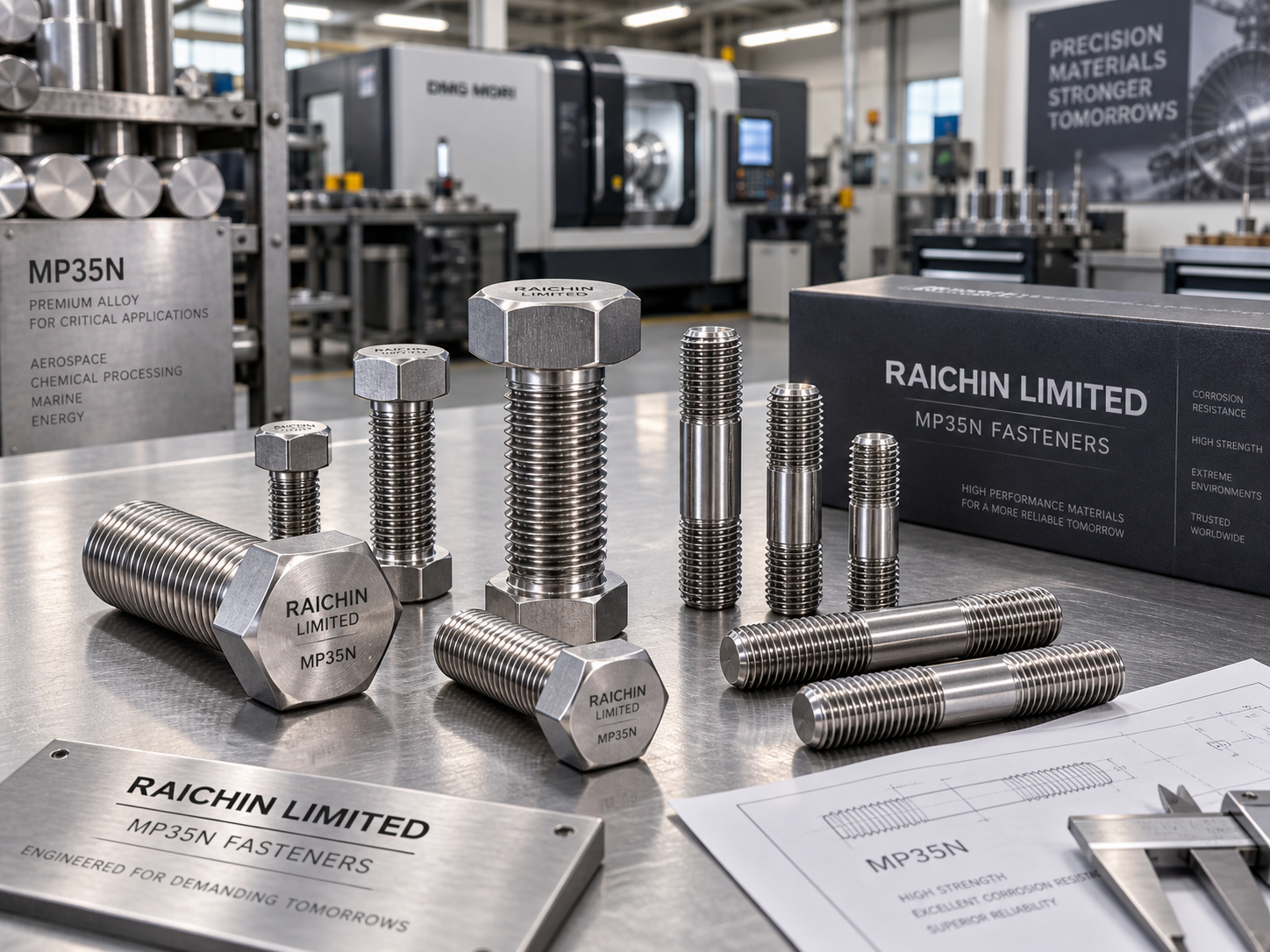
For high-temperature metal processing equipment, waspaloy bolts are often evaluated for strength retention, creep resistance, oxidation behavior, and joint stability near 700°C.
This guide reviews practical data points, selection checks, and application risks that affect critical bolting decisions in demanding thermal and mechanical environments.
RAYCHIN LIMITED supports specialty metals fastener projects with material knowledge, customized fastener capability, and guidance for demanding high-temperature service.
Waspaloy Bolts at 700°C: Why Checklist-Based Evaluation Matters
Metal processing equipment exposes fasteners to heat, vibration, load cycling, scale, furnace atmosphere, and repeated shutdowns.
Waspaloy bolts are selected when conventional stainless steels or lower nickel alloys cannot retain useful mechanical performance at elevated temperature.
At about 700°C, bolt behavior is not defined only by room-temperature tensile strength.
The controlling factors include creep rate, stress relaxation, heat treatment condition, thread geometry, surface condition, and mating component stiffness.
A checklist prevents a narrow specification from overlooking the real causes of fastener loosening or premature joint failure.
For waspaloy bolts, the most valuable review combines material data, equipment duty cycle, assembly procedure, and inspection planning.
Material Behavior Behind Waspaloy Bolts Data
Waspaloy is a precipitation-hardened nickel-base superalloy designed for high strength at elevated temperature.
Its strengthening mainly comes from gamma prime precipitation, supported by solid-solution strengthening and controlled processing.
For waspaloy bolts, the heat treatment route strongly affects tensile strength, creep resistance, notch behavior, and stress relaxation performance.
At 700°C, strength retention is valuable because bolted joints must keep clamp load while surrounding structures expand and contract.
The alloy also provides useful resistance to oxidation and hot corrosion in many furnace-adjacent metalworking environments.
However, waspaloy bolts still require correct design margins, compatible washers, appropriate lubrication, and controlled tightening procedures.
Typical Data Categories to Request
Core Checklist for Specifying Waspaloy Bolts
The following checklist helps connect material capability with actual service conditions in metal processing equipment.
- Confirm actual bolt metal temperature, not only furnace temperature, because shielding, conduction, insulation, and airflow change the exposure of waspaloy bolts.
- Define sustained tensile stress in the threaded section, then compare it with creep and rupture data at 700°C or the nearest qualified temperature.
- Check whether the joint needs preload retention, sealing force, alignment control, or structural support, because each duty changes the acceptance criteria.
- Specify the heat treatment condition clearly, including solution treatment, stabilization, aging practice, and any purchaser-approved variation for waspaloy bolts.
- Review thread form, root radius, rolled or cut thread method, and surface finish, because high-temperature fatigue and notch sensitivity depend on geometry.
- Match nuts and washers to the same temperature class, avoiding weaker mating parts that relax faster than the selected waspaloy bolts.
- Select an anti-seize or lubricant suitable for the maximum temperature, atmosphere, torque method, and post-service disassembly requirement.
- Set tightening values from friction-controlled trials when possible, because high-performance alloys can show large torque-to-tension scatter.
- Evaluate oxidation, carburizing, nitriding, sulfur, chloride, molten salt, or combustion contaminants that may attack fastener surfaces during operation.
- Require traceability for material heat, fastener lot, testing records, inspection reports, and any deviation approval linked to supplied waspaloy bolts.
Strength Retention at 700°C: What the Numbers Should Mean
A single strength value can be misleading when evaluating waspaloy bolts for continuous high-temperature operation.
Short-term tensile strength shows immediate resistance to pulling load at a stated temperature.
Long-duration behavior shows whether the bolt can resist permanent deformation while holding clamp load.
At 700°C, creep and stress relaxation usually become more important than room-temperature ultimate tensile strength.
For bolted equipment, the real question is whether enough residual preload remains after exposure, cycling, and vibration.
Waspaloy bolts should therefore be reviewed against the expected service hours, shutdown frequency, retightening policy, and safety factor.
Important Interpretation Points
- Compare data at equal temperature, because a small increase above 700°C can reduce allowable stress and shorten creep life significantly.
- Distinguish yield strength from creep strength, because yield data does not describe gradual strain under constant thermal load.
- Consider exposure duration, because waspaloy bolts used for intermittent heating may perform differently from bolts held hot continuously.
- Assess stress concentration, because threaded roots and under-head transitions may control fatigue or creep damage initiation.
- Ask whether test specimens represent finished fasteners, since bar data may not capture thread forming, machining, or head forging effects.
Application Scenario: Furnace Fixtures and Heat-Treatment Equipment
Furnace fixtures, baskets, rails, covers, and internal supports experience thermal cycling, scale formation, and frequent handling damage.
Waspaloy bolts may be used where fixture distortion, loose joints, or broken fasteners cause downtime or product quality variation.
The most important checks are true bolt temperature, fixture mass, cycle time, atmosphere, and access for later inspection.
Where fixtures are repeatedly removed, galling resistance and disassembly practice become as important as elevated-temperature strength.
A compatible nickel alloy nut, controlled lubricant, and planned replacement interval can improve reliability of waspaloy bolts.
Application Scenario: Rolling, Forging, and Hot Forming Lines
Rolling mills, forging systems, and hot forming equipment combine radiant heat with shock, vibration, water spray, and mechanical overload.
Waspaloy bolts can support hot-zone attachments, shields, guides, sensor mounts, and specialized components near heated workpieces.
In these systems, fatigue resistance and clamp stability must be reviewed together.
Thermal gradients may bend brackets or introduce prying loads that increase stress in only part of the bolt group.
A joint analysis should identify peak load cases, not just average process temperature or nominal bolt size.
For critical locations, waspaloy bolts should be paired with hardened or temperature-compatible washers to reduce embedment and preload loss.
Application Scenario: High-Temperature Conveyors and Transfer Systems
High-temperature conveyors and transfer systems often operate through repeated heating, cooling, vibration, and abrasive contamination.
Waspaloy bolts may help maintain alignment in guides, links, carriers, thermal shields, and hot-zone supports.
The selection process should review wear debris, oxide scale, lubricant burnout, and maintenance access.
If fasteners are exposed to moving scale, thread protection and cleaning practice can affect service life.
Using waspaloy bolts without suitable nut material or thread coating may still create galling during adjustment or removal.
Commonly Ignored Risks When Using Waspaloy Bolts
Ignoring Stress Relaxation
A joint can lose preload even when the bolt does not visibly fail.
At 700°C, stress relaxation can reduce sealing force, alignment control, or vibration resistance.
For waspaloy bolts, relaxation data should be reviewed against the real preload level and exposure time.
Using Incompatible Nuts
A high-performance bolt cannot protect a joint if the nut relaxes, strips, oxidizes, or galls first.
Nuts should be selected for temperature strength, thread compatibility, corrosion behavior, and disassembly needs.
When waspaloy bolts are used with lower-grade nuts, joint reliability may depend on the weaker component.
Overlooking Thermal Expansion
Different materials expand at different rates during heating.
If the bolted stack includes dissimilar alloys, preload may rise during heat-up and fall during cooling.
A thermal expansion review helps prevent overload, loosening, or gasket damage around waspaloy bolts.
Assuming Standard Torque Values Are Enough
Torque is an indirect method for creating preload.
Friction changes with surface finish, coating, lubricant, thread condition, and assembly temperature.
For waspaloy bolts, torque values should be validated when the joint is safety-critical or difficult to inspect.
Neglecting Thread Damage During Maintenance
Repeated assembly can damage threads, especially after oxidation, contamination, or lubricant degradation.
Damaged threads create inaccurate preload and may concentrate stress in the first engaged turns.
Inspection of waspaloy bolts should include thread profile, galling marks, discoloration, necking, and under-head cracking.
Practical Data Sheet Review for Waspaloy Bolts
A useful data sheet should not only state alloy name and dimensions.
It should connect chemical composition, heat treatment, mechanical testing, inspection, and dimensional standards.
For waspaloy bolts, the review should confirm that delivered fasteners match the intended high-temperature service.
- Verify chemical composition against the agreed material specification and confirm that restricted elements are controlled for high-temperature reliability.
- Review heat treatment certificates and ensure aging practice is suitable for the required strength and creep resistance.
- Check tensile results at room temperature and elevated temperature when specified for critical waspaloy bolts.
- Request hardness data as a supporting indicator, while recognizing that hardness alone cannot prove creep performance.
- Confirm dimensional inspection for thread fit, shank diameter, head height, bearing surface, and length tolerance.
- Ask for surface inspection results where oxidation sites, laps, seams, or machining defects could initiate cracking.
- Keep lot traceability from raw material to finished waspaloy bolts, especially for replacement programs and failure analysis.
Design Checks for Joint Integrity Near 700°C
Material strength is only one part of high-temperature bolting performance.
Joint geometry, stiffness, surface pressure, and thermal movement often determine the actual result.
When waspaloy bolts are specified, the joint should be reviewed as a system.
- Calculate bolt stress using the tensile stress area, applied preload, service load, and any prying effect from bracket geometry.
- Review the clamped material for embedment, creep, softening, or oxidation that can reduce preload even when waspaloy bolts remain intact.
- Use washers or bearing plates where high contact pressure may damage softer hot-zone components.
- Avoid unnecessary long grip lengths in zones with high thermal gradients unless flexibility is intentionally required.
- Check whether differential expansion creates additional tensile load during heat-up or unloading during cool-down.
- Plan access for inspection, retightening, or replacement before finalizing the location of waspaloy bolts.
Manufacturing and Quality Factors That Affect Performance
Fastener performance depends on more than alloy selection.
Forging, machining, thread forming, heat treatment, inspection, and cleaning all influence service reliability.
For waspaloy bolts, process control is especially important because high-temperature applications leave little margin for hidden defects.
Thread Manufacturing
Rolled threads can improve surface condition and fatigue behavior when the process is suitable for the material condition.
Cut threads may be required for some sizes, shapes, or custom configurations.
The specification for waspaloy bolts should define thread class, inspection method, and acceptance criteria.
Surface Condition
Surface defects can become crack initiation points under thermal cycling and vibration.
Clean machining, suitable deburring, and appropriate inspection reduce the risk of early damage.
For critical waspaloy bolts, visual checks may be supplemented by nondestructive inspection when required.
Custom Geometry
Metal processing equipment often needs nonstandard heads, extended shanks, drilled heads, special shoulders, or custom lengths.
Custom waspaloy bolts should preserve adequate radius transitions, thread engagement, and bearing area.
Design changes should be reviewed before production, not corrected after a hot-zone failure.
Inspection and Maintenance Checklist
A high-temperature bolting plan should include inspection intervals and replacement criteria.
This is especially important when waspaloy bolts operate near 700°C with cycling or vibration.
- Inspect head markings, location records, and installation dates so each bolt can be linked to service exposure.
- Look for oxide buildup, discoloration, necking, bent shanks, damaged heads, or thread distortion during shutdown.
- Check whether mating surfaces have compressed, scaled, cracked, or softened around waspaloy bolts.
- Measure looseness or residual torque trends carefully, recognizing that breakaway torque may not equal true remaining preload.
- Replace fasteners that show galling, cracked roots, severe oxidation, thread pull, or permanent elongation.
- Record failure locations and exposure conditions, then use the data to improve future waspaloy bolts specifications.
Selection Guidance for RAYCHIN LIMITED Projects
RAYCHIN LIMITED specializes in standard and customized fasteners made from high-performance specialty metals.
Project support can include material selection, fastener configuration review, documentation planning, and application-based guidance.
For waspaloy bolts, the most efficient inquiry includes service temperature, load, atmosphere, drawings, standards, and inspection requirements.
Information to Prepare Before Specification
- Provide bolt size, thread standard, length, head style, quantity, and any special geometry or drawing requirement.
- State continuous and peak service temperature, including estimated bolt metal temperature when available.
- Describe load type, including static tension, vibration, cyclic loading, shock, sealing force, or alignment function.
- Identify atmosphere, including air, vacuum, protective gas, combustion gas, carburizing condition, or corrosive contaminant.
- List required documents for waspaloy bolts, such as material certificate, heat treatment record, inspection report, or test data.
Summary and Action Guide
Waspaloy bolts are valuable for high-temperature metal processing equipment where strength retention, creep resistance, and joint stability are essential.
At 700°C, selection should move beyond basic tensile strength and include creep, stress relaxation, oxidation, and full joint behavior.
The most reliable results come from matching material data to real service temperature, load, atmosphere, maintenance practice, and mating hardware.
Before finalizing waspaloy bolts, confirm heat treatment, thread condition, compatible nuts, lubrication, traceability, and inspection requirements.
For demanding applications, share drawings, operating data, and documentation needs with RAYCHIN LIMITED to support a practical specialty metals fastener solution.
Request A Quote! We'll respond as soon as possible(within 12 hours)
Get a Quote