
Categories List

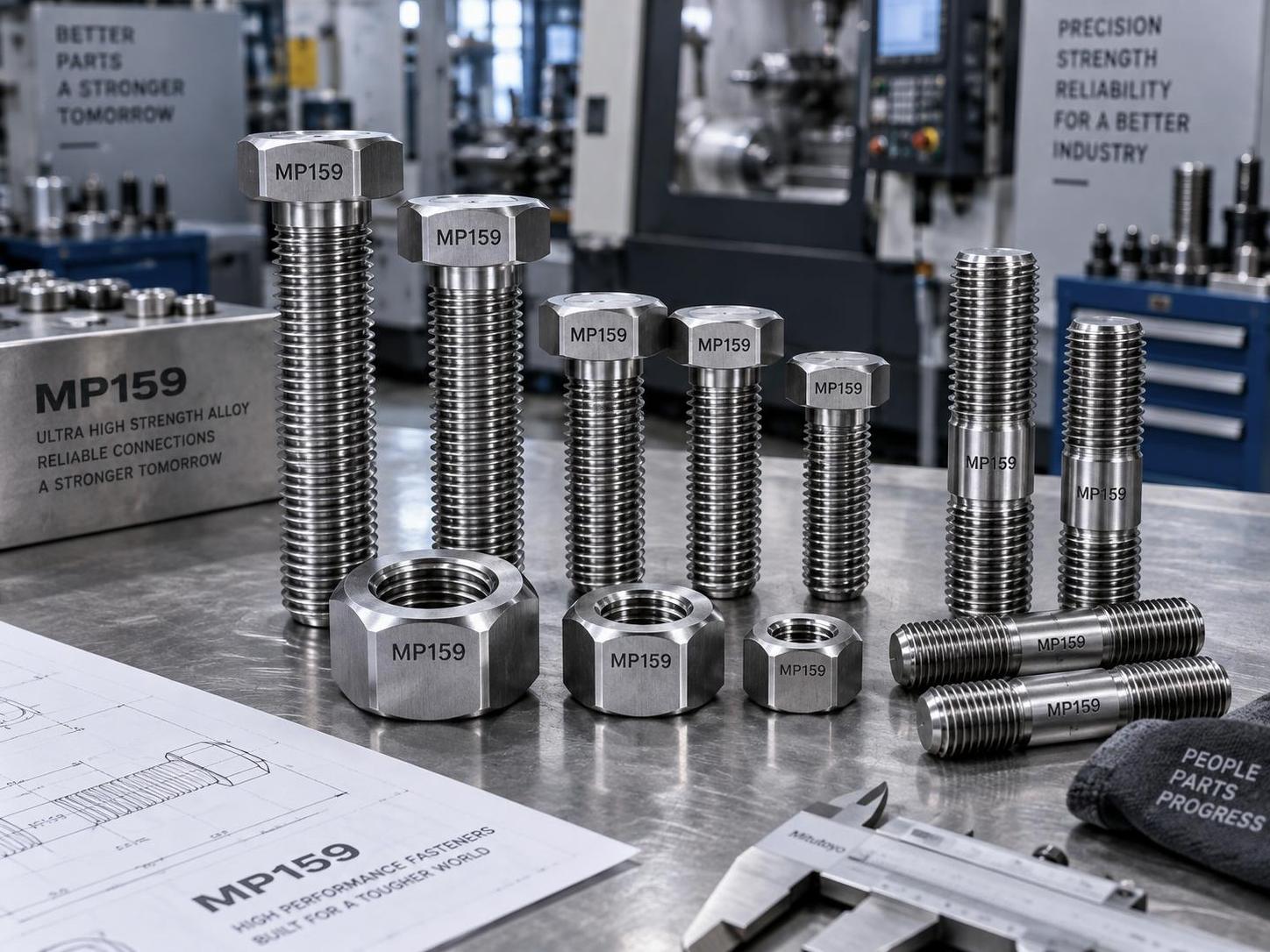
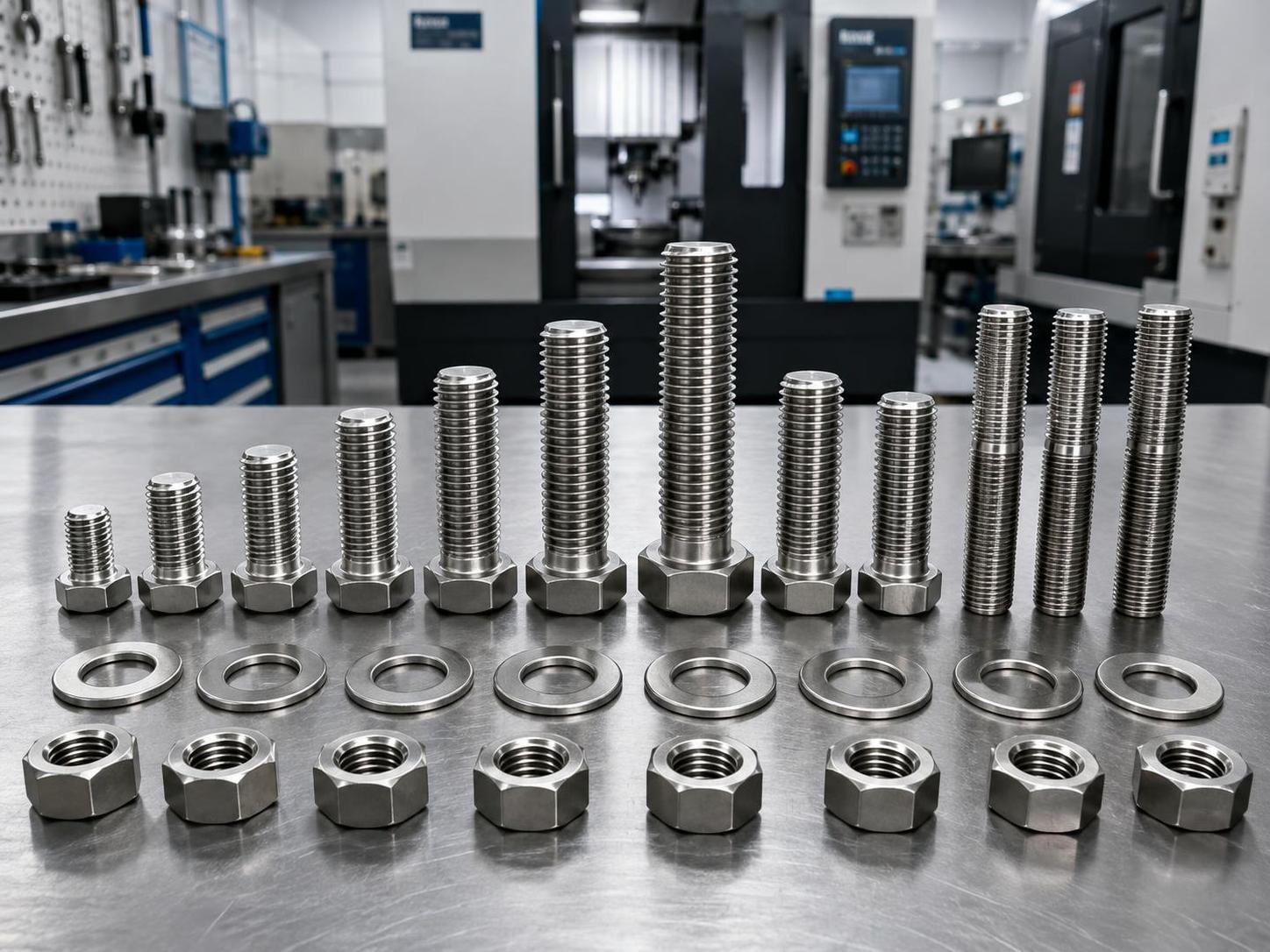
MP159 Fasteners in HPHT Sour Wells: Exceeding NACE MR0175 at 20 ksi and 350°F
As the oil and gas industry pushes into deeper reservoirs and higher pressures, High‑Pressure High‑Temperature (HPHT) sour wells have redefined the limits of fastener performance. In these environments—where pressures exceed 20,000 psi and wellbore fluids carry aggressive hydrogen sulfide—conventional high‑strength alloys fail rapidly. MP159 has emerged as the only fastener alloy that simultaneously delivers the required strength and sulfide stress cracking resistance. RAYCHIN LIMITED, a specialist manufacturer of MP159 bolting for downhole and wellhead equipment, details why this alloy is irreplaceable and how our manufacturing rigor ensures safe, long‑term service.
1. The HPHT Sour Environment Defined
Modern HPHT completions are characterized by a relentless combination of mechanical and chemical demands:
- Pressure: ≥ 15,000 psi (103 MPa), with many new wells exceeding 20,000 psi (138 MPa).
- Temperature: Bottom‑hole temperatures commonly reach 350°F (177°C) and above, accelerating corrosion and embrittlement mechanisms.
- Sour gas: H₂S partial pressures in excess of 10 psi, placing the environment squarely in NACE MR0175 / ISO 15156 Level VI and VII sour service categories.
- Chloride‑rich brines: Formation water with chloride concentrations exceeding 200,000 mg/L, driving severe pitting and crevice corrosion.
In this regime, materials must simultaneously resist sulfide stress cracking (SSC), hydrogen embrittlement, and chloride‑induced attack while maintaining structural integrity under enormous tensile loads.
2. How MP159 Meets Strength and SSC Resistance Simultaneously
MP159 (UNS R30159) is a multiphase cobalt‑nickel‑chromium‑molybdenum alloy that combines deep cold‑work strengthening with an aging‑induced precipitation of fine gamma‑prime particles. This unique microstructural design provides:
- Ultra‑high yield strength up to 260 ksi (1790 MPa) while still qualifying for NACE MR0175 Level VII sour service up to 51 HRC hardness. No other corrosion‑resistant fastener alloy offers this combination.
- Exceptional resistance to hydrogen embrittlement. MP159's low hydrogen diffusion rate and intrinsically ductile matrix prevent hydrogen from accumulating at stress concentrations, even at the high hardness levels required for 20‑ksi pressure vessels.
- Immunity to chloride stress corrosion cracking. The alloy's chromium‑rich passive film resists breakdown in high‑temperature, high‑chloride brines, eliminating the risk of chloride SCC that plagues lesser alloys.
Simply put, MP159 achieves what other alloys cannot: it provides the clamping force needed to seal 20‑ksi wellheads without sacrificing environmental cracking resistance.
3. Typical Fastener Applications in Downhole Tools and Wellheads
RAYCHIN's MP159 fasteners are found throughout the HPHT completion system:
- Packer mandrel connection bolts – subject to full wellbore pressure and H₂S exposure while maintaining the packer setting force. MP159's high tensile strength and SSC resistance ensure reliable zonal isolation.
- Perforating gun head connections – must survive the explosive shock load of detonation and subsequent well‑fluid exposure without brittle fracture. MP159's toughness at extreme strength levels is critical here.
- Subsea tree valve stem fasteners – long‑term subsea service with zero‑leakage requirements. MP159 studs maintain preload integrity over decades, preventing stem leakage and environmental release.
- Completion tool shear bolts – designed to fail at a precise load, yet must resist SSC before activation. MP159's predictable strength and consistent hardness from controlled cold‑working allow accurate shear‑load calculation without embrittlement risk.
- Wellhead connector studs – the largest diameter fasteners in the completion, clamping the wellhead assembly against 20‑ksi internal pressure while bathed in sour production fluid.
4. API 20F and NACE Compliance in Manufacturing
To meet the stringent requirements of API 20F and NACE MR0175, RAYCHIN applies a disciplined manufacturing protocol:
- Hardness verification on 100% of fasteners. We maintain a strict hardness band of 45–51 HRC, ensuring each fastener is above the minimum strength target while staying within the NACE‑approved limit.
- Microstructural examination per ASTM E112 and E45. Our metallurgical lab confirms the absence of continuous grain‑boundary precipitates that could provide hydrogen‑accumulation paths. Only clean, fine‑grained microstructures are accepted.
- Lot‑by‑lot tensile testing at room temperature and, when specified, at 350°F (177°C) to verify yield, tensile, and elongation meet the required minimums.
- Positive Material Identification (PMI) on every finished fastener using optical emission spectrometry, linked to the original mill heat certificate.
Our manufacturing data packages are structured to support third‑party inspection and certification, giving operators the documentation chain needed for well‑control equipment audits.
5. Quality Pitfall Warning: Control of Cold Work
One of the most common failure routes we observe in non‑optimized MP159 fasteners is localized hardness variation due to uncontrolled cold working. If the cold‑draw reduction is not uniform or the drawing speed is excessive, the fastener may develop high‑hardness zones that exceed 51 HRC. These zones become susceptible to hydrogen‑assisted cracking, even if the average hardness reading passes inspection. At RAYCHIN, we map the cold‑work distribution through statistical process control and verify hardness at multiple locations per fastener, eliminating this risk before a bolt ever enters service.
6. RAYCHIN's Track Record in HPHT Sour Service
RAYCHIN LIMITED has supplied MP159 high‑strength studs and bolts for multiple deepwater and onshore HPHT developments globally. Our process specifications directly align with API 20F clauses, and every shipment documentation package serves as a basis for independent third‑party certification. Through our partnership, operators have extended wellhead equipment service life while eliminating SSC‑related fastener failures—delivering measurable improvements in safety and production uptime.
When the success of a high‑value well depends on a bolted connection, RAYCHIN is the strategic partner that completion engineers turn to.
Send your downhole tool specifications, well parameters, or engineering drawings to our technical team. We provide a complete compliance assessment and competitive quotation within 24 hours.
✉️ sales@ray-chin.com? www.ray-chin.com | MP159 HPHT Specialist · API 20F · NACE MR0175 Level VII
Request A Quote! We'll respond as soon as possible(within 12 hours)
Get a Quote