
Categories List
Recent Posts
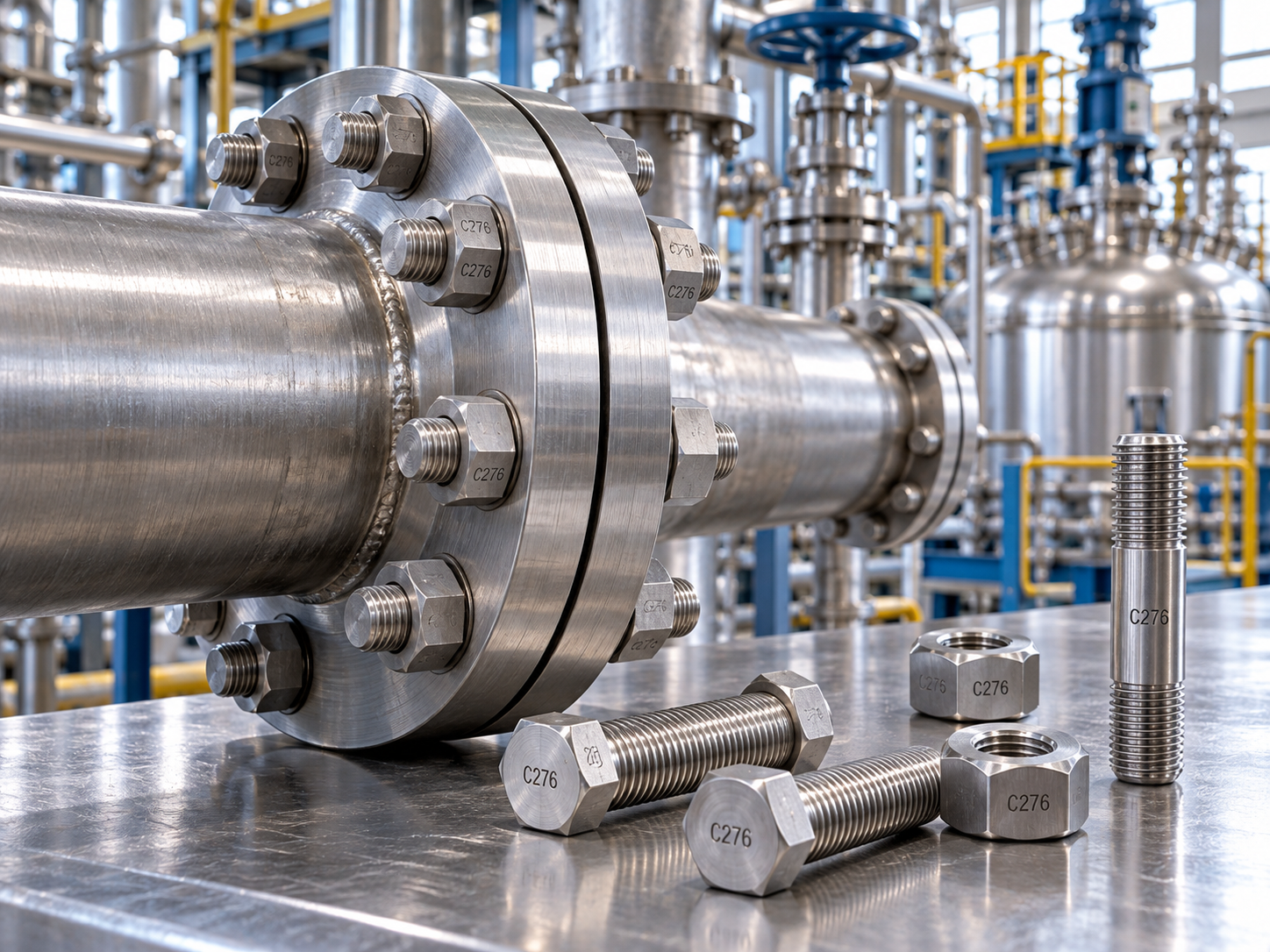
 Hastelloy C276 Fasteners: Bolts, Nuts, Screws, Studs & Washers for the World's Most Aggressive Corrosive Environments
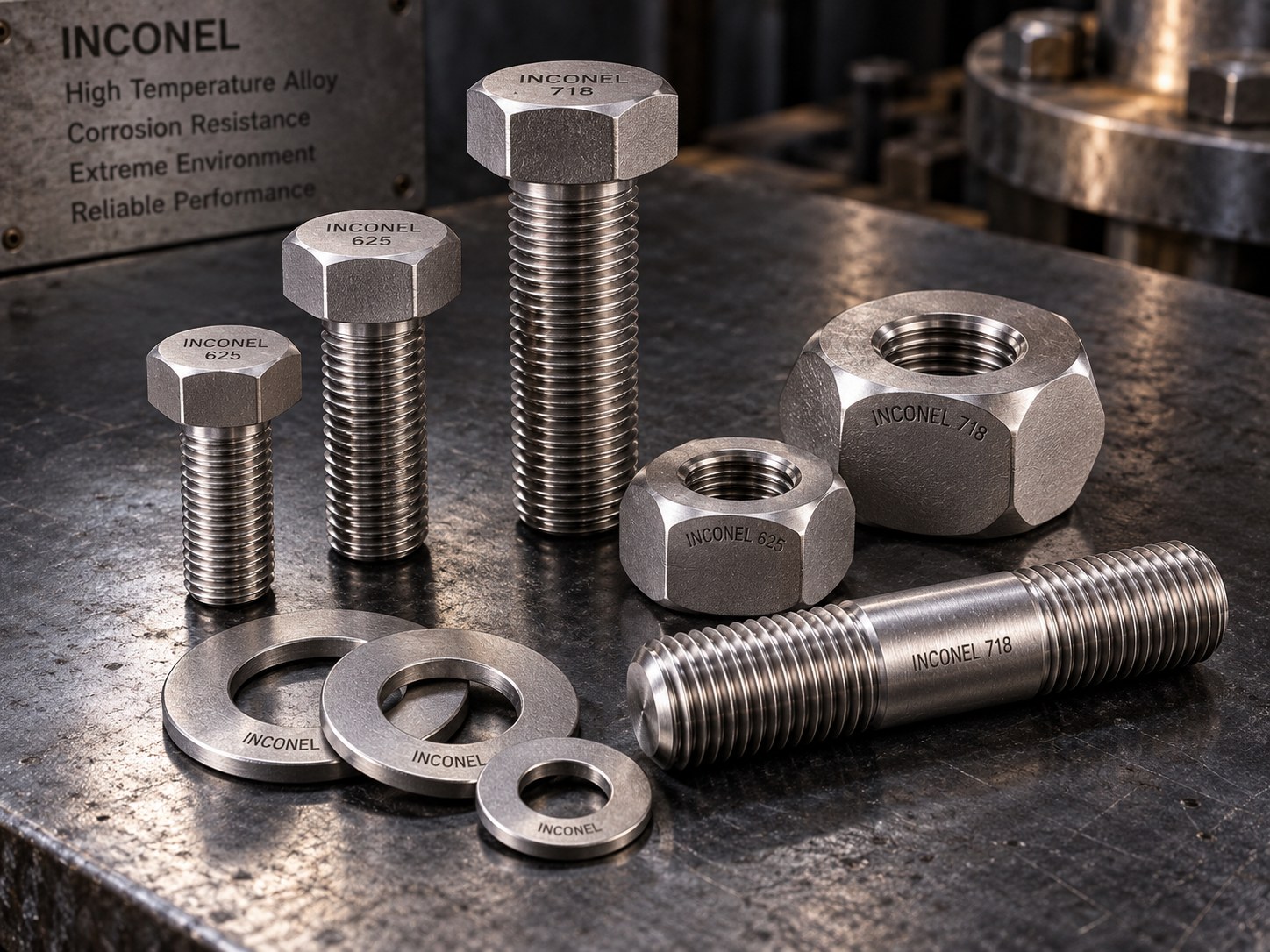
 Inconel Fasteners: Bolts, Nuts, Washers, Studs – Complete Technical Guide | RAYCHIN LIMITED
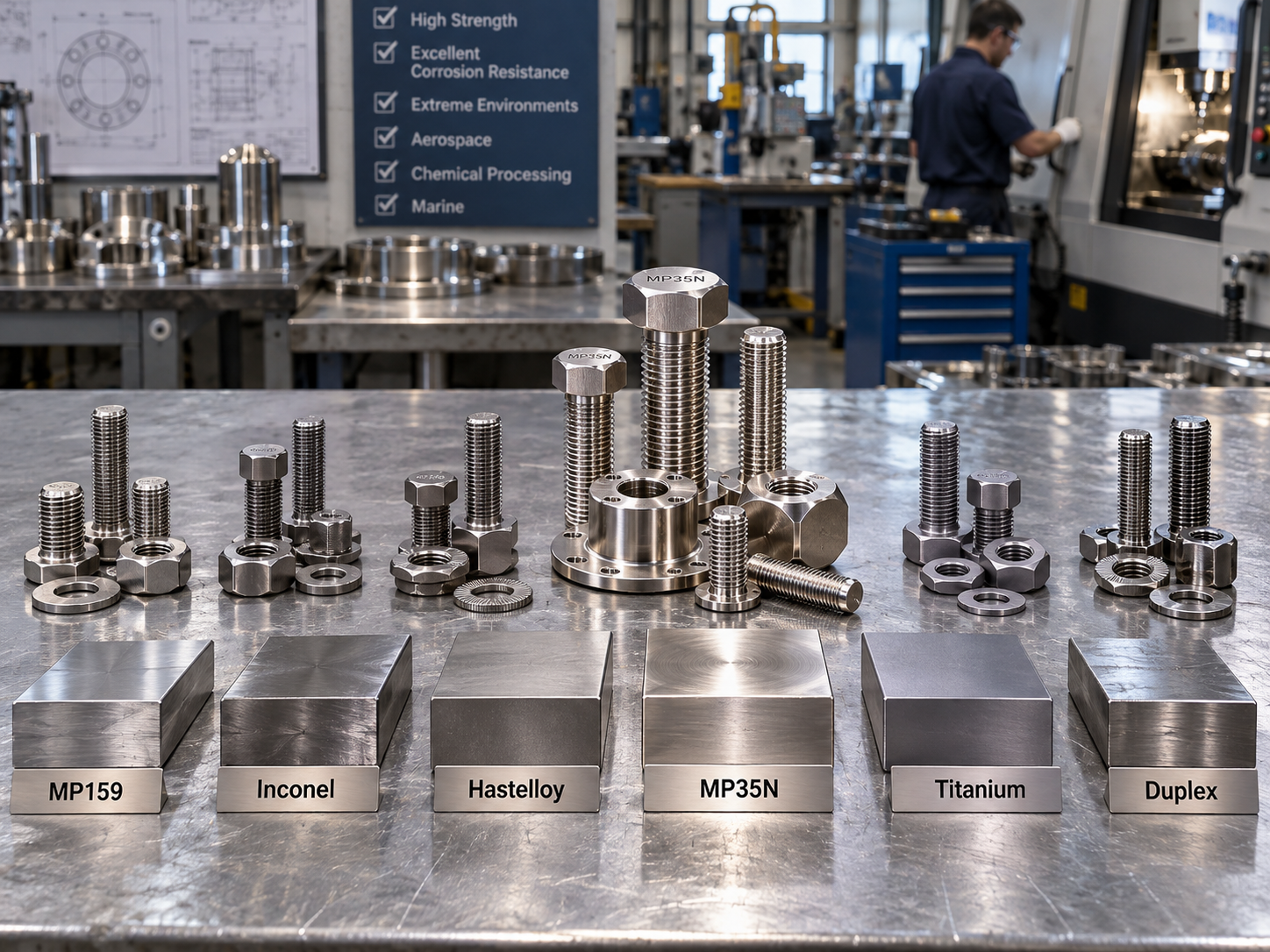
 MP35N vs Inconel, Titanium, C276, Complete Material Comparison Guide for Fasteners | RAYCHIN LIMITED
Solving Inconel 718 Fastener Galling and Hydrogen Embrittlement: Root Causes and Proven Prevention
Inconel 718 fasteners deliver unmatched high‑temperature strength, yet they present two notorious field challenges: galling during assembly and hydrogen embrittlement in service. At RAYCHIN LIMITED, we have spent decades manufacturing and troubleshooting Inconel 718 bolts, studs, and nuts for the aerospace, oil & gas, and power generation industries. This technical brief exposes the root causes behind these failures and presents our validated, field‑proven prevention measures.
1. Inconel 718 Galling: Why It Happens
Inconel 718 bolt galling is a severe form of adhesive wear. When two clean nickel‑alloy threads slide under high contact pressure, friction generates intense local heat. The alloy's low thermal conductivity and high ductility allow microscopic "cold welds" to form and instantly rupture, tearing away material. Common root causes include:
- Machined (cut) threads with rough surface finish—tearing becomes more likely.
- Identical material and hardness for bolt and nut—the same crystal structure promotes adhesion.
- High‑speed power tool assembly—frictional heating cannot dissipate quickly enough.
- Contaminated or dry threads—lack of a separating lubricant film.
2. Proven Solutions to Eliminate Galling
Based on extensive testing and field feedback, RAYCHIN applies the following countermeasures as standard or upon request:
- Thread rolling after solution annealing and aging – This creates a work‑hardened, exceptionally smooth thread surface. The compressive residual stress and reduced roughness dramatically lower galling tendency compared to cut threads.
- Specialized nickel‑compatible anti‑seize coatings – We offer pre‑applied tungsten disulfide (WS2) or silver‑based solid film lubricants. These coatings maintain a low friction coefficient even at high temperatures and will not contaminate sensitive process streams.
- Dissimilar nut material or hardness offset – Using an Inconel 718 bolt with a slightly softer or different nickel‑alloy nut (e.g., Inconel 625 or a specially tempered 718 nut) interrupts the metal‑to‑metal adhesion path.
- Controlled assembly procedures – We recommend slow, steady wrenching (no impact tools) with calibrated torque wrenches, and provide lubricated K‑factor values specific to the coating applied.
Our production team can deliver Inconel 718 fasteners with these features directly from stock, ready for immediate installation without additional surface treatment.
3. Hydrogen Embrittlement: A Silent Threat to High‑Strength 718
Inconel 718 hydrogen embrittlement occurs when atomic hydrogen diffuses into the metal, accumulates at grain boundaries or carbide interfaces, and causes delayed, brittle fracture—often at loads far below the yield strength. The precipitation‑hardened microstructure of 718, particularly if over‑aged or containing continuous delta‑phase films, can be susceptible. Hydrogen sources include:
- Electrolytic plating processes (zinc, cadmium) that introduce hydrogen during pickling and electrodeposition.
- Service exposure in sour oil & gas environments, cathodic protection systems, or high‑temperature hydrogen atmospheres.
- Welding or heat treatment in hydrogen‑containing furnace atmospheres.
4. Preventing Hydrogen Embrittlement: RAYCHIN's Zero‑Hydrogen Strategy
We have adopted a comprehensive hydrogen‑exclusion policy for all Inconel 718 fasteners, especially those destined for subsea, HPHT wellhead, or aerospace applications:
- Absolutely no electrolytic plating – We never apply zinc, cadmium, or similar sacrificial electroplatings. Instead, we use only physical vapor deposition (PVD) or solid dry film lubricants that are hydrogen‑free.
- Optimized heat treatment – Our age‑hardening cycles are precisely controlled to avoid excessive grain boundary delta‑phase (Ni₃Nb), which can act as hydrogen traps. We verify microstructure via ASTM E112 grain size and phase analysis.
- Baking when necessary – If any incidental hydrogen exposure occurs (e.g., from acid cleaning), parts are immediately baked at 190–220°C for 24 hours to drive out diffusible hydrogen.
- Certified testing – For critical orders, we can perform ASTM F519 hydrogen embrittlement testing or supply fasteners with hardness limits per NACE MR0175/ISO 15156.
5. Field Failure Investigation Steps
When a suspected Inconel 718 fastener failure occurs, RAYCHIN's metallurgy lab recommends the following investigative sequence:
- Visual and stereo‑microscopic examination – identify fracture origin and whether the fracture is intergranular, cleavage, or ductile.
- Scanning electron microscopy (SEM) – confirm fracture mode; intergranular facets with secondary cracking are classic hydrogen embrittlement signatures.
- Metallographic cross‑section – reveal grain boundary δ‑phase, cold work lines, or evidence of galling damage.
- Hardness mapping – verify compliance with specification (typically 36–44 HRC for 718); elevated hardness can increase susceptibility.
- Chemical analysis – confirm alloy composition and detect any unintended hydrogen charging media.
RAYCHIN can support failure investigations with full laboratory capabilities and, if required, provide replacement fasteners that incorporate the lessons learned.
6. The RAYCHIN Advantage: Galling‑Free and Hydrogen‑Safe Inconel 718 Fasteners
When you source Inconel 718 fasteners from RAYCHIN LIMITED, you receive components that are engineered to perform from the very first turn of the wrench. Our default manufacturing standards include precision‑rolled threads, optional WS2 or silver anti‑seize coatings, and an absolute ban on electroplating. We deliver complete material certification and can arrange third‑party witness testing.
We help our customers transition from problematic fastener sourcing to a zero‑failure reality.
Contact our technical team for Inconel 718 fasteners with anti‑galling coatings, hydrogen‑safe processing, and full quality documentation. We respond within 24 hours with a tailored solution.
✉️ sales@ray-chin.com? www.ray-chin.com | Precision Inconel Fasteners · WS2 & Silver Coatings · 100% Hydrogen‑Safe
Request A Quote! We'll respond as soon as possible(within 12 hours)
Get a Quote