
Categories List
Recent Posts
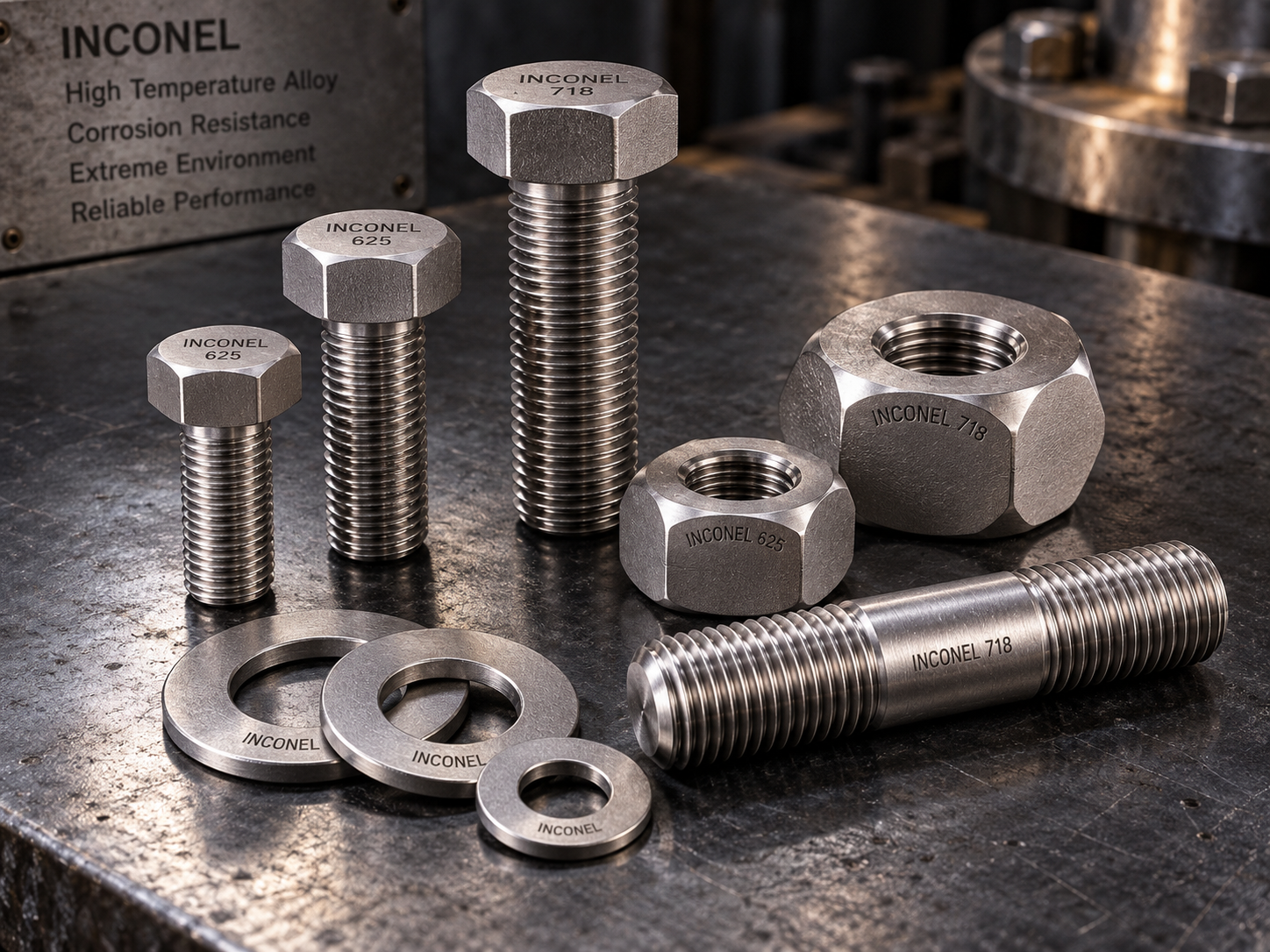
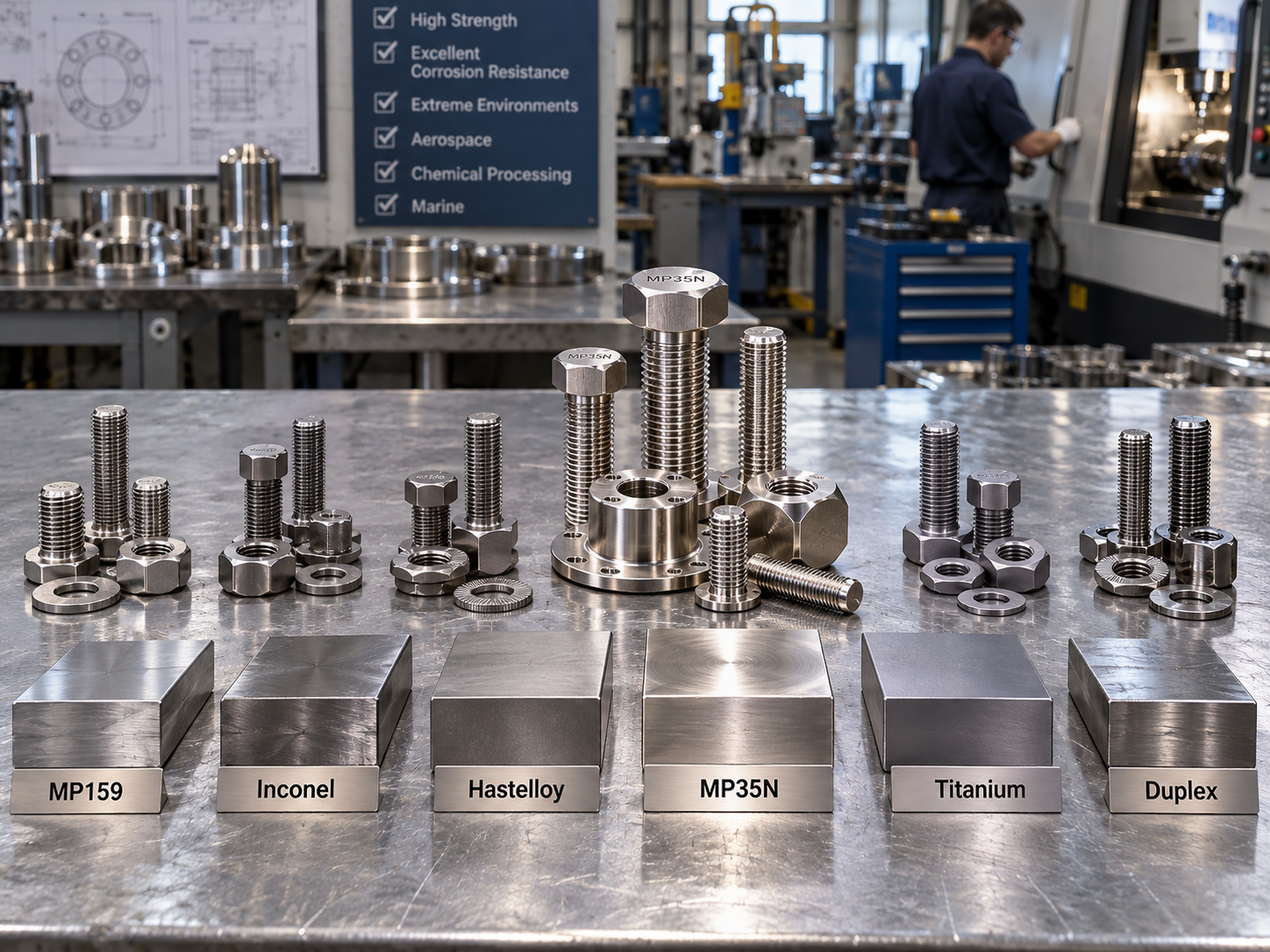
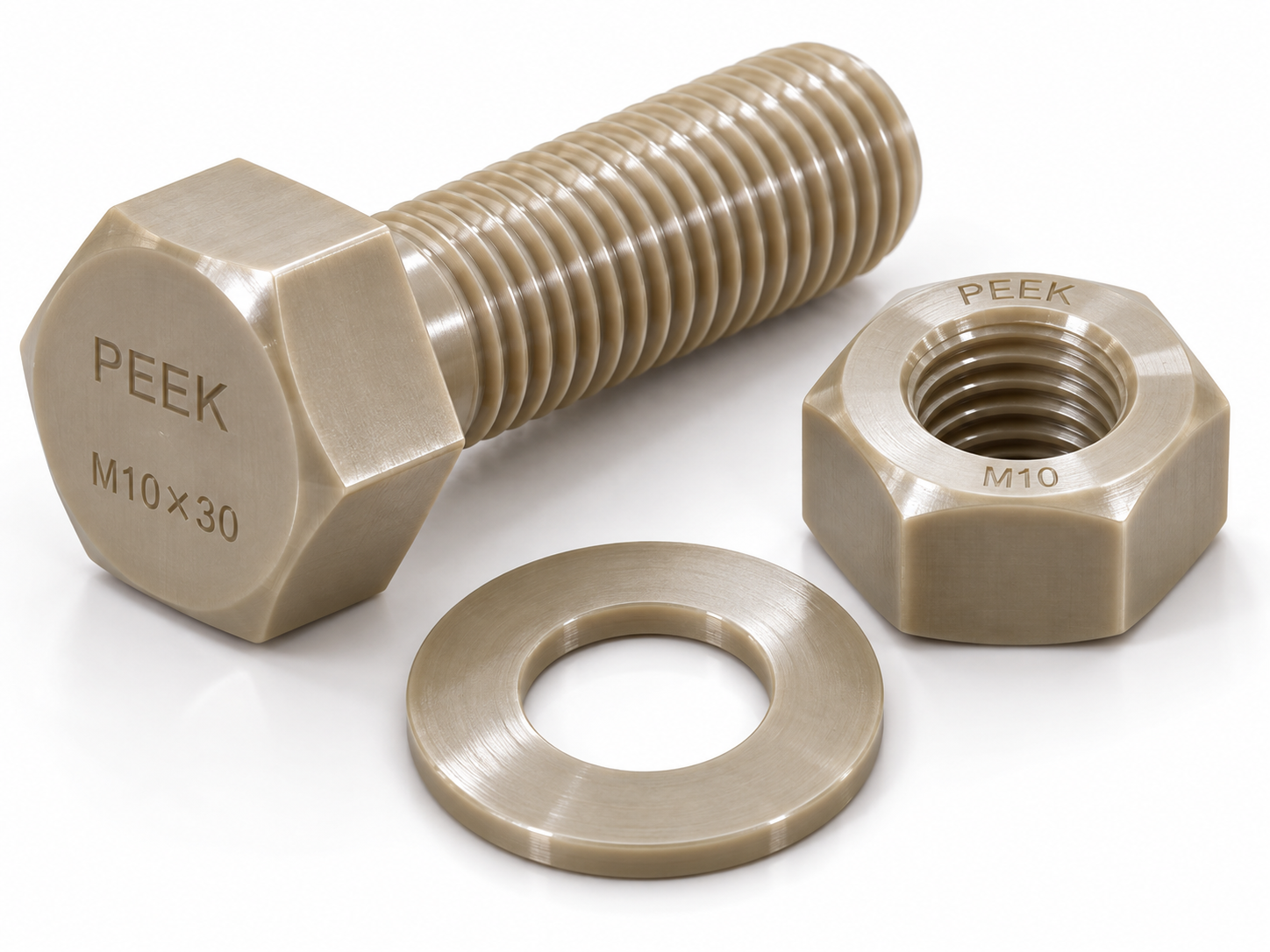
In the demanding offshore industry, equipment exposed to corrosive seawater and extreme pressure must rely on materials that guarantee durability and stability. Monel screws and other Monel fasteners, including Monel bolts, rivets, and washers, have become essential for reducing long-term failure risks in offshore platforms. With RAYCHIN LIMITED’s expertise in specialty metal fasteners manufacturing and material innovation, engineers and project managers can ensure superior reliability, corrosion resistance, and safety performance even under the harshest marine conditions.
Understanding How Monel Screws Perform in Offshore Environments
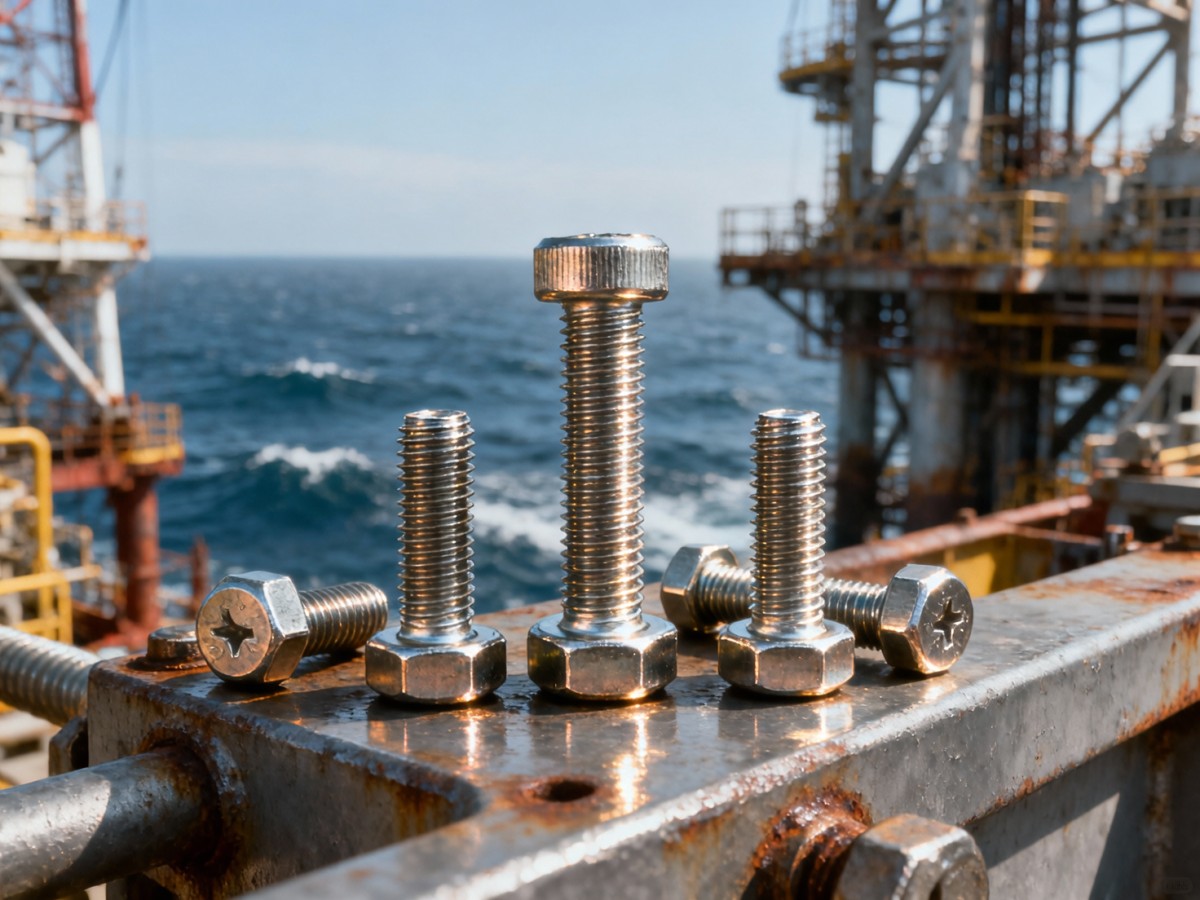
Offshore platforms constantly operate in high-salinity conditions, where temperatures may range between -20°C and 60°C, and exposure to moisture and pressure fluctuations is continuous. Traditional stainless steel or carbon steel screws often experience pitting or crevice corrosion within 12 to 24 months of use. Monel screws, however, maintain structural integrity over service cycles exceeding 10 years due to their nickel-copper alloy composition.
The unique material structure of Monel—typically including 63% nickel, 28% copper, and trace amounts of iron and manganese—creates strong resistance against seawater corrosion and biofouling. This makes them a preferred option where maintenance access is limited and operational downtime costs can exceed USD 100,000 per day.
RAYCHIN LIMITED’s engineering team has continually refined surface finishing and precision threading for Monel fasteners, ensuring uniform torque application and preventing galling even after thousands of load cycles. This attention to metallurgical balance and process design contributes significantly to reducing mechanical failures during multi-year platform operations.
Compared with aluminum bronze or duplex stainless alternatives, Monel maintains its anti-corrosive strength up to chloride concentrations of 50,000 ppm, outperforming other non-ferrous metals used in sub-sea fastening systems. Such stability is critical in regions like the North Sea or Gulf of Mexico, where systems endure aggressive environments year-round.
Key Performance Indicators
- Operating temperature: -20°C to 400°C
- Corrosion rate: less than 0.02 mm per year in seawater
- Tensile strength: approximately 520–620 MPa
- Fatigue life: extended to more than 1×10⁶ cycles under moderate load
Comparing Monel Screws with Other Marine Fasteners
Selecting the optimal fastener involves examining corrosion performance, mechanical strength, lifecycle, and total operational costs. Engineers often balance these metrics through quantified testing and real-environment evaluations over periods of 6–12 months before approval. The following table summarizes a typical technical comparison relevant to offshore industry requirements.
Data from real-world platform maintenance cycles reveals that Monel fasteners can reduce replacement frequency by over 40%, translating into significant ROI improvements. Considering the daily operating costs of offshore drilling exceeding USD 200,000, this improved longevity directly lowers overall project expenses.
For quality control and reliability testing, RAYCHIN LIMITED applies a 3-phase inspection protocol—dimensional accuracy check, salt spray test (>1500h), and torque load verification—to ensure every batch meets exact marine-grade specifications. This approach mitigates early-stage failure risks in offshore assembly environments.
Procurement and Selection Guidelines for Marine Fasteners
Proper fastener selection requires integrating material performance, cost-efficiency, and environmental demands. Procurement teams typically assess five categories: load-bearing requirements, corrosion conditions, installation environments, compliance standards, and lifecycle costs. The total selection process can take 2–4 weeks, depending on project scale and validation phases.
Below is a decision-support table that helps determine suitable Monel screw configurations compared to alternate materials in specific use zones of offshore platforms.
Procurement officers evaluating lifecycle value should consider total cost of ownership rather than initial price. Monel fasteners may cost 1.5–3 times more upfront, but they drastically lower maintenance budgets and downtime losses. In supply chain terms, this equivalence often offsets the capital expense within 18–24 months of operational deployment.
Checklist for Evaluating Monel Screw Suppliers
- Material certification per ASTM B164/B165 or equivalent standard
- Dimensional tolerance inspection within ±0.05 mm
- Salt spray test verification exceeding 1000 hours
- Traceable batch records and inspection reports
- Custom machining or threading options available for non-standard joints
Addressing Common Misconceptions and Risks
A frequent misconception among procurement teams is assuming that all nickel-based fasteners deliver comparable corrosion performance. In reality, composition differences between Monel, Inconel, and Hastelloy can cause variations of up to 25% in corrosion rate when subjected to chloride-rich conditions at 40°C. Incorrect material pairing can lead to galvanic corrosion, especially when in contact with dissimilar alloys or conductive coatings.
Another common mistake is underestimating the effect of installation torque on fatigue performance. Over-tightening Monel screws beyond 110% of rated torque can provoke thread deformation. RAYCHIN LIMITED provides torque charts for each size range—typically M6 to M36—to guide safe tightening with anti-seize lubrication.
Maintenance staff should also avoid mixing Monel and stainless steel fasteners in the same joint clusters, as it may create minor galvanic currents with long-term surface damage exceeding 0.05 mm over 5 years of exposure. Correct fastener grouping and insulation washers are necessary for longevity.
By aligning fastener selection, torque control, and surface insulation, platforms can extend inspection intervals from 6 to 12 months and maximize structural stability. This integrated approach reduces unplanned shutdown frequency by around 20% compared to mixed-alloy usage scenarios.
FAQ: Key Questions About Monel Fasteners in Offshore Operations
What makes Monel screws particularly suitable for offshore platforms?
Their resistance to chloride corrosion, biofouling, and stress cracking gives Monel screws a notable advantage in continuous immersion or splash-zone conditions. Their yield strength of 240–300 MPa ensures secure hold in high-vibration assemblies typical of offshore rigs.
How long do Monel fasteners typically last before replacement?
Under normal maintenance, they can serve effectively for 10–15 years. Factors such as temperature range and exposure to acidic contaminants may slightly adjust this lifespan, but performance remains substantially higher than most alternatives like bronze or duplex steel.
Are Monel screws compliant with international standards?
Yes, Monel alloys typically comply with ASTM B164 and B165 for composition and strength requirements. RAYCHIN LIMITED performs 100% lot traceability and adherence checks before shipment, supporting ISO9001 and marine-grade inspection protocols.
Can Monel fasteners be customized for complex subassemblies?
Absolutely. RAYCHIN LIMITED’s engineering team offers customized threading, length, and coating solutions for unique flange arrangements or hybrid-metal applications. Prototype lead times average around 2–3 weeks following specification confirmation.
Why Choose RAYCHIN LIMITED for Marine-Grade Fastener Solutions
RAYCHIN LIMITED stands as a global leader in specialty metal fasteners with dedicated research modules focused on high-performance alloys, including Monel, Inconel, and Titanium. The company’s integrated production capabilities—from raw material analysis to CNC finishing and mechanical testing—guarantee consistent product integrity across large-batch and small-batch orders.
For project managers and procurement professionals seeking corrosion-proof solutions, RAYCHIN LIMITED offers complete support encompassing:
- Material selection guidance and comparative analysis within 48 hours
- Custom fastener design prototyping within 10–15 working days
- Compliance documentation and third-party inspection coordination
- Technical consultation on anti-galling and assembly torque parameters
- Global distribution network ensuring timely delivery across regions
To discuss Monel screw configurations, corrosion-report verification, or large-scale fastener supply for marine equipment, contact RAYCHIN LIMITED’s engineering consultation team. We assist in confirming parameters, custom dimensions, delivery scheduling, and certification compliance tailored to each offshore application.
Request A Quote! We'll respond as soon as possible(within 12 hours)
Get a Quote