
Categories List

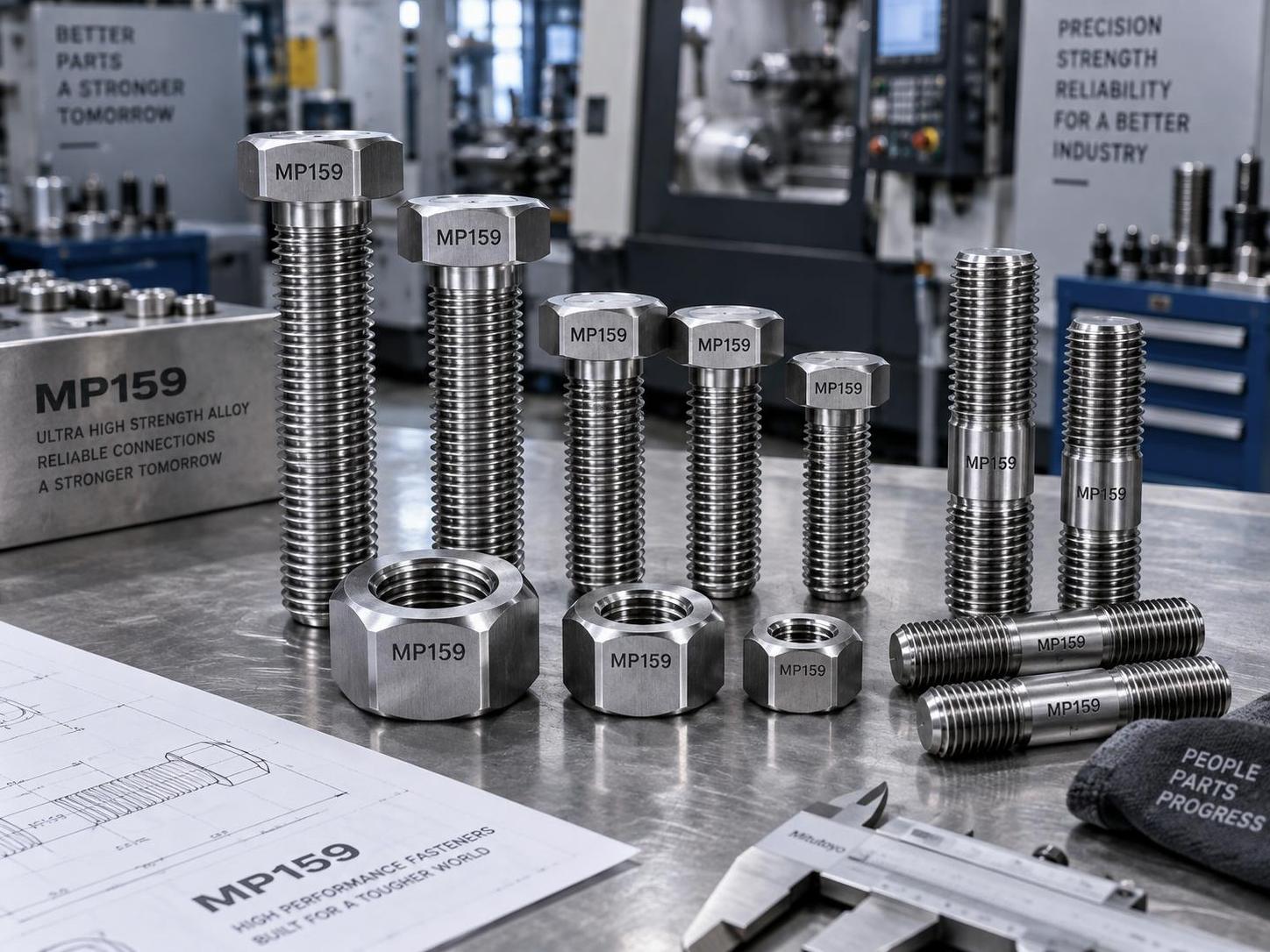
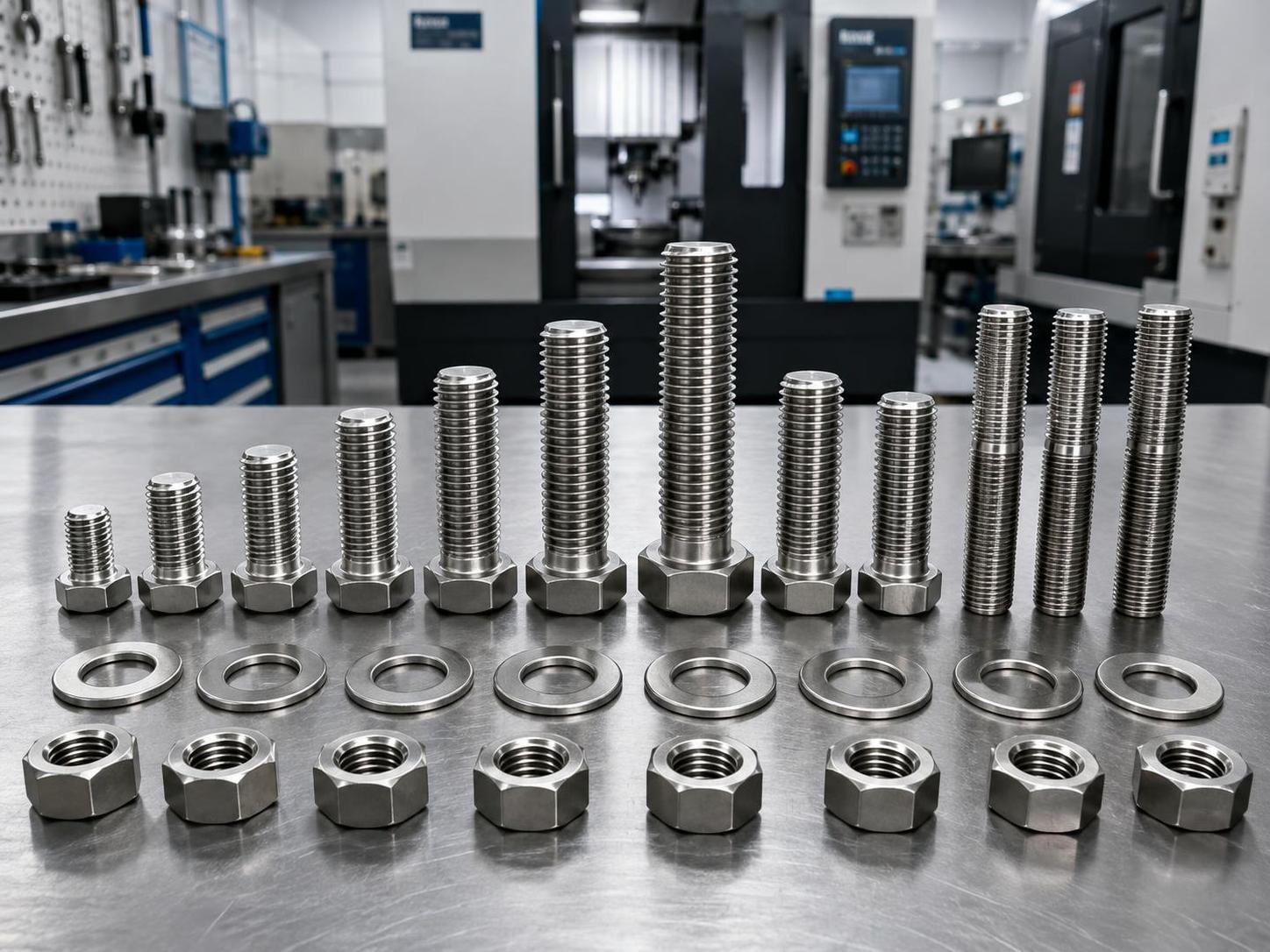
Specifying a hastelloy threaded rod correctly is critical for corrosion resistance, strength, and long-term reliability in demanding metal processing environments. Whether you are comparing hastelloy fasteners, hastelloy bolts, c276 bolts, or hastelloy c276 fasteners, small mistakes in grade, thread, size, or standards can lead to costly failures. This guide helps engineers, buyers, and project teams choose the right solution with confidence.
What usually goes wrong when specifying a hastelloy threaded rod?
In metal processing equipment, a threaded rod is rarely a simple catalog item. It often works inside corrosive chemical zones, high-temperature assemblies, maintenance-intensive frames, acid pickling lines, fume handling systems, and wet process machinery. A specification error made at the purchasing stage can remain hidden for 3–6 months and only appear when corrosion, galling, preload loss, or thread mismatch causes shutdown risk.
Many teams start with a broad request such as “Hastelloy stud bolt” or “Hastelloy threaded rod” and stop there. That is not enough. Technical evaluators usually need at least 5 core inputs: alloy grade, thread type, diameter, length, and applicable standard. In more demanding projects, surface condition, heat treatment route, inspection scope, and traceability level also become critical.
The most common mistake is assuming all hastelloy fasteners behave the same. In practice, buyers often compare hastelloy bolts, c276 bolts, and other nickel alloy fasteners only by price and lead time. This creates risk because corrosion resistance can vary by reducing media, oxidizing media, chloride exposure, and process temperature range. A rod that performs well in one line may fail early in another.
Another frequent issue is incomplete mating-part review. A threaded rod does not work alone. Nuts, washers, flange material, gasket compression requirements, and installation torque all affect service life. In metal processing equipment, mixed-material assemblies may create galvanic or seizure concerns, especially when maintenance teams must disassemble parts after 12–24 months of exposure.
Typical specification gaps seen in purchasing and engineering files
When an RFQ is incomplete, the supplier may quote a technically acceptable but operationally weak option. That is why procurement and engineering should align before issuing a request. The checklist below reflects the most frequent gaps in industrial fastener sourcing for metal processing systems.
- Alloy not defined beyond “Hastelloy,” leaving confusion between C276 and other nickel-based grades.
- Thread form omitted, such as UNC, UNF, metric coarse, metric fine, or custom pitch.
- Rod length given without thread length requirement, resulting in installation or nut engagement issues.
- No mention of standards like ASTM, ASME, DIN, or project-specific material control requirements.
- No inspection plan for PMI, MTC review, dimensional check, or corrosion-sensitive application validation.
For decision-makers, these gaps directly affect total cost. The material itself may be expensive, but the larger loss often comes from downtime, rework, delayed commissioning, or field replacement. A well-specified hastelloy threaded rod lowers the chance of receiving a part that meets drawing dimensions but does not match process chemistry or maintenance expectations.
How to choose the right grade, thread, size, and standard
The safest way to specify a hastelloy threaded rod is to separate the decision into 4 layers: media compatibility, mechanical requirement, dimensional requirement, and compliance requirement. This makes sourcing clearer for engineers, purchasing teams, quality managers, and distributors. It also reduces quote revision cycles, which often add 7–15 days to project schedules.
For grade selection, C276 is frequently considered when metal processing equipment operates in aggressive acidic or mixed-chemical environments. That is why c276 bolts and hastelloy c276 fasteners are often specified for corrosion-critical zones. However, the correct choice still depends on actual process chemistry, operating temperature, cleaning cycle exposure, and whether the rod is in splash, vapor, immersion, or intermittent service.
Thread selection should reflect assembly practice. Coarse threads can be easier to install in field conditions and may be preferred where contamination or repeated maintenance is common. Fine threads can support different preload characteristics but may be less practical in corrosive service if thread damage or seizure is a concern. For critical equipment, the thread standard should always be written on the drawing or purchase order.
Size selection is not only about diameter. Engineers should confirm load path, clamping length, grip arrangement, flange thickness, nut engagement, and thermal expansion behavior. In many industrial assemblies, diameter ranges such as M8–M36 or 3/8 in.–1 1/2 in. are common, but the correct rod depends on the actual equipment interface, not on general inventory habits.
Specification framework for technical and commercial teams
The table below helps cross-check core specification items before issuing an RFQ for hastelloy fasteners. It is especially useful when comparing multiple vendors for threaded rod, stud bolt, and nut assemblies used in metal processing machinery.
This framework helps avoid a common mistake: approving a quote based only on diameter and price. For critical chemical or wet-process equipment, a complete fastener specification should support both initial installation and future maintenance, especially if the plant plans periodic shutdowns every 6 months, 12 months, or annually.
A practical 4-step selection sequence
- Identify the process environment: chemical media, concentration, temperature range, and exposure type.
- Define the mechanical need: clamping duty, load path, vibration level, and maintenance interval.
- Lock the dimensional standard: thread type, diameter, rod length, nut engagement, and tolerance expectation.
- Confirm compliance and inspection: standards, traceability, testing, packaging, and delivery lot identification.
This sequence improves communication between engineering, sourcing, and quality teams. It is also useful when evaluating custom threaded rod requests where standard catalog dimensions do not fit the equipment layout.
Hastelloy threaded rod vs hastelloy bolts vs c276 bolts: what should buyers compare?
Buyers often use several search terms interchangeably: hastelloy threaded rod, hastelloy bolts, c276 bolts, and hastelloy c276 fasteners. The terms overlap, but they do not always refer to the same product form or procurement logic. A threaded rod is usually supplied in longer lengths for cutting, double-end studding, or custom assembly, while bolts can include defined heads, fixed lengths, and more standard installation scenarios.
From a sourcing perspective, the comparison should include more than product name. Project teams should review service environment, replacement frequency, machining feasibility, stock availability, and whether a custom solution is needed. In many shutdown projects, the difference between stocked bolts and made-to-order threaded rod can influence lead time by 1–3 weeks.
For maintenance personnel, the main concern is often field practicality. A hastelloy threaded rod may offer flexibility for flange stacks, equipment frames, or variable thickness assemblies. Standard hastelloy bolts may simplify installation in confined spaces. C276 bolts are often selected where corrosion risk outweighs the cost premium associated with nickel alloy fasteners.
For distributors and commercial evaluators, the key is matching product form to inventory strategy. Standardized bolt dimensions may support faster turnover, while custom threaded rod orders require stronger technical review but can create more value in project-based supply chains.
Comparison table for common purchasing decisions
The table below highlights the practical differences buyers should review when comparing product forms for corrosion-resistant fastening in metal processing equipment.
The comparison shows why product naming alone is not enough. A purchasing team can reduce risk by asking one extra question early: do we need a standard item, a corrosion-driven alloy decision, or a custom assembly solution? That question often removes 2–3 rounds of quote clarification.
When cost pressure leads to wrong substitutions
In budget-driven projects, teams may try to replace a specified hastelloy threaded rod with a lower-cost alloy without fully reviewing the medium. This is especially risky in pickling, acid circulation, off-gas treatment, and mixed-moisture equipment zones. Initial savings may look attractive, but replacement labor, shutdown cost, and quality risk can quickly exceed the material difference.
A better approach is controlled value engineering. Review whether every fastener location truly needs the same alloy. In some systems, only high-exposure zones require c276 bolts or hastelloy c276 fasteners, while lower-risk external structures may accept another suitable material. This zone-based strategy can improve cost control without weakening critical reliability.
That decision should be made jointly by engineering, procurement, and quality control. It should also be documented in the BOM and maintenance manual so future replacements do not accidentally downgrade the material during service.
Which standards, inspections, and documents should be written into the order?
For industrial fasteners, many problems appear not because the alloy was wrong, but because the order was documented too loosely. A robust purchase order for a hastelloy threaded rod should state the material designation, dimensions, thread form, quantity, standard reference, required documents, and inspection scope. In regulated or safety-sensitive projects, omission of one item can delay acceptance by 1–2 weeks.
Common standard references may involve ASTM or ASME material and dimensional frameworks, along with project-specific drawing notes. The right standard depends on whether the order is for stud bolts, fully threaded rods, machined custom rods, or complete fastener sets. The point is not to overload the PO, but to remove interpretation gaps between buyer and supplier.
Inspection requirements should match application risk. For example, a non-critical external mounting point may need dimensional verification and material certificate review. A rod used in corrosion-critical process equipment may also require PMI, heat or lot traceability, and tighter visual review of thread finish and damage. The inspection level should reflect the service consequence of failure.
Quality teams should also define packaging and marking expectations. Nickel alloy fasteners used in metal processing equipment should be protected from handling damage, mixed-lot confusion, and surface contamination during storage and shipment. This is particularly important when project installation is staged over 2–4 weeks and multiple contractors handle the material.
Order documentation checklist
The following checklist can be inserted into RFQs or technical annexes to improve first-pass quote accuracy and incoming inspection readiness.
- Exact alloy designation, such as a specified Hastelloy grade for the intended chemical environment.
- Product form: threaded rod, stud bolt, hex bolt, nut, washer, or complete assembly set.
- Thread details including standard, pitch, handedness if special, and full-thread or partial-thread requirement.
- Dimensions with tolerance expectations, especially for custom cut length and engagement-critical locations.
- Required documents such as MTC, lot traceability, PMI if requested, and packing identification.
This level of clarity supports both procurement and site installation. It also gives distributors and agents a more reliable basis for matching the project to available stock or custom production routes.
Three levels of inspection planning
A simple way to align quality cost with application risk is to define 3 inspection levels. Level 1 can cover dimensional and document review for low-risk use. Level 2 can add PMI or batch verification for moderate-risk process zones. Level 3 can apply to highly corrosive, shutdown-critical, or customer-audited projects where traceability and review discipline are stricter.
This approach avoids the two extremes seen in the market: under-specifying important hardware, or over-specifying every fastener regardless of duty. Balanced inspection planning helps control both quality risk and procurement cost.
How to reduce procurement risk, lead-time pressure, and field failure
Metal processing projects often run under schedule pressure. Equipment teams may need corrosion-resistant threaded rod for new builds, maintenance shutdowns, or urgent replacement. In these cases, procurement risk is not limited to price. The real concern is whether the delivered rod will match the drawing, survive the process environment, and arrive within the commissioning window.
Lead time varies depending on grade, diameter, thread type, quantity, and whether the item is standard or custom. For stocked sizes, response can be much faster. For special diameters, non-standard lengths, or project-specific inspection requests, delivery may extend into several weeks. That is why technical clarification should begin early, ideally before the final shutdown plan is fixed.
A practical procurement plan should include 6 checkpoints: application review, alloy confirmation, drawing confirmation, documentation scope, packaging requirement, and logistics schedule. If any one of these is unclear, the project may still receive a quote, but not necessarily the right product. This is a common reason why hastelloy bolts or threaded rod need replacement before installation even starts.
Field failure prevention also depends on installation practice. Even the correct hastelloy threaded rod can underperform if the assembly uses incompatible nuts, poor lubrication control where appropriate, wrong preload, damaged thread starts, or reused hardware from a previous shutdown. A procurement decision should therefore include installation guidance as part of the handover package.
Procurement evaluation matrix
When comparing suppliers for hastelloy fasteners, buyers can use the matrix below to separate low-price quotes from low-risk quotes.
This matrix is useful for project managers and purchasing departments that must balance technical certainty with commercial timing. It also helps explain internally why the cheapest quote may not be the most economical option over a 12–36 month service cycle.
A practical service process for custom orders
- Send process conditions, drawing details, and target quantity so the material route can be reviewed accurately.
- Confirm alloy grade, thread standard, dimensions, mating hardware, and document package before quotation freeze.
- Approve production and inspection scope, including any PMI, marking, and packaging requirements.
- Coordinate shipment timing, lot identification, and after-delivery support for installation or replacement planning.
This 4-step workflow is especially effective for customized hastelloy threaded rod projects where technical ambiguity would otherwise delay production or create incoming quality disputes.
FAQ, common misconceptions, and what to prepare before you ask for a quote
A large share of sourcing delays comes from preventable misunderstandings. The questions below reflect common concerns from engineers, maintenance teams, procurement staff, distributors, and decision-makers evaluating hastelloy fasteners for corrosive industrial equipment.
These answers are not meant to replace application engineering. They are meant to improve the quality of the first inquiry so suppliers can respond with technically relevant options, realistic lead times, and clearer cost structure.
For best results, prepare at least 4 pieces of information before requesting a quote: service medium, operating temperature range, thread and size requirement, and document or inspection expectations. If a drawing exists, include it from the beginning.
This preparation reduces back-and-forth communication, which can otherwise add several business days and increase the chance of quoting the wrong material or product form.
How do I know whether I need a hastelloy threaded rod or a standard bolt?
Choose a threaded rod when the assembly length is variable, when both ends need nut engagement, when field cutting or custom studding is required, or when the equipment design does not match fixed bolt lengths. Choose a standard bolt when installation space, tool access, and catalog dimensions make a headed fastener more practical. The correct choice depends on assembly geometry, not only on corrosion resistance.
Are c276 bolts always the best option for corrosive equipment?
Not always. C276 bolts are often selected for highly aggressive environments, but the best option depends on actual chemistry, temperature, exposure mode, maintenance expectations, and budget. In some cases, the entire assembly does not need the same alloy level. A zone-based review can identify where hastelloy c276 fasteners are essential and where another suitable material may be acceptable.
What should be included in an RFQ for hastelloy fasteners?
A strong RFQ should include alloy grade, product type, thread standard, diameter, length, quantity, application description, document requirements, and delivery expectation. If possible, add mating-part information and whether the order is for replacement, new equipment, or shutdown stock. These details help suppliers quote the right hastelloy threaded rod or hastelloy bolts without risky assumptions.
How long does custom production usually take?
Lead time depends on grade availability, size range, quantity, machining complexity, and inspection scope. Standardized or stock-supported items move faster. Custom rods with special lengths, matched nuts, or additional inspection may require a longer schedule. The most important step is early technical confirmation, because unclear requirements often delay the order more than production itself.
Why work with a specialty fastener supplier for metal processing equipment?
In corrosion-sensitive equipment, the value of a supplier is not limited to manufacturing. The real value lies in helping customers choose the right material, product form, and documentation route before mistakes are built into the order. This is where a specialty metals fastener partner can reduce technical uncertainty for engineers, buyers, project managers, and quality teams.
RAYCHIN LIMITED focuses on the development, manufacturing, and global distribution of standard and customized fasteners made from high-performance specialty metals. For customers in metal processing equipment, that means support is available not only for standard hastelloy bolts, but also for custom threaded rod, matched fastening sets, and application-oriented material review based on operating conditions.
The advantage of working with an experienced technical team is speed with control. Instead of exchanging multiple unclear quotes, customers can move through a more structured review of alloy grade, dimensions, standards, and supply scope. This is especially useful when facing tight shutdown windows, distributor resale requirements, project documentation pressure, or non-standard fastener configurations.
If you are evaluating a hastelloy threaded rod, hastelloy fasteners, c276 bolts, or a full set of hastelloy c276 fasteners for demanding process equipment, the next step should be specific. Share your application medium, temperature range, thread standard, dimensions, quantity, and document expectations. You can also ask for support on parameter confirmation, product selection, delivery timing, customized solutions, sample availability, inspection requirements, and quotation planning.
What you can discuss with our team
- Whether a hastelloy threaded rod or another fastener form is better for your assembly layout.
- How to compare hastelloy bolts and c276 bolts for your specific chemical process conditions.
- What dimensions, thread details, and standards should be fixed before issuing an RFQ.
- How to plan lead time, inspection scope, packaging, and traceability for project delivery.
- Whether a standard item, custom rod, or full fastener kit is the most efficient sourcing route.
A precise inquiry produces a better result. If your team sends the service conditions and drawing details early, the response can focus on the right alloy path, dimensional match, delivery approach, and documentation package instead of generic product descriptions. That saves time, lowers project risk, and makes procurement decisions easier to defend internally.
Request A Quote! We'll respond as soon as possible(within 12 hours)
Get a Quote