
Waspaloy Lock Nuts
Similar to that of Inconel 718 fasteners, Waspaloy Lock Nuts exceed the strength and stability of Inconel 718 at elevated temperatures beyond 1400°F. In addition, the oxidation resistance of Waspaloy fasteners make it an ideal materials for high temperature applications like gas turbines engines, and a variety of other aerospace components.
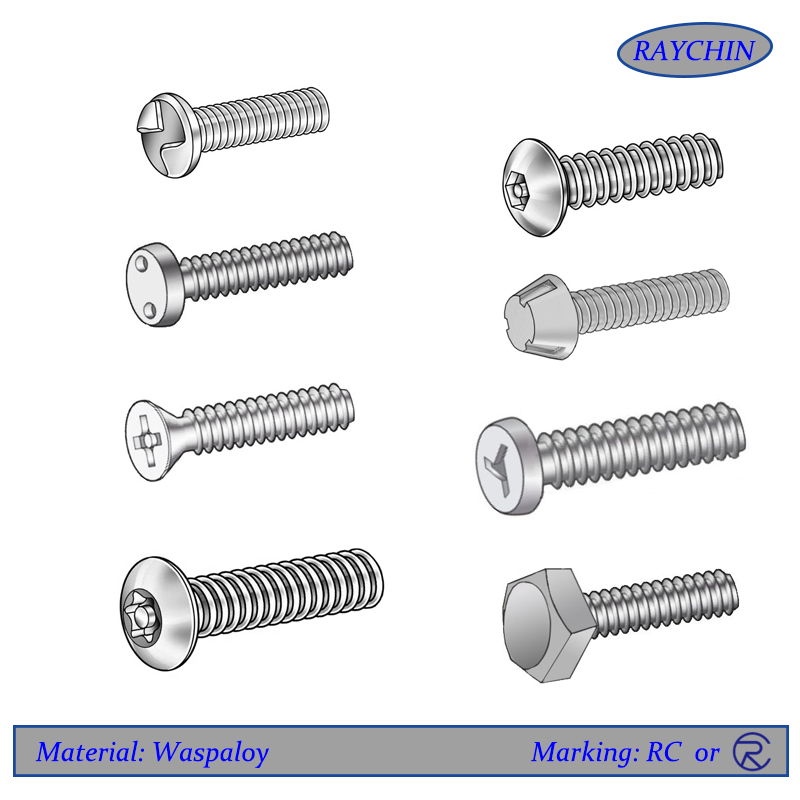
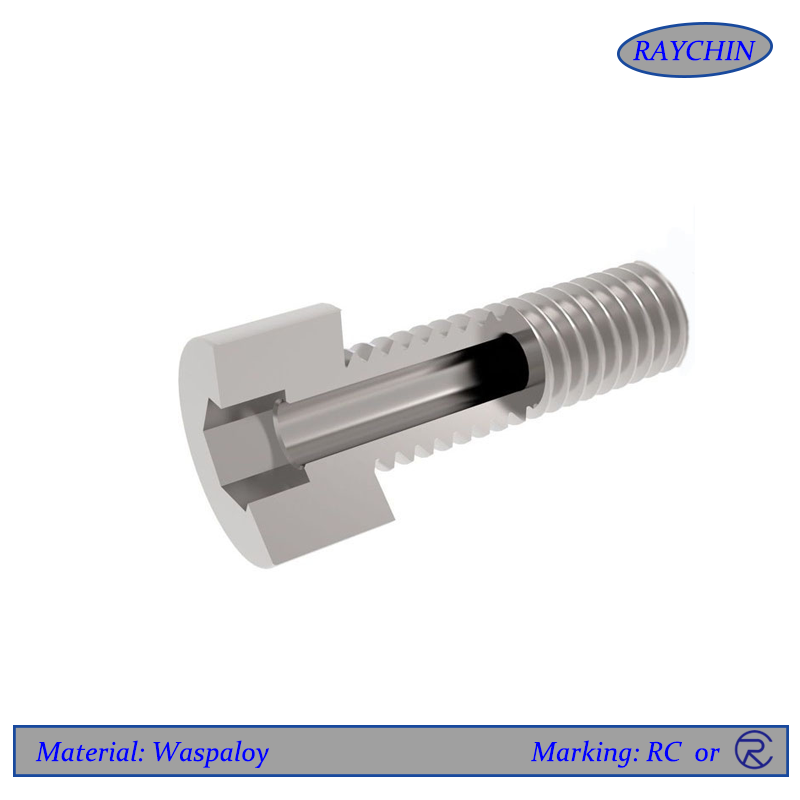
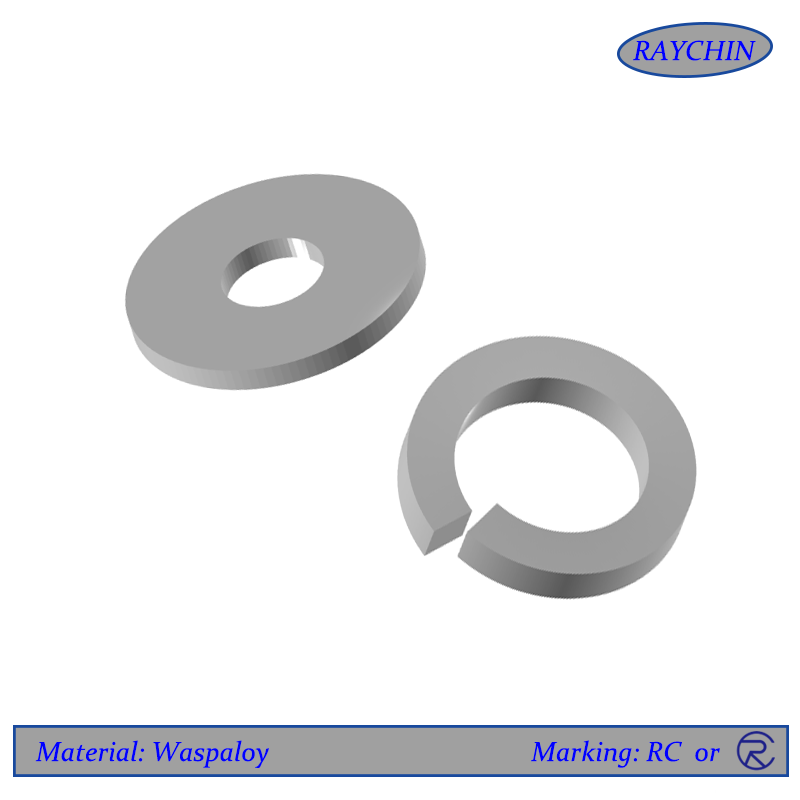
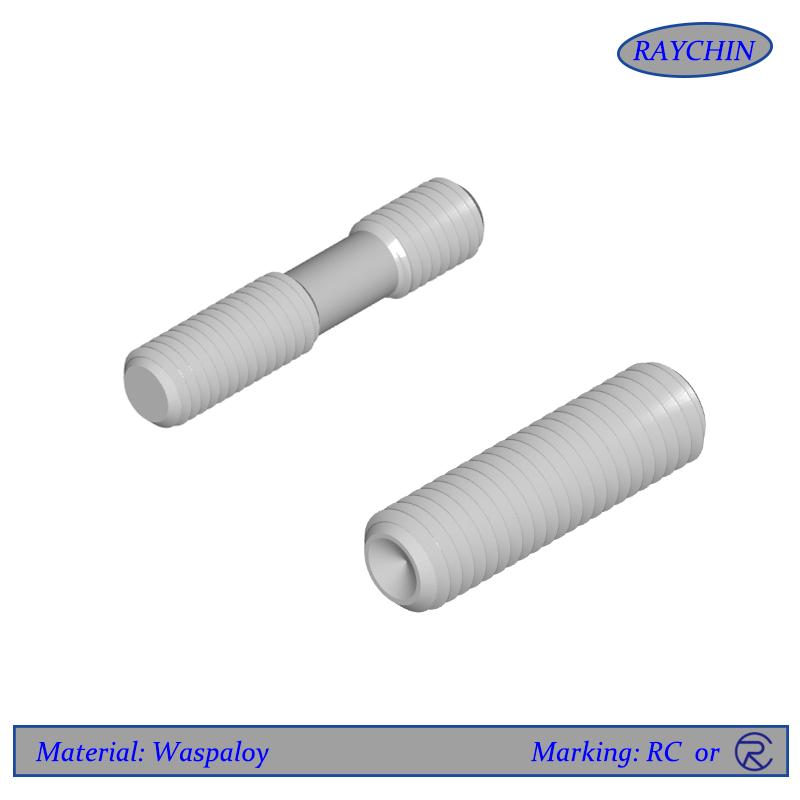
RAYCHIN SPECIALTY METALS FASTENERS: BOLTS, NUTS, SCREWS, WASHERS, STUDS, THREADED RODS, U-BOLT, J-BOLTS
STANDARD AND CUSTOMIZED, SMALL BATCH AND LARGE BATCH, IMPERIAL AND METRIC
An age hardened super alloy with exceptional high temperature strength
Extreme high temperature strength
Service temperatures up to 1600°F (870°C)
Very oxidation resistant
Request a Quote from RAYCHIN
We're here to help!
RAYCHIN LIMITED
Waspaloy Lock Nuts · Flexloc / Polymer Insert / Prevailing Torque · Inch & Metric · UNS N07001 / 2.4654Waspaloy Lock Nuts: High-Temperature Nickel Superalloy Prevailing Torque Locknuts for Extreme Environments
RAYCHIN LIMITED is a leading manufacturer of Waspaloy Lock Nuts – precision threaded fasteners produced from age-hardenable nickel-based superalloy, delivering exceptional high-temperature strength, oxidation resistance, and reliable performance in the most demanding aerospace, power generation, and defense applications. Waspaloy (UNS N07001) is a precipitation-hardening nickel alloy with high chromium and cobalt contents and additions of molybdenum, aluminum, and titanium, providing outstanding mechanical properties up to 870°C (1600°F). Lock nuts (also known as prevailing torque locknuts) are designed to resist loosening from vibration and torque, with a prevailing torque feature that deforms elastically, preventing free spinning. Our comprehensive product line includes Waspaloy all-metal flexloc lock nuts, Waspaloy polymer insert lock nuts, and Waspaloy prevailing torque nuts in both hexagonal and 12-point configurations – all manufactured to the highest precision standards. Our portfolio includes all standard and custom configurations manufactured to NAS, AN, MS, ANSI, ASTM, ASME, SAE, API, NACE, ISO, DIN and KS standards, including AMS 5704, AMS 5708, AMS 5709, AMS 5544, ASTM B637, and EN 3005 (1210 MPa/730°C classification). Whether you require Waspaloy lock nuts for gas turbine engines, missile systems, or high-temperature processing equipment, RAYCHIN delivers precision, quality, and full traceability. All mechanical properties are presented in MPa and ksi (kilopound per square inch).
Waspaloy Lock Nuts – Design & Configurations
All-Metal Flexloc Lock Nuts
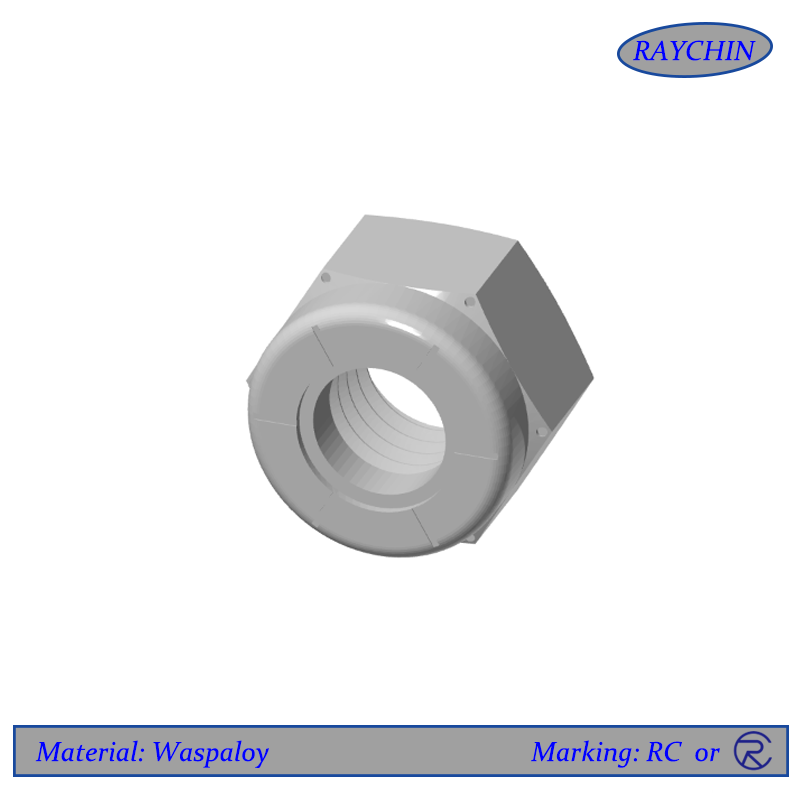
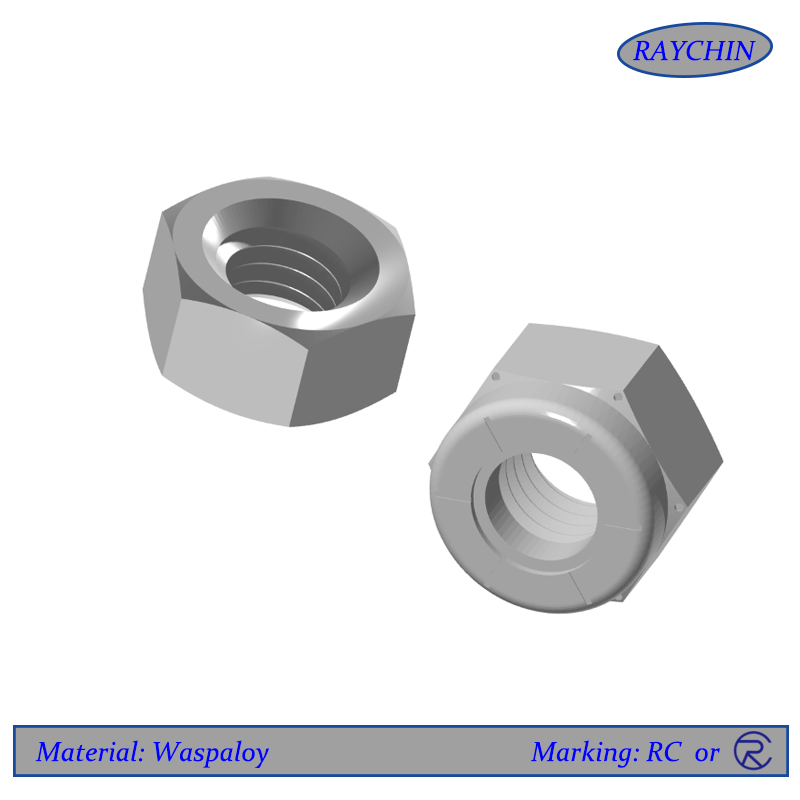
Waspaloy flexloc lock nuts are all-metal in composition with a segmented collar that creates six "locking fingers" that act as a spring. This design provides prevailing torque to prevent loosening under extreme thermal cycling and vibration. Can be used at high temperatures up to the limits of Waspaloy (870°C). Distributes load evenly due to one-piece construction. One of the only all-metal lock nuts certified to 15 cycles of prevailing torque – which is military standard. Best for high temperature or corrosive applications. Available in hexagonal and 12-point configurations.
Polymer Insert Lock Nuts
Waspaloy polymer insert lock nuts feature a polymer ring that deforms elastically when the nut is tightened, providing prevailing torque. Various high-performance polymers available including Nylon (standard), Vespel, and PVDF for higher temperature or corrosive applications. Overall the most reliable locknut style, with the only limitation being application temperature. Best for low temp applications (<350°F for standard nylon, high-performance polymers extend range). Excellent reusability – can reliably be re-used 15 times. Eliminates galling and cold-welding common with exotic alloys.
Prevailing Torque Design
Waspaloy prevailing torque lock nuts feature a prevailing torque feature which deforms elastically, preventing them from freely spinning like a standard nut. This creates frictional resistance against the bolt threads, ensuring the nut remains securely fastened under vibration and dynamic loads. Available in both all-metal and polymer insert styles. The two most common and reliable forms of prevailing torque locknuts are the flexloc style and the polymer insert lock nut. Other all-metal styles include stover and elliptical lock nuts, though flexloc offers superior reliability.
Hexagonal & 12-Point Configurations
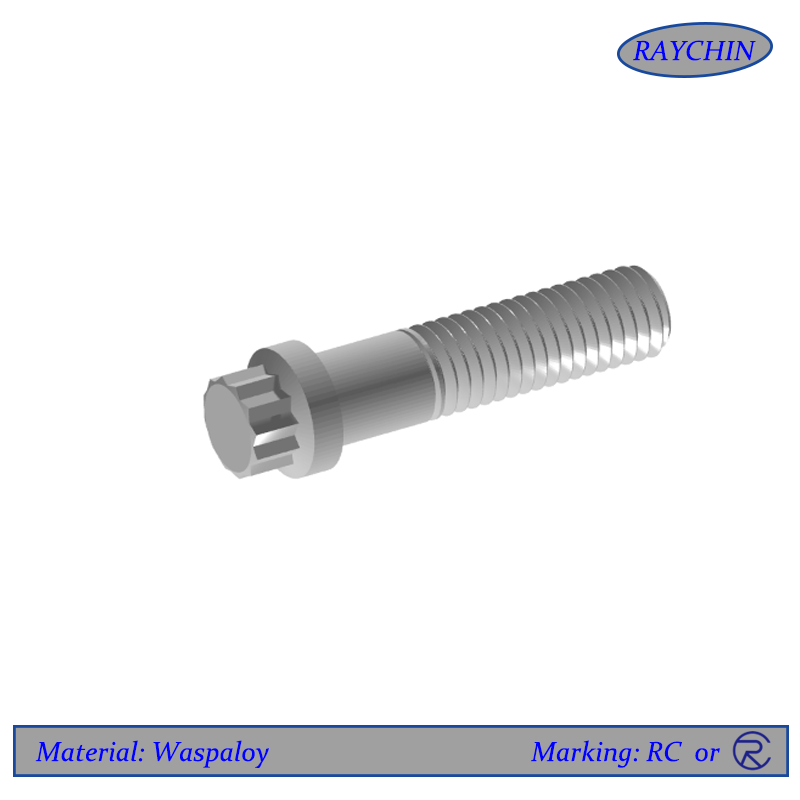
Waspaloy lock nuts are available in both hexagonal and 12-point configurations. Hexagonal lock nuts are standard for general high-temperature applications, providing easy installation with standard wrenches. 12-point lock nuts offer higher torque capability and are commonly used in aerospace and defense applications where compact design and increased wrench engagement are required. Both configurations available in all-metal flexloc and polymer insert styles.
Aerospace & Military Standards
Our Waspaloy lock nuts meet applicable sections of NAS1802 (hex nuts), NASM 21042 (lock nuts), MS21042, MS21044, MS21045, and EN 3005 for geometry and performance. EN 3005 specifies technical, qualification, and quality assurance requirements for self-locking nuts in material NI-P101-HT (Waspaloy) of tensile strength class 1210 MPa at room temperature, maximum test temperature of material 730°C. Full compliance with AMS 5704, AMS 5708, AMS 5709, AMS 5544, and ASTM B637 for material and mechanical properties. Silver plating per AMS 2410 available for anti-galling. NADCAP accredited heat treatment processes.
Custom & Non-Standard Lock Nuts
Need special thread sizes, non‑standard heights, proprietary locking features, or unique drive configurations? RAYCHIN engineers design and produce custom Waspaloy lock nuts to your exact specifications – any condition (solution treated, stabilized, precipitation hardened), with full material traceability. Prototype to production volumes supported. Cleanroom wash and packaging available for sensitive applications in aerospace and defense industries.
Critical Applications of Waspaloy Lock Nuts
Aerospace & Defense
Waspaloy lock nuts are extensively used in gas turbine engine components, including compressor and rotor discs, shafts, spacers, seals, rings, casings, and engine hardware. They maintain strength at temperatures up to 650°C (1200°F) for critical rotating applications and up to 870°C (1600°F) for simpler applications. Qualified to EN 3005 standard for aerospace self-locking nuts with tensile strength class 1210 MPa and maximum test temperature of 730°C. Used in afterburner components, rocket motor cases, and missile systems. All-metal flexloc design provides reliable prevailing torque under extreme vibration during launch and re-entry.
Power Generation
Waspaloy lock nuts in gas turbine fastening systems, steam turbine components, and power plant assemblies provide reliable fastening in high-temperature environments. Used in land-based gas turbines, turboexpander fasteners, and heat exchanger assemblies. Excellent creep resistance under sustained loading at elevated temperatures ensures long-term reliability in power generation equipment. Flexloc lock nuts maintain preload under thermal cycling.
Oil & Gas
Waspaloy lock nuts qualified for downhole tooling components, wellhead equipment, and high-pressure valve systems in refineries and petrochemical plants. Resists sulfidation and hot corrosion in sulfur-containing environments encountered in oil refining and petrochemical processing. Hot Gas Expander components operating up to 760°C (1400°F) are typically forged in Waspaloy. Prevailing torque design ensures reliability in high-vibration environments.
Industrial Processing
Waspaloy lock nuts in high-temperature furnace components, heat treating equipment, chemical processing systems, and thermal reactor assemblies. Withstands combustion environments due to excellent resistance to relaxation at elevated temperatures, combined with appreciable oxidation resistance. Used in hot gas expander equipment where temperatures reach up to 760°C (1400°F). All-metal lock nuts provide secure fastening in oxidizing and reducing atmospheres.
Marine & Naval
Waspaloy lock nuts in naval propulsion systems, marine gas turbines, and shipboard high-temperature exhaust systems. Excellent performance in salt spray environments found in gas turbine engine service. Resists oxidation and corrosion in marine atmospheres while maintaining high-temperature strength in propulsion applications. Polymer insert lock nuts with Vespel or PVDF available for corrosion resistance in marine environments.
Chemical Processing
Waspaloy lock nuts in chemical processing equipment operating at elevated temperatures with aggressive media. AlCrN and TiAlN PVD coatings can be applied to further enhance hot corrosion resistance by forming Al₂O₃ and TiO₂ protective layers. Suitable for applications requiring both high-temperature strength and resistance to sulfidation and oxidation.
International Standards & Global Designations – Waspaloy Lock Nuts
RAYCHIN LIMITED manufactures Waspaloy lock nuts from vacuum induction melted (VIM) and vacuum arc remelted (VAR) or electroslag remelted (ESR) material conforming to the most widely used national and international specifications. All material is traceable to the mill.
Chemical Composition (Weight %) – Waspaloy (UNS N07001)
Our Waspaloy lock nuts are produced from vacuum induction melted (VIM) and vacuum arc remelted (VAR) material conforming to the following limits per AMS 5708, AMS 5544, and ASTM B637 standards.
Waspaloy (UNS N07001) – Nickel-Based Superalloy
Metallurgical note: Waspaloy is a precipitation-hardening nickel-based superalloy strengthened through the formation of gamma prime (γ') phase Ni₃(Al, Ti) in a disordered FCC matrix (γ). The alloy is produced by vacuum induction melting (VIM) and vacuum arc remelting (VAR) or electroslag remelting (ESR) to ensure high purity and consistent properties. High-temperature strength is obtained from solid solution strengthening elements (molybdenum, cobalt, chromium) and aging elements (aluminum, titanium). The alloy maintains excellent strength and stability at temperatures exceeding those of Alloy 718, making it the preferred choice for critical rotating applications up to 650°C (1200°F). Boron content (0.003-0.010%) plays a critical role in creep resistance and ductility at elevated temperatures, with high-B low-P modifications showing optimal creep strength.
Complete Mechanical & Physical Properties – Waspaloy (MPa / ksi)
Waspaloy lock nuts are supplied in fully heat-treated condition per AMS specifications. Data represent typical values based on industry standards. EN 3005 specifies tensile strength class 1210 MPa at room temperature for self-locking nuts in Waspaloy, with maximum test temperature of 730°C.
Mechanical Properties – Waspaloy (Fully Heat-Treated Condition)
High-Temperature Mechanical Properties – Waspaloy
Physical Properties – Waspaloy
High‑Temperature Performance of Waspaloy Lock Nuts
Waspaloy is renowned for exceptional high-temperature strength and stability, maintaining useful mechanical properties up to 870°C (1600°F) in oxidizing atmospheres. The alloy can be used at temperatures up to 650°C (1200°F) for critical rotating applications and up to 870°C (1600°F) for simpler applications. Waspaloy exhibits superior strength compared to Alloy 718 at temperatures exceeding 650-705°C (1200-1300°F). EN 3005 specifies a maximum test temperature of 730°C for self-locking nuts in Waspaloy, with tensile strength class 1210 MPa at room temperature. The alloy maintains approximately 60% of its room temperature tensile strength at 815°C (1500°F), with yield strength of 517 MPa (75 ksi). Excellent creep resistance under sustained loading at elevated temperatures ensures long-term reliability in gas turbine and aerospace applications. Creep strength is optimized in high-B low-P modifications of the alloy.
Elevated Temperature Capabilities
High-Temperature Comparison – Waspaloy vs. Alloy 718
Note: Waspaloy excels in applications requiring maximum strength at elevated temperatures, particularly in gas turbine hot sections where alloy 718 would be inadequate. The flexloc all-metal lock nut design is certified to 15 cycles of prevailing torque – military standard.
Exceptional Corrosion Resistance of Waspaloy Lock Nuts
Waspaloy offers outstanding corrosion resistance in high-temperature oxidizing and sulfidizing environments, making it suitable for the most demanding applications in gas turbines, aerospace, and chemical processing. Hot corrosion can be divided into two types: type 1 (815 to 955°C) where salt is in a liquid state, and type 2 (595 to 815°C) where reaction rate can be very high. Waspaloy is designed to operate at high temperatures up to 700°C in aggressive environments, and up to 760°C for hot gas expander components. For enhanced protection, AlCrN and TiAlN PVD coatings can be applied, forming Al₂O₃ and TiO₂ protective layers.
- Oxidation Resistance: Outstanding resistance to scaling and oxidation up to 870°C (1600°F). Performs well in combustion environments and under frequent thermal cycling conditions. Forms protective oxides (Cr₂O₃, Al₂O₃, TiO₂) that provide excellent high-temperature corrosion resistance.
- Sulfidation Resistance: Superior performance in sulfur-containing environments found in gas turbine engine service. Resists attack by sulfur compounds at elevated temperatures. Hot Gas Expander components (blades, discs, rings, vanes) are typically forged in Waspaloy for service up to 760°C in Fluid Catalytic Cracking (FCC) units.
- Hot Corrosion: Good resistance to hot corrosion in the presence of combustion products. AlCrN PVD coatings have shown the highest hot corrosion resistance (1.35 × 10⁻⁵ mg²·cm⁻⁴·s⁻¹) by forming protective Al₂O₃ films. TiAlN coatings also provide enhanced protection through TiO₂ formation.
- Salt Spray Environments: Performs well in salt spray environments found in gas turbine engine service. Resistance to NaCl/Na₂SO₄ mixtures at elevated temperatures is excellent.
- Atmospheres: Good performance in atmospheres encountered in gas turbine engine service and combustion environments.
- PVD Coated Options: AlCrN and TiAlN PVD coatings can be applied to further enhance hot corrosion resistance. AlCrN coating achieves 33 GPa hardness, nearly three times that of CrN and more than seven times Waspaloy values.
- Bimetallic Corrosion: Can be safely connected to other nickel-based superalloys, stainless steels, and titanium alloys with appropriate precautions.
Manufacturing Standards – Waspaloy Lock Nuts
All Waspaloy lock nuts are manufactured and tested to meet the following standards:
We offer surface finishes: plain (as-machined), chemical cleaned, passivated. Silver plating per AMS 2410 available for anti‑seize. PVD coatings (AlCrN, TiAlN) available for enhanced hot corrosion resistance. Controlled solution and precipitation heat treatment processes per AMS 5704/5705 schedules ensure optimal mechanical properties. Standard heat treatment includes solution treatment at 1825-1925°F (995-1080°C) followed by stabilization at 1550°F (845°C)/4 hrs/AC, and age hardening at 1400°F (760°C)/16 hrs/AC. NADCAP accredited heat treatment processes. Specialized thread forming and tapping for accurate thread pitch diameter. Full traceability and destructive/non‑destructive testing available (UT, FPI, MPI). AS9100 and ISO 9001:2015 certified quality management. ISO 13485 certified for medical applications with cleanroom packaging available. Flexloc lock nuts certified to 15 cycles of prevailing torque per military standards. Build-to-print specials to customer specifications are available.
Why RAYCHIN LIMITED – The Waspaloy Lock Nut Authority
Contact the Waspaloy lock nut experts
Request a quotation for Waspaloy lock nuts, flexloc lock nuts, polymer insert lock nuts – any standard (ASME B18.2.2, ISO 4032, EN 3005, NAS) – any condition (solution treated, stabilized, precipitation hardened), any quantity. Global delivery. Mechanical data in MPa/ksi available for all products.
sales@ray-chin.com | +86 534 2166 566Our team provides technical support in English, German, Mandarin, Japanese. Request a quote, sample requests, and material evaluation available.
Request A Quote! We'll respond as soon as possible(within 12 hours)
 Waspaloy Fasteners
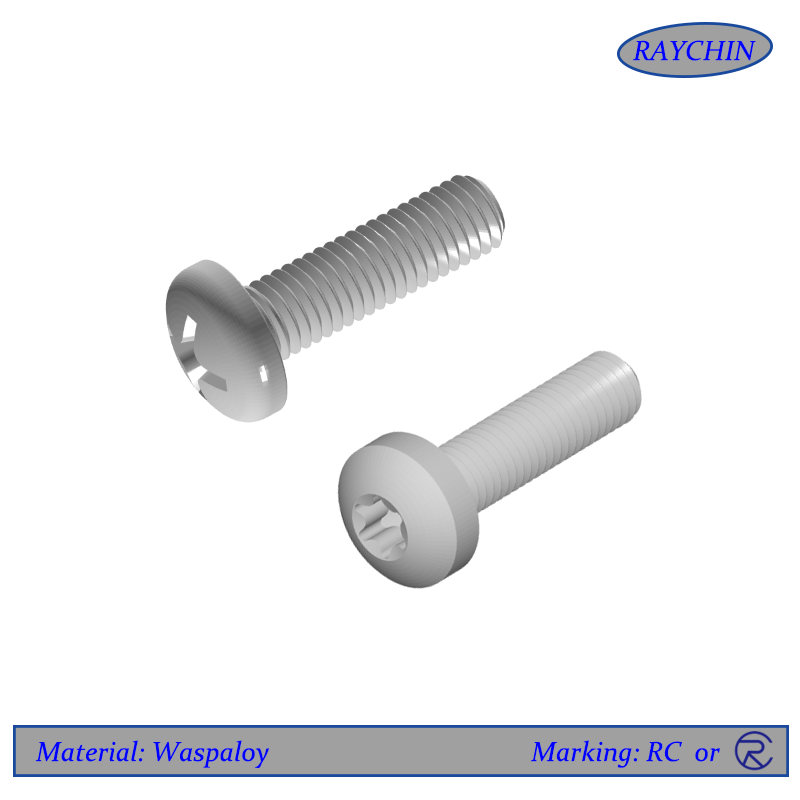
 Waspaloy Pan Head Screws
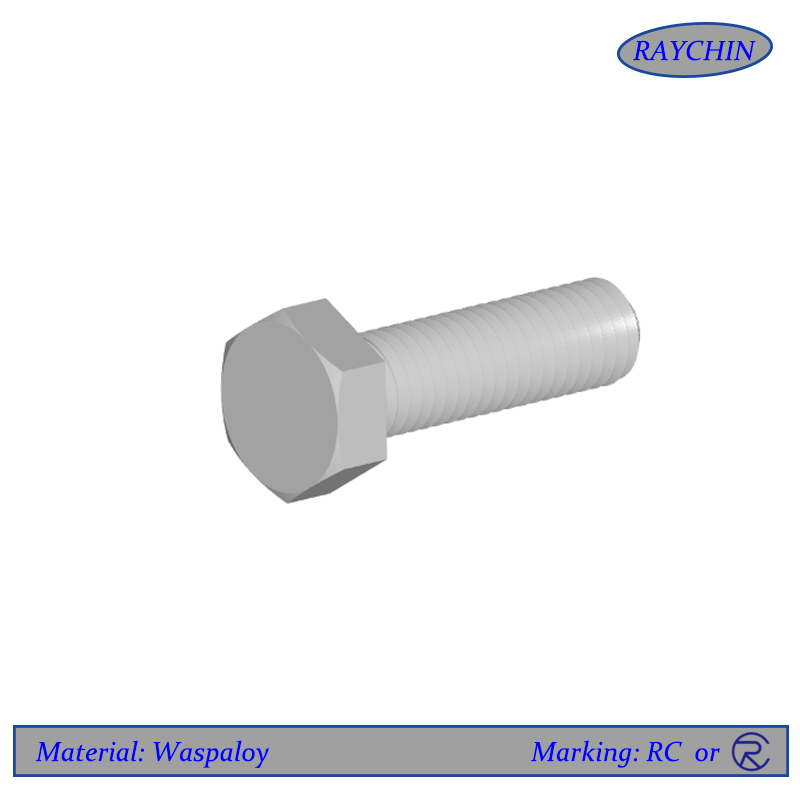
 Waspaloy Hex Bolts
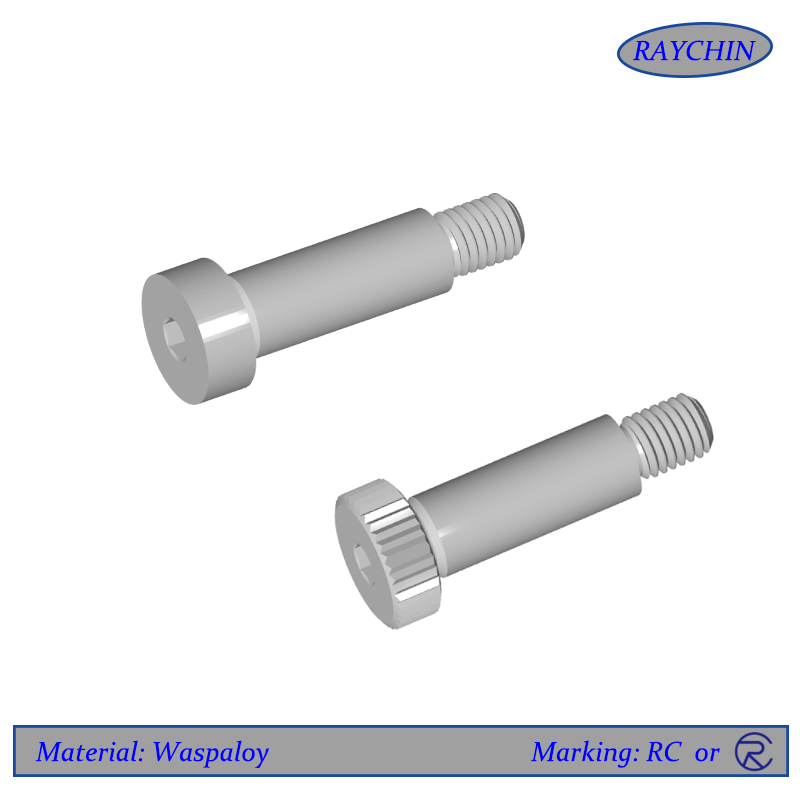
 Waspaloy Shoulder Bolts
 Waspaloy Lock Nuts
 Waspaloy 12 Point Screws
 Waspaloy Button Head Cap Screws
 Waspaloy Hex Cap Screws
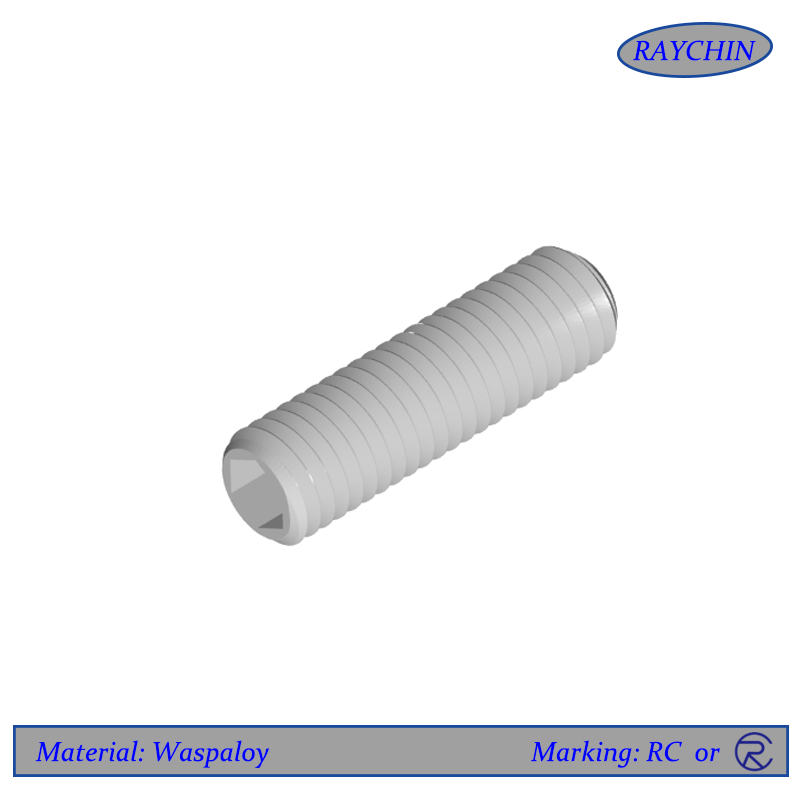
 Waspaloy Set Screws
 Waspaloy Socket Head Cap Screws
 Waspaloy Torx Screws
 Waspaloy Flat Head Screws
 Waspaloy Threaded Rods
 Waspaloy Studs
 Waspaloy Washers
 Waspaloy Screws
 Waspaloy Nuts
 Waspaloy Bolts
Get a Quote