
Categories List
Recent Posts
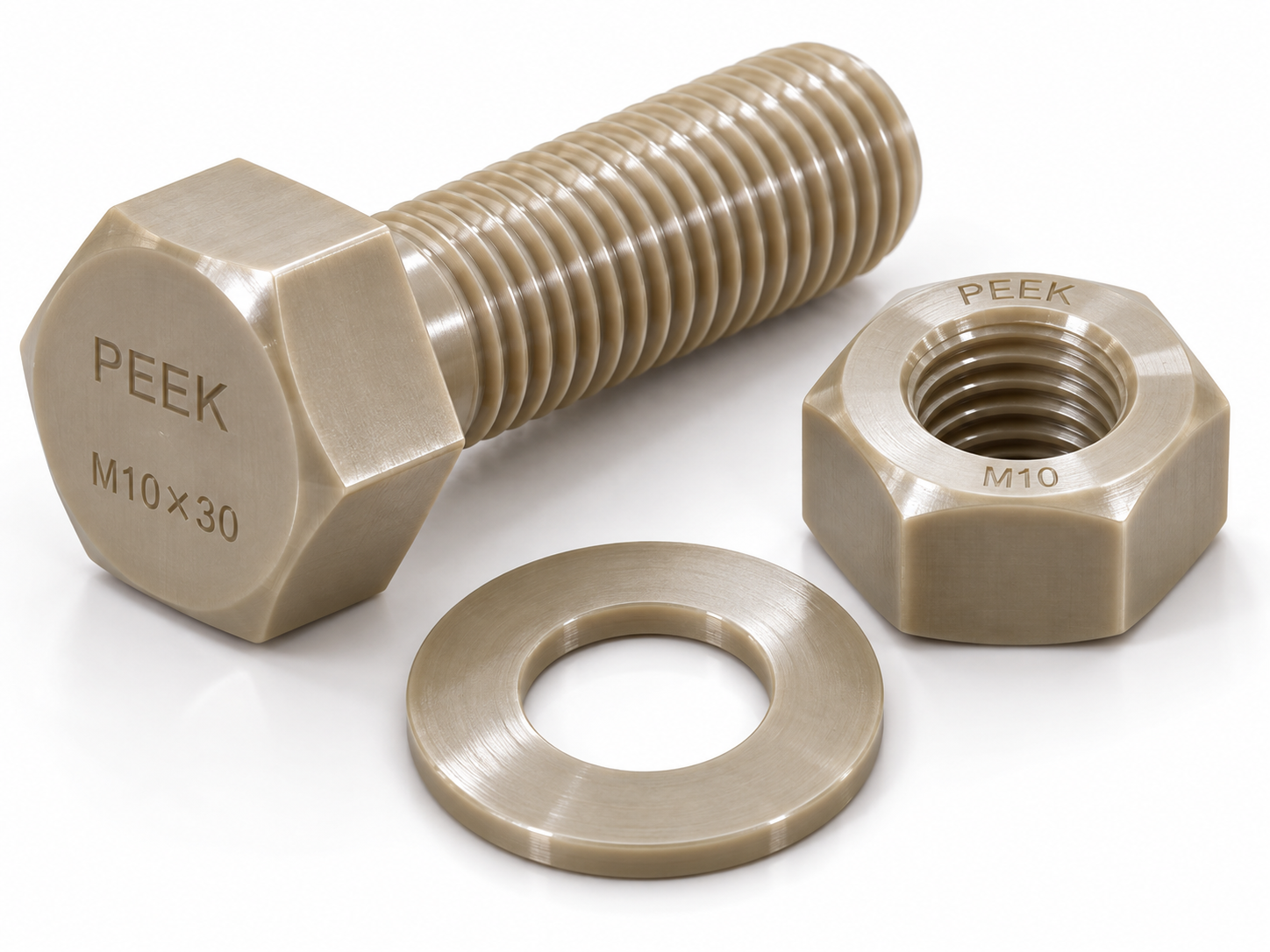
 PEEK Fasteners | Polyetheretherketone Bolts, Nuts, Screws – High-Performance Polymer | RAYCHIN LIMITED
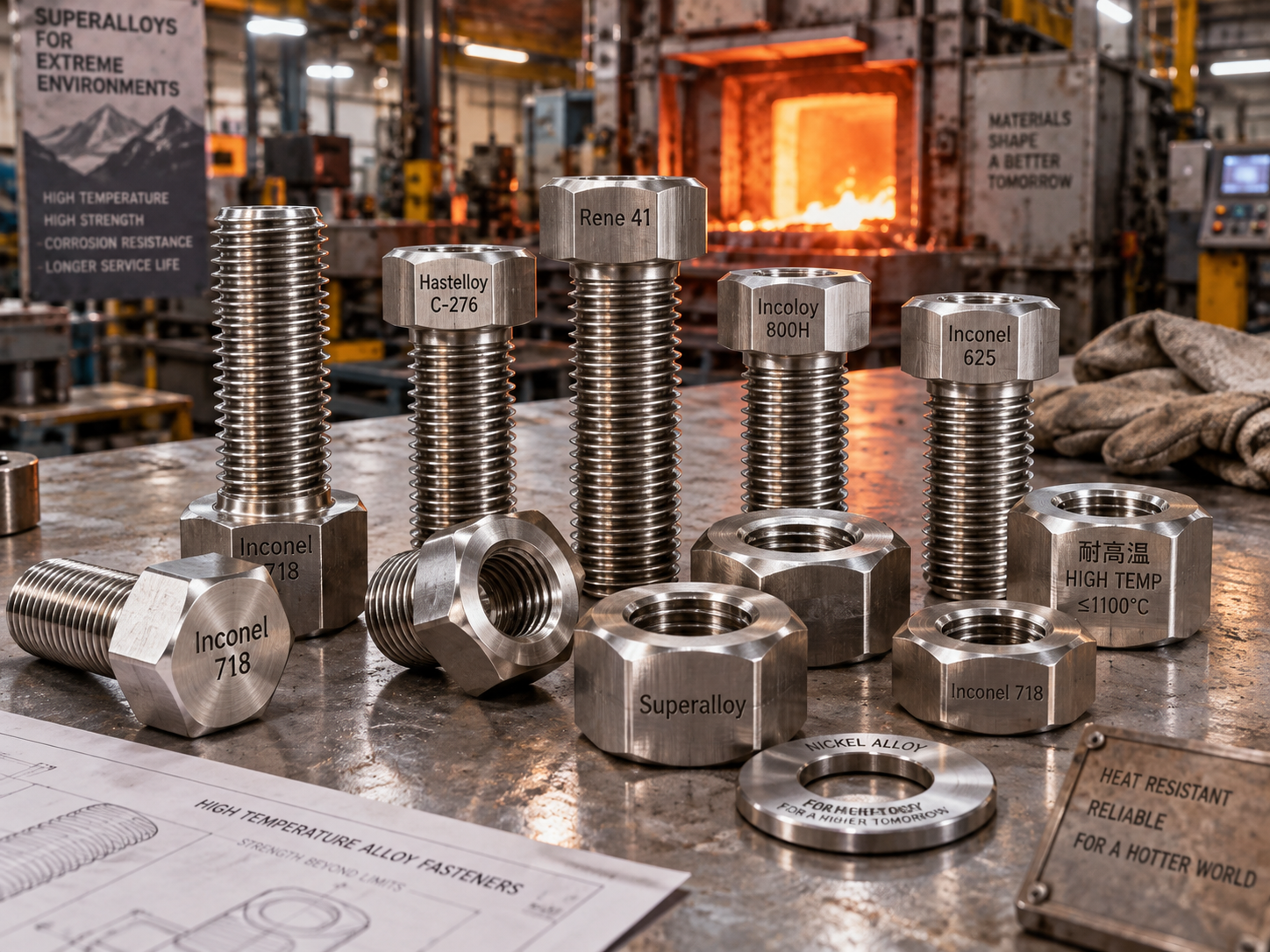
 High-Temperature Alloy Fasteners: Complete Material Guide, Chemistry, Performance Comparison | RAYCHIN LIMITED
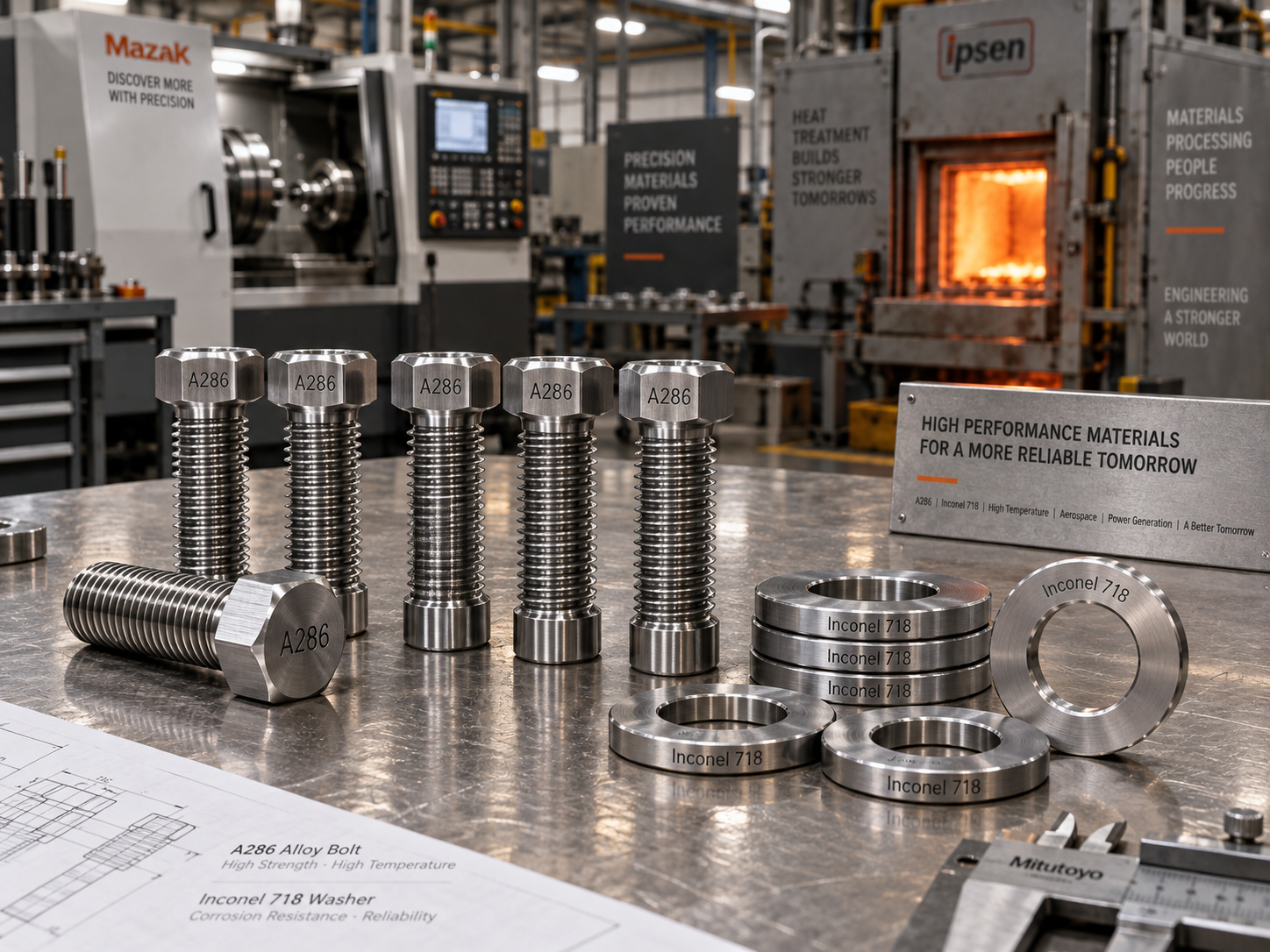
 High-Temperature Fastener Material Selection Guide | A286, Inconel 718, Nimonic 80A, Waspaloy – RAYCHIN LIMITED
Monel Fasteners: Understanding Monel 400 and Monel K500, Chemistry, Properties, and Applications
When engineers search for Monel fasteners, they are seeking a material that thrives where others corrode. Monel alloys—pioneered over a century ago—remain the gold standard for seawater, hydrofluoric acid, and caustic environments. At RAYCHIN LIMITED, a global specialist manufacturer of high‑performance alloy fasteners with decades of in‑house experience, we produce the full range of Monel bolts from both UNS N04400 (Monel 400) and UNS N05500 (Monel K500). This guide explains what Monel is, its chemical composition, key properties, and the differences between the two principal grades, empowering you to specify with absolute confidence.
1. What Is Monel Alloy?
What is Monel alloy? Monel is a group of nickel‑copper alloys (typically 60–70% nickel, 20–30% copper) that combine the corrosion resistance of nickel with the strength and machinability of copper. Originally developed by the International Nickel Company in the early 1900s, Monel alloys are characterized by their exceptional resistance to seawater, hydrofluoric acid, sulfuric acid under reducing conditions, and alkaline solutions. They are also valued for their non‑magnetic properties and high strength in the age‑hardened condition.
Today, the two principal Monel grades specified for fasteners are Monel 400 (UNS N04400) and its precipitation‑hardenable variant Monel K500 (UNS N05500). RAYCHIN LIMITED manufactures and stocks both, offering the full spectrum of bolting solutions for marine, chemical, and oil & gas industries worldwide.
2. Monel 400 Fasteners: Composition and Properties
Monel 400 is a solid‑solution strengthened nickel‑copper alloy. It cannot be hardened by heat treatment; its strength comes from the inherent solid‑solution effect of copper in nickel. The alloy exhibits excellent resistance to seawater, hydrofluoric acid, and chloride stress corrosion cracking. It is also highly resistant to alkaline media and moderately resistant to sulfuric and phosphoric acids under reducing conditions.
Monel 400 Chemical Composition (UNS N04400)
In the annealed condition, Monel 400 fasteners typically exhibit a minimum yield strength of 240 MPa (35 ksi) and a tensile strength of 480 MPa (70 ksi). This moderate strength combined with near‑immunity to seawater makes Monel 400 ideal for pump shafts, valve stems, and non‑structural marine bolting.
3. Monel K500 Fasteners: High‑Strength Precipitation Hardening
Monel K500 is a precipitation‑hardenable derivative of Monel 400. By adding aluminum and titanium, the alloy can be age‑hardened to form a fine dispersion of gamma‑prime (Ni₃Al,Ti) precipitates, dramatically increasing its yield and tensile strength—without sacrificing the corrosion resistance of Monel 400. This makes K500 the preferred choice for high‑load marine components, propeller shaft studs, and subsea bolting.
Monel K500 Chemical Composition (UNS N05500)
In the age‑hardened condition, UNS N05500 fasteners can achieve yield strengths of 690 MPa (100 ksi) minimum and tensile strengths up to 965 MPa (140 ksi). Hardness typically ranges from 27 to 35 HRC, depending on cold work and aging. This combination of high strength and seawater immunity makes Monel K500 irreplaceable in naval, offshore, and subsea applications.
4. Difference Between Monel 400 and K500
The difference between Monel 400 and K500 is primarily in strength and hardening mechanism. The table below summarizes the key distinctions:
In essence, if you need maximum corrosion resistance with moderate strength, choose Monel 400. If high mechanical loads are present—especially in marine or sour service environments—specify Monel K500.
5. RAYCHIN's Monel Fastener Product Range
As a true manufacturer, RAYCHIN LIMITED produces the complete line of Monel nickel copper alloy bolts under strict quality control:
- Hex bolts – ASME B18.2.1, DIN 931/933, ISO 4014, sizes 1/4″–2″ and M6–M48.
- Double‑end studs and fully threaded rods – ASME B16.5, DIN 976, lengths up to 3 meters.
- Socket head cap screws – ASME B18.3, for compact assemblies.
- Heavy hex nuts – ASME B18.2.2, DIN 934, proof‑load matched to bolt strength.
- Washers – Flat, spring lock, custom.
- Custom parts – per your drawings; stepped studs, flanged bolts, special head forms.
All Monel fasteners are supplied with full material traceability, OES‑PMI reports, and mechanical testing to ASTM B164 (Monel 400) or ASTM F468 (K500). EN 10204 Type 3.1 is standard; Type 3.2 is available on request.
6. Why RAYCHIN for Your Monel Fastener Needs?
- Integrated manufacturing: In‑house machining, thread rolling, and heat treatment (including K500 aging).
- Quality assurance: 100% PMI, lot‑specific tensile and hardness testing, anti‑galling coating options (MoS₂, silver).
- Global stock: Monel 400 and K500 bar in diameters from 1/4″ to 2‑1/2″ for rapid delivery.
- Application engineering: Our team assists with alloy selection, torque tables, and joint design.
Send your requirements, drawings, or inquiries to our technical team. We'll provide a detailed compliance assessment and competitive quotation within 24 hours.
✉️ sales@ray-chin.com? www.ray-chin.com | Monel 400 · Monel K500 · UNS N04400 · UNS N05500
Request A Quote! We'll respond as soon as possible(within 12 hours)
Get a Quote