
Categories List
Recent Posts
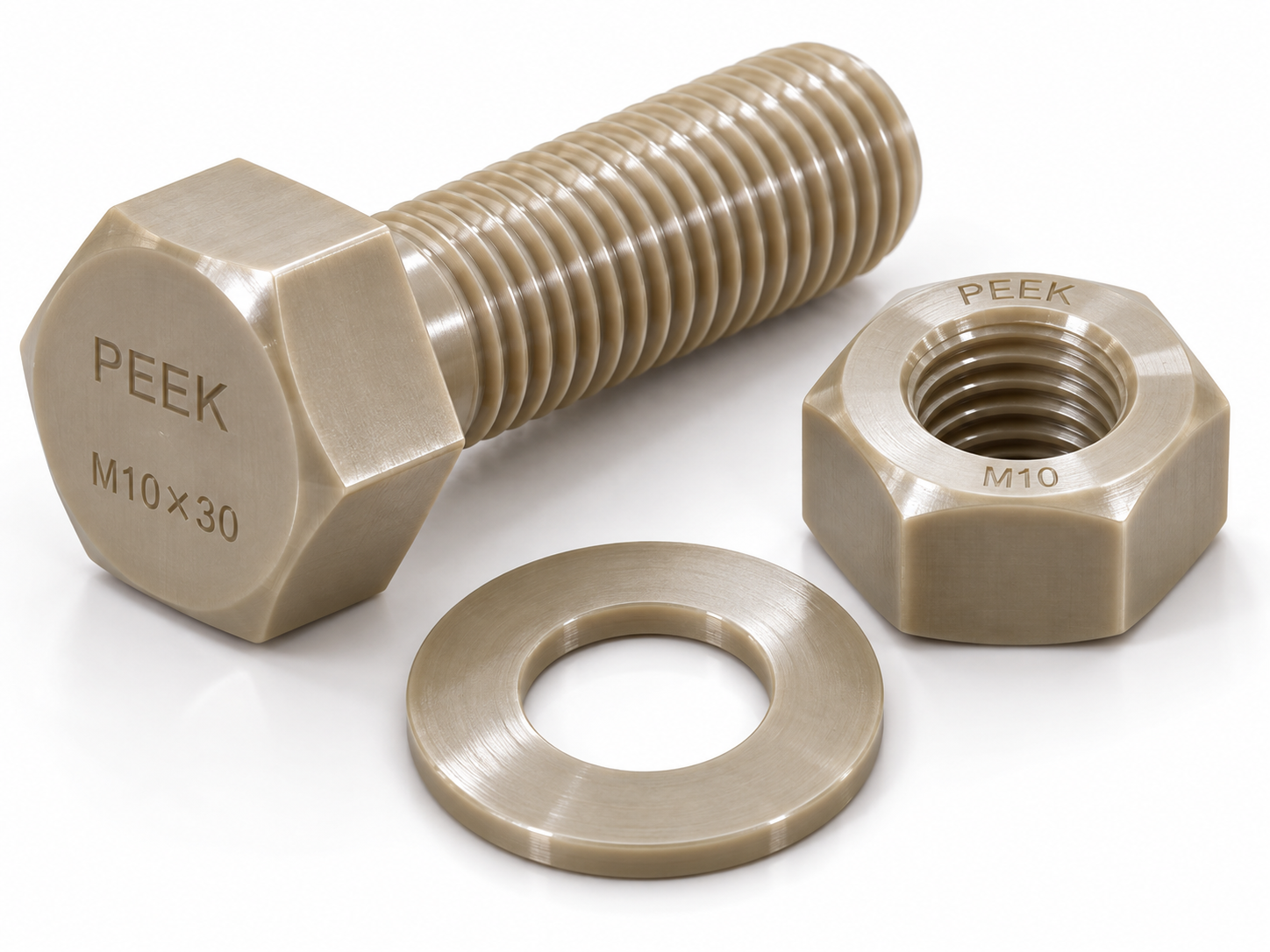
 PEEK Fasteners | Polyetheretherketone Bolts, Nuts, Screws – High-Performance Polymer | RAYCHIN LIMITED
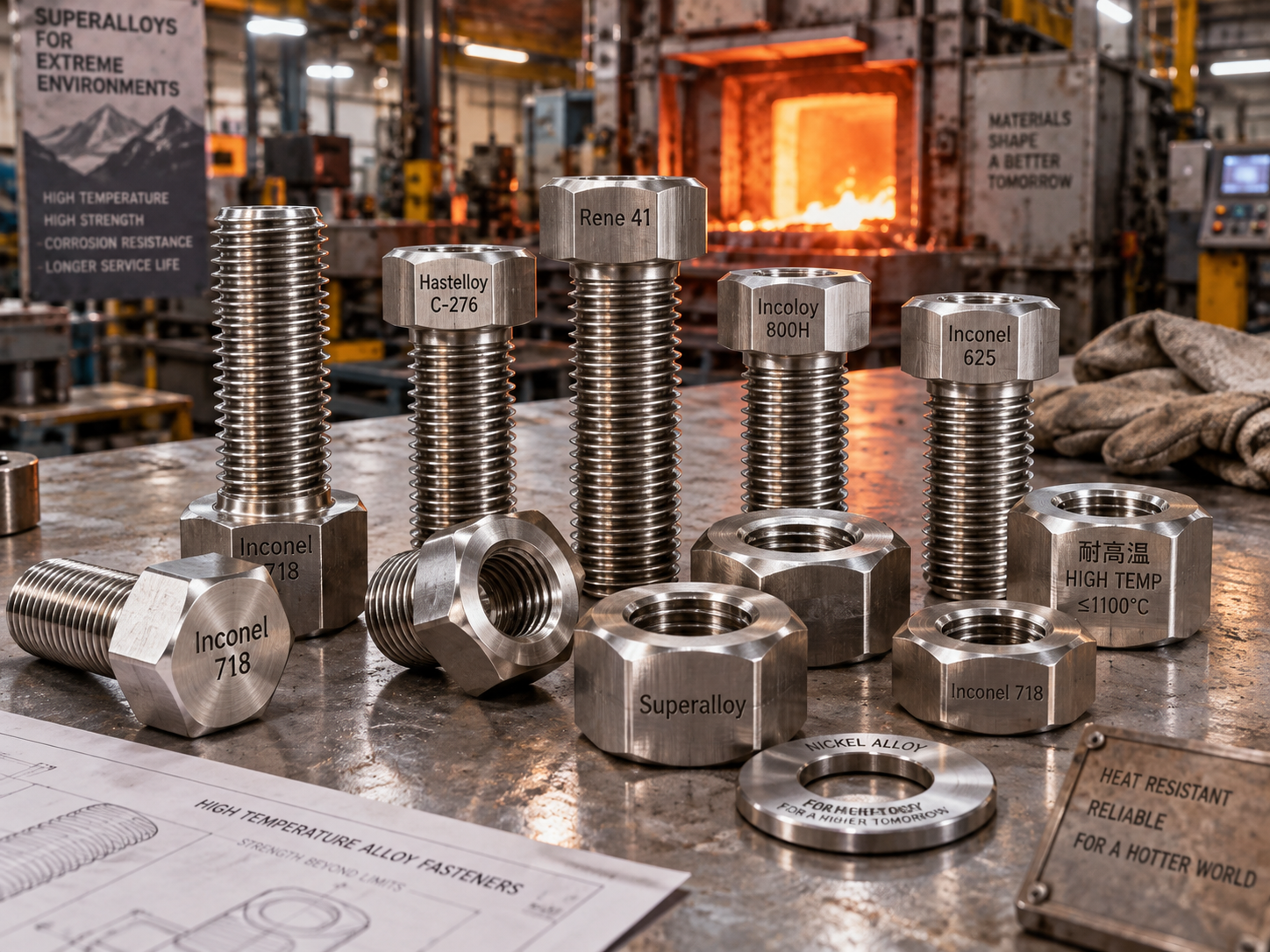
 High-Temperature Alloy Fasteners: Complete Material Guide, Chemistry, Performance Comparison | RAYCHIN LIMITED
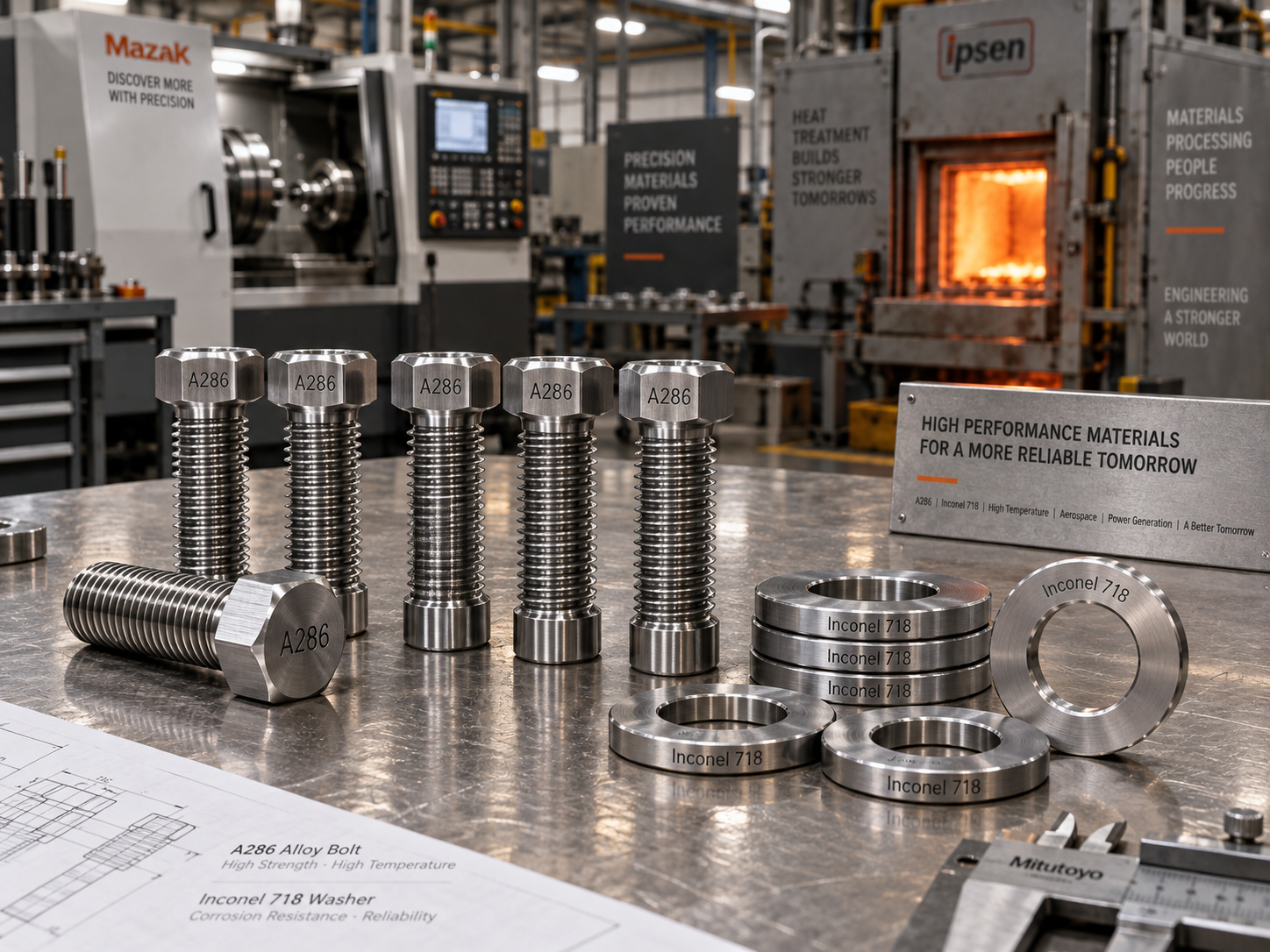
 High-Temperature Fastener Material Selection Guide | A286, Inconel 718, Nimonic 80A, Waspaloy – RAYCHIN LIMITED
Monel vs Stainless Steel, Hastelloy, Inconel, Titanium & Duplex: The Ultimate Marine & Corrosive Environment Fastener Showdown
When specifying fasteners for seawater, chemical, and high‑strength environments, the choice between Monel, stainless steel, Hastelloy, Inconel, titanium, and duplex alloys can be overwhelming. Each material has a unique corrosion and strength profile, and the wrong selection can lead to rapid failure or unnecessary cost. RAYCHIN LIMITED, a specialist global manufacturer of all these alloys with over two decades of experience, brings clarity to this decision with an exhaustive, data‑driven comparison.
1. Monel 400 vs 316 Stainless Steel Bolts
Monel 400 (UNS N04400) is a nickel‑copper alloy with exceptional resistance to seawater, hydrofluoric acid, and high‑velocity salt water. 316 stainless steel offers good corrosion resistance and higher strength at a lower cost, but it is vulnerable to chloride stress corrosion cracking (SCC) above 60°C and pitting in stagnant seawater. Monel 400 provides near‑immunity to SCC and resists pitting and crevice corrosion far better than 316 in marine environments. For seawater piping, valve trim, and pump shafts, Monel 400 is the superior choice; for mild industrial atmospheres where chlorides are absent, 316 is more economical.
2. Monel K500 vs 17‑4PH
Monel K500 is the precipitation‑hardened version of Monel 400, delivering yield strengths up to 690 MPa (100 ksi) while retaining all the seawater corrosion resistance of its base alloy. 17‑4PH can be aged to much higher strengths (up to 1170 MPa / 170 ksi in H900), but its corrosion resistance is significantly lower, and it is limited to about 315°C. For subsea fasteners, naval applications, and components in hydrogen fluoride service, Monel K500 is often irreplaceable; 17‑4PH is chosen for high‑strength industrial bolting where marine exposure is minimal.
3. Monel vs Hastelloy Fasteners
Hastelloy C276 offers broader chemical resistance—particularly in reducing acids like hot sulfuric and hydrochloric—than any Monel alloy. However, Hastelloy is significantly more expensive and has lower strength than age‑hardened Monel K500. For pure seawater and hydrofluoric acid environments, Monel is more cost‑effective. For chemical plants handling mixed acids and oxidizing chlorides, Hastelloy is the definitive choice.
4. Monel vs Inconel Bolts: Monel K500 vs Inconel 718
Inconel 718 provides nearly double the yield strength of Monel K500 and operates to 704°C, while Monel K500 is limited to about 300°C. However, Inconel 718 is substantially more expensive and not naturally immune to seawater pitting without careful surface treatment. For high‑temperature turbine bolting, Inconel 718 is required; for high‑strength, non‑magnetic marine fasteners, Monel K500 is the classic choice.
5. Monel vs Titanium Fasteners
Titanium Grade 5 offers an unbeatable strength‑to‑weight ratio and absolute immunity to seawater corrosion. However, it is expensive, difficult to machine, and susceptible to attack by hydrofluoric acid and hot reducing acids. Monel alloys are more tolerant of acidic brines and are more cost‑effective in many marine applications where weight is not critical. Titanium is chosen for aerospace and high‑performance marine hardware; Monel is preferred for industrial and naval bolting where cost and acid resistance matter.
6. Monel 400 vs Monel K500 Fasteners: The Monel Family
Monel 400 is solid‑solution strengthened with a yield strength of about 240 MPa (35 ksi) and is typically used for general corrosion‑resistant bolting. Monel K500 adds aluminum and titanium to enable precipitation hardening, raising yield strength to over 690 MPa (100 ksi) without sacrificing corrosion resistance. For structural loads, propeller shafts, and pump components, K500 is the upgrade; for non‑loaded seals, gaskets, and chemical resistance, Monel 400 is sufficient and cheaper.
7. When to Use Monel Instead of Stainless Steel
Use Monel instead of stainless steel whenever:
- Seawater immersion or salt spray is continuous—Monel resists pitting and crevice corrosion far better than 316.
- Hydrofluoric acid is present—Monel is one of the few alloys that can handle it.
- Stress corrosion cracking from chlorides is a risk (Monel is immune).
- Non‑magnetic properties are required (Monel K500 is very low magnetic permeability).
8. Best Material for Seawater Fasteners
The best material for seawater fasteners depends on temperature, strength, and budget:
9. Monel vs Duplex and Super Duplex Fasteners
Duplex 2205 and Super Duplex 2507 provide higher strength (up to 550 MPa yield) than Monel 400 and cost less than Monel K500. However, they are magnetic, have a lower maximum service temperature (300°C for duplex), and can be susceptible to hydrogen embrittlement under cathodic protection. Monel K500 remains non‑magnetic, immune to hydrogen embrittlement, and is preferred for submarine and sensitive instrument applications. For structural seawater bolting on offshore platforms where weight and cost are considered, super duplex is often chosen; for naval and instrumentation applications, Monel K500 is the standard.
10. RAYCHIN's Alloy Range and Application Support
RAYCHIN LIMITED is uniquely positioned to supply certified fasteners in all the alloys discussed here. Our factory‑direct manufacturing includes vacuum heat treatment, precision thread rolling, and complete mechanical testing, backed by EN 10204 3.1/3.2 certification. Whether you need a prototype Monel K500 stud for a submarine program or a bulk order of super duplex bolts for an offshore platform, we deliver quality and traceability.
Send your seawater, chemical, or temperature conditions to our technical team. We'll return an unbiased alloy selection matrix and competitive quotation within 24 hours.
✉️ sales@ray-chin.com? www.ray-chin.com | Monel · 316 · Duplex · Inconel · Hastelloy · Titanium
Request A Quote! We'll respond as soon as possible(within 12 hours)
Get a Quote