
Categories List
Recent Posts
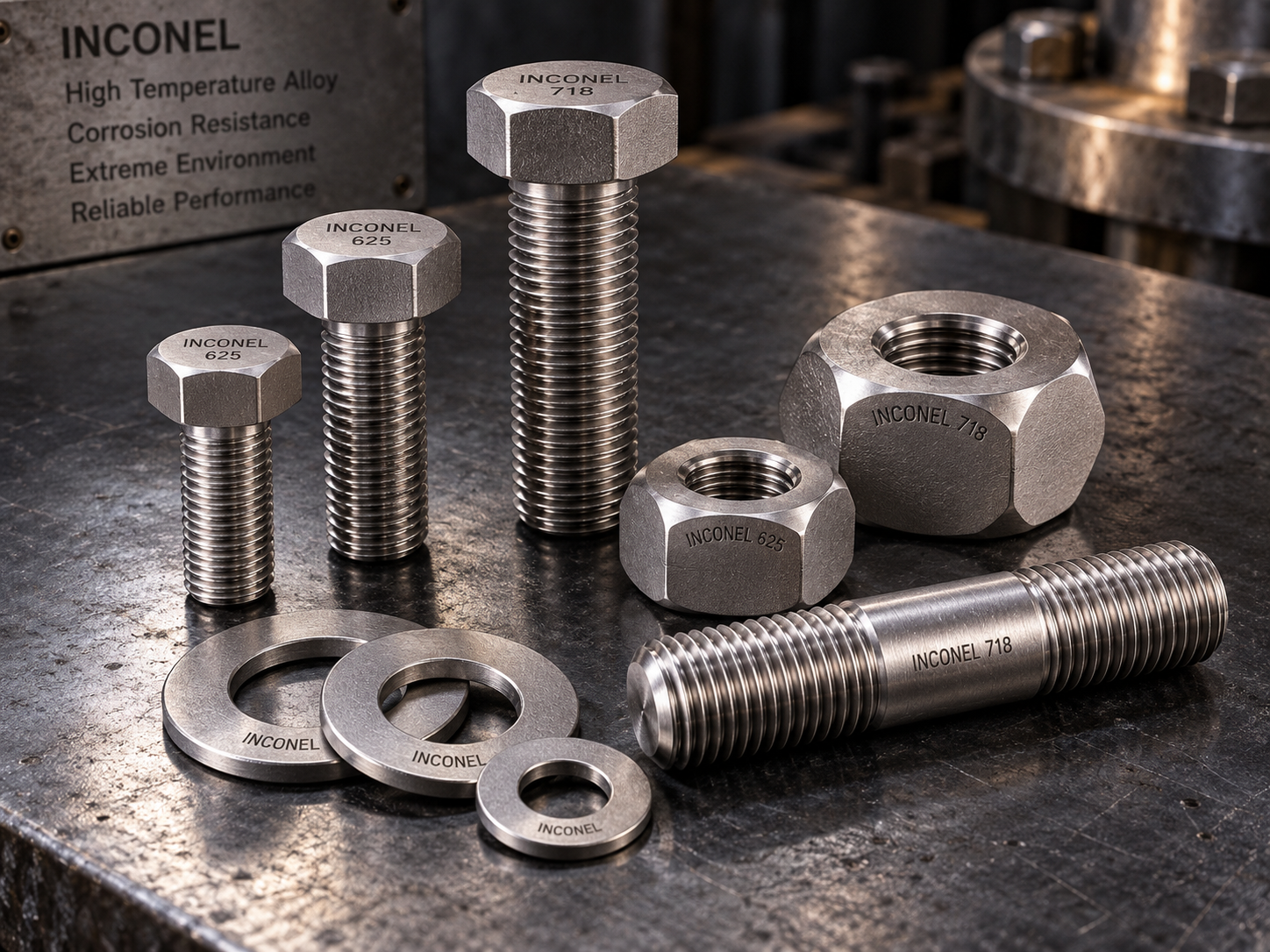
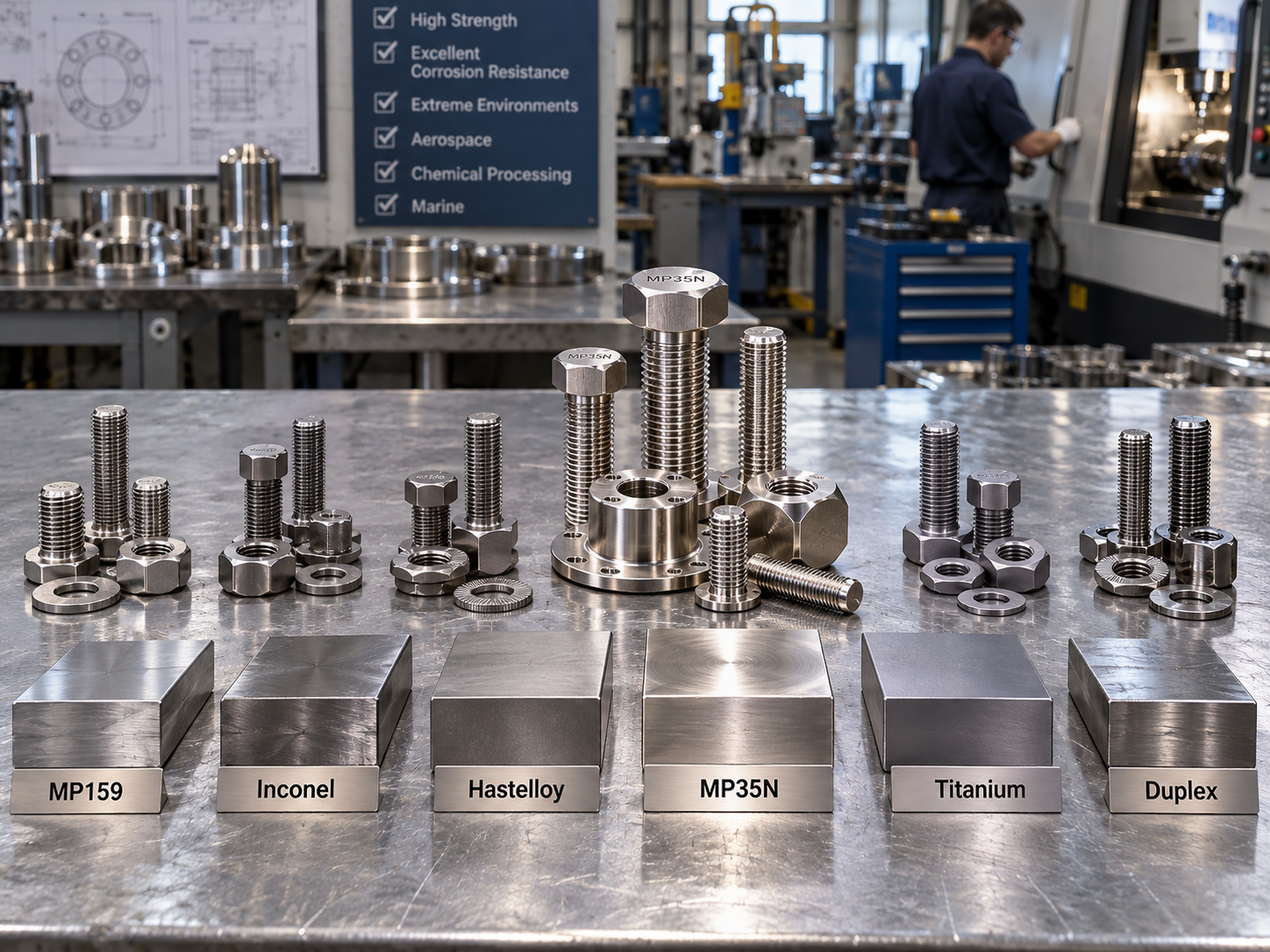
For high-temperature applications, understanding the true cost drivers behind waspaloy bolts is essential for balancing performance, lead time, and budget control.
Pricing is shaped by alloy supply, bolt geometry, production route, certification scope, testing depth, and order volume.
In demanding metal processing equipment, oxidation resistance, creep strength, and long-term reliability often matter more than the lowest unit price.
This guide explains how waspaloy bolts are costed, where hidden expenses appear, and how sourcing decisions can be made with fewer surprises.
Why Waspaloy Bolts Need a Cost Checklist
Waspaloy is a nickel-based superalloy designed for elevated-temperature strength, oxidation resistance, and fatigue performance.
Because of that alloy profile, waspaloy bolts are usually selected for severe operating environments rather than ordinary fastening duties.
In metal processing equipment, fasteners may face radiant heat, cyclic loading, vibration, thermal expansion, and corrosive process atmospheres.
A simple price comparison often misses manufacturing constraints that influence the final cost of waspaloy bolts.
A checklist approach helps separate material cost, production cost, quality cost, logistics cost, and application risk.
It also helps identify when a higher quote includes stronger traceability, better inspection, or lower field failure exposure.
Key reasons for using a structured checklist
- Confirm the alloy source before comparing prices, because waspaloy bolts made from certified bar stock carry different cost exposure.
- Review the bolt drawing carefully, because thread length, head form, shank tolerance, and radius details affect machining time.
- Separate production cost from testing cost, because destructive testing, PMI, hardness checks, and reports change the final quotation.
- Assess operating temperature and load cycles, because under-specified waspaloy bolts may create costly shutdowns or rework.
- Check delivery assumptions early, because urgent waspaloy bolts may require premium raw material sourcing or expedited machining.
Core Cost Factors Behind Waspaloy Bolts
The cost of waspaloy bolts is not based on raw material weight alone.
A reliable quotation should reflect alloy pedigree, geometry, production process, inspection requirements, documentation, packaging, and lead time.
The following checklist can be used before releasing a purchase order or approving an alternative supplier.
- Verify the material specification, including AMS, ASTM, or project-defined requirements, before treating waspaloy bolts as interchangeable items.
- Confirm bar diameter availability, because non-standard raw material sizes can increase scrap rate and extend lead time.
- Review the bolt diameter and length, since larger waspaloy bolts consume more alloy and require slower machining parameters.
- Check whether threads are rolled or machined, because each method changes strength behavior, tooling cost, and production feasibility.
- Define heat treatment requirements clearly, since solution treatment, aging, and cooling controls influence both performance and price.
- Clarify head style and drive form, because hex heads, twelve-point heads, and socket features require different tooling setups.
- Specify surface condition requirements, including passivation, cleaning, polishing, or coating, to avoid late quotation revisions.
- List inspection reports required with shipment, because traceability documents can add administrative and laboratory cost.
- Confirm packing requirements for export, because special labeling, batch separation, and corrosion protection affect total landed cost.
- Compare quotations by total delivered value, not only unit price, especially when waspaloy bolts support high-temperature equipment uptime.
Material Grade, Melt Source, and Certification
Material input is one of the largest cost components for waspaloy bolts.
Nickel, cobalt, chromium, molybdenum, titanium, and aluminum content can influence the alloy surcharge and purchase timing.
Certified Waspaloy stock usually costs more than generic nickel alloy material, but the difference supports traceability and compliance.
Fasteners for critical machinery should not be sourced from unidentified or undocumented alloy stock.
Material checklist for waspaloy bolts
- Request mill certificates that identify heat number, chemical composition, mechanical properties, and applicable material standards.
- Match the specification to the operating environment, rather than accepting a similar high-temperature alloy without review.
- Confirm whether material is vacuum melted or remelted, because premium routes may be required for critical waspaloy bolts.
- Check raw bar size availability, since oversized bar stock increases machining time and alloy waste.
- Avoid mixing heat lots without approval, because batch separation supports traceability during maintenance and failure analysis.
A low quote may be based on available stock with incomplete certification.
That may be acceptable for non-critical fixtures, but it is risky for waspaloy bolts in thermal processing systems.
Bolt Size, Geometry, and Machining Complexity
Geometry strongly affects the cost of waspaloy bolts because Waspaloy is more difficult to machine than common steels.
Tool wear, cutting speed, work hardening, and setup control all influence production time.
Long bolts, large diameters, tight shoulders, and special heads often create more cost than expected.
Dimensional factors that raise price
Design simplification can reduce the cost of waspaloy bolts without reducing safety.
Small changes, such as using a standard thread or head style, may improve availability and shorten production time.
Threading Method and Mechanical Performance
Thread production is a critical cost and performance factor for waspaloy bolts.
Machined threads are flexible for small batches and custom sizes, but rolled threads can improve fatigue resistance.
However, thread rolling Waspaloy requires suitable equipment, material condition, and tooling strength.
Thread decision checklist
- Select machined threads when batch size is low, geometry is unusual, or rapid customization matters more than fatigue improvement.
- Consider rolled threads when fatigue life is critical and the waspaloy bolts can be processed in the correct condition.
- Confirm thread class, pitch, and gauge requirements early to prevent rejection during assembly or incoming inspection.
- Avoid changing thread method after quotation, because tooling, inspection, and mechanical assumptions may all change.
The cheapest thread is not always the lowest-risk thread.
When waspaloy bolts experience vibration and thermal cycling, thread quality can directly affect service life.
Heat Treatment, Hardness, and Strength Requirements
Waspaloy gains much of its high-temperature performance through controlled heat treatment.
For waspaloy bolts, heat treatment affects strength, hardness, creep resistance, and dimensional stability.
Improper heat treatment may create fasteners that pass dimensional checks but fail under sustained load.
Heat treatment cost drivers
- Define solution treatment and aging conditions, because vague requirements create uncertainty in price and production planning.
- Confirm whether testing is required after heat treatment, including tensile, hardness, microstructure, or creep-related verification.
- Allow for dimensional movement after thermal processing, especially on long waspaloy bolts or tight-tolerance shanks.
- Use qualified heat treatment suppliers when fasteners are intended for high-temperature pressure or rotating equipment zones.
Heat treatment cost is often justified by reduced uncertainty.
For high-value equipment, properly processed waspaloy bolts can help protect uptime and maintenance schedules.
Testing, Inspection, and Documentation Costs
Testing requirements can significantly change the total cost of waspaloy bolts.
Some projects need basic dimensional inspection, while others require full material traceability and third-party verification.
Documentation should be defined before ordering, not requested after manufacturing is complete.
Inspection checklist for waspaloy bolts
- Require dimensional inspection for head size, thread accuracy, overall length, shank diameter, and bearing surface condition.
- Request PMI when alloy verification is essential, especially for mixed fastener lots or urgent replacement orders.
- Specify mechanical testing when tensile strength, yield strength, elongation, or hardness must be proven by report.
- Define NDT requirements if surface cracks, laps, seams, or machining defects could create critical service risk.
- Ask for traceability documents with heat number, batch number, quantity, specification, and inspection status.
Each inspection step adds cost, but it also reduces uncertainty.
For waspaloy bolts used in high-temperature process lines, documentation can be as important as the fastener itself.
Order Quantity, Batch Size, and Setup Efficiency
Order quantity has a direct effect on unit price.
Small batches of waspaloy bolts carry more setup cost per piece, especially when tooling or programming is customized.
Larger batches may reduce unit cost, but they increase inventory exposure if specifications later change.
Quantity planning checklist
- Group identical waspaloy bolts across maintenance projects when specifications, certification, and delivery dates are compatible.
- Avoid very small emergency orders when possible, because premium setup and raw material sourcing can dominate price.
- Consider spare quantities for planned shutdowns, especially when lead time for certified alloy stock is uncertain.
- Balance volume discounts against storage risk, since specialty fasteners may become obsolete after equipment modifications.
The most economical quantity is not always the largest quantity.
The best order size aligns waspaloy bolts demand with shutdown schedules, drawing stability, and traceability control.
Lead Time, Urgency, and Supply Chain Risk
Lead time often becomes a hidden cost factor.
When waspaloy bolts are needed urgently, suppliers may need to source material from limited inventory or rearrange production.
Expedited production can increase price through overtime, premium freight, additional coordination, and rushed inspection.
Lead time control checklist
- Confirm raw material availability before finalizing delivery commitments for waspaloy bolts in uncommon diameters or lengths.
- Share drawings, standards, and inspection requirements together, because missing details delay quotation and production release.
- Reserve time for heat treatment and testing, since these steps cannot always be compressed without technical risk.
- Plan critical spares in advance, especially when equipment downtime is more expensive than inventory holding cost.
Short lead time is valuable, but it should not compromise alloy verification or dimensional quality.
Reliable waspaloy bolts should arrive with the promised documentation, not only the promised delivery date.
Application Scenarios in Metal Processing Equipment
The cost logic for waspaloy bolts changes according to the equipment location and operating duty.
Fasteners near heat, pressure, corrosive atmospheres, or dynamic loading need more careful evaluation than general assembly bolts.
Heat treatment furnaces and thermal fixtures
In heat treatment furnaces, waspaloy bolts may be exposed to continuous thermal cycling and oxidation.
Cost decisions should consider thermal stability, scaling resistance, and replacement access during scheduled maintenance windows.
Rolling mills and hot forming equipment
Hot forming equipment can expose fasteners to vibration, impact, radiant heat, and alignment stress.
In these positions, waspaloy bolts should be assessed for fatigue resistance, preload retention, and thread integrity.
High-temperature valves and process connections
Process connections may require waspaloy bolts that maintain clamping force at elevated temperatures.
Here, the cost of certification and testing is often small compared with leakage, shutdown, or safety exposure.
Custom machinery and retrofit projects
Retrofit projects often use legacy drawings with incomplete material or tolerance information.
Before ordering waspaloy bolts, confirm the actual assembly condition, mating parts, clearance, and service temperature.
Commonly Overlooked Cost Risks
Several cost risks appear only after production starts or after fasteners reach the equipment site.
Identifying them early helps prevent rework, rejection, and emergency sourcing.
Incomplete drawings
Missing tolerances, thread classes, under-head radii, or surface finish requirements can make waspaloy bolts impossible to quote accurately.
Incomplete drawings often lead to assumptions, and assumptions can create disputes during inspection.
Unclear acceptance standards
If acceptance criteria are not stated, suppliers may follow internal inspection standards.
For critical waspaloy bolts, define the standard, sampling plan, and report format before production.
Ignoring assembly conditions
A technically correct bolt can still fail if preload, lubrication, mating material, or temperature gradient is ignored.
Cost evaluation should include installation practice, not only factory manufacturing quality.
Comparing unequal quotations
One quotation may include certificates, testing, packing, and freight, while another lists only basic waspaloy bolts.
A quote comparison sheet should normalize all inclusions before any price decision is made.
Practical Quotation Checklist for Waspaloy Bolts
A complete request for quotation reduces delays and improves price accuracy.
The following items should be provided whenever waspaloy bolts are requested for demanding applications.
- Provide a controlled drawing showing diameter, length, head type, thread details, tolerances, and any special features.
- State the material standard clearly, including Waspaloy requirements, heat treatment condition, and certification expectations.
- Define required tests, such as chemical analysis, tensile testing, hardness testing, PMI, NDT, or dimensional inspection.
- List operating conditions, including temperature range, load type, corrosion exposure, vibration level, and maintenance interval.
- Confirm quantity, delivery schedule, packaging requirements, destination, and whether partial shipment is acceptable.
- Request separate pricing for optional tests when cost sensitivity and compliance requirements need balanced evaluation.
This checklist helps suppliers price waspaloy bolts based on real requirements rather than assumptions.
It also gives a clearer basis for comparing technical value among competing offers.
How to Evaluate a Supplier Beyond Unit Price
The supplier behind waspaloy bolts affects quality consistency, documentation accuracy, and delivery reliability.
A lower price can become expensive if it leads to rework, rejection, or premature fastener replacement.
Supplier evaluation checklist
- Review experience with specialty metals, especially nickel-based superalloy fasteners used in high-temperature service.
- Confirm the ability to support standard and customized waspaloy bolts with controlled machining and inspection processes.
- Ask how heat lots, batch numbers, and inspection records are controlled throughout production and shipment.
- Check whether engineering support is available for material selection, drawing review, and application risk discussion.
- Evaluate responsiveness when technical clarification is needed, because delays in answers often become delays in delivery.
RAYCHIN LIMITED specializes in specialty metals fasteners for demanding industrial applications.
Its work covers development, manufacturing, and global distribution of standard and customized high-performance fasteners.
For waspaloy bolts, technical guidance can help align alloy selection, fastener geometry, testing level, and cost expectations.
Cost Reduction Methods That Do Not Sacrifice Reliability
Cost control should not mean reducing critical performance requirements.
The goal is to remove avoidable cost while preserving the function of waspaloy bolts in service.
Actionable cost control steps
- Standardize dimensions where possible, using common thread forms, head styles, and lengths to reduce tooling and setup cost.
- Consolidate orders across equipment lines when waspaloy bolts share the same material, dimensions, and certification needs.
- Review tolerances with engineering discipline, keeping tight limits only where they affect assembly, sealing, or load transfer.
- Separate mandatory testing from optional testing, then price each option to support transparent cost decisions.
- Plan shutdown spares early, because emergency production can erase savings from aggressive unit price negotiation.
- Use supplier drawing review before production, especially when legacy designs may contain impractical or obsolete requirements.
These actions can reduce unnecessary expense without weakening the technical basis for using waspaloy bolts.
The most effective savings usually come from better definition, not from removing essential quality controls.
Red Flags When Buying Waspaloy Bolts
Certain warning signs should be investigated before an order is placed.
They may indicate missing cost elements, weak traceability, or technical misunderstanding.
- Question unusually low prices when certification, heat treatment, testing, and material source are not clearly included.
- Avoid vague material descriptions such as high-temperature nickel alloy when the requirement is certified waspaloy bolts.
- Investigate very short lead times if the size is uncommon, the quantity is large, or full documentation is required.
- Reject incomplete certificates that do not connect the delivered fasteners to heat numbers and inspection records.
- Clarify any supplier reluctance to discuss manufacturing route, inspection plan, or special tolerance feasibility.
A red flag does not always mean a supplier is unsuitable.
It means the basis of the waspaloy bolts offer should be clarified before technical or commercial approval.
Example Cost Review Framework
A simple framework can make quotation comparison more disciplined.
Each supplier can be evaluated against the same cost and risk categories.
This framework supports fair comparison when waspaloy bolts are quoted by different suppliers.
It also helps reveal whether a low price is efficient or simply incomplete.
Final Sourcing Guidance for Waspaloy Bolts
The true cost of waspaloy bolts is built from material value, manufacturing difficulty, compliance depth, and application risk.
A strong sourcing decision starts with complete technical information and a clear understanding of service conditions.
When comparing offers, look beyond the visible unit price.
Check whether the quotation includes certified material, controlled heat treatment, proper inspection, export packing, and reliable delivery.
For metal processing equipment, fastener reliability often affects uptime, safety, and maintenance cost.
Well-specified waspaloy bolts may cost more initially, but they can reduce uncertainty in demanding high-temperature service.
Next steps before ordering
- Collect the latest drawing, operating temperature, load information, and required standards before requesting prices.
- Ask suppliers to separate material, manufacturing, testing, documentation, and freight costs where practical.
- Review technical exceptions carefully, especially substitutions, missing certificates, tolerance deviations, or altered thread methods.
- Choose waspaloy bolts based on total installed value, not only the lowest quoted unit price.
RAYCHIN LIMITED supports standard and customized specialty metals fasteners for challenging industrial environments.
For waspaloy bolts, a technical review can help confirm material suitability, production feasibility, inspection scope, and realistic cost expectations.
Clear specifications, early planning, and experienced manufacturing support remain the best ways to control cost without sacrificing reliability.
Request A Quote! We'll respond as soon as possible(within 12 hours)
Get a Quote