
Categories List
Recent Posts
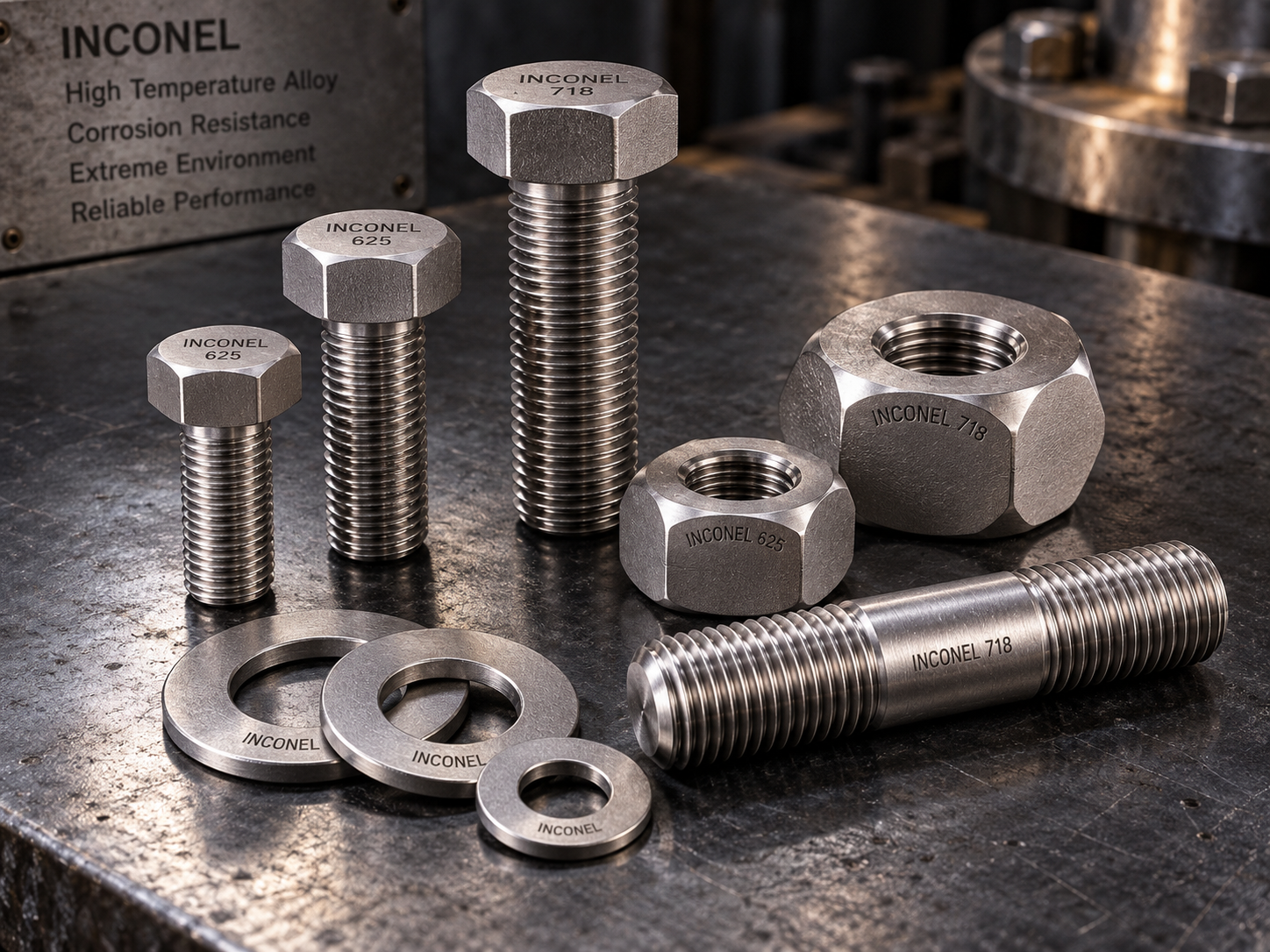
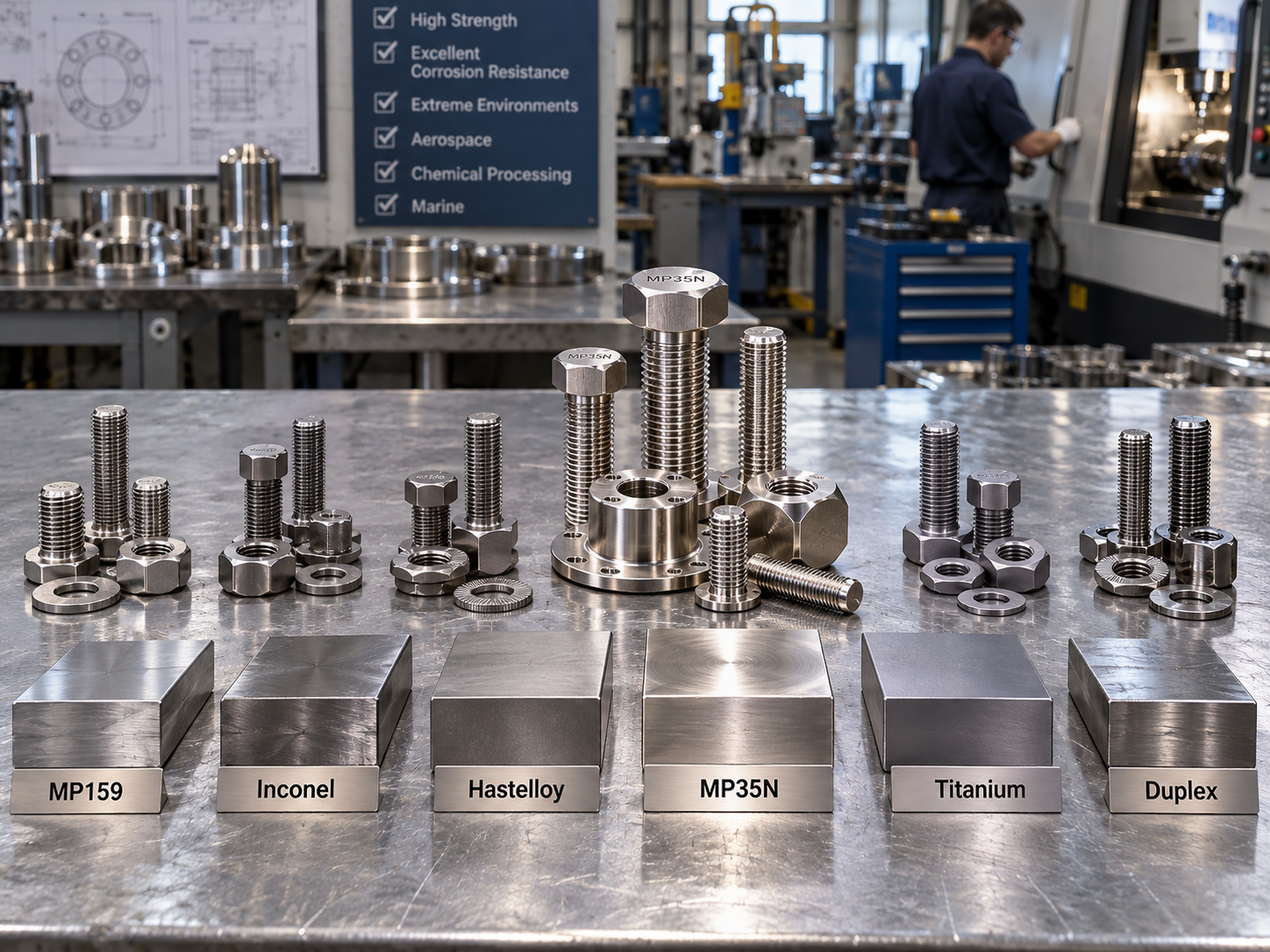
Selecting the right Inconel bolt for high-pressure systems involves more than just assessing performance metrics—it requires understanding the hidden cost factors that can impact reliability, maintenance, and overall lifecycle value. As advanced materials continue to evolve, knowing where unexpected expenses arise becomes essential for engineers, procurement professionals, and decision-makers striving to balance quality with cost efficiency.
Understanding the Role of Inconel Bolts in High-Pressure Systems
Inconel bolts are critical fasteners designed to endure extreme environments, particularly in high-pressure and high-temperature systems. Made from nickel-chromium-based superalloys, they are preferred for their superior oxidation and corrosion resistance. However, beyond their mechanical strength lies a network of hidden cost factors that directly influence their total cost of ownership (TCO).
For example, in oil and gas processing pipelines that operate above 20 MPa pressure levels, a single fastener failure can lead to a shutdown costing USD 50,000–100,000 in hourly downtime losses. This underscores that the initial bolt unit price—often 10–20% higher than stainless steel alternatives—is a minor component of the total cost compared to failure or maintenance-related expenses.
At RAYCHIN LIMITED, the selection of Inconel fasteners for specialized metal equipment follows a technical evaluation process that includes mechanical stress mapping, temperature stability assessment, and compatibility analysis with sealing materials. Each stage ensures the intended performance matches the application's lifecycle cost expectation.
Understanding the intricate performance-to-cost relationship is essential. While an Inconel bolt’s tensile strength can exceed 1,000 MPa, improper specification or surface finish can generate hidden costs—ranging from increased machining time to delayed project deadlines. Consequently, accurate assessment at every procurement stage mitigates future maintenance and operational risks.
Hidden Cost Factors Across the Lifecycle of Inconel Bolts
The hidden costs linked to Inconel bolts stem from multiple stages—procurement, machining, installation, and operational maintenance. Understanding these segments allows teams to forecast expenses more accurately and avoid budget overruns during the equipment lifecycle.
1. Machining and Fabrication Complexity
Inconel alloys, particularly grades like Inconel 625 and 718, are infamous for their work-hardening behavior. Machining them can be up to 300% more time-consuming than carbon steels. Tool wear rates can increase by 2–4×, requiring specialized carbide or ceramic tooling. When calculating fastener costs, machining represents around 25–45% of the total price for small-batch production.
2. Heat Treatment and Surface Processing
Post-machining heat treatment ensures microstructure integrity and uniform strength distribution. However, every 1°C deviation from the 980°C–1020°C annealing range may cause residual stress accumulation, leading to unexpected performance degradation. Each additional heat treatment cycle can add up to 8–12 hours of processing time and raise energy costs by roughly 6–8% per component.
3. Inspection and Quality Assurance
Quality assurance represents another hidden cost. Non-destructive testing (NDT), including ultrasonic and dye penetrant methods, can increase the final cost by 3–7% depending on batch size. In projects requiring Class 1 bolt certification in pressure vessels, more stringent verification—such as 100% dimensional and hardness checks—is mandatory.
4. Maintenance and Replacement Intervals
Although Inconel bolts can operate effectively for over 10 years, environmental fluctuation or galvanic corrosion against dissimilar metals may require early replacement intervals—especially in mixed-material assemblies. Predictive maintenance systems have shown that replacement cycles range between 7–12 years for marine compression systems.
The following table summarizes the key hidden cost contributors along the lifecycle stage of Inconel fasteners:
As seen above, hidden costs can collectively add up to nearly 40–60% of the initial fastener cost across the full lifecycle. Addressing each factor early in the design and sourcing phase leads to more predictable budgets and improved operational safety margins.
Material Grades and Specification Choices
Selecting the appropriate Inconel grade determines not only mechanical integrity but also secondary cost implications throughout maintenance. RAYCHIN LIMITED offers both standard and customized Inconel fasteners, leveraging expertise in specialty metals such as Inconel 600, 625, 718, and X750, each catering to distinct pressure and temperature demands.
Evaluating Alloy Composition for Cost Efficiency
Inconel 625 features a balance of molybdenum and niobium, giving it remarkable corrosion resistance but also higher raw material cost—by approximately 12–18% compared to Inconel 600. Inconel 718, on the other hand, provides greater tensile strength at a slightly lower ductility margin, suitable for bolt diameters above 25 mm commonly used in reactor systems.
Standard vs. Customized Fasteners: Where Costs Shift
Custom geometries entail incremental engineering costs. Designing head configurations or non-standard thread pitches can increase tooling setup by around 5–8%. However, in precision equipment such as extrusion presses or vacuum chambers, these costs are offset by reduced downtime and seal misalignment incidents—ensuring 99% assembly repeatability.
The table below compares the major Inconel grades in terms of mechanical and cost parameters relevant for high-pressure structural applications:
A balanced selection strategy might involve pairing Inconel 625 for components exposed to corrosive environments and Inconel 718 for stress-critical joints, optimizing both performance and lifecycle economics.
Procurement and Supply Chain Cost Considerations
Procurement processes can either constrain or amplify hidden costs significantly. Factors such as minimum order quantity (MOQ), logistics constraints, and certification documentation directly affect both upfront and long-term expenditure.
Lead Time and Stock Management
In global supply networks, typical lead times for Inconel bolts range from 4–8 weeks depending on grade and size. Custom orders with additional testing can extend to 10–12 weeks. To mitigate project delays, RAYCHIN LIMITED recommends a procurement buffer of 15–20% over the minimum project quantity or establishing two supply routes to manage inventory turnover and avoid penalty costs from downtime.
Certification and Compliance Costs
For critical systems, each bolt may require EN 10204 3.1 certification or NACE MR0175 compliance. The average documentation cost per batch may reach 2–4% of the product value. However, skipping this expense could invalidate warranty or insurance claims following a system failure event.
- Material batch traceability: Adds 1–2% to the cost but ensures consistent metallurgical verification.
- Transportation and packaging: Especially for bolts above M30 dimensions, protective export packaging can raise logistics cost by 5–7%.
- Supplier qualification audits: Usually conducted every 12–18 months, influencing total procurement overhead by 3–5%.
Maintenance Strategy and Lifecycle Optimization
Maintenance represents one of the most underestimated aspects influencing Inconel bolt ownership cost. A robust preventive maintenance plan rooted in material science understanding can reduce total system maintenance budget by up to 25% across a typical 10-year cycle.
Predictive Maintenance and Data-Driven Forecasting
Predictive analytics in metal fastener systems employs torque-tension monitoring at 5–10 cycle intervals. Torque deviation beyond ±7% often signals fatigue or galling initiation. Utilizing RAYCHIN’s advisory service, clients integrate predictive inspections every 18 months, aligning maintenance timing to minimize combined labor and part replacement costs.
Torque Management and Reassembly Practices
Proper torque applications reduce over-tightening incidents by up to 60%. For Inconel threads, lubrication using high-nickel anti-seize compounds ensures uniform preload while reducing galling risk. Field testing reveals that reassembly without lubrication can raise friction coefficient by 45–60%, leading to premature thread degradation.
In long-life equipment, the reconditioning cost of each large fastener (M50 and above) can average USD 200–300 per unit if galling occurs, excluding downtime losses. Thus, consistent maintenance protocols and expert consultation directly influence lifecycle economics.
Strategic Recommendations for Cost-Effective Bolt Selection
Engineering and procurement leaders can minimize hidden cost burdens by integrating multidisciplinary evaluation early in the project planning phase. Key recommendations include defining precise mechanical parameters, leveraging supplier engineering support, and selecting partners capable of offering both technical insight and logistics reliability.
Five-Step Procurement Optimization Framework
- Define operational environment requirements (pressure, temperature, medium).
- Align mechanical grade specifications (e.g., Inconel 718 for >20 MPa).
- Conduct lifecycle cost simulation including maintenance scenarios.
- Validate supplier process quality through technical audits.
- Implement predictive maintenance and data-informed inspection schedules.
RAYCHIN LIMITED’s specialized technical team supports clients through each of these phases, offering tailored fastener selection, finite element stress testing, and material compatibility assessments. By matching metallurgical expertise with procurement analytics, hidden costs across the supply and operational chain can be systematically controlled.
Conclusion and Action Guidance
The choice of Inconel bolts in high-pressure systems extends beyond material strength. Hidden costs arise across machining precision, certification, logistics, and long-term maintenance. Decision-makers aiming to achieve reliable cost control must align design, sourcing, and maintenance strategies under an integrated lifecycle view.
For engineers, procurement teams, and project leaders, understanding these underlying cost structures is crucial in making technically sound and financially sustainable choices. Collaborating with a specialized partner such as RAYCHIN LIMITED ensures access to expert metallurgical insights, advanced production capability, and global supply reliability.
Contact our team today to explore tailored Inconel bolt solutions, receive technical consultation, or request a detailed material evaluation for your upcoming high-pressure project.
Request A Quote! We'll respond as soon as possible(within 12 hours)
Get a Quote