
Categories List
Recent Posts
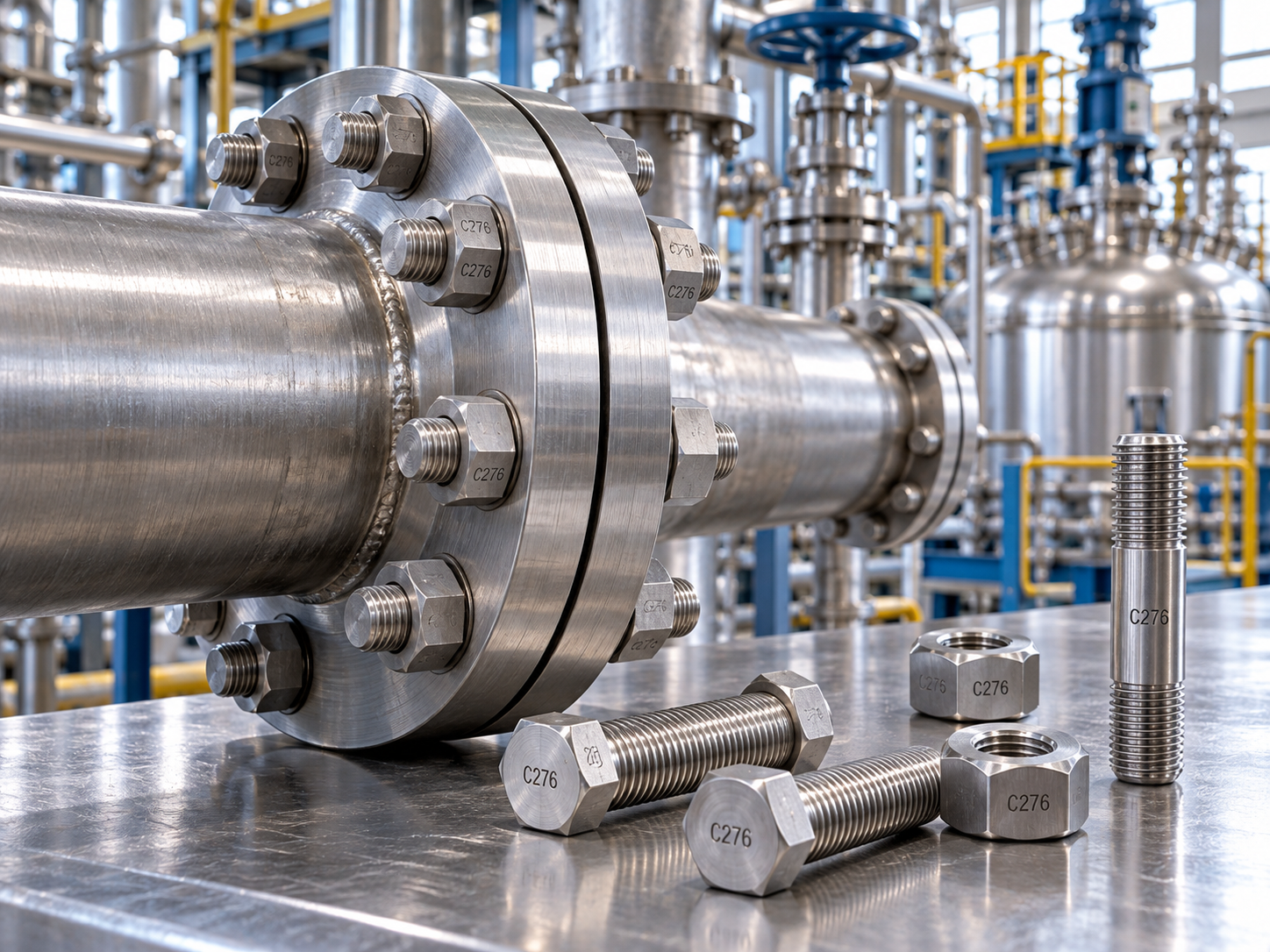
 Hastelloy C276 Fasteners: Bolts, Nuts, Screws, Studs & Washers for the World's Most Aggressive Corrosive Environments
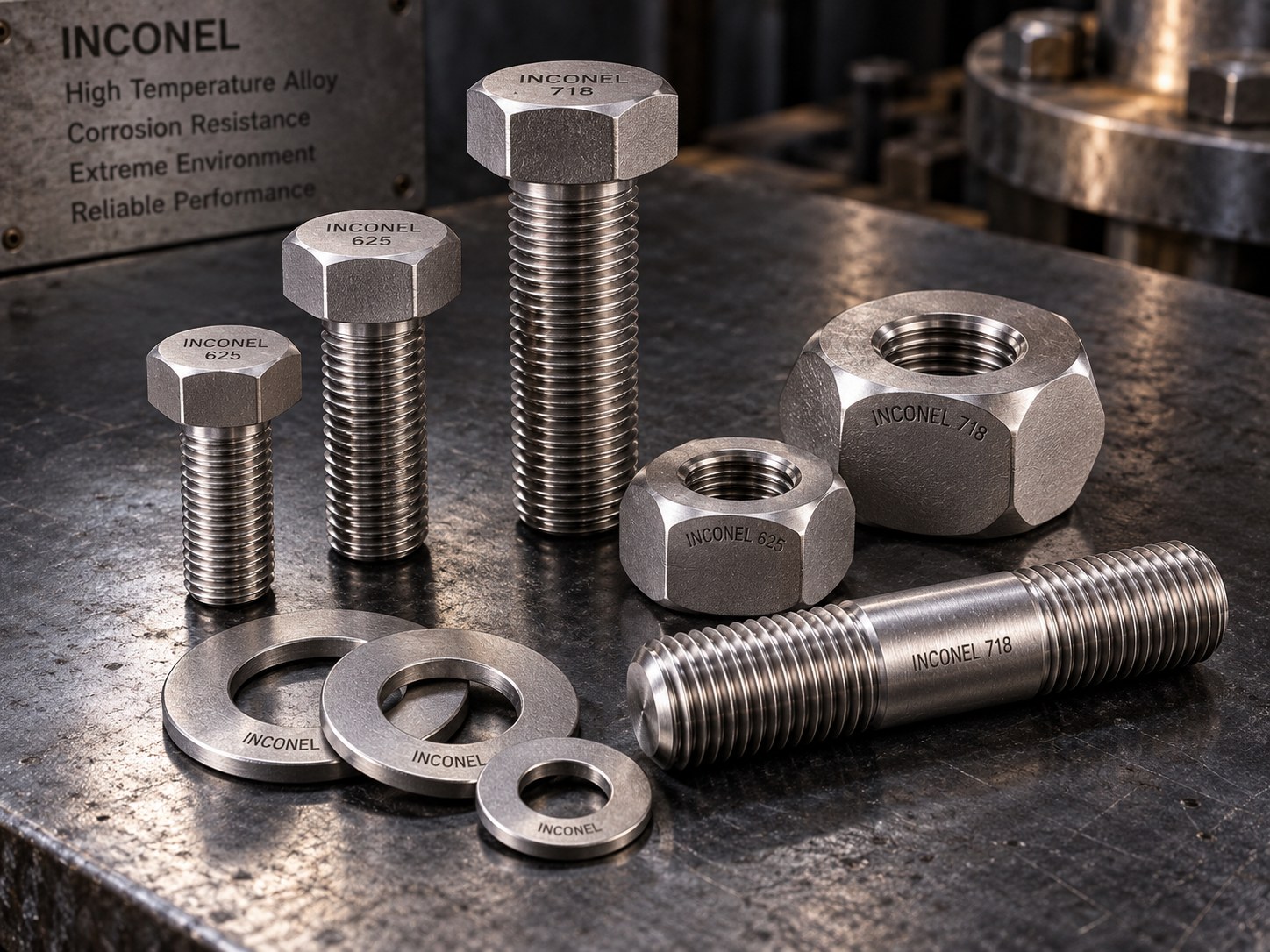
 Inconel Fasteners: Bolts, Nuts, Washers, Studs – Complete Technical Guide | RAYCHIN LIMITED
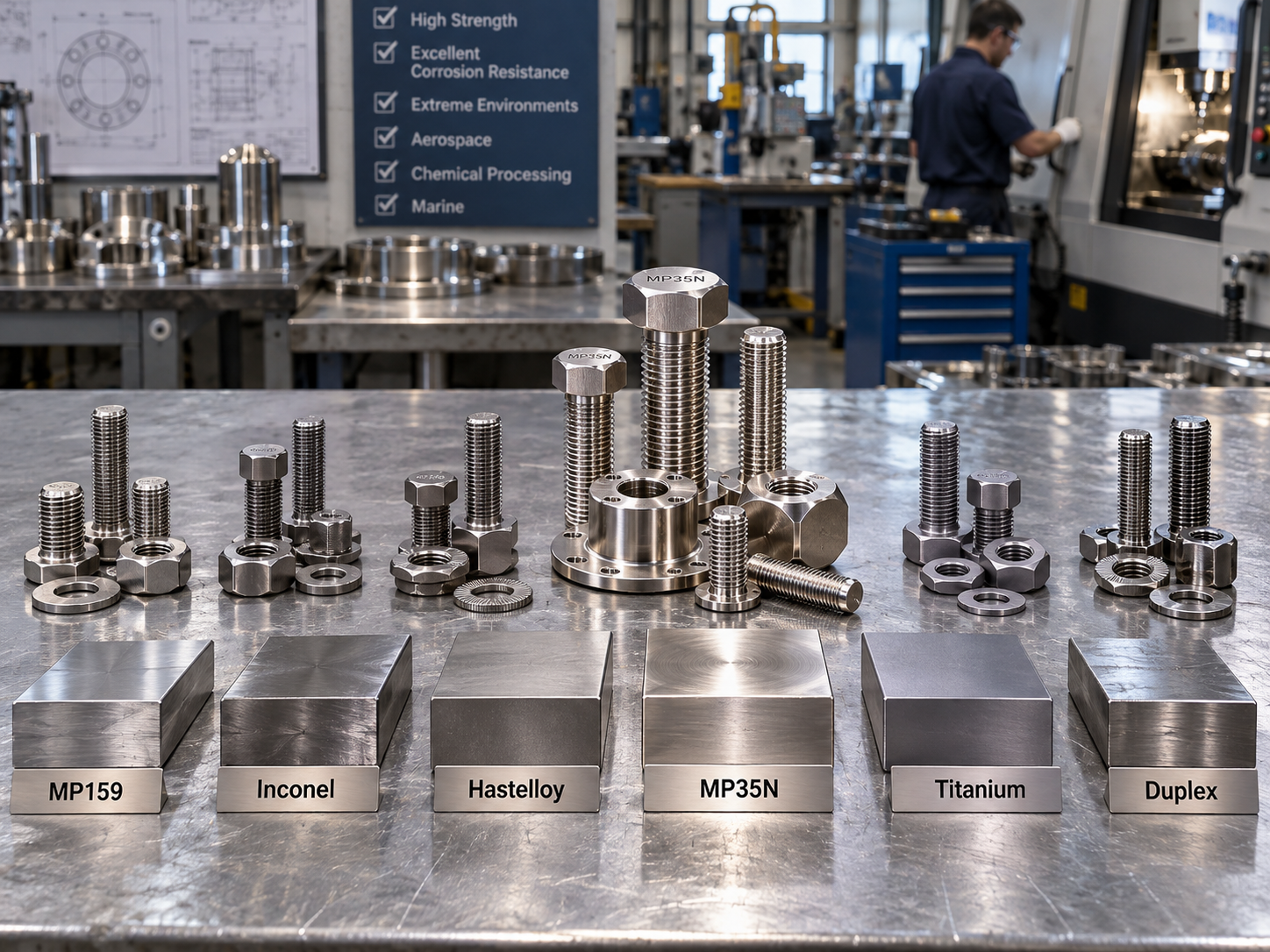
 MP35N vs Inconel, Titanium, C276, Complete Material Comparison Guide for Fasteners | RAYCHIN LIMITED
When comparing A286 stainless steel bolts with other alloy fasteners, performance differences in strength, heat resistance, and corrosion stability can directly affect safety and service life. This guide explores how a286 fasteners, a286 bolts, and a286 stainless steel fasteners stand out in demanding industrial applications, helping engineers, buyers, and project teams choose the right material with greater confidence.
Why do A286 stainless steel bolts matter in metal processing equipment?
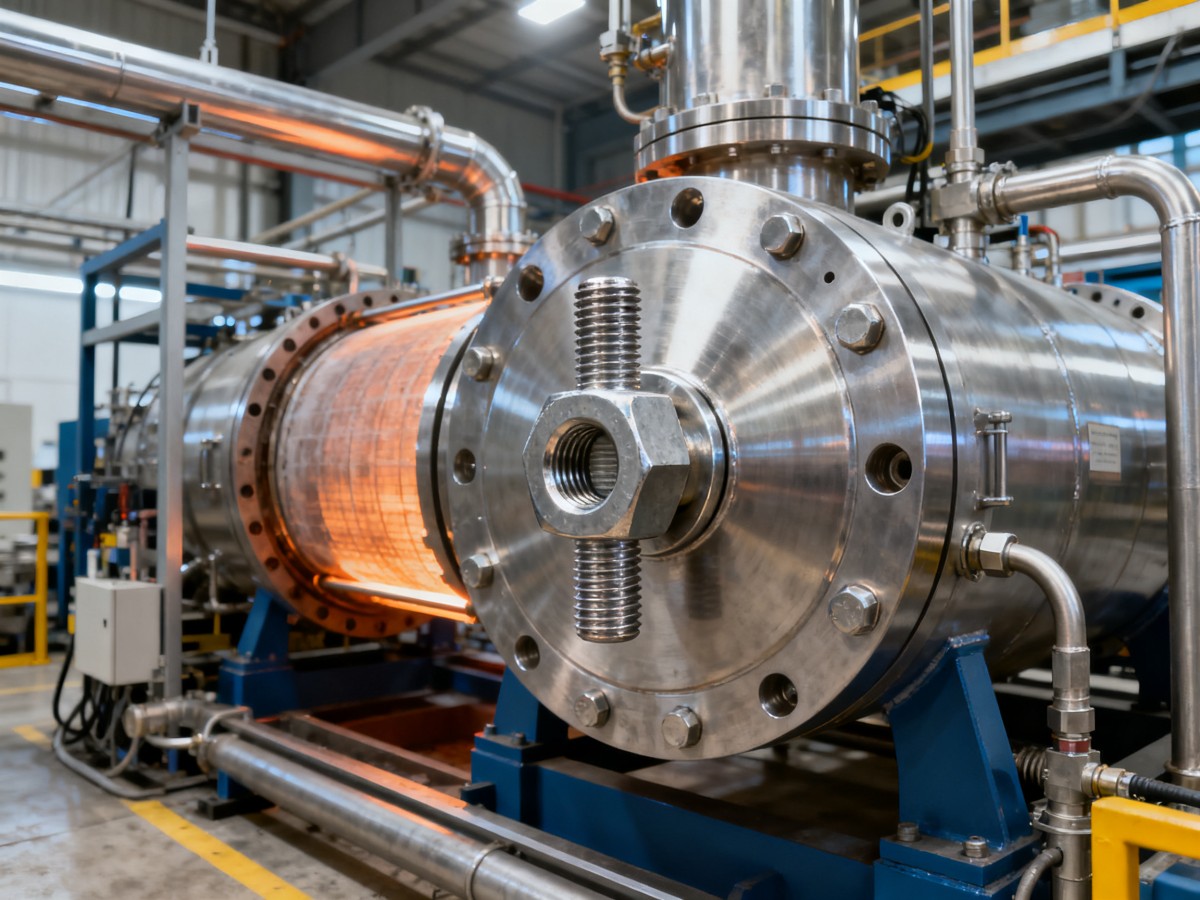
In metal processing equipment, fasteners are often exposed to vibration, cyclic loads, elevated temperatures, cutting fluids, washdown conditions, and long service intervals. In these environments, bolt selection is not a minor hardware choice. It directly influences machine uptime, operator safety, maintenance frequency, and total lifecycle cost. A286 stainless steel bolts are frequently evaluated when standard stainless grades or common alloy fasteners may no longer provide a stable margin of performance.
A286 is an iron-nickel-chromium based alloy strengthened through age hardening. In practical purchasing and engineering discussions, it is often considered when applications need a balance of corrosion resistance and high-temperature strength. This makes it relevant in metal processing equipment such as heat-treatment fixtures, furnace-connected assemblies, hot-zone supports, high-load motor housings, exhaust-side equipment, and fastening points near thermal cycling zones that may operate for 8–24 hours per shift.
For technical evaluators, the key question is rarely whether A286 is stronger in a generic sense. The better question is whether it retains usable strength, dimensional stability, and resistance to relaxation over the temperature and load range of the actual assembly. For procurement teams, the challenge is different: how to compare A286 stainless steel fasteners with 304, 316, B8/B8M, alloy steel, or nickel-based alternatives without overbuying or creating unnecessary lead time.
RAYCHIN LIMITED supports this decision process by focusing on specialty metals fasteners for demanding applications. With development, manufacturing, and global distribution capabilities for both standard and customized fasteners, the company helps customers align material choice with service condition, drawing requirement, and delivery target. That support is especially valuable when buyers need to balance 3 core factors at once: operating temperature, corrosion environment, and mechanical reliability.
What makes A286 different from general-purpose stainless fasteners?
General-purpose stainless bolts are often selected for corrosion resistance first. A286 is selected differently. It is commonly chosen when corrosion resistance alone is not enough and when the fastener must also hold preload under higher temperatures or repeated thermal cycles. In many metal processing systems, a bolt that looks acceptable at room temperature can lose functional margin after repeated starts, stops, and heat exposure over 3–12 months of operation.
A286 also attracts attention because it can serve as a middle path between conventional stainless grades and more expensive high-nickel alloys. That does not mean it replaces every alternative. It means it gives designers and sourcing teams a useful option where moderate-to-high heat and corrosion are present together, especially when downtime costs are more significant than small differences in unit bolt price.
- For operators: more stable clamping in hot service can reduce loosening-related interventions.
- For quality and safety teams: material consistency supports traceability and lower risk at critical joints.
- For purchasers: a more precise material match can lower replacement frequency across 2–4 maintenance cycles.
- For project managers: fewer fastener-related delays help keep installation and commissioning on schedule.
A286 bolts vs other alloys: where are the real performance differences?
The most useful comparison is not A286 against every possible fastener grade in the market. Instead, buyers and engineers usually compare it with the short list they actually approve for metal processing equipment: 304 stainless, 316 stainless, alloy steel, and selected high-performance alloys for elevated-temperature service. The main decision points are temperature capability, corrosion behavior, preload retention, manufacturability, and cost-to-life ratio rather than nominal room-temperature strength alone.
The table below summarizes how A286 stainless steel bolts are typically positioned against common alternatives. It should be used as a screening tool, not a substitute for drawing review or application-specific validation. Actual suitability depends on thread size, joint design, torque control, coating restrictions, and whether the assembly sees continuous heat, intermittent heat, or combined chemical exposure.
This comparison shows why A286 bolts are often chosen for a narrower but more demanding group of applications. They are not the default answer for every assembly. They become compelling when the joint must resist both environmental attack and loss of mechanical integrity over time. In equipment exposed to thermal swing, that difference can affect retightening intervals, inspection frequency, and shutdown planning over 6–18 months.
How A286 compares under practical operating conditions
Under practical plant conditions, preload retention matters as much as tensile strength. A bolt may pass incoming inspection and still underperform if it relaxes after repeated heat cycles. For heated enclosures, burner-adjacent assemblies, or hot exhaust fastening points, A286 is often favored because it helps maintain joint integrity where standard stainless options may become less dependable across repeated starts and stops.
Corrosion behavior must also be interpreted correctly. If the environment is mainly chloride-rich and not particularly hot, 316 may be the more direct and economical answer. If the assembly sees both elevated temperature and a corrosive atmosphere, A286 may offer a more balanced solution. If the environment is dry, cool, and structurally demanding, alloy steel may remain adequate. This is why material selection should begin with service mapping, not with habit or catalog familiarity.
3 practical screening questions
- Will the joint operate near sustained or repeating heat, such as furnace-linked equipment or thermal processing attachments?
- Does the assembly require stable clamp load over long service windows, for example between quarterly or semiannual maintenance stops?
- Would a single fastener failure create a higher cost through unplanned downtime, quality risk, or safety review than the extra material cost of upgrading?
Which technical properties should engineers and buyers check first?
When evaluating a286 fasteners for metal processing equipment, the first step is to review the real loading and environmental profile of the joint. Many specification errors happen because teams compare materials using only one criterion, usually tensile strength or corrosion resistance. In reality, 5 technical checks tend to matter most: service temperature range, preload requirement, exposure media, installation method, and required compliance or traceability documents.
A286 is commonly considered for applications involving elevated temperatures, but that description is still too broad. Some assemblies face continuous heat, others see cycling every 30 minutes to 4 hours, and still others experience short high-temperature peaks during upset conditions. The fastener may also be subject to vibration, differential thermal expansion between joined components, or maintenance removal requirements that increase galling concerns if the wrong mating combination is used.
For purchasing teams, documentation quality is also part of technical performance. Even the correct alloy can create risk if the order lacks clarity on size, thread form, heat treatment condition, inspection scope, and lot traceability. This is one reason many buyers prefer suppliers that can support both standard and customized fasteners with technical guidance rather than only offering part numbers without application review.
Key evaluation points before releasing an RFQ
- Define the operating pattern: continuous duty, intermittent duty, or thermal cycling over 2–3 shift production.
- Map the environment: dry air, oxidation, humidity, washdown, cutting fluid mist, or chemical residue.
- Confirm joint criticality: non-structural cover, rotating equipment housing, hot-zone support, or safety-related assembly.
- Specify inspection expectations: dimensional checks, material certification, hardness or mechanical verification, and traceability level.
- Review installation practice: torque control, lubrication policy, reuse limits, and maintenance access frequency.
Technical screening table for project teams
The following table helps engineering, quality, and procurement teams align on what should be checked before selecting A286 stainless steel fasteners or an alternative alloy. It is especially useful in cross-functional reviews where design intent and maintenance reality often differ.
Using this type of matrix shortens decision cycles and reduces the chance that sourcing and engineering evaluate different problems. In many projects, a 4-step review process is enough: define service condition, compare candidate materials, confirm documentation needs, and verify lead time. This approach is often more effective than debating material names without a structured operating profile.
Where application complexity is high, project teams may also review customized geometry, non-standard lengths, or special thread requirements. That is where specialty fastener suppliers can add value. For example, A286 Fasteners can be relevant when a standard catalog bolt does not fully meet joint design or environmental requirements.
Which application scenarios favor A286 bolts over other materials?
Not every machine in the metal processing sector needs A286. The best use cases are usually concentrated in assemblies where standard fasteners fail too early or require too much maintenance attention. In practice, these scenarios often involve hot sections, high-vibration interfaces, mixed corrosion and temperature exposure, or expensive downtime if a single fastener loses integrity. In such situations, A286 bolts can improve operational stability even if the initial component price is higher.
Examples include thermal processing lines, furnace accessories, heat shielding structures, hot gas duct connections, drying systems, metallurgical handling equipment, and certain motor or drive-adjacent fastening points. In these cases, the fastener is not just carrying load. It is also compensating for thermal movement, resisting oxidation or contamination, and remaining serviceable across repeated maintenance windows that may only occur every 3 months or every 6 months.
Application fit also depends on whether the fastener is used in a primary structural location or a secondary attachment. For a non-critical panel in a cool and dry area, A286 is often unnecessary. For a heated flange connection that supports uptime and safety, the extra margin can be justified. Buyers should therefore separate “all bolts on the machine” from “fasteners at the 10–20 most critical joints,” because those categories rarely deserve the same alloy strategy.
Typical fit-by-scenario view
The table below gives a scenario-based view that procurement teams, maintenance planners, and technical evaluators can use during project review. It is especially useful when the goal is to limit special material use to the assemblies where it delivers measurable risk reduction.
This scenario view helps prevent two common mistakes. The first is under-specification, where the bolt fails because it was chosen only by corrosion grade. The second is over-specification, where A286 is applied broadly to low-risk joints and inflates project cost without meaningful operational gain. Strong procurement decisions usually come from separating critical joints into 3 levels: essential, important, and routine.
A practical rule for maintenance and purchasing teams
- Use upgraded alloys first where replacement requires shutdown, confined access, or thermal cooldown time.
- Review whether bolt loosening or oxidation appears within one maintenance cycle instead of waiting for repeated field failures.
- Reserve standard materials for low-risk joints that can be serviced in minutes rather than hours.
How should buyers evaluate cost, lead time, and replacement alternatives?
Cost discussions around A286 stainless steel bolts often become unproductive because teams compare purchase price without comparing replacement cost, maintenance labor, downtime exposure, and qualification effort. In metal processing equipment, the fastener itself may represent a small fraction of assembly cost, while failure may interrupt a production schedule, delay heat stabilization, or trigger inspection of connected components. That is why smart sourcing focuses on total cost over 1–3 service cycles rather than only the initial order price.
Lead time is another important factor. Specialty alloys and custom fastener geometries can require longer planning than common stainless stock. Actual timing varies by size, quantity, drawing complexity, and documentation scope, but buyers should account for review steps such as material confirmation, manufacturing routing, and inspection release. In many projects, purchasing works best when RFQ preparation begins 2–4 weeks before the final release point instead of treating special alloy fasteners as last-minute consumables.
Alternatives should also be evaluated realistically. If 316 can meet the environment and service temperature, it may be the right answer. If alloy steel delivers strength but will require coatings or create corrosion risk, its apparent price advantage may narrow over time. If a higher alloy is technically possible but unnecessary, it may increase sourcing complexity without giving proportionate service benefits. Good purchasing strategy is therefore comparative, not automatic.
Cost and sourcing checkpoints
- Estimate fastener replacement cost including labor hours, access difficulty, and production interruption.
- Compare whether the material upgrade can extend service across the next 2 maintenance intervals.
- Check whether custom dimensions, non-standard threads, or traceability documents affect lead time.
- Align engineering and procurement on approved substitutes before the RFQ is sent to avoid rework.
When replacement alternatives make sense
A direct substitute is appropriate only if it meets the same service logic. For example, switching from A286 to a lower-cost stainless grade can be reasonable in a cool and wet zone where corrosion resistance is the main requirement and heat retention is not. The same substitution becomes risky if the joint sees sustained thermal loading and preload stability is essential. Procurement teams should document the reason for any substitution using at least 4 points: environment, load, temperature pattern, and inspection requirement.
Where specification uncertainty remains, sample support and technical review can reduce risk. RAYCHIN LIMITED helps customers evaluate standard and customized specialty metal fasteners by matching alloy choice to application challenge instead of forcing a one-material-fits-all approach. For buyers managing multiple equipment types or regional supply chains, this is often the difference between smooth approval and repeated revision loops.
What standards, quality checks, and procurement steps reduce risk?
For quality managers and safety teams, the question is not only which alloy to buy but also how to ensure the delivered fastener matches the approved intent. In specialty alloy fasteners, incoming risk can come from incorrect material substitution, incomplete lot documentation, dimensional inconsistency, or unclear heat-treatment condition. These issues can delay installation, trigger nonconformance review, or undermine confidence in critical assemblies.
Because requirements vary by project and end-use industry, a practical procurement process should confirm the governing standards early. This may include dimensional standards, material specifications, inspection level, and documentation expectations that are common in industrial fastener sourcing. Teams should avoid assuming that a general stainless bolt supply model is automatically sufficient for special material fasteners used in demanding metal processing equipment.
A good receiving and release process usually includes 4 stages: document review, visual and dimensional verification, traceability confirmation, and storage or installation control. Depending on criticality, some users also request additional checks before final release to production. The goal is not to create unnecessary paperwork, but to ensure that the fastener entering service is consistent with the application risk and the approved bill of materials.
5 checks that should appear on a serious fastener review list
- Material identification and supporting mill or material documentation appropriate to the order scope.
- Thread size, pitch, length, and tolerance checks against drawing or purchase order.
- Condition review for surface defects, handling damage, or mixed-lot risk during packing and receiving.
- Traceability alignment between package labels, documents, and internal receiving records.
- Installation guidance review for torque practice, lubrication assumptions, and reuse policy.
Why these checks matter to different stakeholders
Engineers need confidence that the selected alloy matches the design basis. Purchasers need fewer disputes and less rework. Quality teams need auditable consistency. Maintenance staff need reliable field fit. Distributors and project managers need predictable delivery and reduced return risk. A structured review process serves all of these groups because it transforms the fastener from a low-visibility commodity into a controlled component of the equipment’s operating reliability.
When projects involve unusual dimensions or harsh service, it can be helpful to discuss details with a supplier experienced in specialty metals. In these cases, A286 Fasteners may be considered alongside customization options for length, thread, or application-specific requirements, provided the final specification remains tied to real operating conditions.
FAQ: What do buyers, engineers, and maintenance teams ask most often?
Are A286 bolts always better than 316 stainless bolts?
No. A286 bolts are not universally better. They are often the better choice when elevated temperature performance and preload retention are important in addition to corrosion resistance. If the environment is mainly wet or chloride-exposed but not especially hot, 316 may be more practical and cost-efficient. The correct decision depends on at least 3 variables: temperature pattern, corrosion exposure, and joint criticality.
What should procurement include in an RFQ for A286 stainless steel fasteners?
A useful RFQ should include size, thread, length, quantity, drawing reference, service description, and documentation expectations. If the bolts will be used in hot or vibration-prone assemblies, mention that explicitly. Buyers should also identify whether the order is for stock replacement, pilot qualification, or a project launch quantity. This helps suppliers propose the right route for manufacturing, inspection, and delivery planning.
How do maintenance teams know when to upgrade from standard stainless to A286?
A practical indicator is repeated field evidence within 1–2 maintenance cycles, such as loosening, oxidation, clamp loss, or fastener replacement at the same hot joint. Another sign is when replacement requires significant downtime, cooling time, or difficult access. In these cases, a material upgrade can be justified even if the original hardware cost was lower, because the maintenance burden and outage risk become the real cost drivers.
Can A286 stainless steel bolts be used in customized fastener forms?
Yes, in many industrial supply programs A286 is considered for both standard and customized fasteners, depending on geometry, quantity, and application need. Custom requirements may involve special lengths, head forms, thread details, or drawing-based parts for complex assemblies. Lead time and technical review should be discussed early, especially for projects with staged installation plans over 2–6 weeks.
Why choose a specialty fastener partner for A286 selection and supply?
Selecting between A286 stainless steel bolts and other alloys is rarely a simple catalog choice in the metal processing equipment industry. It usually involves balancing temperature resistance, corrosion behavior, joint reliability, lead time, documentation, and project cost. A supplier focused on specialty metals fasteners can help narrow this decision faster by connecting material knowledge with real operating conditions instead of treating every bolt as interchangeable hardware.
RAYCHIN LIMITED specializes in the development, manufacturing, and global distribution of standard and customized fasteners made from high-performance specialty metals. Its technical team supports customers who need more than part availability. That includes material selection guidance, application-oriented communication, and support for challenging service environments where standard solutions may not be enough.
If you are comparing a286 fasteners with stainless or alloy alternatives, the most useful next step is a targeted technical discussion. You can consult on 6 practical topics: parameter confirmation, material selection, drawing review, typical delivery window, customized fastener options, and documentation or certification expectations. This approach helps reduce sourcing uncertainty before the order reaches a critical deadline.
For project teams, purchasers, distributors, and maintenance planners working on demanding equipment, contact us with your application conditions, dimensions, quantity range, and service concerns. We can help you evaluate whether A286 is appropriate, where alternatives may be more economical, how customization affects delivery, and what information should be confirmed before quotation and sample support.
Request A Quote! We'll respond as soon as possible(within 12 hours)
Get a Quote