
Categories List
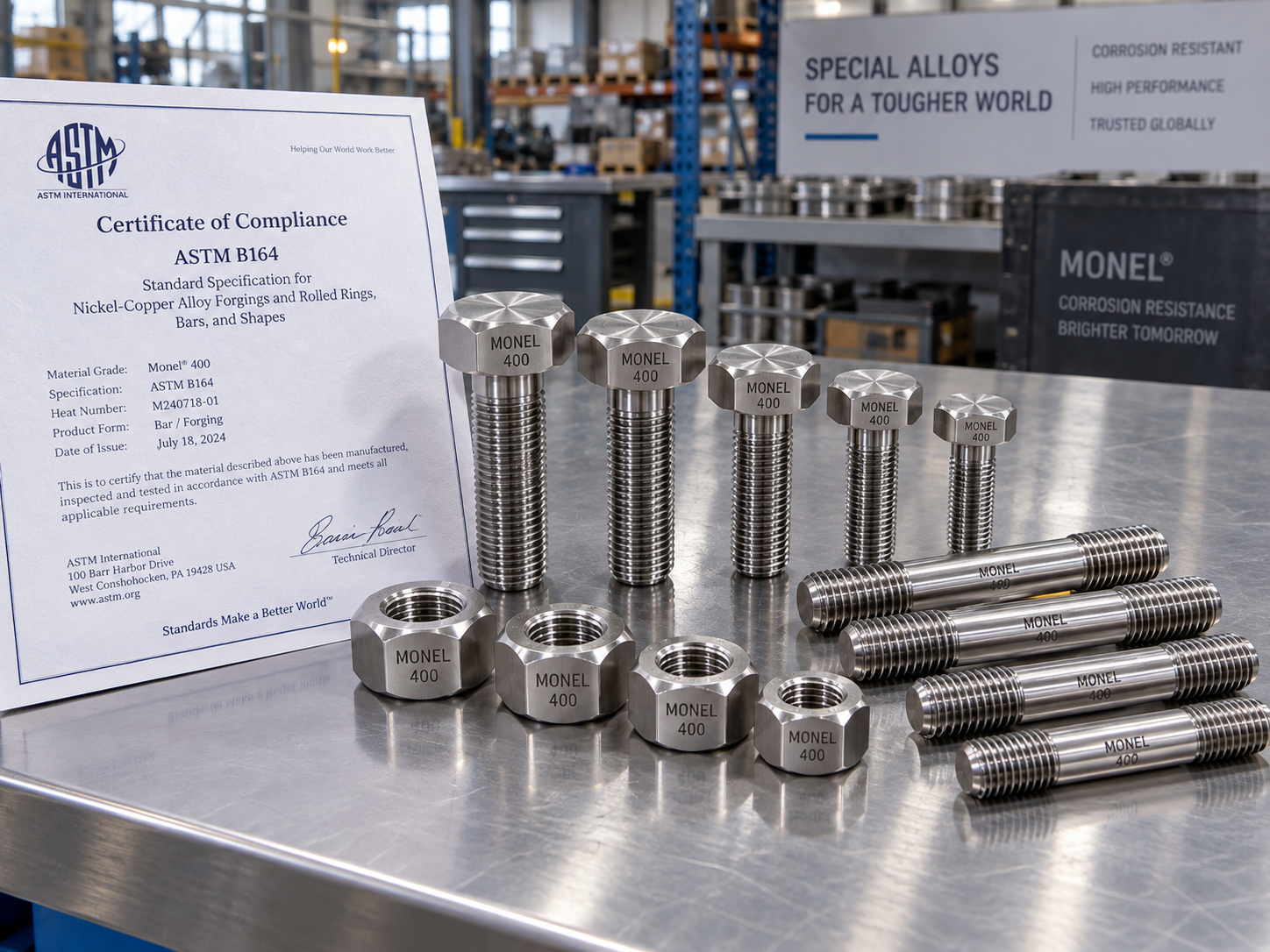
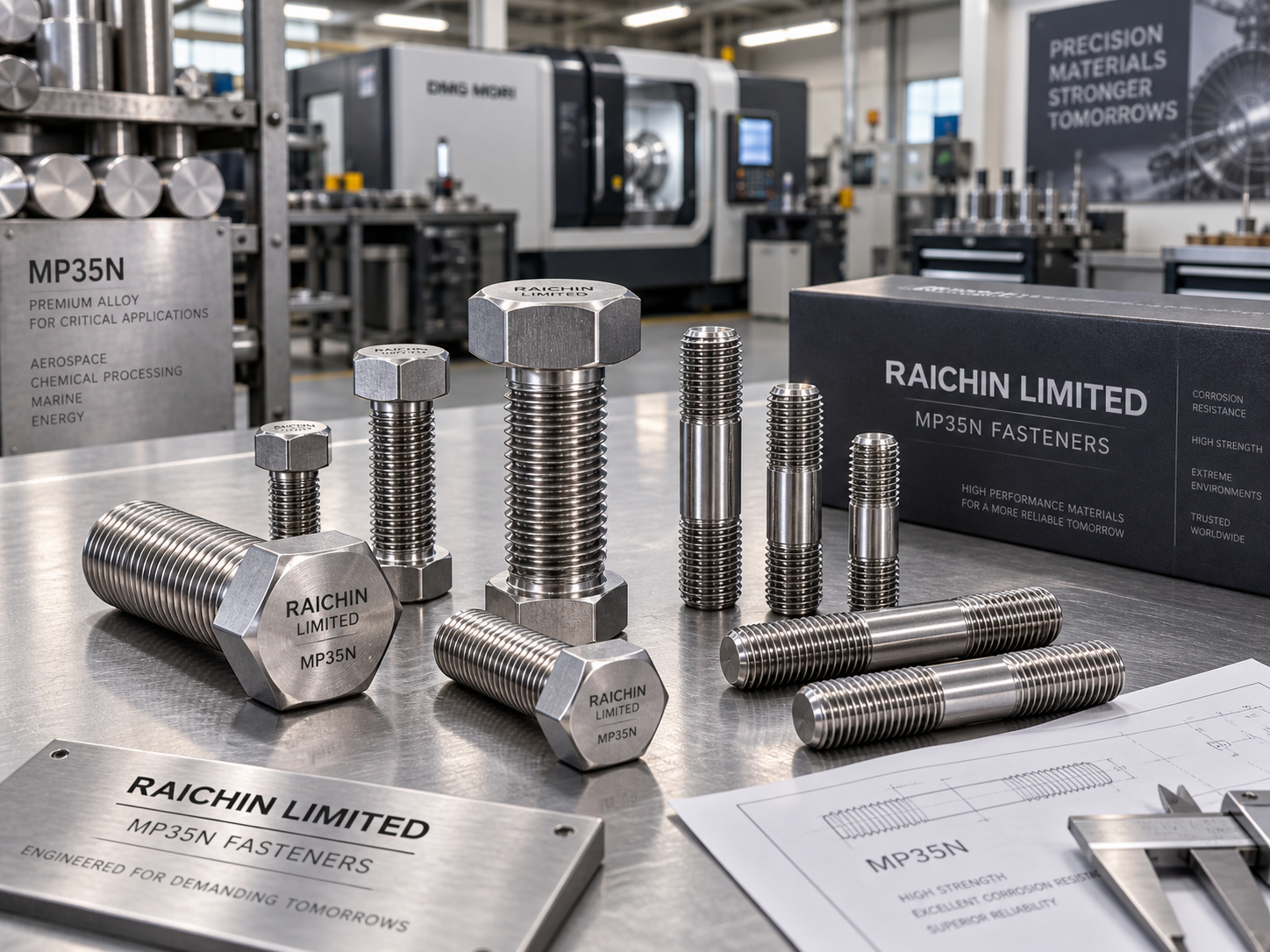
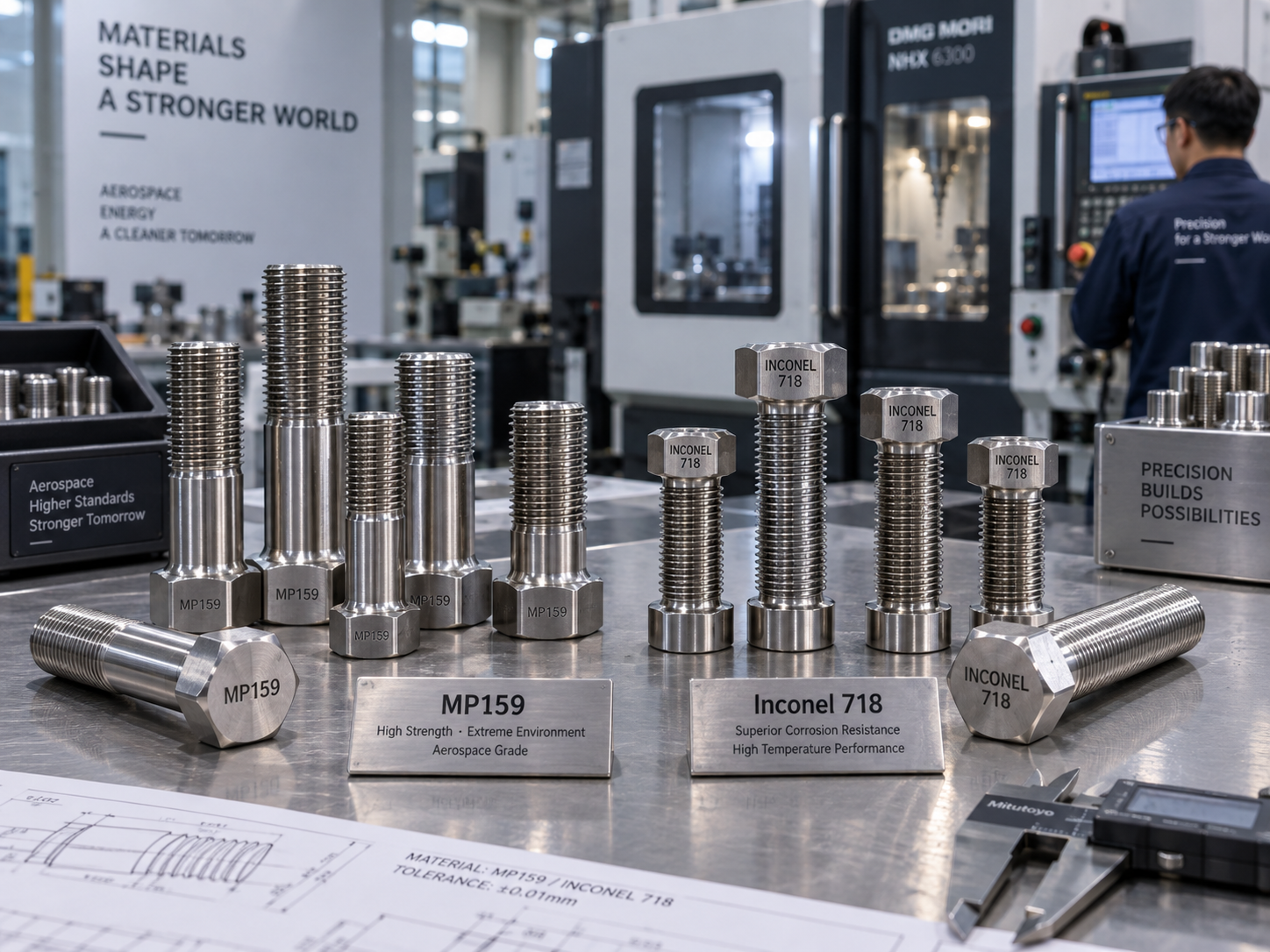
Choosing the wrong Hastelloy C fasteners can cause premature corrosion, unplanned shutdowns, sealing problems, and expensive replacement work. For buyers and engineers, the safest approach is not simply to ask for “Hastelloy fasteners,” but to confirm the exact alloy grade, operating environment, manufacturing quality, and supplier traceability before ordering. Whether you are evaluating hastelloy bolts, hastelloy screws, or hastelloy c276 bolts, the key is matching the fastener to the real service conditions instead of relying on a generic material name.
Why do buyers end up with the wrong Hastelloy C fasteners?
The most common problem is assuming that all Hastelloy C fasteners perform the same way. In practice, buyers often receive the wrong product because the purchase specification is incomplete, the alloy grade is vaguely described, or the supplier treats a critical corrosion application like a standard fastener order.
Typical mistakes include:
- Ordering “Hastelloy C” without identifying the exact grade, such as C-276 or C-22
- Focusing only on price instead of corrosion resistance, mechanical performance, and traceability
- Ignoring the actual media, temperature, concentration, and cleaning conditions
- Overlooking whether the fastener is machined, forged, cold formed, or custom-made for the application
- Accepting incomplete material certificates or unclear testing records
- Using standard dimensions without checking fit, thread quality, coating restrictions, or galvanic compatibility
For procurement teams, this can create hidden risk: the fastener may look correct on delivery but fail much earlier in service. For engineers and quality teams, the real issue is not whether the part is called a Hastelloy fastener, but whether it is the correct specialty metal fastener for the exact operating environment.
What should you verify before buying Hastelloy C fasteners?
If you want to avoid a costly material selection mistake, these are the most important checkpoints.
1. Confirm the exact alloy grade
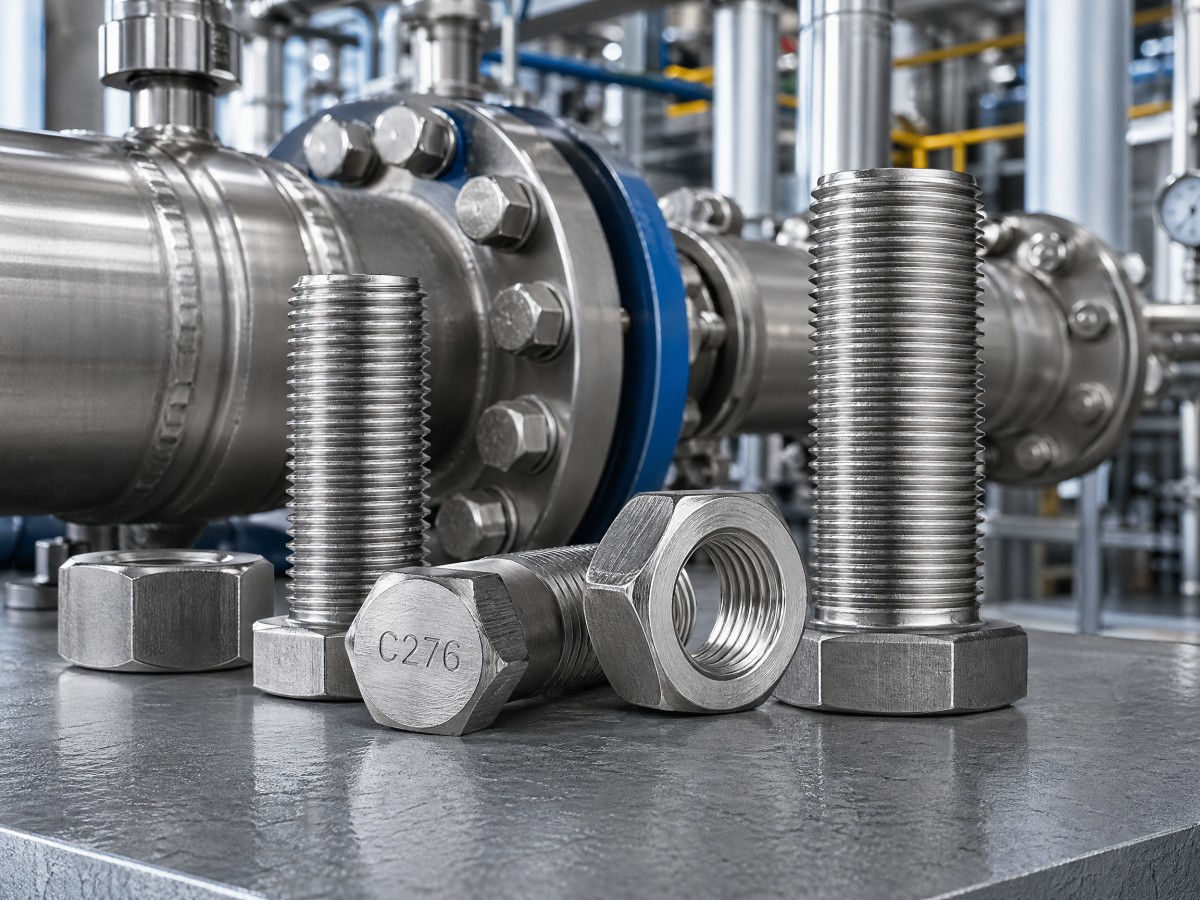
The term “Hastelloy C” is often used loosely in the market. However, different grades have different corrosion behavior. In many industrial applications, Hastelloy C276 bolts are selected because of their broad resistance to oxidizing and reducing media, chlorides, wet chlorine, and many aggressive chemical environments. But C-276 is not automatically the best choice for every system.
Before ordering, confirm:
- The exact alloy designation required by the design or end user
- Applicable ASTM, ASME, DIN, or project standards
- Whether equivalent materials are acceptable or prohibited
2. Match the fastener to the service environment
A correct material choice depends on where and how the fastener will work. Ask for the real operating data, including:
- Chemical media and concentration
- Operating and upset temperature
- Pressure and cyclic loading
- Exposure to crevice conditions, splash zones, or vapors
- Cleaning chemicals, shutdown wash procedures, and contamination risk
Even premium hastelloy screws can fail if the environment causes crevice corrosion, stress corrosion effects, or contamination during installation.
3. Check manufacturing quality, not just material name
Two fasteners with the same alloy label may perform very differently if manufacturing quality is inconsistent. Important checks include:
- Raw material source and lot traceability
- Mechanical properties and dimensional accuracy
- Thread precision and surface integrity
- Heat treatment control if applicable
- Cleanliness and packaging for corrosion-sensitive use
In chemical processing, offshore systems, flue gas desulfurization, and other severe environments, poor thread finish or mixed lots can create early failure points even when the alloy itself is correct.
4. Request full documentation
Reliable suppliers should be able to provide clear documentation, typically including:
- Material test certificates
- Chemical composition records
- Mechanical test data
- Dimensional inspection reports if required
- Traceability from raw material to finished fasteners
If documentation is vague, inconsistent, or incomplete, that is a serious warning sign for buyers and quality managers.
How do you decide between Hastelloy bolts, screws, and custom fasteners?
The right choice is not only about alloy grade. Geometry and manufacturing method also matter.
Hastelloy bolts are commonly used where high strength, clamp load, and repeatable assembly are required. Hastelloy screws may be used in smaller assemblies, equipment housings, instruments, or maintenance access points. Custom specialty fasteners may be necessary when standard products cannot meet dimensional, thermal, or corrosion demands.
Evaluate the following:
- Required preload and tightening method
- Thread engagement and galling risk
- Installation space and maintenance accessibility
- Need for custom head type, shank length, or non-standard dimensions
- Compatibility with nuts, washers, flanges, and connected materials
For demanding industrial projects, a standard catalog item is not always the safest option. In many cases, custom-engineered Hastelloy fasteners deliver better service life and lower lifecycle cost.
What are the most useful supplier evaluation questions?
When comparing suppliers, ask questions that reveal real technical capability rather than only trading ability.
- Do you specialize in specialty metals fasteners or mainly standard materials?
- Can you support both standard and customized fasteners?
- What Hastelloy grades do you regularly manufacture and export?
- Can you provide guidance based on the application environment?
- How do you control traceability, inspection, and lot segregation?
- Do you have experience with chemical, marine, energy, or high-corrosion industries?
- Can you supply project documents required by EPCs, end users, or third-party inspectors?
A qualified supplier should do more than quote a price. They should help reduce material risk, identify specification gaps, and support long-term reliability. This is especially important for engineering teams, project managers, and commercial decision-makers trying to balance technical performance with delivery and total cost.
Which warning signs suggest you may be buying the wrong product?
There are several red flags that buyers should not ignore:
- The quote lists only “Hastelloy C” with no exact grade
- The supplier cannot explain differences between C-series alloys
- Certification is promised later but not available during evaluation
- The price is far below normal market level for specialty metal fasteners
- Delivery promises seem unrealistic for a traceable, special-alloy order
- The supplier has limited knowledge of corrosion applications
- No discussion takes place about temperature, media, pressure, or installation conditions
These signs often indicate that the order is being treated like a commodity purchase instead of a critical engineered component purchase.
How can buyers reduce cost risk without compromising performance?
The lowest purchase price is not the lowest project cost. A failed fastener can cause leakage, shutdown, lost production, labor expense, safety exposure, and damage to adjacent equipment. For that reason, buyers should evaluate total cost of ownership rather than unit price alone.
Smart cost-control steps include:
- Specify the correct alloy only after reviewing service conditions
- Avoid over-specifying where a different grade is technically sufficient
- Standardize sizes and designs where possible across projects
- Use suppliers with proven specialty metals expertise to reduce rework and sourcing errors
- Require documentation up front to avoid acceptance disputes
- Consider custom fasteners when standard items create installation or service problems
For many industrial users, the best value comes from buying the right Hastelloy C fasteners once, with clear specifications and dependable supplier support.
Practical buying checklist for Hastelloy C fasteners
Before placing an order, confirm this checklist:
- Exact alloy grade is clearly specified
- Application environment has been reviewed
- Relevant standards and dimensions are defined
- Required form: bolts, screws, studs, nuts, washers, or custom parts is confirmed
- Mechanical and dimensional requirements are listed
- Material certificates and traceability are required in the PO
- Supplier capability in specialty metals fasteners is verified
- Packaging, marking, and inspection requirements are documented
This process helps procurement teams, engineers, and quality personnel make decisions with fewer assumptions and lower failure risk.
In summary, avoiding the wrong Hastelloy C fasteners starts with a simple principle: do not buy by alloy name alone. Verify the exact grade, service conditions, manufacturing quality, and supplier competence before ordering. Whether you need hastelloy fasteners, hastelloy bolts, hastelloy c276 bolts, or hastelloy screws, the right choice should be based on application reality, documentation, and long-term reliability. For critical projects, working with an experienced specialty metals fastener manufacturer can significantly reduce corrosion risk, procurement uncertainty, and lifecycle cost.
Request A Quote! We'll respond as soon as possible(within 12 hours)
Get a Quote