
Categories List
Recent Posts
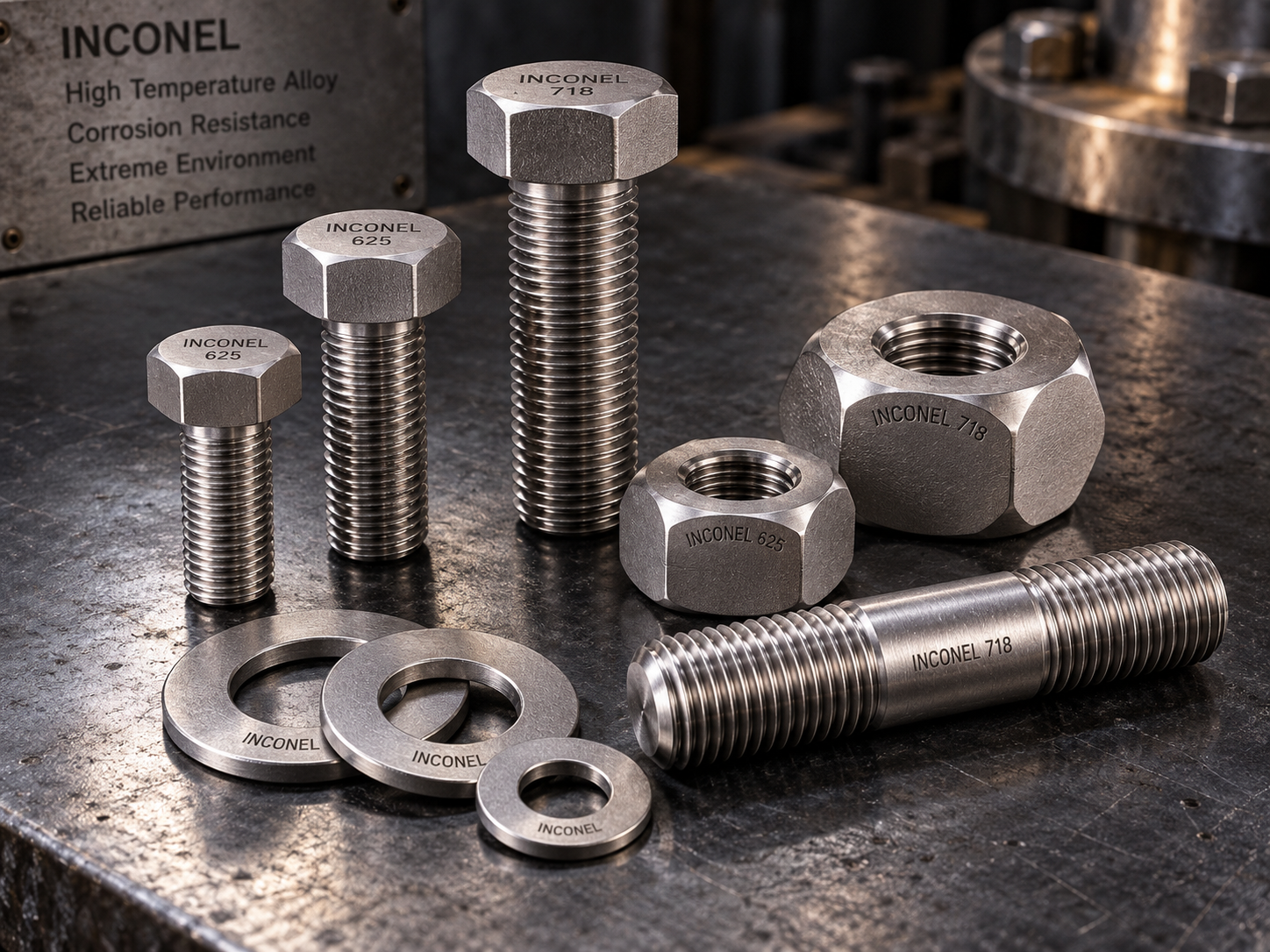
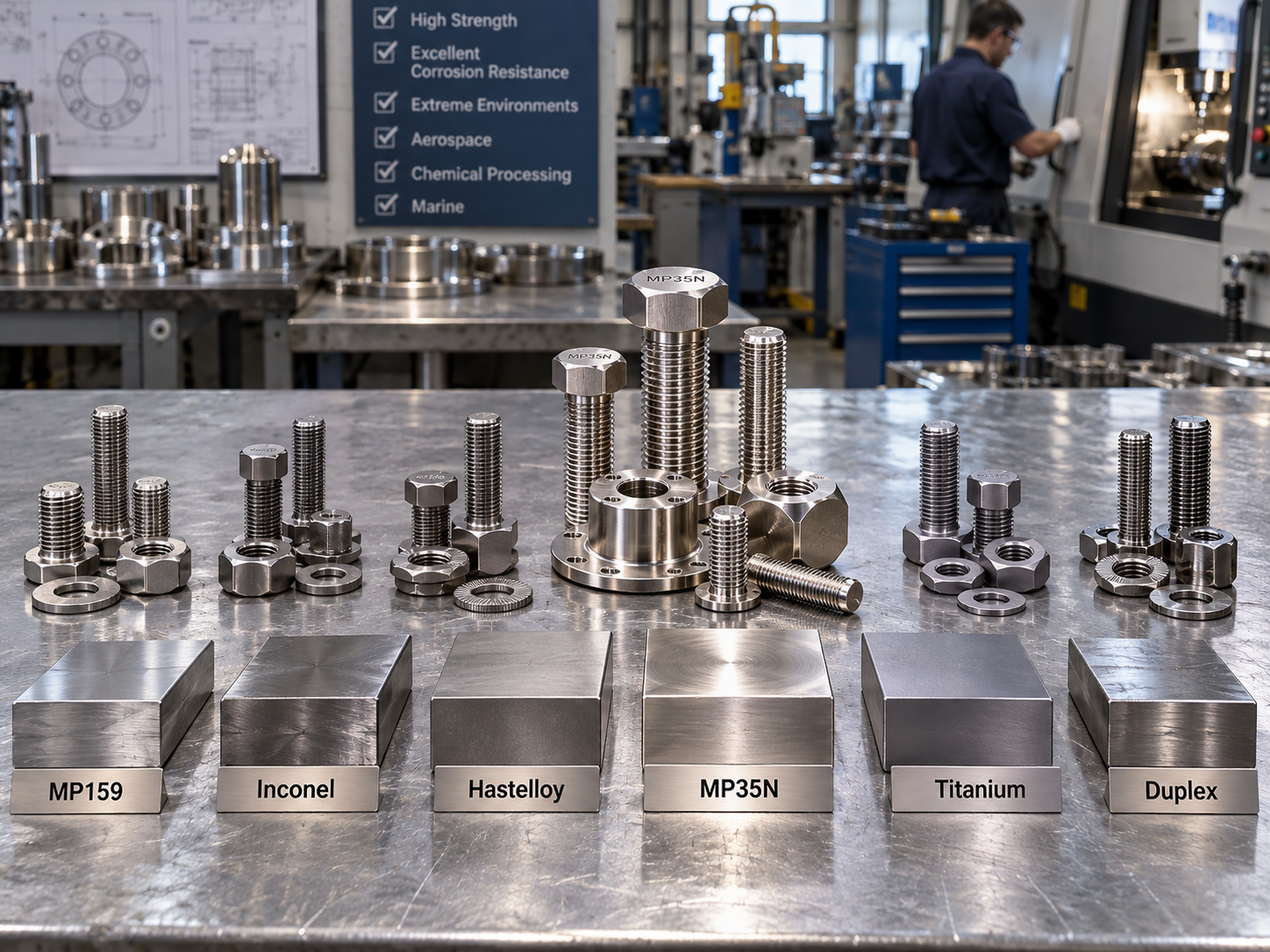
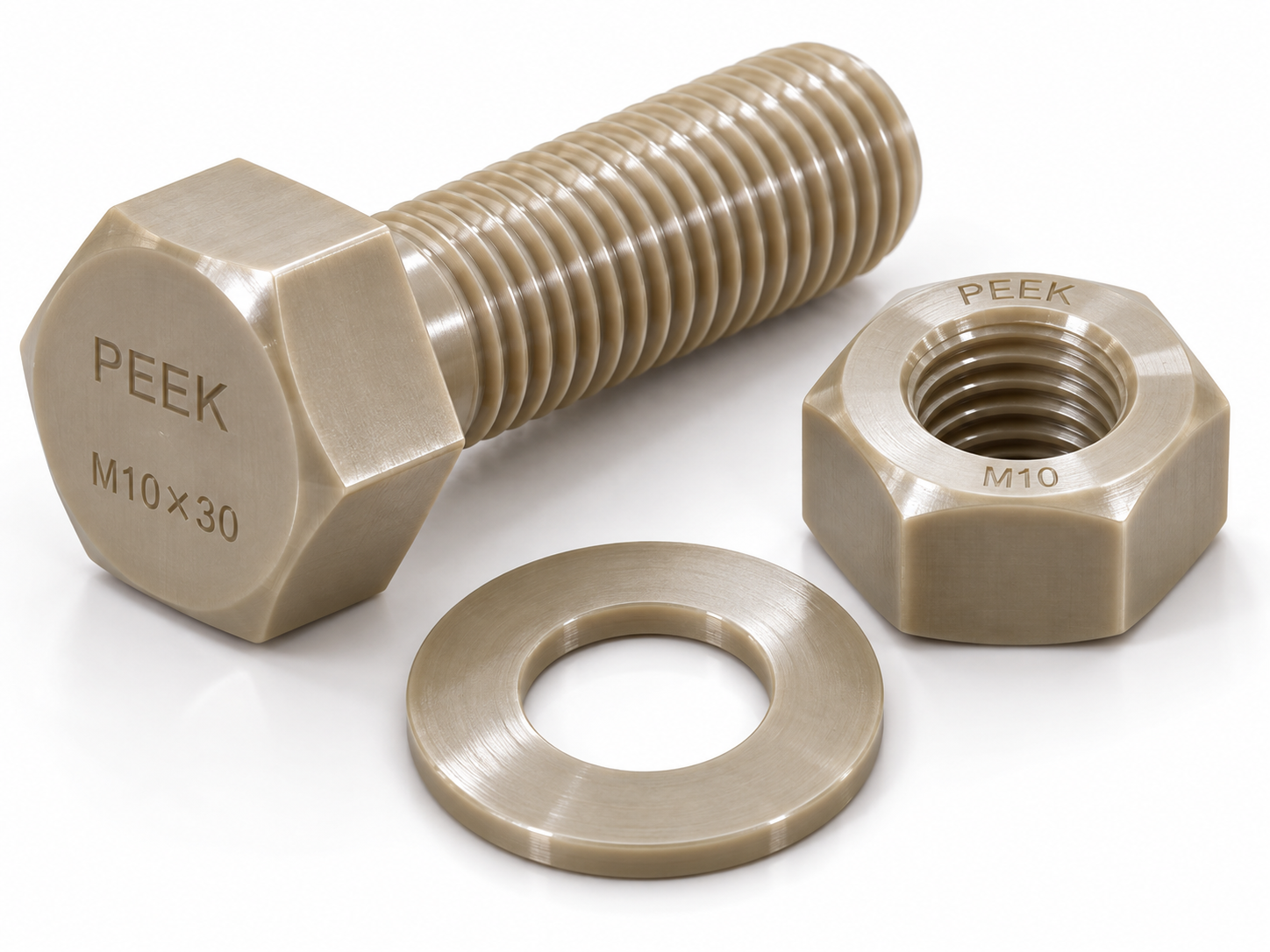
In the fast-paced world of metal fabrication, choosing between Monel bolts and titanium fasteners represents more than just a material preference—it’s a strategic decision balancing strength, corrosion resistance, and cost efficiency. RAYCHIN LIMITED, a global expert in specialty metal fasteners, explores the real performance tradeoffs that engineers and procurement teams often overlook. Whether you rely on Monel fasteners, Monel bolts, or precision Monel rivets, understanding the strengths behind each alloy helps ensure reliability and longevity in the most demanding industrial applications.
Understanding the Alloys Behind Industrial Fasteners
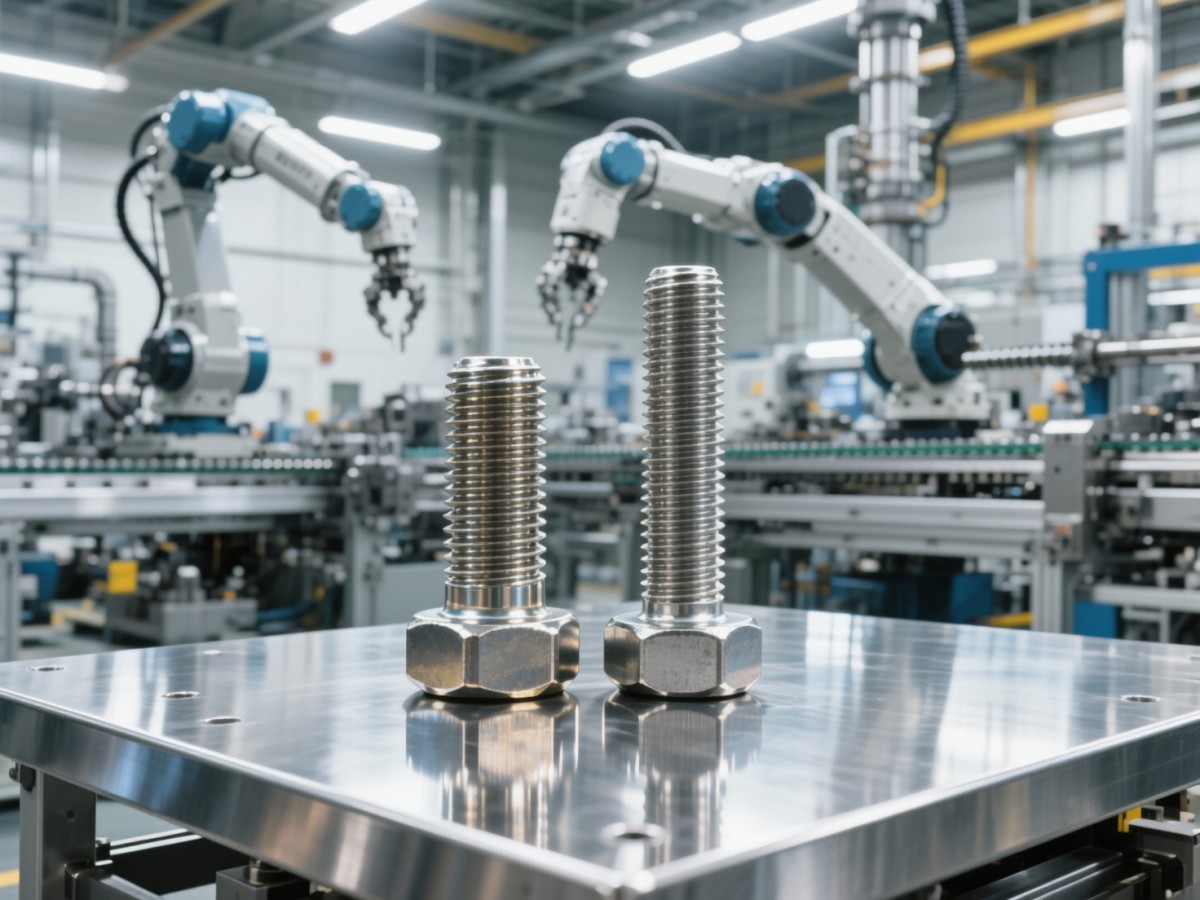
Both Monel and titanium alloys are central to specialized fastening applications in chemical plants, marine environments, aerospace systems, and metal fabrication equipment. Yet, each behaves differently under extreme stress and corrosion exposure. Selecting the correct material can affect lifetime performance by 20–40% depending on environmental factors.
Monel, typically a blend of 67% nickel and 30% copper with minor iron and manganese content, excels in resistivity against seawater and hydrofluoric acid. Titanium, particularly Grade 5 (Ti-6Al-4V), demonstrates exceptional strength-to-weight ratio—up to 900 MPa tensile strength—while maintaining biocompatibility and non-magnetic behavior. In fastener applications, these differences determine not only mechanical reliability but also maintenance cycles.
Industrial users select Monel bolts where chloride exposure or salt atmosphere is persistent, such as offshore rigs or desalination systems. Titanium bolts are favored in aerospace and high-pressure chemical facilities, where weight reduction or non-reactivity with process fluids is essential. The decision matrix often becomes a tradeoff between corrosion endurance and absolute mechanical capacity.
In the metalworking sector, both alloys operate within service temperature ranges between −200°C to +400°C, yet thermal expansion coefficients differ: Monel averages 13.9 µm/m·°C versus titanium’s 8.6 µm/m·°C. This affects bolted joint designs on composite structures where differential expansion may impact preload retention.
Comparison Analysis: Strength, Corrosion, and Economic Factors
For engineers and procurement specialists, the direct comparison of Monel versus titanium fasteners often centers on measurable engineering parameters. The table below summarizes representative data that guide technical evaluation during specification or tendering.
*Values represent relative averages for small-batch procurement under typical market conditions. This comparative table helps quantify material selection priorities during project budgeting phases lasting 2–4 weeks of evaluation.
The data shows titanium fasteners provide about 60% higher strength with roughly half the weight, yet Monel’s combination of ductility and superior chloride endurance makes it irreplaceable for continuous immersion applications. In environments with 3.5% NaCl solution or pH below 2, Monel bolts sustain performance over 10,000 hours of cyclic testing without pitting—statistics rarely achieved by titanium under reducing conditions.
Procurement managers often balance cost increases of around 70–120% for titanium against the longer maintenance intervals and lower lifetime corrosion risk. RAYCHIN LIMITED advises performing dual-alloy trials within 12-week pilot phases to precisely quantify torque retention and surface degradation trends under specific plant conditions.
Applications and Selection Scenarios in Metal Fabrication Equipment
Specialized fasteners are critical across metal fabrication and processing systems operating under cyclic thermal or chemical loads. The correct choice between Monel and titanium depends on application-specific stress profiles, assembly interfaces, and compliance requirements. Typical environments demand fasteners able to withstand continuous operation for 8,000–12,000 hours annually without loss of preload.
Titanium bolts find increasing use in automated forming equipment and robotic arms, where dynamic motion requires minimal mass inertia while retaining joint stiffness. For example, a 6-axis welding manipulator can reduce moving weight by 4–6 kg when substituting titanium for stainless or Monel components, improving acceleration response by up to 15%.
Monel fasteners, alternatively, are extensively applied in industrial furnaces and automated pickling systems. Their thermal stability ensures zero microstructural distortion after 1,000-hour exposure at 350°C. Additionally, their compatibility with nickel-based coatings improves performance in electrochemical environments like plating baths.
When determining which alloy suits a machine build, engineers should consider factors like vibration amplitude (0.5–2.0 mm), torque coefficient range (0.15–0.21), and required inspection intervals (typically every 6–12 months). RAYCHIN LIMITED’s engineering team provides technical consultancy sessions for fastener selection within 2–3 business days upon submission of torque and load diagrams.
Procurement and Quality Control Perspectives
From procurement to maintenance, the supply strategy for specialty fasteners involves three main checkpoints: specification validation, vendor qualification, and post-installation audit. Each stage typically spans 2–5 weeks depending on project volume and testing complexity. Quality assurance teams must verify mechanical properties and traceability under standards such as ASTM F468 for non-ferrous bolts or ISO 3506 equivalents.
Buyers evaluating Monel or titanium fasteners should structure technical tendering files around quantifiable parameters. A traceability matrix showing lot certification, tensile testing range (min 500–950 MPa), and surface finish grade (Ra ≤1.6 µm) ensures consistent evaluation. RAYCHIN LIMITED’s internal inspection includes 100% visual verification and random destructive sampling at 1 lot per 1,000 units, maintaining performance reliability above 99.5% compliance rate.
Consistent documentation through analytical tests and endurance trials allows companies to align procurement risk with actual field data. Many global firms now run comparative case studies demonstrating that RAYCHIN’s titanium fasteners extend maintenance intervals from 18 months to as long as 36 months in neutral pH processes.
Such quality management frameworks also guide distributors and aftersales teams in handling replacements or batch certification renewals effectively. It turns purchasing into a long-term engineering investment rather than a one-time transaction.
FAQ: Clarifying Common Questions About Monel and Titanium Fasteners
How do temperature limits affect strength retention?
Titanium retains more than 80% yield strength up to roughly 350°C, whereas Monel maintains strength near 450°C. For continuous service above 400°C, Monel may offer better creep resistance, while titanium excels in lower-temperature, high-stress cycles typical of aerospace jigs or machine arms.
What are the lead times for specialty metal fasteners?
Depending on order volume, lead times vary between 3–6 weeks: 3–4 weeks for Monel and 5–6 weeks for titanium due to raw material processing and solution annealing schedules. RAYCHIN LIMITED’s global logistics hub allows synchronized supply in over 20 regions, minimizing downtime for complex fabrication projects.
Are Monel and titanium interchangeable in nuts and bolts assemblies?
Not always. Direct pairing can cause galling or bimetallic corrosion, especially when titanium bolts thread into Monel nuts in humid conditions. Recommended practice includes PTFE-coating or using matching alloys. Our experts suggest joint compatibility verification during the early CAD design stage—typically a 2–3 day review window once component drawings are supplied.
What inspection should maintenance teams perform annually?
Inspection teams should measure torque loss (less than 15%), check for pitting depth below 0.1 mm, and confirm coating continuity along bolt threads. Ultrasonic or dye-penetrant testing every 12 months provides reliable structural health data and can extend operating certification to 24 months under ISO 4226 maintenance guidelines.
Why Partner with RAYCHIN LIMITED
RAYCHIN LIMITED delivers integrated fastener solutions based on decades of expertise in specialty metals and complex assembly environments. Our engineering service covers full-cycle support—from alloy selection, product design, to international certification documentation. Each project is guided by a technical team that reviews application stresses, working temperature range, and joint corrosion risk.
We assist customers in defining optimal fastener parameters such as diameter (M3–M48), length (10–300 mm), and thread class (6g/6H tolerance) to ensure compliance with ASTM, ASME, and ISO standards. Custom batch traceability and lot-specific mechanical testing can be completed within 7–10 days after chemical verification, ensuring transparent quality assurance for procurement officers and QA inspectors.
Whether you are evaluating Monel bolts for saline machinery, titanium studs for weight-sensitive assemblies, or mixed-alloy connections for chemical reactors, RAYCHIN provides precise technical recommendations backed by laboratory-grade validation. Our advisory process helps enterprises cut design iteration time by 25–40% across R&D and procurement departments.
Contact our experts to discuss detailed material parameters, receive tailored fastener selection reports, and plan joint performance testing aligned with your project deadlines. From specification drafting to material certification, RAYCHIN LIMITED stands as your engineering partner in Specialty Metal Fasteners—ensuring strength, integrity, and reliability in every connection.
Request A Quote! We'll respond as soon as possible(within 12 hours)
Get a Quote