
Categories List
Recent Posts
 Hastelloy C276 Fasteners: Bolts, Nuts, Screws, Studs & Washers for the World's Most Aggressive Corrosive Environments
 Inconel Fasteners: Bolts, Nuts, Washers, Studs – Complete Technical Guide | RAYCHIN LIMITED
 MP35N vs Inconel, Titanium, C276, Complete Material Comparison Guide for Fasteners | RAYCHIN LIMITED
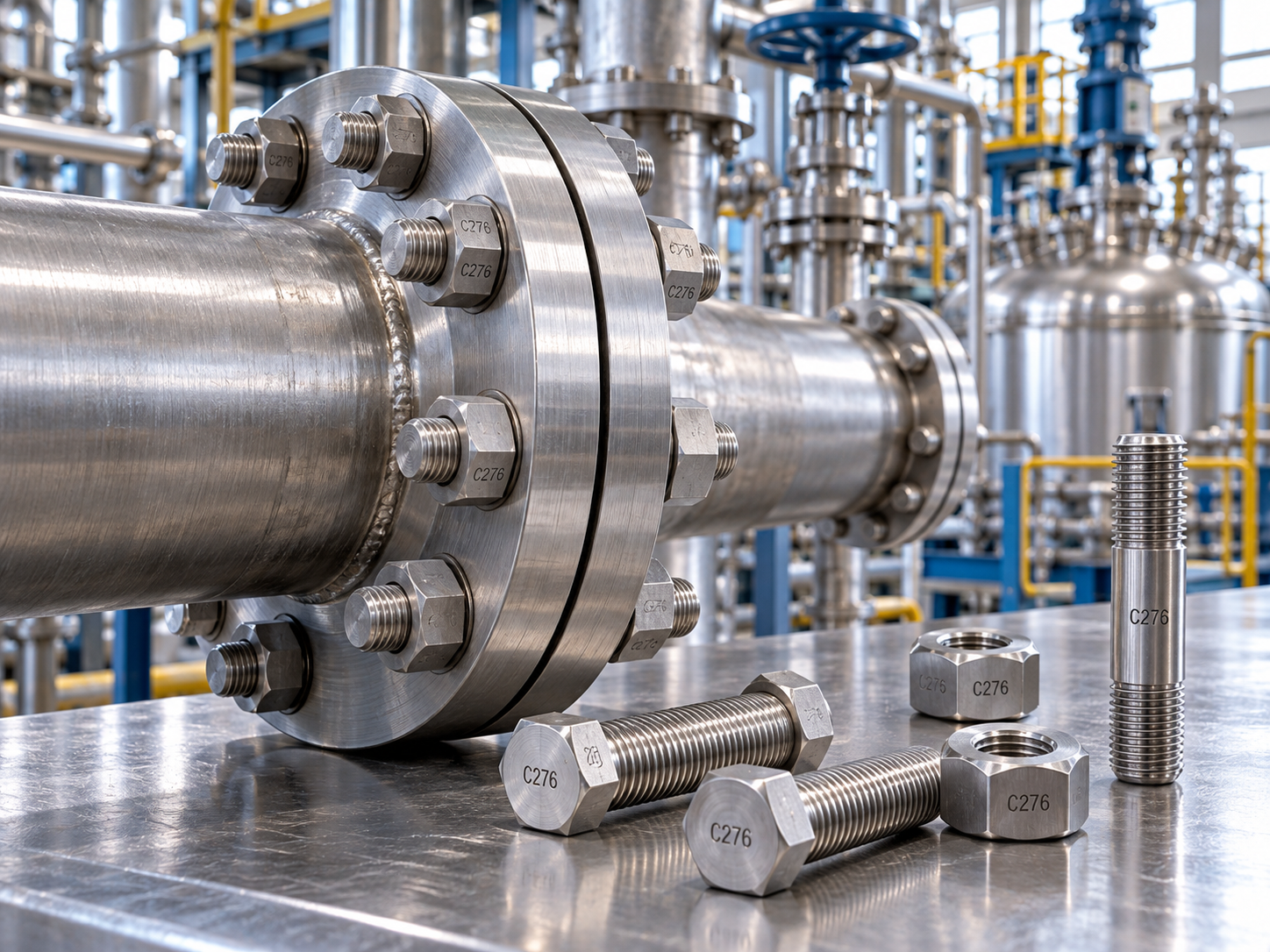
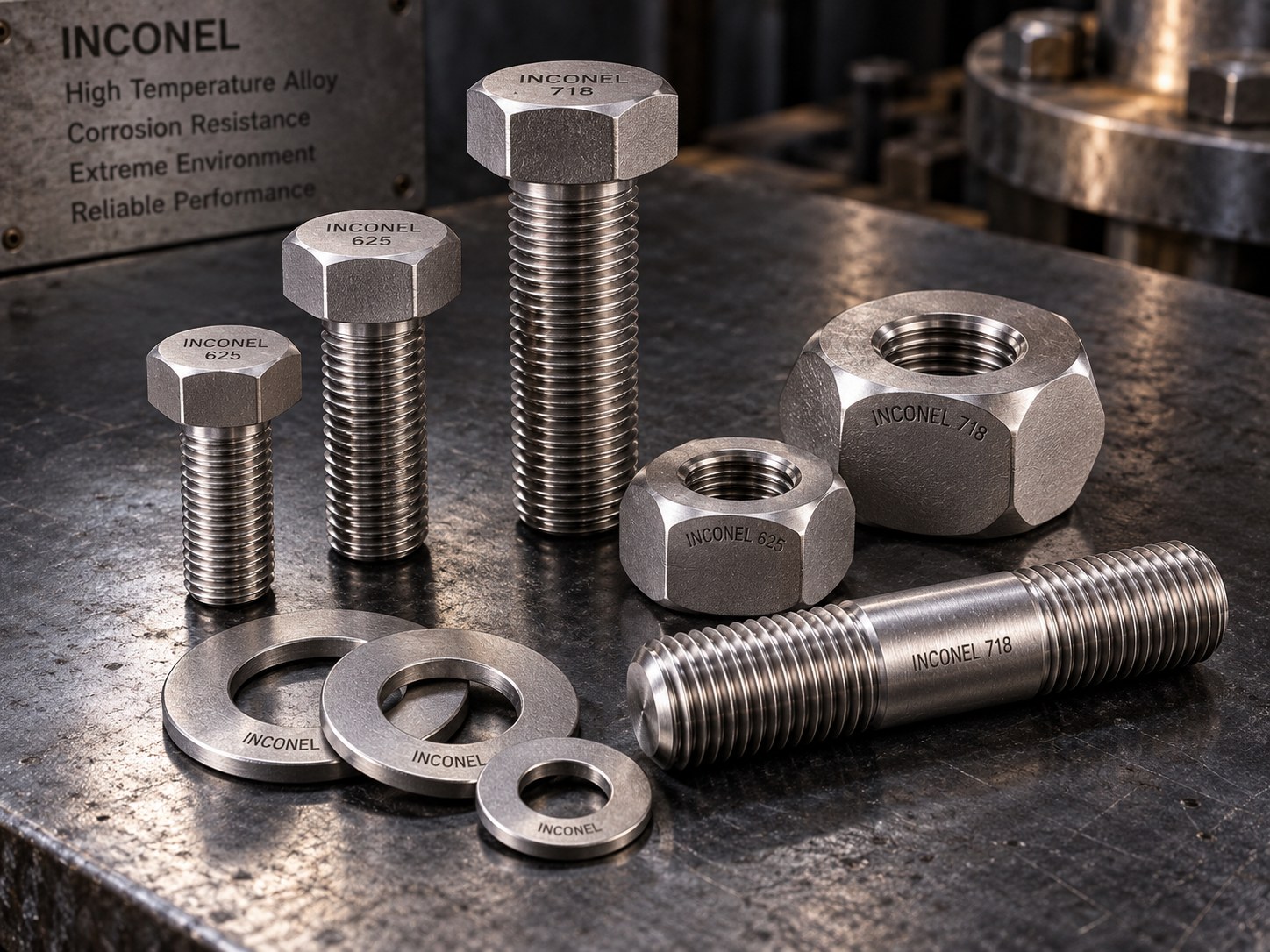
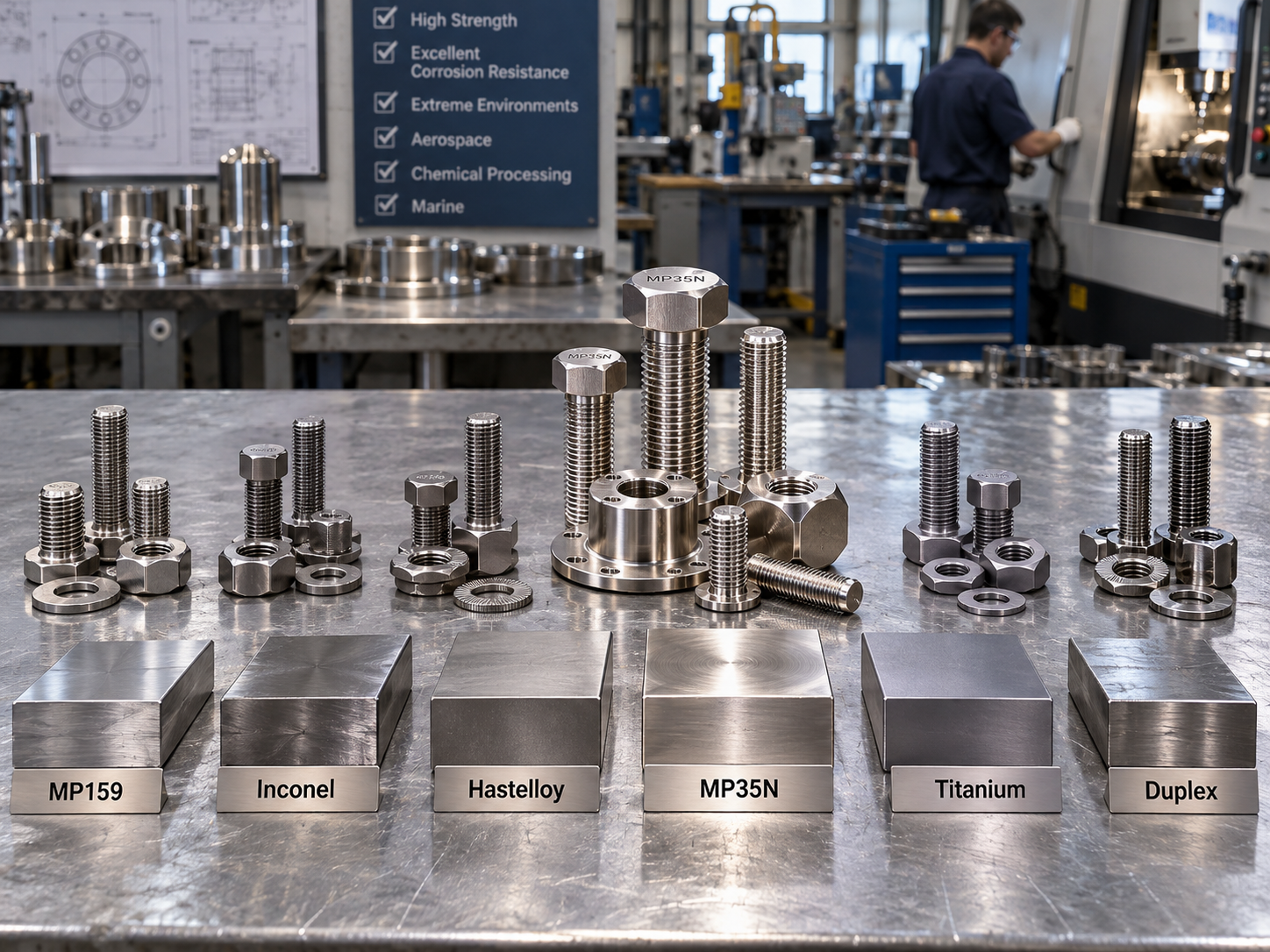
In 2026, Inconel bolts price will be shaped by alloy grade, raw material volatility, machining complexity, certification demands, and global supply conditions. Whether you are sourcing inconel 718 bolts, inconel 625 bolts, inconel screws, inconel nuts, or inconel threaded rod, understanding these cost drivers helps buyers compare quotes, evaluate inconel bolts suppliers, and choose reliable inconel fasteners for high-performance applications.
What Buyers Really Need to Know About Inconel Bolts Price in 2026
If you are researching what affects Inconel bolts price in 2026, the short answer is this: price differences are rarely caused by supplier margin alone. In most cases, they come from the alloy itself, processing difficulty, documentation requirements, and how tightly the product must perform in extreme service conditions.
For procurement teams, engineers, project managers, and quality personnel, the real question is not only “Why are Inconel fasteners expensive?” but also “Which price differences are justified, and which are avoidable?” That is where cost evaluation becomes practical.
In high-performance sectors, choosing lower-cost fasteners without understanding material and manufacturing differences can create much larger downstream costs, including installation failure, corrosion issues, unplanned maintenance, delayed approvals, and replacement risk. In 2026, this gap between quoted price and true ownership cost will remain one of the most important buying considerations.
Which Material Factors Will Have the Biggest Impact on Price?
The first and most visible driver is the alloy grade. Not all Inconel fasteners are priced the same, because not all grades are designed for the same combination of temperature resistance, corrosion resistance, strength, and fabrication behavior.
Inconel 718 bolts are often selected for applications requiring very high strength, especially under elevated temperatures. Their pricing is influenced by precipitation-hardening chemistry, controlled heat treatment, and stricter processing requirements.
Inconel 625 bolts are often chosen for corrosion resistance in marine, chemical, and aggressive process environments. Depending on the application, they may involve different cost structures than 718 because their performance priority is not exactly the same.
Other material-related price variables include:
- Nickel content and alloying elements: market prices of nickel, chromium, molybdenum, niobium, and other elements can significantly affect final fastener cost.
- Mill source and melting route: premium melted material or stricter raw material traceability usually raises price.
- Bar stock quality and availability: if the needed diameter or form is not commonly stocked, lead time and cost often increase.
- Specification compliance: aerospace, energy, petrochemical, and nuclear-related requirements may call for tighter chemistry and testing control.
For buyers comparing quotations, one practical step is to confirm whether suppliers are quoting the same grade, same condition, and same standard. A lower quote may simply reflect a different material basis.
How Do Manufacturing Complexity and Product Type Change Cost?
Product geometry matters more than many first-time buyers expect. Standard bolts, non-standard screws, heavy hex nuts, studs, and Inconel threaded rod do not carry the same production burden.
Several manufacturing variables can push price upward:
- Machining difficulty: Inconel is well known as a difficult-to-machine alloy. Tool wear, slower cutting speeds, and higher scrap risk all add cost.
- Thread type and precision: fine threads, special threads, tighter tolerances, and longer thread engagement increase production time.
- Part size: large-diameter or extra-long bolts often require special stock, additional machining, or custom setup.
- Heat treatment: some grades need controlled thermal processing to achieve required mechanical properties.
- Surface finishing: cleaning, passivation, marking, and special surface requirements can increase unit price.
- Custom versus standard: standard Inconel screws or nuts may benefit from better production efficiency than one-off custom parts.
In 2026, buyers should expect wider pricing gaps between standard and custom Inconel fasteners than in many common stainless fastener categories. The reason is simple: difficult material plus difficult geometry multiplies processing cost.
Why Will Certification, Testing, and Traceability Matter So Much?
For many industrial buyers, the biggest hidden price factor is not the metal itself but the quality assurance package behind it. In sectors such as oil and gas, marine, chemical processing, power generation, and high-temperature equipment, documentation can be critical.
Price may increase when the order includes:
- EN 10204 3.1 or 3.2 certification
- Full raw material traceability
- PMI or third-party inspection
- Mechanical property testing
- Corrosion-related test requirements
- Lot-level control and marking
- Project-specific compliance documents
For technical evaluators and quality managers, these items are often non-negotiable. For commercial buyers, however, it is important to confirm whether every certificate being requested is truly necessary for the application. Over-specification can raise cost without adding proportional value.
A reliable Inconel bolts supplier should be able to explain exactly what is included in the quote, what standards are being followed, and how documentation affects final price.
How Will Supply Chain Conditions Influence Inconel Fasteners Cost in 2026?
Even when design and specifications remain unchanged, market conditions can still move pricing. In 2026, supply-side factors are likely to remain important because specialty alloy fasteners depend on upstream raw material markets and specialized manufacturing capacity.
Key supply chain influences include:
- Nickel and alloy surcharges: sudden shifts in raw material markets can quickly affect Inconel pricing.
- Global energy and transport costs: melting, forging, machining, and international shipping all depend on broader industrial cost trends.
- Lead time pressure: urgent orders often cost more due to scheduling disruption, overtime, expedited material allocation, or premium freight.
- Regional manufacturing concentration: if a specific fastener type depends on limited qualified producers, pricing flexibility decreases.
- Inventory versus made-to-order status: stocked items tend to be more predictable in cost than custom production runs.
This means buyers should not evaluate Inconel bolts price only as a static number. Timing, order planning, and supply continuity can materially affect the final landed cost.
What Should Buyers Compare When Evaluating Supplier Quotes?
When multiple quotations look different, the safest approach is to compare them line by line instead of focusing only on unit price. This is especially important for Inconel 718 bolts, Inconel 625 bolts, and custom-engineered fasteners where hidden differences can be substantial.
A useful comparison checklist includes:
- Exact alloy grade and material condition
- Applicable standards and dimensional tolerances
- Mechanical property requirements
- Certification and traceability level
- Manufacturing route and finishing details
- Inspection scope
- Packaging, marking, and shipment terms
- Lead time and production capacity
- Minimum order quantity
- After-sales technical support
For procurement and business evaluation teams, the most reliable supplier is not always the one with the lowest initial quote, but the one that reduces technical ambiguity, approval risk, and delivery uncertainty.
Companies such as RAYCHIN LIMITED, with experience in standard and customized fasteners made from high-performance specialty metals, can add value by helping customers match material choice to application needs rather than pushing a one-size-fits-all quotation. This is particularly useful when buyers need guidance on balancing performance, compliance, and budget.
How Can You Control Cost Without Compromising Performance?
For many users and decision-makers, the goal is not simply to buy cheaper Inconel fasteners, but to buy more intelligently. Cost control is possible when specifications and sourcing strategy are aligned with actual service conditions.
Here are practical ways to improve purchasing efficiency:
- Select the right grade, not the highest grade by default: overengineering can add unnecessary cost.
- Standardize dimensions where possible: standard products are usually easier and cheaper to manufacture.
- Plan procurement earlier: avoiding rush orders helps reduce premium charges.
- Bundle related items: purchasing bolts, nuts, washers, screws, and threaded rod together may improve production efficiency and logistics.
- Clarify certification needs: request what the project truly requires, not what may be habitually listed.
- Work with technically capable suppliers: early input can prevent redesign, mismatch, or requalification costs.
This approach is especially valuable for engineering projects where installation reliability and lifecycle cost matter more than the lowest purchase price.
Final Takeaway: What Will Really Affect Inconel Bolts Price in 2026?
In 2026, Inconel bolts price will be driven by a combination of alloy composition, production difficulty, quality documentation, order complexity, and market supply conditions. Buyers looking at Inconel 718 bolts, Inconel 625 bolts, Inconel screws, Inconel nuts, or Inconel threaded rod should evaluate quotes based on total technical scope, not just unit cost.
The most important buying insight is this: a higher price may be justified when it reflects better material control, stronger traceability, tighter manufacturing, and lower application risk. On the other hand, unnecessary customization, over-specification, or poor quote comparison can inflate cost without real benefit.
For organizations sourcing high-performance specialty metal fasteners, the smartest decision is usually made when engineering, procurement, quality, and commercial teams evaluate price together. That is how buyers turn cost data into a confident sourcing decision.
Request A Quote! We'll respond as soon as possible(within 12 hours)
Get a Quote