
Categories List
Recent Posts
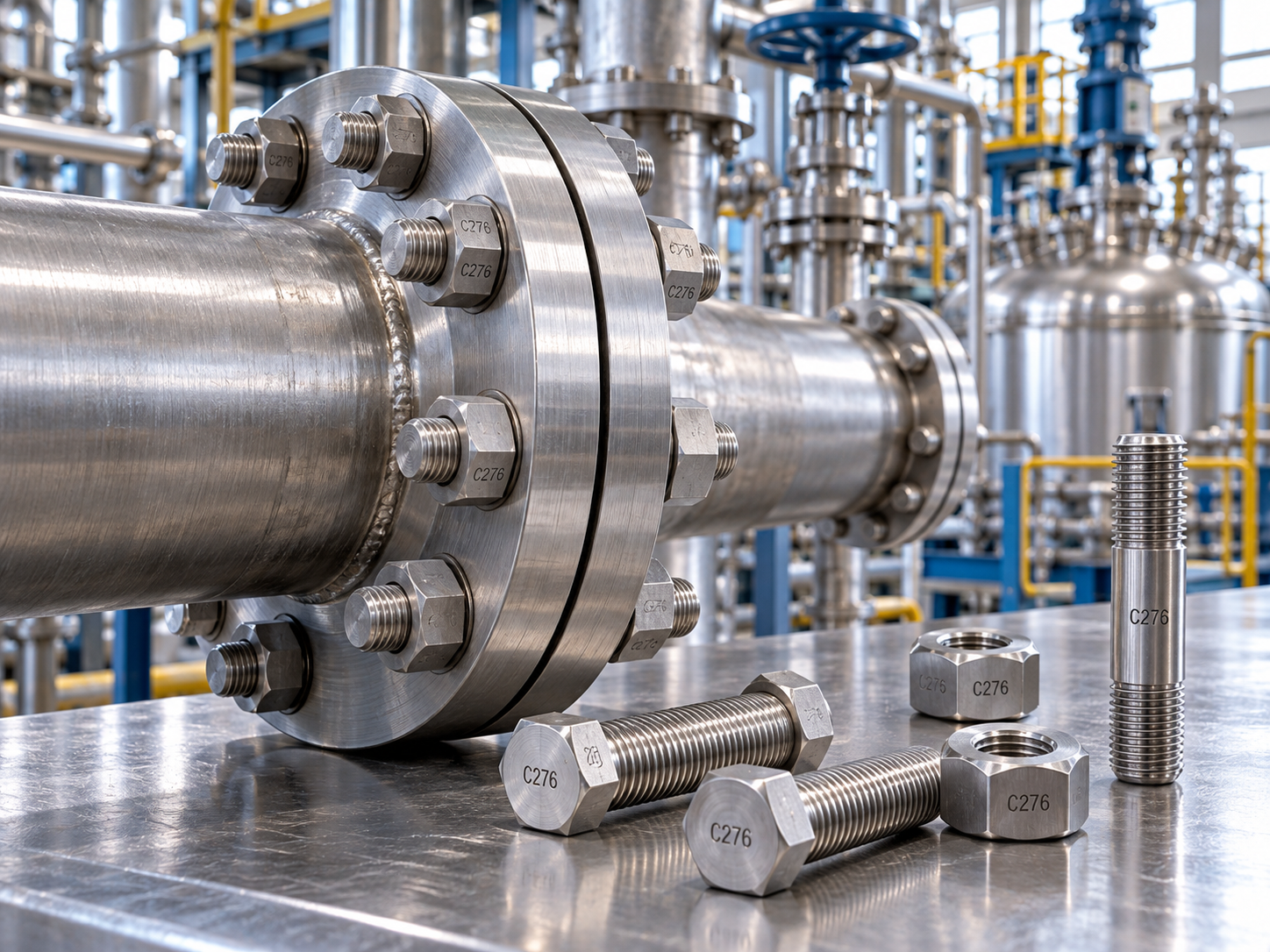
 Hastelloy C276 Fasteners: Bolts, Nuts, Screws, Studs & Washers for the World's Most Aggressive Corrosive Environments
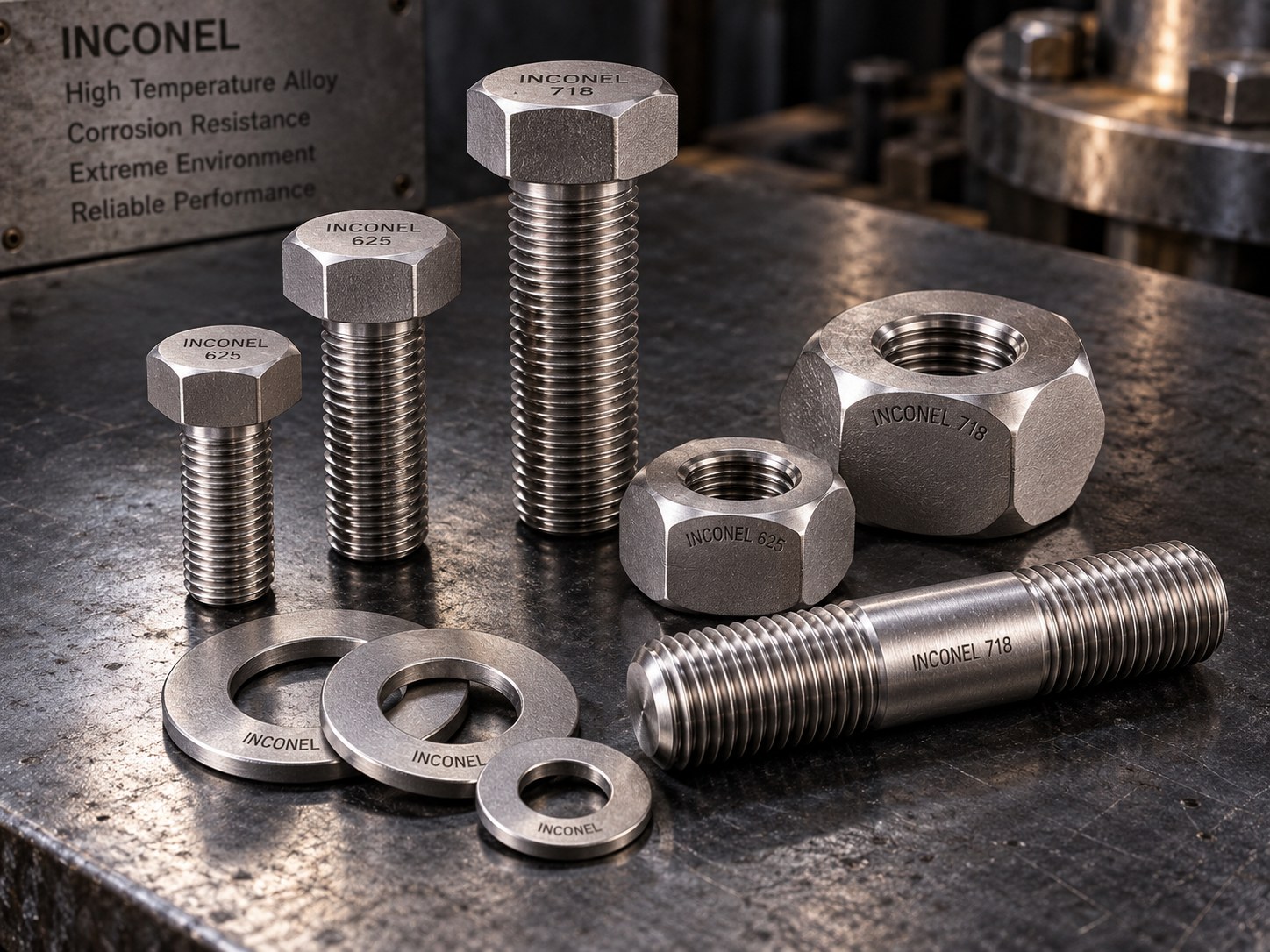
 Inconel Fasteners: Bolts, Nuts, Washers, Studs – Complete Technical Guide | RAYCHIN LIMITED
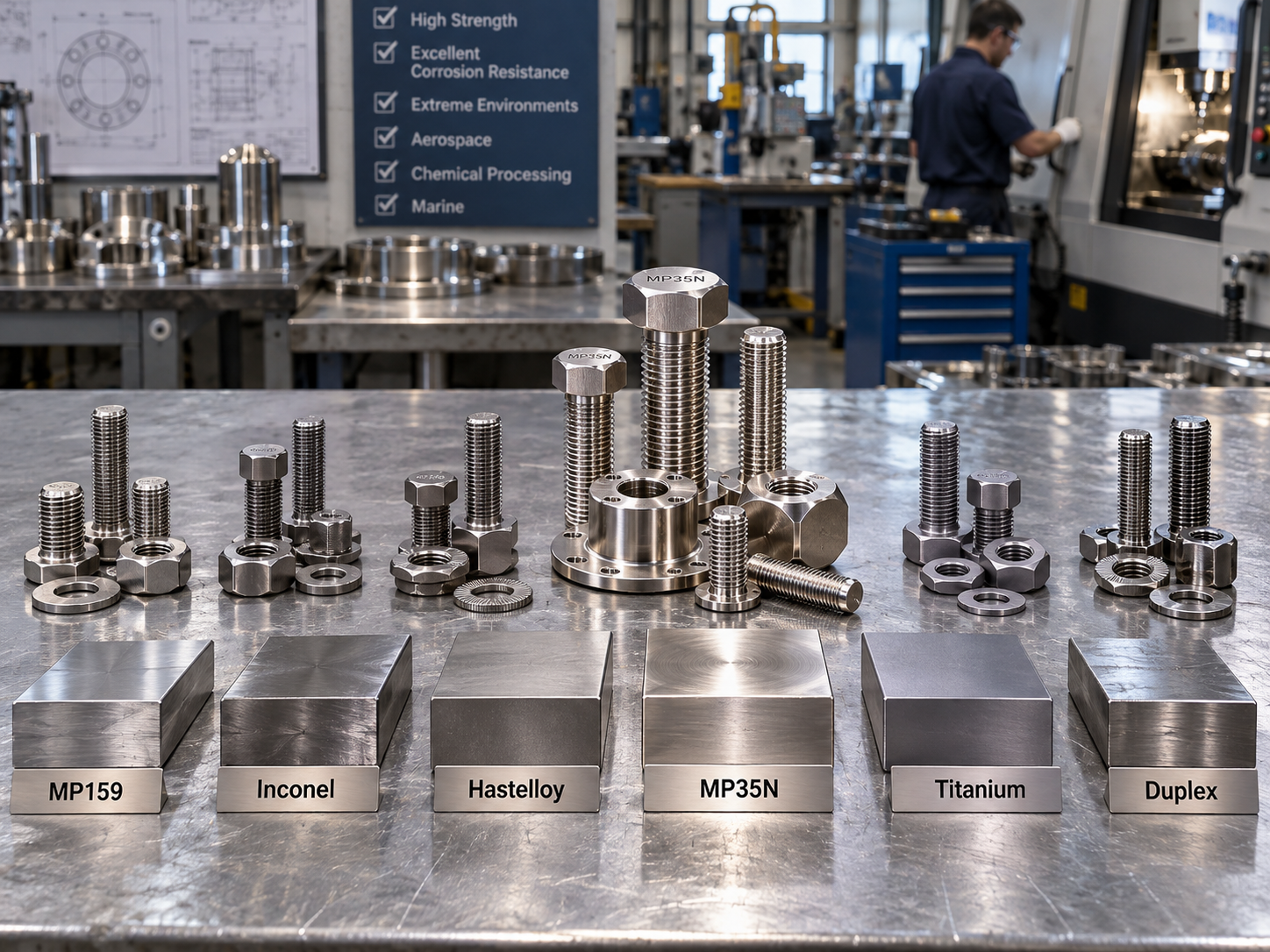
 MP35N vs Inconel, Titanium, C276, Complete Material Comparison Guide for Fasteners | RAYCHIN LIMITED
Alloy 926 (6Mo) Fasteners: Complete Technical Data – Tensile, PREN, Corrosion, Torque, Heat Treatment & More
For engineers dealing with warm seawater, chemical process streams, and bleaching solutions, Alloy 926—a 6Mo super austenitic stainless steel—is often the decisive upgrade from 316L or duplex stainless steels. Understanding its full mechanical profile, exceptional corrosion thresholds, and assembly behavior is essential for reliable joint design. RAYCHIN LIMITED, a specialist global manufacturer of high‑performance alloy fasteners with decades of experience, provides this detailed technical reference covering Alloy 926 tensile strength, yield strength, hardness, PREN, critical pitting temperature, chloride and crevice corrosion resistance, stress corrosion cracking resistance, torque values, machinability, and heat treatment. Our data is drawn directly from ASTM A479 / ASTM B649 and our own production testing, giving you the confidence to design robust, maintenance‑minimized bolted connections.
1. Mechanical Properties at Room Temperature
In the solution‑annealed condition per ASTM A479, the minimum mechanical properties of Alloy 926 tensile strength and Alloy 926 yield strength are as follows. The alloy combines good structural strength with outstanding ductility, which is critical for withstanding thermal cycling and avoiding brittle fracture in thick sections.
Alloy 926 hardness is moderate, ensuring that the fasteners are not brittle and can be machined effectively. The alloy cannot be hardened by heat treatment; its strength relies on solid‑solution chemistry and nitrogen alloying.
2. The Corrosion Fortress: PREN, CPT, Crevice, SCC, and Chloride Resistance
The primary reason for selecting Alloy 926 over standard stainless steels is its extreme resistance to localized corrosion. Alloy 926 PREN (Pitting Resistance Equivalent Number), calculated using %Cr + 3.3×(%Mo + 0.5×%W) + 16×%N, falls in the range of 43–47. This is nearly double the PREN of 316L (~24) and surpasses duplex 2205 (~35), making it suitable for warm, stagnant seawater and acidic brine.
- Alloy 926 critical pitting temperature (CPT) in 6% FeCl₃ per ASTM G48 is typically above 60°C (140°F), and often exceeds 80°C (176°F). This provides a substantial safety margin over 316L, which pits at ambient temperature in the same test.
- Alloy 926 crevice corrosion resistance is equally outstanding. In ASTM G48 Method D, the critical crevice temperature (CCT) is typically above 40°C (104°F). This makes the alloy reliable in gasketed joints exposed to warm seawater, a common failure point for lower‑grade stainless steels.
- Alloy 926 stress corrosion cracking resistance in chloride environments is excellent. In boiling magnesium chloride tests, Alloy 926 remains uncracked for extended periods, a stark contrast to 316L and even duplex grades which fail rapidly under the same conditions.
- Alloy 926 chloride corrosion resistance is its defining feature. With 6% molybdenum and a high nitrogen content, the alloy passivates aggressively in oxidizing chloride environments, including bleach, chlorinated seawater, and flue gas desulfurization slurries.
3. Torque Values and Tightening Recommendations
Achieving the correct preload without galling requires accurate Alloy 926 torque values. The alloy's high ductility and work‑hardening tendency mean that lubrication is essential. The Alloy 926 bolt tightening torque table below is based on 50% of the minimum yield strength (148 MPa effective stress) with a lubricated nut factor K = 0.18, which is typical for this alloy with a nickel‑based anti‑seize compound.
Always use clean, lubricated threads, a calibrated torque wrench, and a slow, steady application speed. RAYCHIN can provide customized torque charts for your specific geometry, surface finish, and lubrication condition upon request.
4. Galling Resistance and Assembly Best Practices
Alloy 926 galling resistance is moderate, similar to other austenitic stainless steels. The alloy can gall under high contact stress if assembled dry or at excessive speed. RAYCHIN prevents galling through several proven measures:
- Rolled threads rather than cut threads; the smoother surface finish reduces adhesion.
- Pre‑applied high‑temperature anti‑seize—nickel‑based or MoS₂ lubricants ensure a consistent friction coefficient.
- Dissimilar nut pairing—using a Nitronic 60 or Alloy 625 nut on an Alloy 926 bolt disrupts the metal‑to‑metal adhesion path.
- Controlled assembly speed—hydraulic or electric torque wrenches with continuous monitoring; never use impact tools.
5. Machining Alloy 926 Fasteners
Machining Alloy 926 fasteners requires techniques appropriate for super austenitic stainless steels. The alloy work‑hardens rapidly, generates high cutting temperatures, and produces tough chips. RAYCHIN's experienced machinists employ:
- Rigid CNC turning centers with positive‑rake carbide inserts (PVD‑coated).
- Moderate cutting speeds (15–25 m/min for threading) and aggressive feed rates to cut below the work‑hardened surface layer.
- High‑pressure, chlorinated cutting oil for effective cooling and chip evacuation.
- Thread rolling after machining to improve fatigue life and galling resistance while minimizing stress concentrations.
6. Heat Treatment: Solution Annealing
The Alloy 926 heat treatment consists of solution annealing at 1150–1200°C (2100–2190°F), followed by rapid water quenching. This dissolves any precipitated phases and ensures a fully austenitic structure with maximum corrosion resistance. No subsequent aging is performed, as Alloy 926 is solid‑solution strengthened and does not respond to precipitation hardening. RAYCHIN's solution annealing is performed in‑house with digitally controlled furnaces; full temperature charts are provided with every certification package.
7. Maximum Service Temperature
Alloy 926 maximum temperature use for continuous service in oxidizing atmospheres is approximately 540°C (1000°F). Above this temperature, prolonged exposure may lead to sigma phase embrittlement. The alloy is not designed for high‑temperature strength applications; it is selected for its exceptional corrosion resistance in chloride‑rich environments at low to moderate temperatures.
Contact our engineering team with your specifications and operating conditions. We'll provide application‑specific data and a competitive quote within 24 hours.
✉️ sales@ray-chin.com? www.ray-chin.com | Alloy 926 Technical Authority · UNS N08926 · 6Mo Expert
Request A Quote! We'll respond as soon as possible(within 12 hours)
Get a Quote