
Categories List
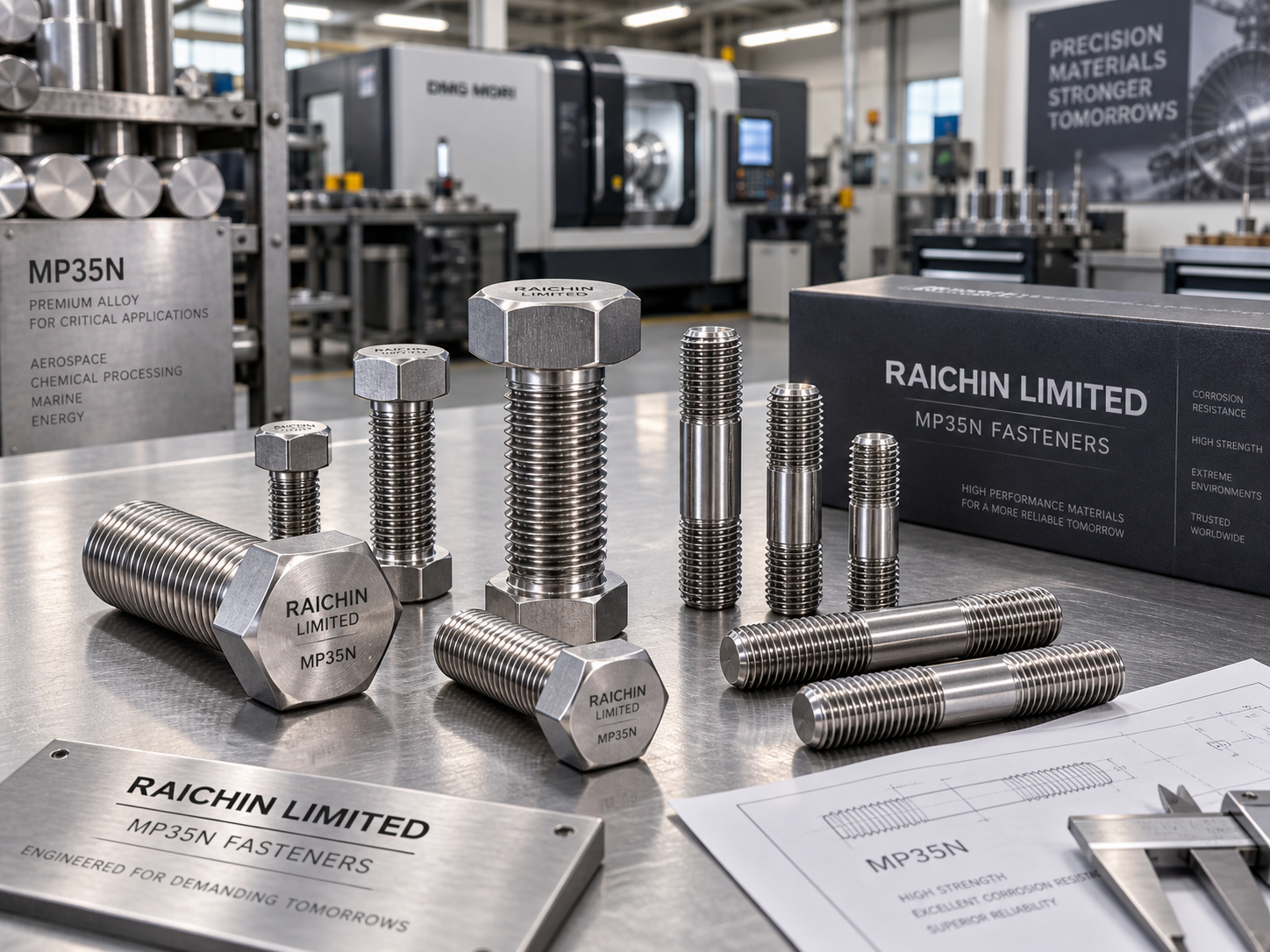
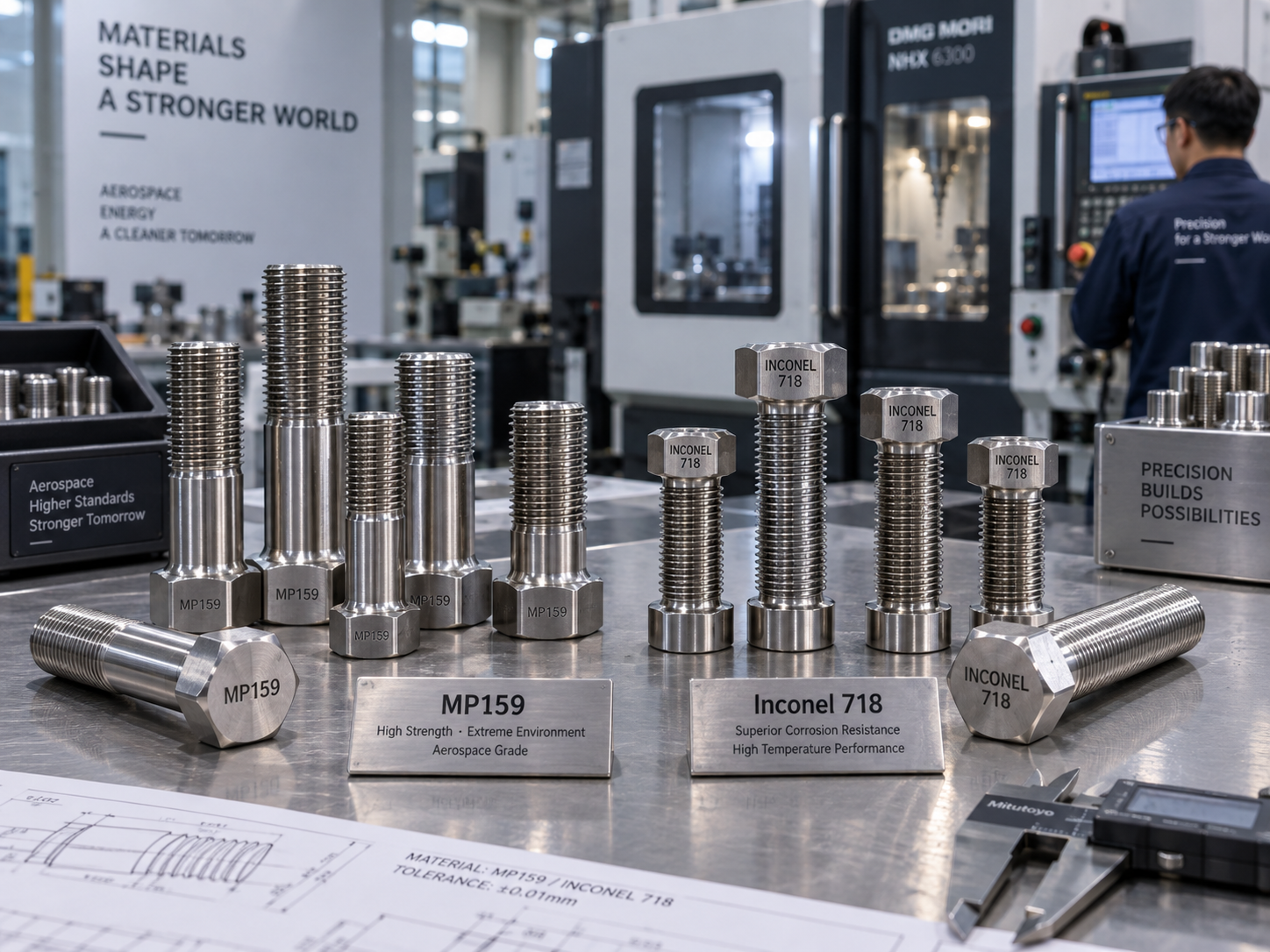
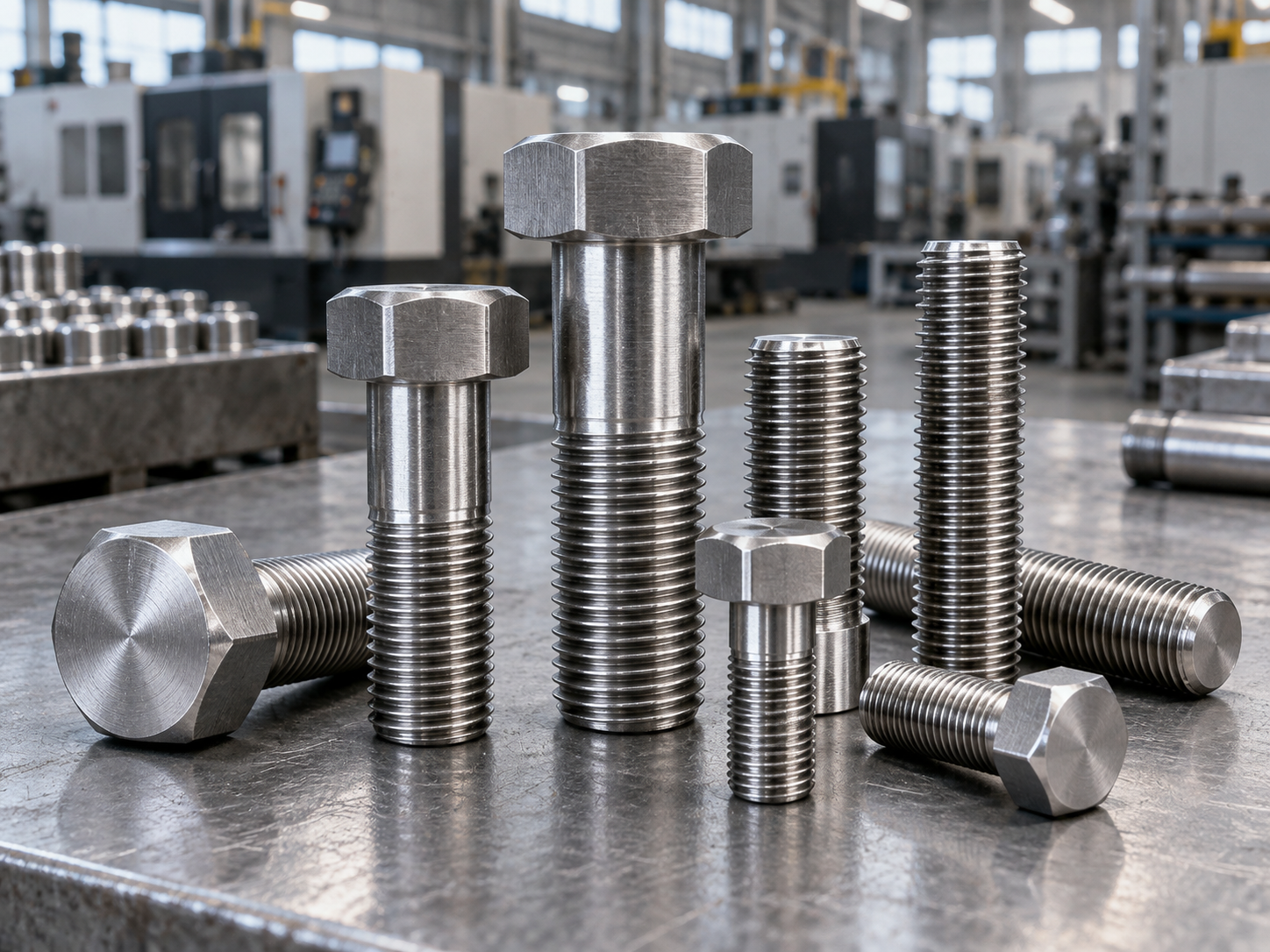
In 2026, understanding Hastelloy bolts price means looking beyond diameter and length alone. For most buyers and engineers, the real cost difference comes from alloy grade, processing difficulty, required certification, supply chain conditions, and how tightly the fastener specification is controlled. If you are comparing hastelloy bolts, hastelloy c276 bolts, hastelloy screws, c276 fasteners, or hastelloy threaded rod, the best buying decision is usually not the lowest unit price, but the best balance of corrosion performance, compliance, lead time, and total project risk.
For project teams in chemical processing, marine, energy, pollution control, and other aggressive service environments, the main question is simple: why do quotes vary so much, and how can you judge whether a higher price is justified? This guide focuses on the factors that actually affect 2026 pricing and helps procurement teams, technical evaluators, and business decision-makers compare offers more confidently.
What really affects Hastelloy bolts price in 2026?
The price of Hastelloy fasteners is shaped by a combination of raw material economics and manufacturing complexity. In practice, six factors matter most.
1. Alloy grade. Not all Hastelloy products cost the same. Hastelloy C276 bolts are among the most frequently specified because they offer strong resistance to pitting, crevice corrosion, and a wide range of chemical media. Other grades may cost more or less depending on nickel, molybdenum, chromium, and other alloying content, as well as market availability. If your application requires a specific grade for corrosion compatibility, grade selection will be one of the biggest price drivers.
2. Raw material market conditions. Specialty metals pricing is highly sensitive to nickel and molybdenum market movement. In 2026, buyers should expect quote fluctuations tied to global raw material supply, energy costs, freight volatility, and regional inventory levels. This is one reason c276 fasteners can have noticeable price differences across months or suppliers.
3. Manufacturing difficulty. Hastelloy is not processed as easily as common stainless steel or carbon steel. It is tougher to machine, threads can require more careful finishing, and production often involves slower cutting speeds, stricter tool control, and higher scrap risk. That means hastelloy screws, nuts, studs, and threaded rods often carry a higher conversion cost, not just a higher metal cost.
4. Product type and geometry. Standard hex bolts usually cost less than custom-machined parts. Long-length hastelloy threaded rod, non-standard head styles, special thread forms, large diameters, or close-tolerance fasteners can all increase price. Complex geometry usually means more machining time and tighter inspection requirements.
5. Testing, traceability, and certification. Material test reports, PMI, third-party inspection, dimensional reports, NACE-related requirements, and project-specific QA documentation all add cost. For safety-critical or regulated environments, these are often necessary and should be treated as value, not just overhead.
6. Order quantity and sourcing model. Small-lot or urgent purchases usually have the highest unit price. Larger scheduled orders often allow better raw material planning, more efficient production, and lower logistics cost per piece. Buyers sourcing for shutdowns, EPC projects, or framework agreements can often improve pricing through volume consolidation.
Why are Hastelloy C276 bolts usually more expensive than standard fasteners?
For many buyers, the biggest sticker shock comes when comparing Hastelloy C276 bolts with stainless steel alternatives such as 304, 316, or even duplex grades. The reason is not marketing; it is performance plus processing.
Hastelloy C276 is designed for severe corrosion environments where failure cost is much higher than fastener purchase cost. In equipment exposed to chlorides, wet chlorine, oxidizing chemicals, reducing acids, or mixed corrosive media, using the wrong fastener can lead to leakage, downtime, maintenance shutdowns, and safety incidents. In these cases, a more expensive fastener may lower total lifecycle cost dramatically.
There is also a manufacturing premium. C276 fasteners demand more specialized handling during forming, threading, heat-related processing control where applicable, and inspection. Tool wear and machining time are generally higher than with common alloys. So when buyers compare quotes, they should compare not only material composition but also the supplier’s ability to manufacture to the required quality consistently.
How should buyers compare quotes for hastelloy bolts and c276 fasteners?
The best quote is not always the cheapest. To make a valid comparison, buyers should review at least the following points:
- Exact alloy designation: Confirm whether the quote is truly for Hastelloy C276 or another equivalent or alternative alloy.
- Product standard: Check whether the bolts, screws, studs, or rods follow the required ASTM, ASME, DIN, ISO, or project-specific standards.
- Dimensions and tolerances: Thread class, thread length, shank tolerance, and overall dimensional precision can affect both performance and price.
- Mechanical and corrosion-related requirements: Some applications demand more than standard supply.
- Certification package: MTC 3.1, PMI, third-party witness inspection, and lot traceability should be clearly listed.
- Surface condition and finishing: Cleanliness, passivation-related requirements where specified, and packaging for export or critical service can affect cost.
- Lead time: Faster delivery often means premium pricing.
- Origin and manufacturing route: Bar stock source, forging route, machining route, and quality system strength matter.
For procurement and technical review teams, a useful rule is this: if two prices are far apart, the difference usually comes from alloy authenticity, documentation level, manufacturing route, or lead time commitment. Ask suppliers to break down what is included so you can compare on an equal basis.
What price risks should project teams watch in 2026?
In 2026, the main pricing risks are less about list price and more about hidden project cost. These are the issues most likely to affect total spend:
Raw material volatility. Nickel-based alloys can move quickly with global commodity changes. If your project has a long execution cycle, locking pricing too late may expose you to avoidable increases.
Specification mismatch. Buying a cheaper fastener that does not fully match media compatibility, certification needs, or temperature demands can create expensive replacement and maintenance problems.
Long lead times for custom parts. Non-standard Hastelloy screws or threaded rod may require additional production planning. Delays can affect shutdown schedules or installation milestones.
Insufficient QA documentation. For regulated industries, missing traceability or testing documentation can delay approvals, receiving inspection, or site release.
Low-quality substitution. The specialty metals market requires careful supplier qualification. If the source cannot provide reliable traceability and consistent metallurgy, the apparent savings may introduce major technical and commercial risk.
How can buyers reduce cost without increasing failure risk?
Cost reduction is possible, but it should be done through smarter specification and sourcing, not by blindly downgrading material.
- Match the alloy to the actual environment. Use corrosion data and service conditions to confirm whether C276 is necessary across the full bill of materials or only in the most exposed positions.
- Standardize dimensions where possible. Standard sizes are usually easier and more economical to produce than custom combinations.
- Consolidate orders. Combining hastelloy bolts, nuts, washers, screws, and threaded rod into one planned purchase can improve pricing efficiency.
- Order early for project work. Avoiding urgent production can reduce premium charges.
- Request complete but relevant QA. Do not over-specify unnecessary documentation, but do not remove critical traceability for important service conditions.
- Work with experienced specialty fastener suppliers. Technical guidance at the quoting stage can prevent overbuying, under-specifying, or choosing a geometry that is expensive to machine without adding value.
For engineering and procurement teams, the best savings often come from reducing rework, delays, and material mismatch rather than negotiating a few percentage points off unit price.
When is a higher Hastelloy fastener price justified?
A higher price is often justified when the fastener is used in corrosive, high-risk, high-value, or difficult-to-access applications. Examples include chemical reactors, scrubbers, offshore systems, flue gas desulfurization units, seawater equipment, and installations where maintenance access is expensive or shutdowns are disruptive.
In these cases, paying more for verified Hastelloy C276 bolts or properly manufactured c276 fasteners can be a rational business decision because the cost of failure is much higher than the purchase premium. Decision-makers should evaluate:
- Expected service life
- Cost of replacement labor and downtime
- Safety and environmental risk
- Warranty or compliance exposure
- Availability of equivalent alternatives
This is especially important for enterprise buyers and project managers who must balance capex, operating reliability, and risk control.
How to choose a reliable supplier for hastelloy screws, bolts, and threaded rod
A strong supplier should offer more than a quote sheet. For specialty metals, technical support and manufacturing reliability are part of the product value.
Look for a supplier that can provide:
- Experience with high-performance specialty metal fasteners
- Support for both standard and customized fasteners
- Clear material traceability and inspection documentation
- Knowledge of demanding industrial applications
- Guidance on material selection based on actual service conditions
- Stable global supply capability
Companies working in this field need a combination of metallurgical understanding, production control, and export supply experience. For buyers comparing long-term partners, this capability often matters more than a one-time low quote.
As a specialist in high-performance Specialty Metals fasteners, RAYCHIN LIMITED focuses on the development, manufacturing, and global distribution of both standard and customized fasteners for challenging applications. With a professional technical team and ongoing material and product development, the company supports customers with practical guidance in selecting suitable materials and sourcing reliable special material fasteners for demanding environments.
Conclusion: focus on total value, not just 2026 unit price
The 2026 Hastelloy bolts price picture is driven by more than size. Alloy grade, especially for hastelloy c276 bolts, raw material fluctuations, machining complexity, certification needs, order volume, and delivery urgency all influence cost. For buyers, engineers, and project leaders, the smartest approach is to compare quotes based on technical equivalence, compliance, and lifecycle risk, not unit price alone.
If you are sourcing hastelloy bolts, hastelloy screws, c276 fasteners, or hastelloy threaded rod, the right question is not simply “Which supplier is cheapest?” but “Which offer delivers the required corrosion resistance, documentation, lead time, and reliability for the application?” That is the comparison that leads to better purchasing decisions and lower total project risk.
Request A Quote! We'll respond as soon as possible(within 12 hours)
Get a Quote