
Zirconium Threaded Rods
• Hydrochloric Acid • Sulfuric Acid • Formic Acid • Nitric Acid • Acetic Acid
It is also a metal that offers industry unique properties. It does not absorb neutrons, making it ideal for use in nuclear power and at low temperatures it is superconductive, making it ideal for super magnets.
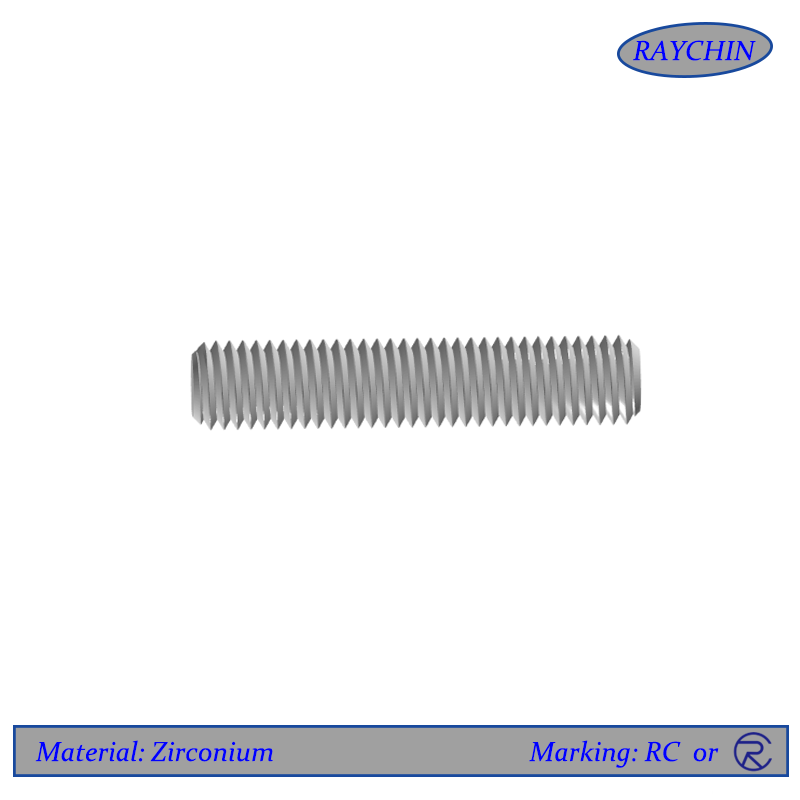
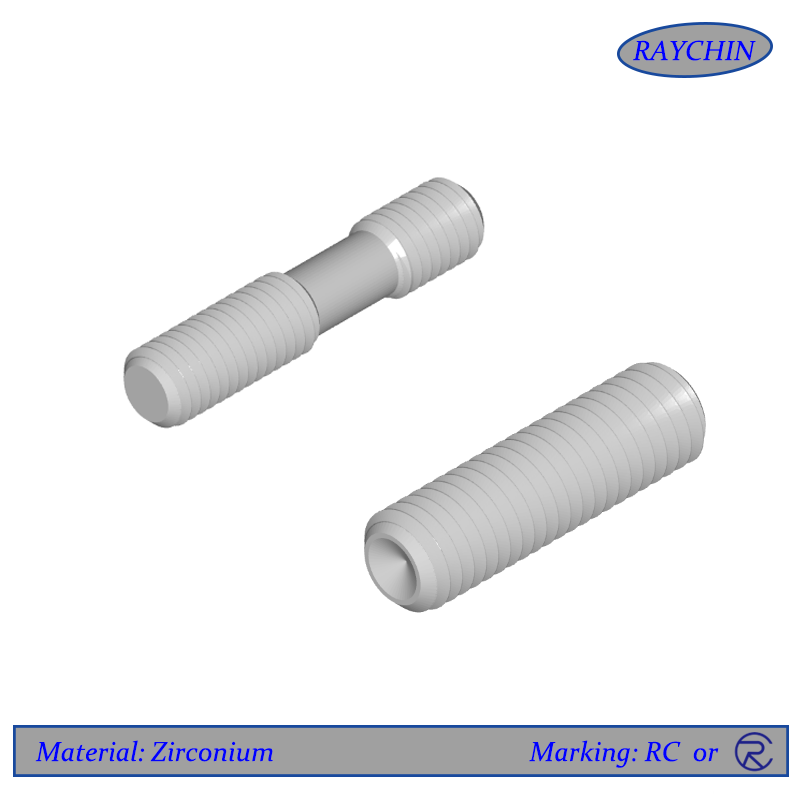
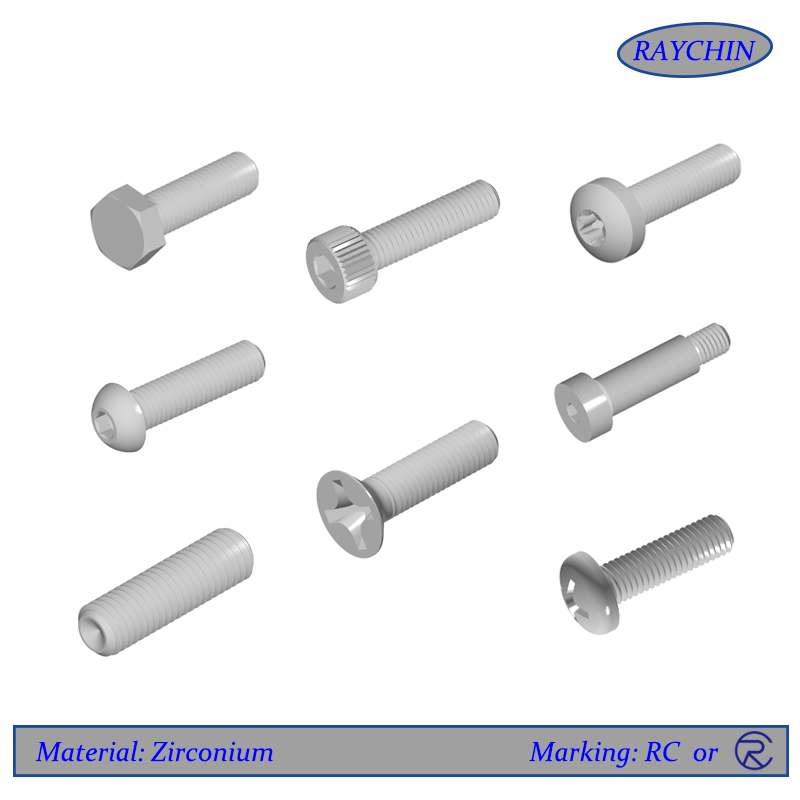
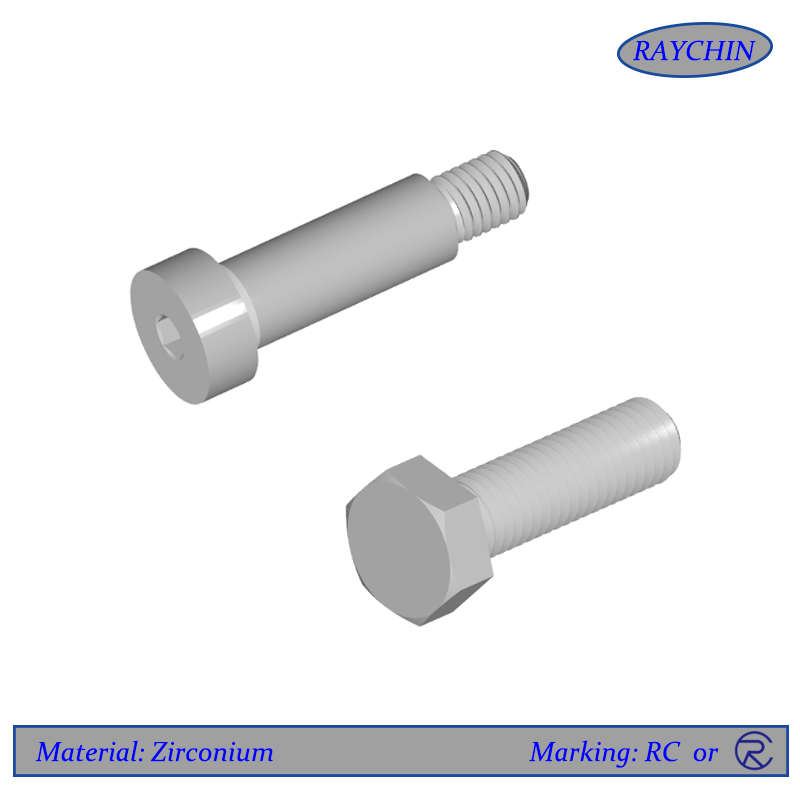
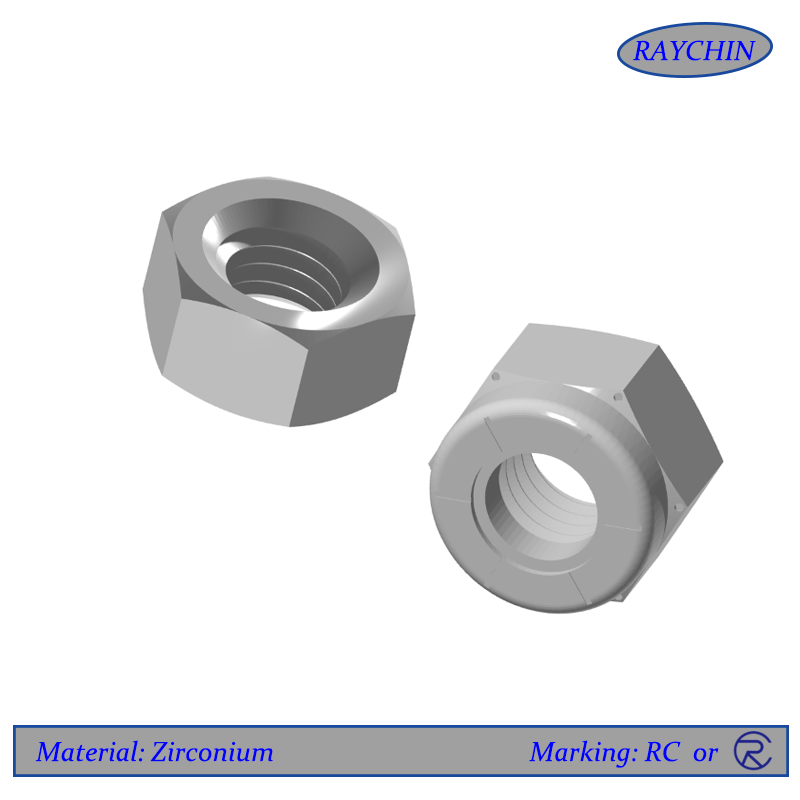
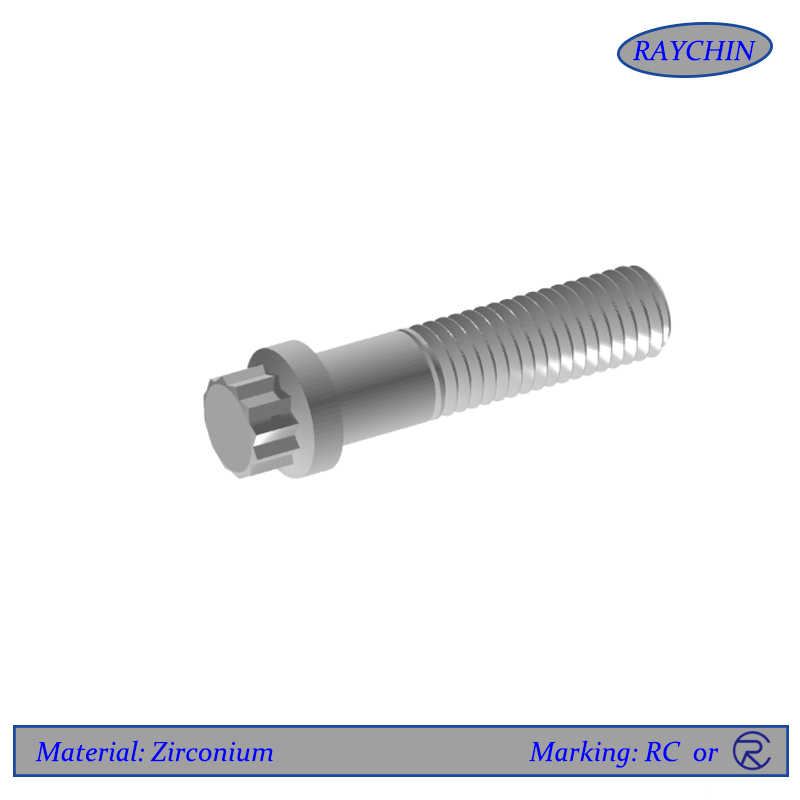
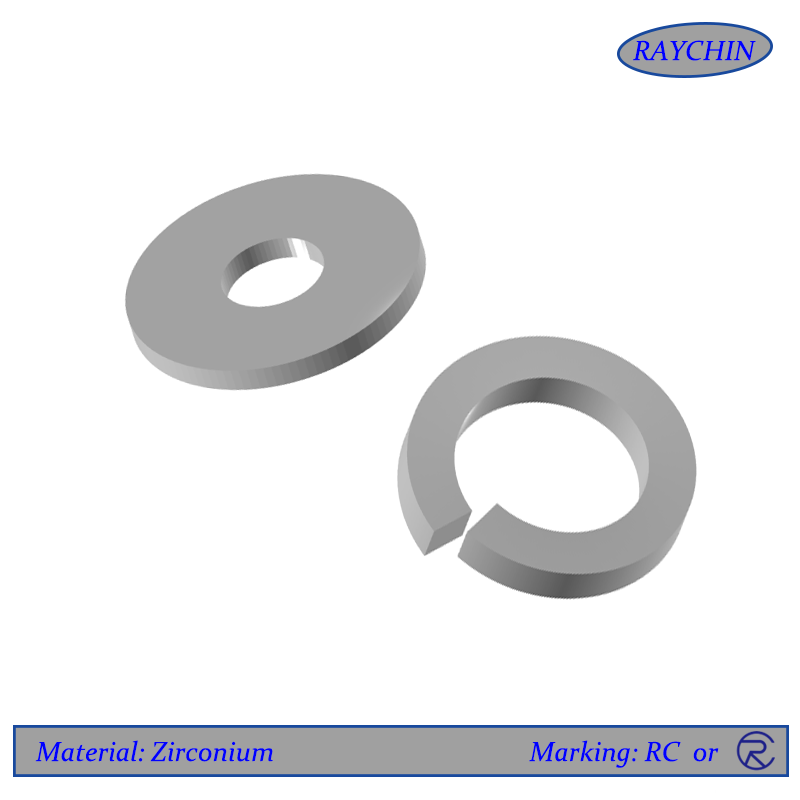
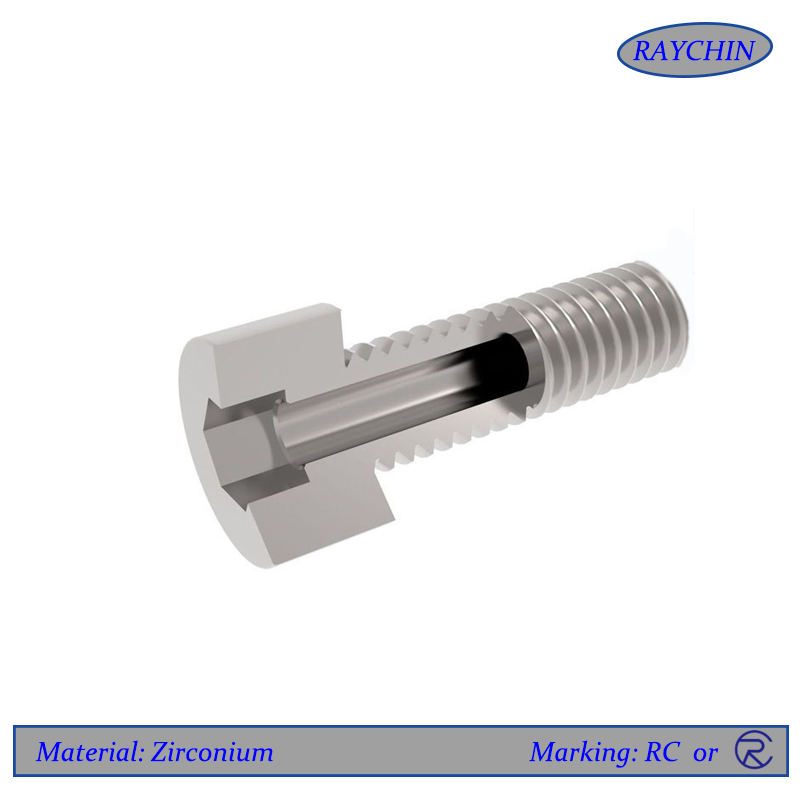
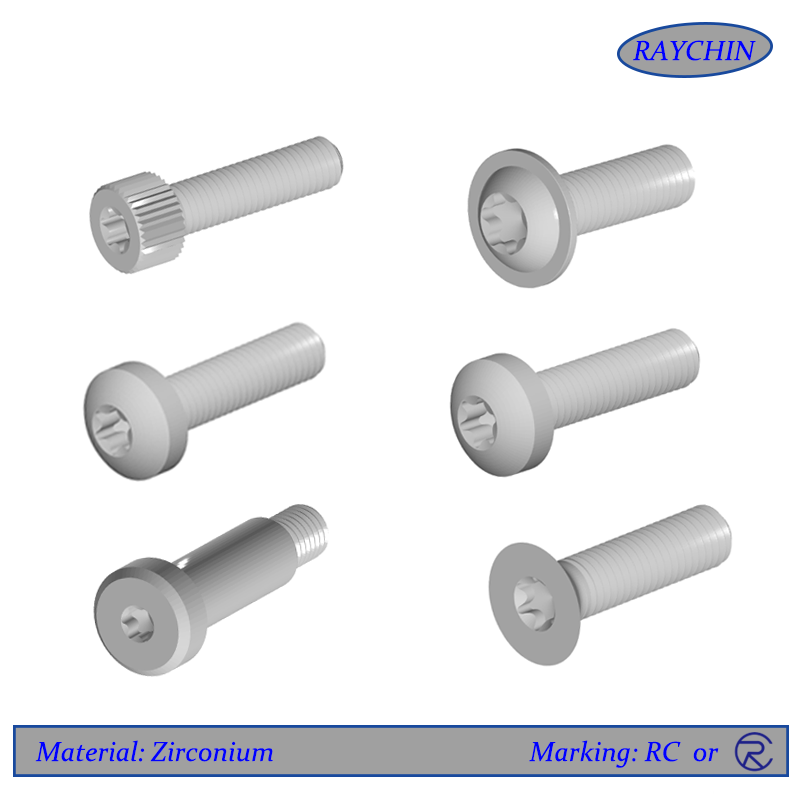
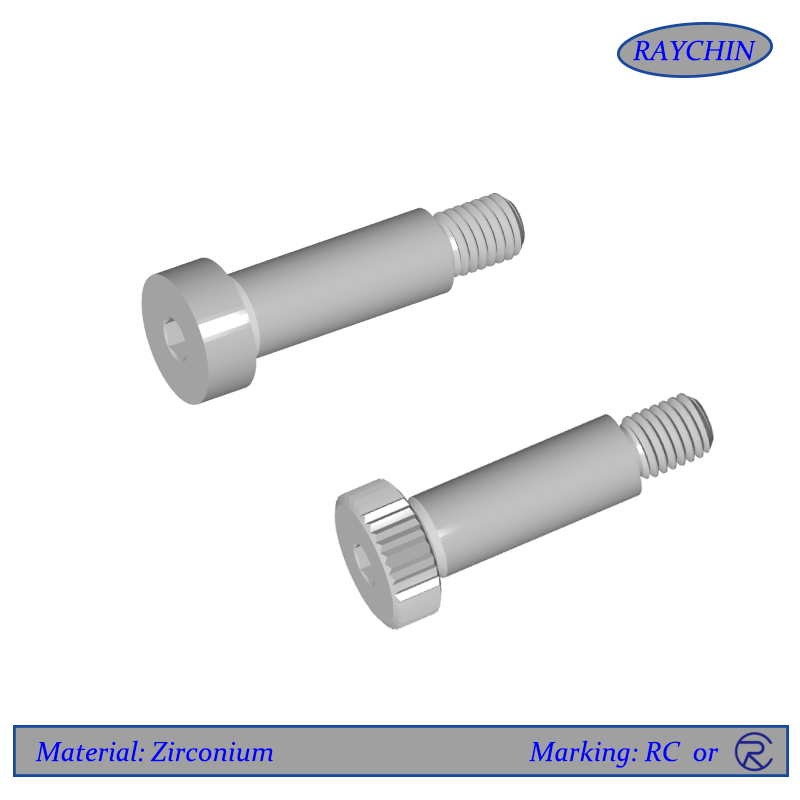
RAYCHIN SPECIALTY METALS FASTENERS: BOLTS, NUTS, SCREWS, WASHERS, STUDS, THREADED RODS, U-BOLT, J-BOLTS
STANDARD AND CUSTOMIZED, SMALL BATCH AND LARGE BATCH, IMPERIAL AND METRIC
Hydrochloric Acid Resistance
Zirconium is also resistant to most organic media and is considered one of the most corrosion resistant materiala in virtually all acetic acid solutions.
For strong acids and severe corrosion
Good mechanical & physical properties
Excellent corrosion resistance
Request a Quote from RAYCHIN
We're here to help!
RAYCHIN LIMITED
Zirconium Threaded Rods · Fully Threaded · Studding · Continuous Thread · Zr 702 / Zr 705Zirconium Threaded Rods: Continuous Thread Fasteners with Unmatched Corrosion Resistance
RAYCHIN LIMITED is a world‑leading manufacturer of Zirconium threaded rods – precision fully threaded rods and continuous studding produced from commercially pure zirconium and zirconium alloys. Zirconium offers an exceptional combination of properties: outstanding corrosion resistance in hydrochloric acid (HCl), sulfuric acid (H₂SO₄), and nitric acid (HNO₃), comparable to tantalum; low neutron absorption for nuclear applications; excellent biocompatibility; and good high‑temperature strength up to 800°C. Our product line encompasses all major threaded rod types including fully threaded rods, continuous thread studding, double-end studs, and custom cut lengths – all manufactured to the highest precision standards. Our portfolio includes all standard and custom configurations manufactured to NAS, AN, MS, ANSI, ASTM, ASME, SAE, API, NACE, ISO, DIN and KS standards. Whether you require Zirconium threaded rods for chemical reactors, nuclear fuel assemblies, or pharmaceutical processing equipment, RAYCHIN delivers precision, quality, and full traceability. All mechanical properties are presented in MPa and ksi. Rods available in lengths up to 6 meters.
Zirconium Threaded Rods – Complete Product Range
Fully Threaded Rods (All-Thread)
Zirconium fully threaded rods (all-thread rods) feature continuous threads over the entire length. Available in inch series (UNC, UNF, 8UN) per ASME B1.1 and metric series (coarse, fine) per ISO 261 / DIN 13. Diameters from M2 to M48 (#2 to 1½"). Standard lengths: 1m, 2m, 3m, 6m; custom lengths available. Ideal for chemical reactors, nuclear fuel assemblies, and heat exchanger supports requiring full thread engagement. Zr 702 offers exceptional corrosion resistance in HCl and H₂SO₄. Zr 705 provides enhanced strength for load‑bearing applications.
Continuous Thread Studding
Zirconium continuous thread studding supplied in random mill lengths or cut to exact specifications. Manufactured to ASTM B550 / ASME SB550. Available in all diameters with rolled or cut threads. Widely used in heat exchanger tube sheet connections, pressure vessel stud bolting, and nuclear reactor internal structures. Zirconium studding meets NACE MR0175 for sour service applications where corrosion resistance is critical.
Double-End Threaded Rods
Zirconium double-end threaded rods feature threads on both ends with a plain unthreaded center section. Manufactured to ASME B18.31.2 and ISO 2340. Available with equal thread lengths or reduced shank configurations. Extensively used in heat exchangers, valve bonnets, and pump casings where one end screws into a tapped hole and the other accepts a nut. Particularly valuable in chemical processing equipment requiring frequent assembly/disassembly.
Zirconium Alloy Grades
Zirconium threaded rods available in three commercial grades: Zr 702 (commercially pure, highest corrosion resistance), Zr 704 (tin alloy, improved creep resistance), and Zr 705 (niobium alloy, highest strength). All grades offer exceptional resistance to HCl and H₂SO₄ with corrosion rates <0.13 mm/year. Zr 705 provides tensile strength up to 550 MPa while maintaining excellent corrosion resistance. Nuclear grades with hafnium <0.01% available for reactor applications.
Nuclear Grade Zircaloy Rods
Zircaloy-2 (R60802) and Zircaloy-4 (R60804) threaded rods manufactured to ASTM B353 nuclear grade specifications. Hafnium content <0.01% ensures extremely low neutron absorption cross‑section (0.18 barns), making them transparent to neutrons. Essential for nuclear fuel assemblies, reactor core structures, and spent fuel storage racks. Supplied with full traceability and hafnium certification.
Custom & Non‑Standard Threaded Rods
Need special end configurations, extra‑long lengths up to 6 meters, non‑standard thread forms (ACME, buttress), or proprietary dimensions? RAYCHIN engineers design and produce custom Zirconium threaded rods to your exact specifications – any grade (Zr 702, Zr 705, Zr 704, Zircaloy-2, Zircaloy-4), any condition (annealed, stress relieved), with full material traceability. Prototype to production volumes supported. Cleanroom packaging available.
Critical Applications of Zirconium Threaded Rods
Chemical Processing
Zirconium threaded rods are extensively used in chemical reactors, heat exchangers, distillation columns, and piping systems handling aggressive media such as hydrochloric acid (HCl), sulfuric acid (H₂SO₄), nitric acid (HNO₃), acetic acid, and formic acid. Zirconium exhibits corrosion rates <0.13 mm/year in boiling sulfuric acid up to 70% concentration and in hydrochloric acid up to 37% at temperatures above boiling point. This performance is unmatched by any other engineering metal except tantalum. Used in chlor‑alkali plants, dye manufacturing, polymer production, and specialty chemical synthesis.
Nuclear Industry
Zirconium threaded rods are the material of choice for nuclear fuel assemblies, reactor core structures, and spent fuel storage racks. Zirconium's extremely low thermal neutron absorption cross‑section (0.18 barns) makes it transparent to neutrons, essential for maintaining nuclear chain reactions. Nuclear grade Zircaloy threaded rods with hafnium content <0.01% are specified for reactor applications. Used in fuel rod cladding support structures, spacer grids, and control rod guide tubes.
Pharmaceutical & Medical
Zirconium threaded rods in pharmaceutical processing equipment, surgical instruments, and medical implants. Zirconium is completely biocompatible, non‑toxic, and not rejected by the human body. It exhibits excellent corrosion resistance in sterile environments and resists attack from cleaning agents and sterilization processes. Used in high‑purity processing systems for antibiotic production, vaccine manufacturing, and implantable medical devices.
Aerospace & Defense
Zirconium threaded rods in aerospace components exposed to high‑temperature corrosive environments. Zirconium maintains good mechanical strength up to 800°C and resists oxidation in moderate temperature applications. Used in rocket engine components, exhaust systems, and defense equipment requiring corrosion resistance combined with light weight (density 6.5 g/cm³).
Marine & Offshore
Zirconium threaded rods in shipbuilding, submarine components, and offshore platforms where seawater corrosion resistance is critical. Zirconium's corrosion rate in seawater is <0.01 mm/year, outperforming titanium and nickel alloys. Used in seawater handling systems, heat exchangers, and underwater instrumentation housings where long‑term reliability is essential.
Power Generation
Zirconium threaded rods in geothermal power plants, steam turbine condensers, and balance-of-plant applications. Zirconium's resistance to high‑temperature water, steam, and brine solutions makes it ideal for geothermal and supercritical water environments. Used in turbine blade fasteners, condenser tube sheets, and heat exchanger supports.
International Standards & Global Designations – Zirconium Threaded Rod Materials
RAYCHIN LIMITED manufactures Zirconium threaded rods from material conforming to the most widely used national and international specifications. All material is traceable to the mill.
Chemical Composition (Weight %) – Zirconium Alloys for Threaded Rods
Our Zirconium threaded rods are produced from material conforming to the limits of applicable ASTM, ASME, and ISO standards. Nuclear grades available with hafnium <0.01%.
Commercial Zirconium Grades – ASTM B550 / B551
Nuclear Grade Zirconium – ASTM B353 (Hf <0.01%)
Metallurgical note: Zirconium is a reactive metal that spontaneously forms a stable, adherent zirconium oxide (ZrO₂) layer in air or oxidizing media. This oxide film is self‑healing if damaged and provides exceptional corrosion resistance in most acids, including hydrochloric, sulfuric, and nitric acids. Zirconium has a hexagonal close-packed (α) structure at room temperature, with a melting point of 1855°C. The addition of niobium (2-3%) in Zr 705 increases strength through solid solution strengthening while maintaining excellent corrosion resistance. Nuclear grades (Zircaloy) are specified with hafnium content below 0.01% due to hafnium's high neutron absorption cross-section. Zirconium is non‑magnetic and exhibits good ductility even at cryogenic temperatures.
Complete Mechanical & Physical Properties – Zirconium Alloys for Threaded Rods (MPa / ksi)
Zirconium threaded rods are supplied in appropriate conditions (annealed or stress relieved) per ASTM B550, ASTM B551, and customer specifications. Data represent typical values based on industry standards.
Commercial Zirconium – Mechanical Properties (minimum values)
Nuclear Grade Zirconium – Mechanical Properties (minimum values)
High‑Temperature Mechanical Properties – Zr 702 (representative)
Note: Zirconium maintains useful strength up to 800°C in inert or reducing atmospheres. In air, oxidation accelerates above 600°C; protective coatings may be required for long-term service above 600°C. Zirconium begins to absorb hydrogen at 250°C and forms hydrides, so service above 300°C should be evaluated for hydrogen embrittlement risks.
Physical Properties – Zirconium
High‑Temperature Performance of Zirconium Threaded Rods
Zirconium and its alloys maintain useful mechanical properties up to 800°C (1472°F), making them suitable for high‑temperature chemical processing and nuclear applications. Zirconium has a melting point of 1855°C, which is higher than steel and titanium. The alloy retains significant strength at elevated temperatures, as shown in the high‑temperature data. However, zirconium's high‑temperature service in air is limited by oxidation: above 425°C, the protective ZrO₂ layer begins to lose its protective properties, and above 600°C oxidation accelerates significantly. In inert atmospheres or reducing environments, zirconium can be used at much higher temperatures. Zircaloy‑4 and Zr‑2.5Nb alloys are specifically designed for high‑temperature service in nuclear reactors, where they operate at 300-400°C in high‑pressure water environments. For applications requiring extended service above 600°C in air, protective coatings (such as Cr or CrSi coatings) can significantly enhance oxidation resistance. Hydrogen absorption becomes significant above 250°C, which may lead to hydride embrittlement in certain environments; careful evaluation is required for applications above 300°C in hydrogen‑containing media.
Elevated Temperature Capabilities
Note: Above 425°C in air, zirconium's oxide layer may lose protectiveness; above 600°C oxidation accelerates significantly. Hydrogen absorption above 250°C may cause embrittlement in hydrogen‑containing environments.
Exceptional Corrosion Resistance of Zirconium Threaded Rods
Zirconium is renowned for its outstanding corrosion resistance in a wide range of aggressive media, often exceeding that of nickel alloys and titanium. The protective ZrO₂ oxide film is stable in both oxidizing and reducing acids, and self‑heals rapidly if damaged. Zirconium is virtually immune to pitting and crevice corrosion in chloride environments.
- Hydrochloric Acid (HCl): Zirconium exhibits <0.13 mm/year corrosion rate (<5 mpy) in all concentrations of HCl up to boiling point. Even in 37% HCl, zirconium does not begin to show substantial corrosion until 130°C (266°F). This performance is unmatched by any other engineering metal except tantalum. Hastelloy C276 experiences 288 mpy in 10% HCl at boiling point, while zirconium has nil corrosion even when aerated.
- Sulfuric Acid (H₂SO₄): Excellent resistance up to 70% concentration at boiling point. Corrosion rates <0.13 mm/year in most concentrations. Only tantalum equals zirconium's performance in sulfuric acid.
- Nitric Acid (HNO₃): Outstanding resistance in all concentrations up to 90% and temperatures up to 200°C. Corrosion rate <0.1 mm/year, comparable to platinum.
- Phosphoric Acid: Excellent resistance up to 60% concentration at boiling point, with corrosion rates <0.13 mm/year. Higher concentrations may cause attack.
- Organic Acids: Completely resistant to acetic acid, formic acid, citric acid, oxalic acid, and other organic acids at all concentrations and temperatures.
- Alkalis: Zirconium exhibits excellent resistance in alkalis up to moderate concentrations, outperforming titanium. In highly concentrated hot alkalis (NaOH >40%), corrosion may occur.
- Hydrofluoric Acid (HF): Rapidly attacked by HF and fluoride-containing media – not recommended.
- Oxidizing Chlorides: Ferric or cupric chlorides greatly decrease corrosion resistance; upstream equipment must be controlled to prevent oxidizing contaminants.
- Seawater: Corrosion rate <0.01 mm/year, outperforming titanium and nickel alloys. Immune to pitting and crevice corrosion in seawater.
- Gas Corrosion: Zirconium is resistant to wet chlorine gas but attacked by dry chlorine above 200°C. Resistant to SO₂ and sulfurous acid. Hydrogen absorption begins at 250°C.
- Galvanic Corrosion: Zirconium is cathodic to most metals; can accelerate corrosion of active metals (steel, aluminum) in contact. Isolation or coating recommended.
Manufacturing Standards – Zirconium Threaded Rods
All Zirconium threaded rods are manufactured and tested to meet the following standards:
We offer surface finishes: plain (as‑machined), passivated, ground. Zirconium threaded rods can be supplied with certified material traceability, dimensional inspection reports, and mechanical test certificates. Our manufacturing processes include CNC thread rolling and cutting from bar stock, heat treatment (annealing or stress relief), and precision straightening. We specialize in custom configurations including non‑standard lengths up to 6 meters, special end configurations, and proprietary thread forms. Cleanroom packaging available for pharmaceutical and semiconductor applications. All rods supplied with EN 10204 Type 3.1 or 3.2 certification. ISO 9001:2015 and AS9100D certified quality management system. Nuclear grades supplied with full traceability including hafnium content certification.
Why RAYCHIN LIMITED – The Zirconium Threaded Rod Authority
Contact the Zirconium threaded rod experts
Request a quotation for Zirconium threaded rods, fully threaded rods, studding, double-end studs – any standard (ASME, ISO, DIN, NAS, MS, AN) – any grade (Zr 702, Zr 705, Zircaloy-2, Zircaloy-4), any condition (annealed, stress relieved), any quantity. Global delivery. Mechanical data in MPa/ksi available for all products. Nuclear‑grade zirconium per ASTM B353 available with hafnium certification.
sales@ray-chin.com | +86 534 2166 566Our team provides technical support in English, German, Mandarin, Japanese. Request a quote, sample requests, and material evaluation available.
Request A Quote! We'll respond as soon as possible(within 12 hours)
 Zirconium Fasteners
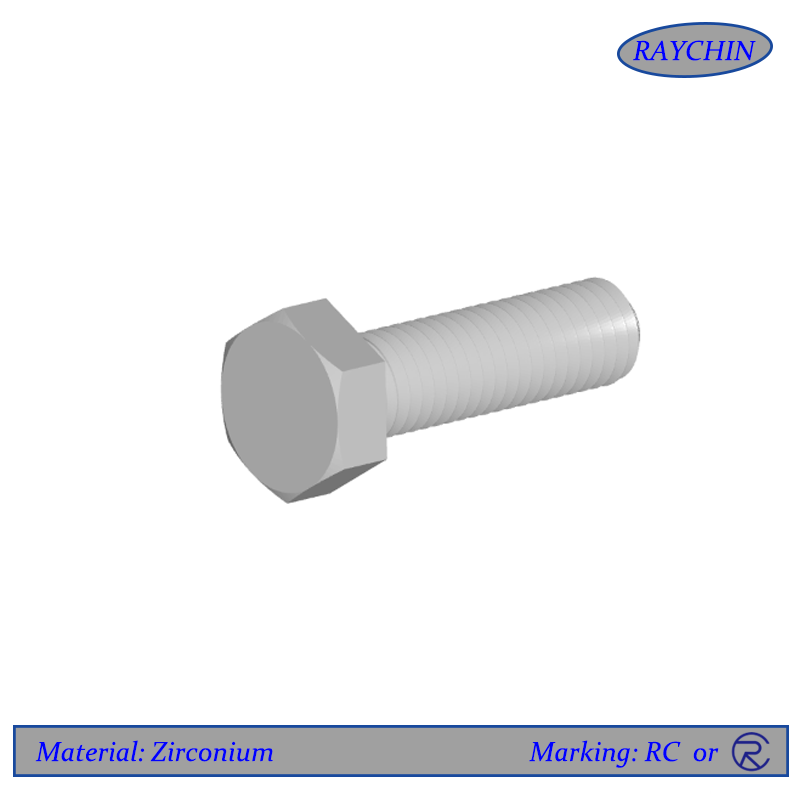
 Zirconium Hex Bolts
 Zirconium Shoulder Bolts
 Zirconium Hex Nuts
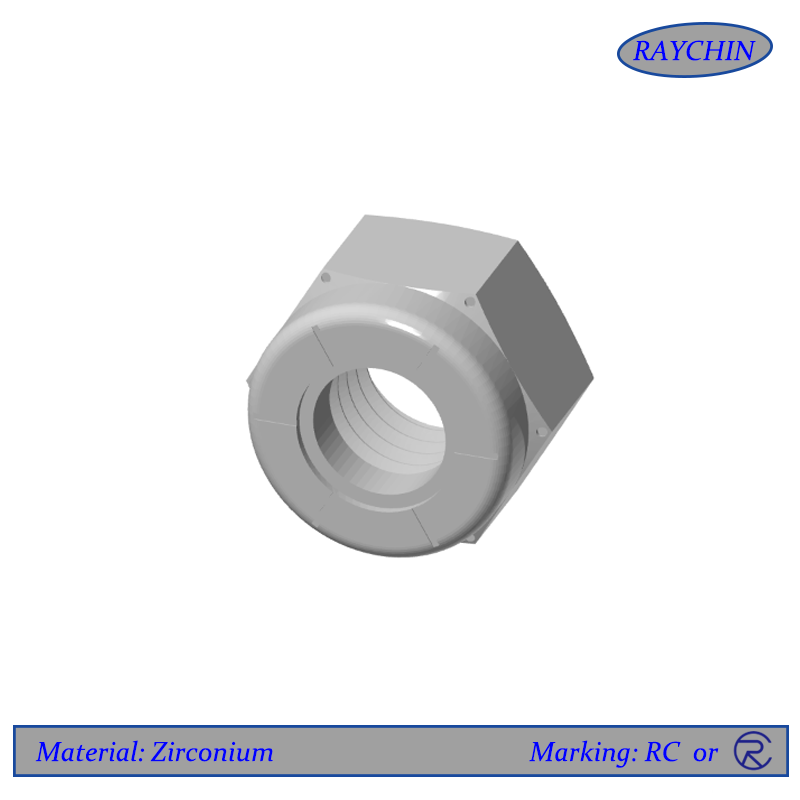
 Zirconium Lock Nuts
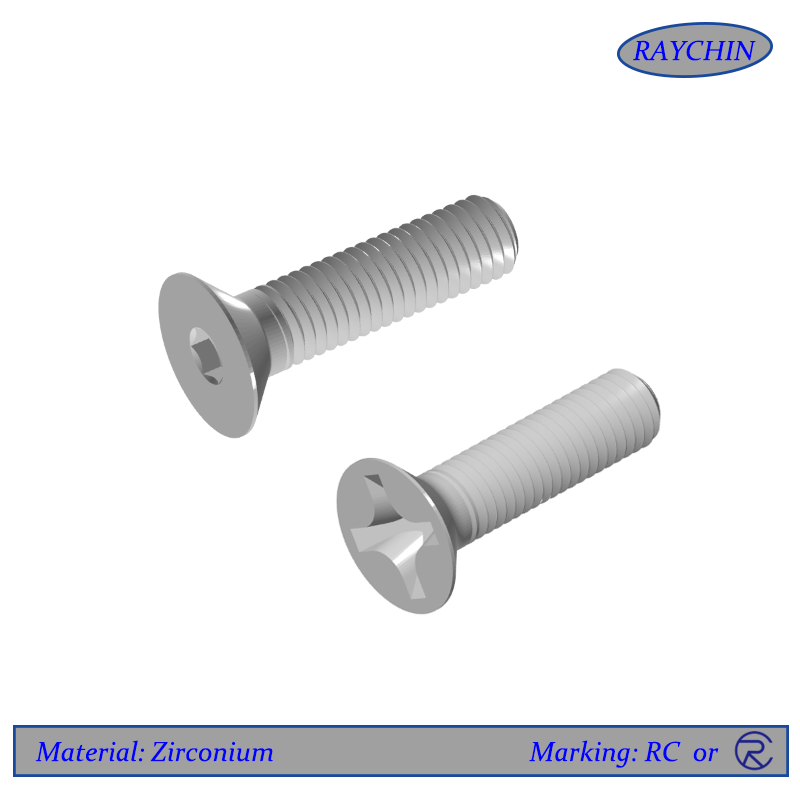
 Zirconium Flat Head Screws
 Zirconium Hex Cap Screws
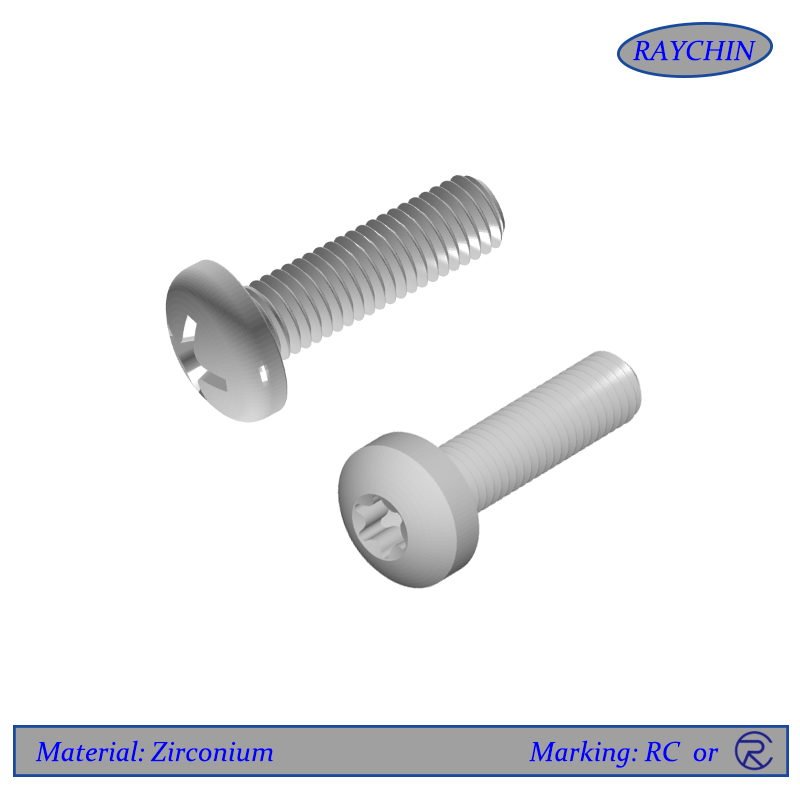
 Zirconium Pan Head Screws
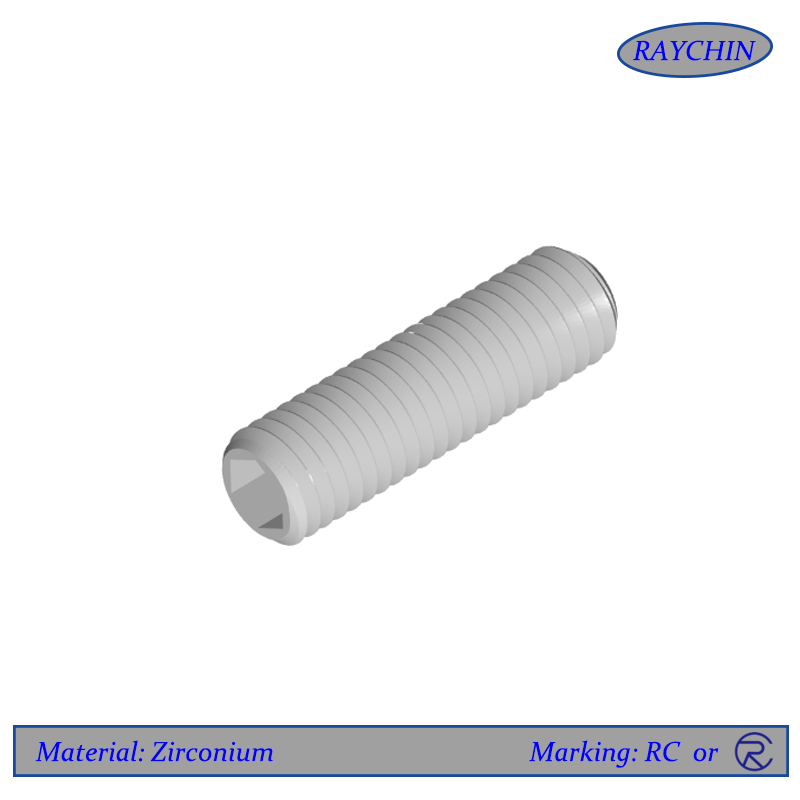
 Zirconium Set Screws
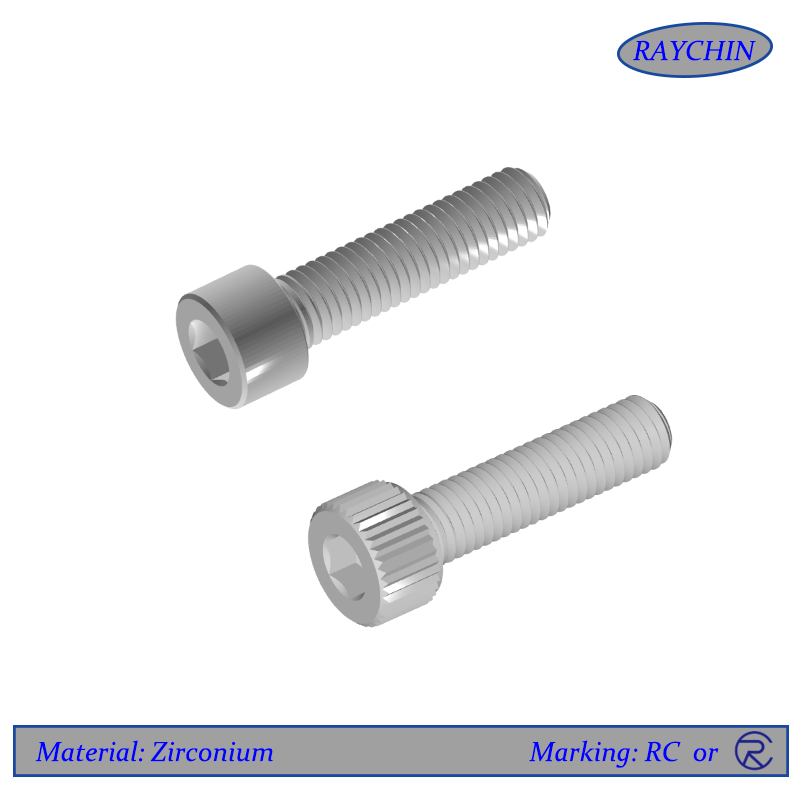
 Zirconium Socket Head Cap Screws
 Zirconium Threaded Rods
 Zirconium Studs
 Zirconium Washers
 Zirconium Screws
 Zirconium Nuts
 Zirconium Bolts
Get a Quote