
Categories List
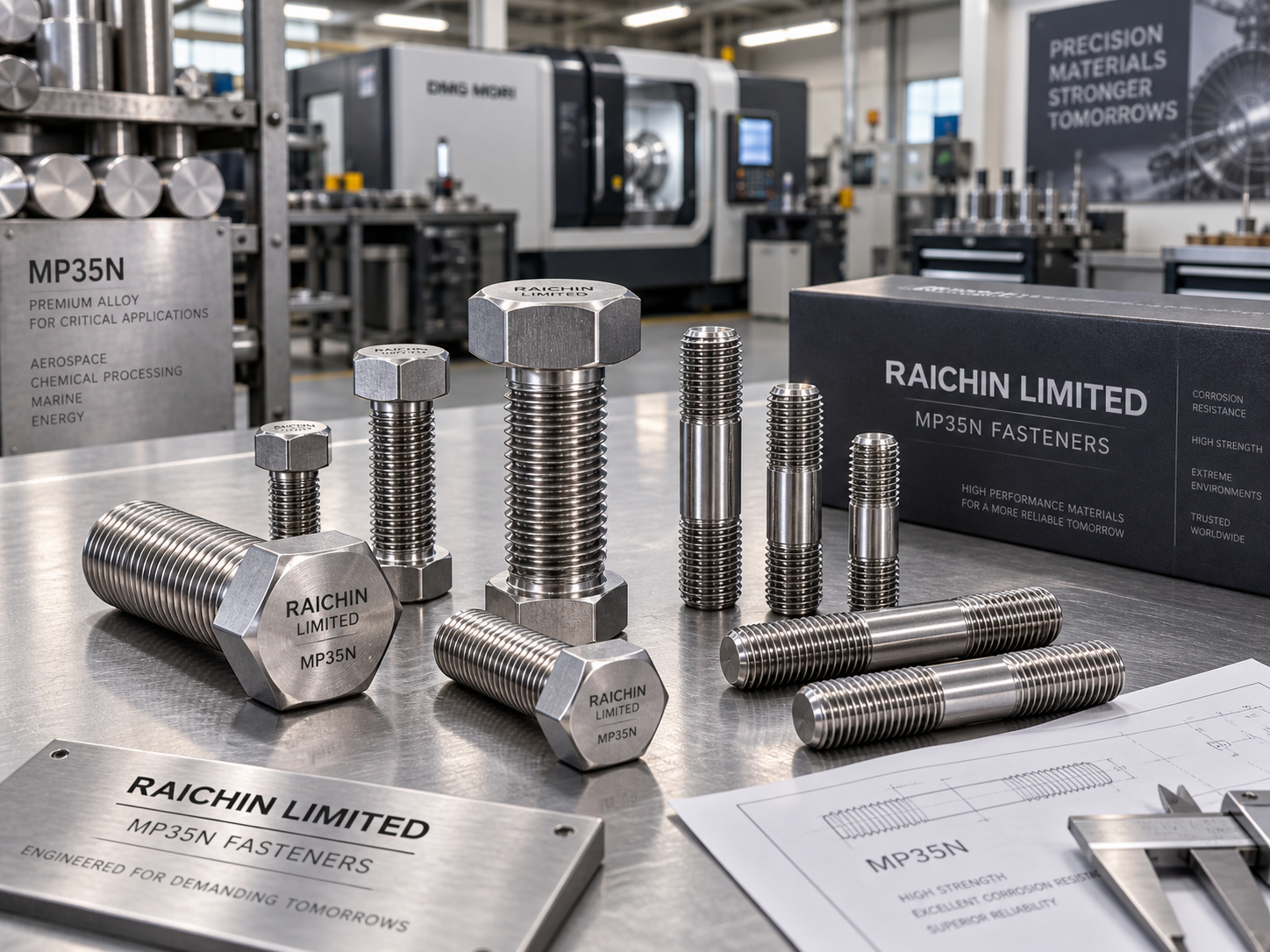
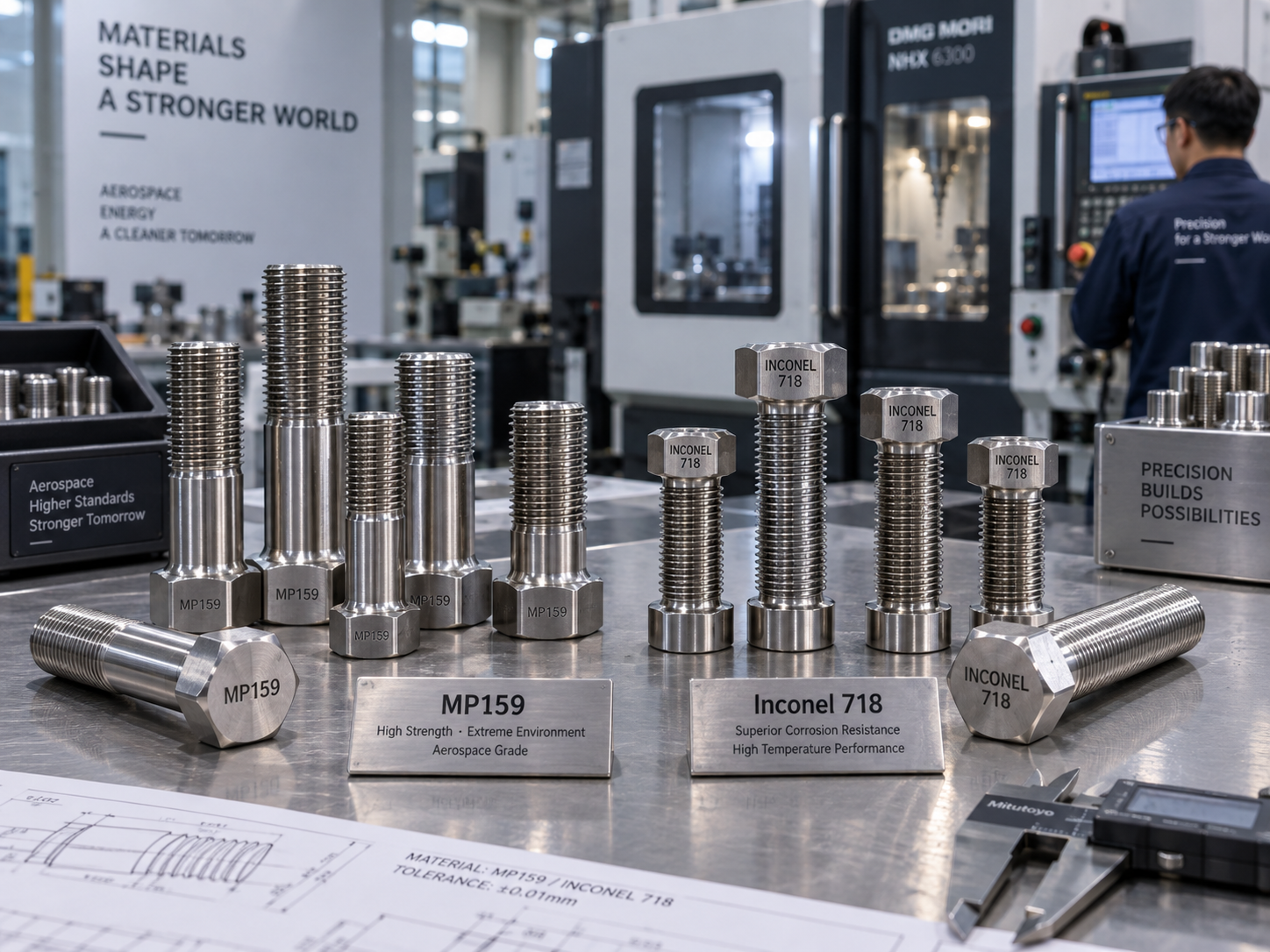
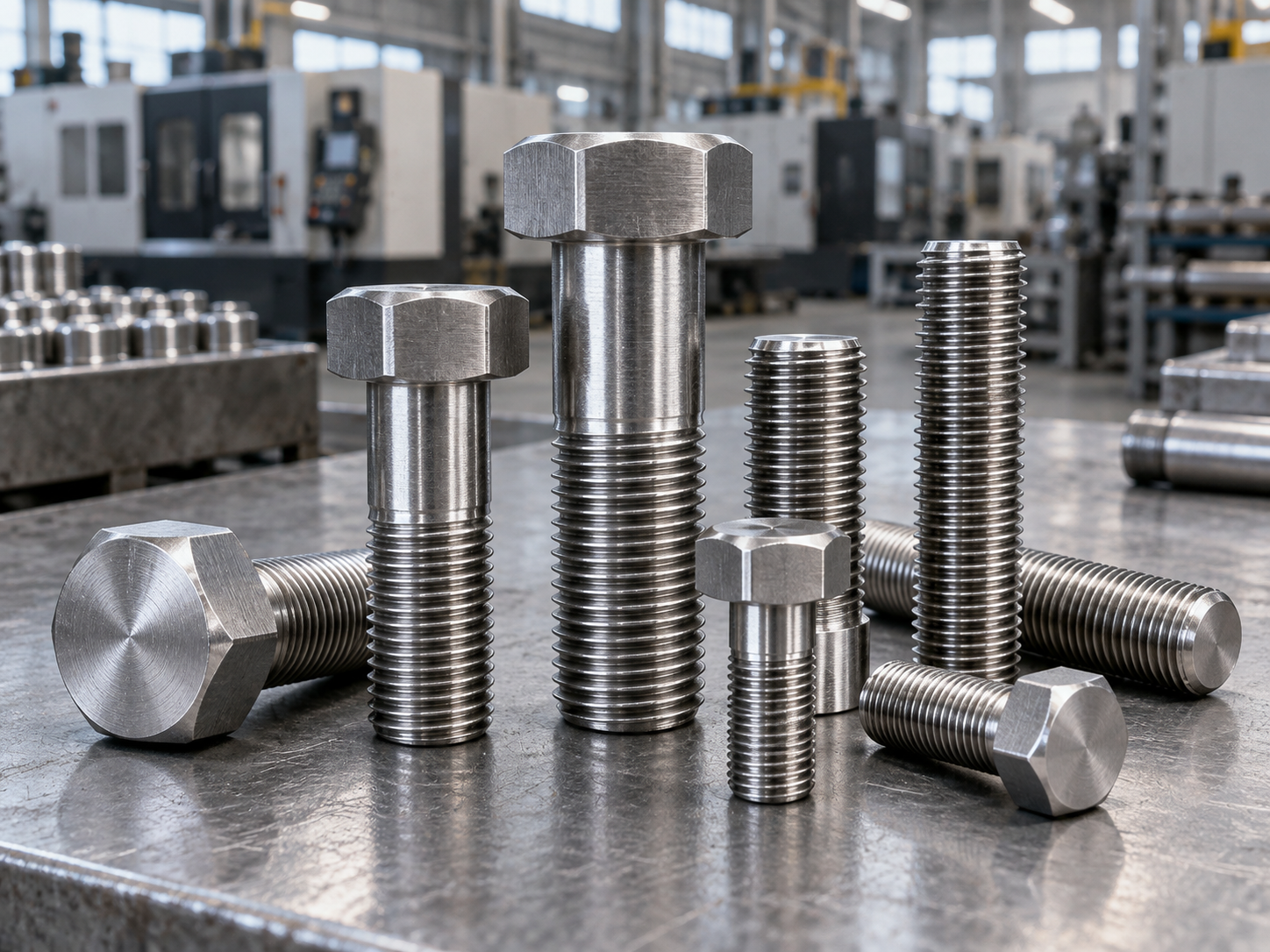
In today’s increasingly demanding offshore oil & gas environments, MP35N bolt spec compliance isn’t just a checklist item—it’s a critical safety and performance imperative. As a trusted MP35N bolt manufacturer and supplier, RAYCHIN LIMITED delivers rigorously tested MP35N bolts, MP35N socket head cap screws, MP35N studs and bolts, and other high-integrity MP35N fasteners engineered to meet exacting ASTM and NORSOK standards. Whether you’re a project manager evaluating material suitability, a procurement specialist vetting MP35N bolt suppliers, or a technical assessor validating MP35N screw performance—understanding MP35N bolt spec ensures operational resilience, corrosion resistance, and long-term asset integrity.
Why MP35N Bolt Specification Compliance Is Non-Negotiable in Harsh Offshore Conditions
Offshore platforms operate under extreme mechanical stress, cyclic loading, and aggressive chemical exposure—including H₂S, CO₂, chlorides, and elevated temperatures up to 250°C. In such conditions, standard stainless steels like 316 or duplex 2205 often suffer from chloride-induced stress corrosion cracking (CSCC) within 6–18 months. MP35N—a nickel-cobalt-chromium-molybdenum superalloy—delivers yield strengths exceeding 1,400 MPa after age-hardening, with exceptional resistance to both pitting (PREN > 55) and hydrogen embrittlement.
But strength and corrosion resistance alone aren’t enough. Real-world reliability hinges on strict adherence to dimensional tolerances, heat treatment profiles, surface finish requirements (Ra ≤ 0.8 µm for threaded sections), and traceability protocols. A deviation as small as ±0.05 mm in thread pitch or a 10°C variance in aging temperature can reduce fatigue life by 30–40% in dynamic subsea tie-in applications. That’s why compliance isn’t about paperwork—it’s about predictable failure margins.
RAYCHIN LIMITED subjects every MP35N fastener batch to full metallurgical certification—including direct-reading spectrometry, tensile testing per ASTM F1470, Charpy impact verification at –46°C, and ultrasonic inspection per ASTM E1444. Each lot is traceable to melt number, forging date, heat treatment cycle log, and final dimensional CMM report—ensuring full alignment with NORSOK M-001 Clause 5.3.2 and API RP 2A-WSD Section 13.4.2.
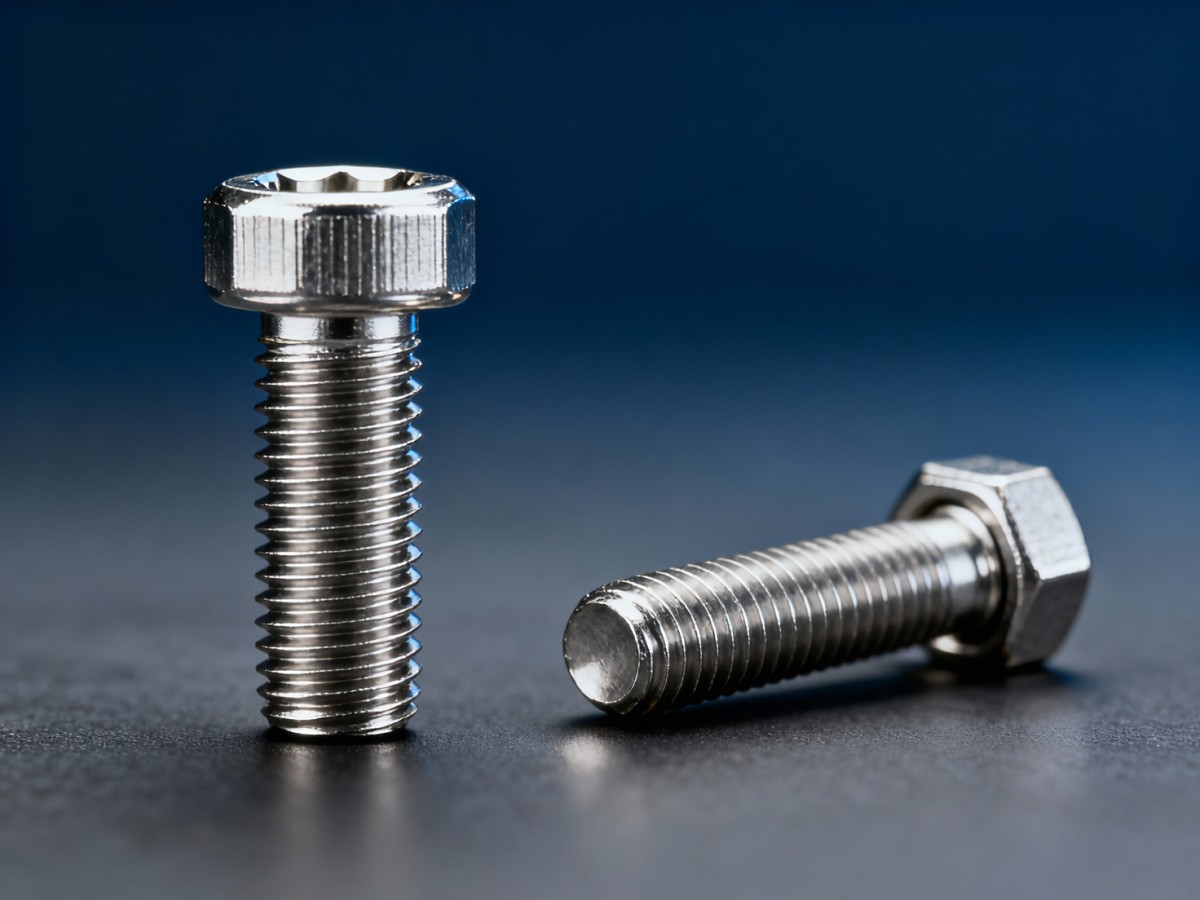
How MP35N Fasteners Differ From Common Alternatives — A Technical Comparison
Selecting the right fastener alloy isn’t a matter of “better” or “worse”—it’s about matching microstructure, processing history, and service environment. MP35N competes directly with Inconel 718, Alloy 925, and custom-aged 17-4PH—but each behaves differently under offshore-specific loading regimes. Below is a side-by-side comparison based on real test data from third-party labs accredited to ISO/IEC 17025.
This table highlights a key reality: while Inconel 718 offers excellent high-temperature creep resistance, its lower molybdenum content makes it vulnerable to localized attack in sour service. Alloy 925 improves on this but lacks the cobalt-driven thermal stability needed for long-cycle fatigue in riser tensioners. MP35N bridges both gaps—delivering superior SCC resistance *and* maintaining mechanical integrity across 20+ years of cyclic loading. For critical connections like Christmas tree flanges or manifold anchor studs, that dual advantage translates directly into reduced inspection frequency and deferred CAPEX.
What MP35N Bolt Spec Compliance Actually Covers — 5 Critical Dimensions
“Compliance” sounds abstract—until a non-conforming batch causes unplanned shutdowns costing $2M+/day. MP35N bolt specification compliance spans five interdependent domains, each requiring documented verification before release:
- Metallurgical Traceability: Full heat number linkage from raw billet to finished fastener, including certified mill test reports (MTRs) per ASTM A681 and AMS 5754B.
- Dimensional Conformance: Thread geometry verified per ASME B1.1 Class 3A, body diameter tolerance ±0.025 mm, and runout ≤ 0.01 mm over 3× nominal length.
- Heat Treatment Validation: Dual aging cycles (e.g., 845°C × 1 h + 620°C × 4 h) confirmed via hardness mapping (HRC 42–46) and TEM analysis of γ′ precipitate size/distribution.
- Surface Integrity: No grinding burns or subsurface cracks detected via fluorescent penetrant inspection (FPI) per ASTM E1417 and SEM cross-section review.
- Functional Testing: Proof load at 90% of minimum tensile strength, followed by torque-tension validation using calibrated transducer wrenches across three torque rates (10 rpm, 30 rpm, 60 rpm).
RAYCHIN LIMITED embeds these checks into its production workflow—not as final gateways, but as embedded checkpoints. Every MP35N socket head cap screw undergoes 100% visual thread inspection using automated optical comparators, and all studs receive full-length ultrasonic scanning. This eliminates reliance on sampling plans and ensures zero-defect delivery—even for batches exceeding 5,000 units.
For project managers overseeing FPSO mooring upgrades or subsea umbilical termination assemblies, this level of process discipline means fewer RFIs, shorter QA/QC hold points, and faster commissioning windows. It also reduces liability exposure: a single misapplied fastener in a pressure-containing joint could trigger regulatory penalties under OSFR Part 250 or UK HSE Offshore Installations Regulations.
Procurement Checklist: 6 Must-Verify Items Before Approving an MP35N Bolt Supplier
Technical assessments are only as strong as the data behind them—and procurement decisions only as reliable as the supplier’s execution capability. When evaluating MP35N bolt manufacturers, go beyond brochures and certifications. Focus on verifiable, on-the-ground capabilities:
- On-site heat treatment facilities: Suppliers without in-house aging furnaces must outsource—introducing risk of inconsistent soak times, uncontrolled cooling rates, or undocumented furnace calibration. RAYCHIN operates four Class 1000 vacuum aging ovens with real-time thermocouple logging and NADCAP-accredited process validation.
- Material traceability depth: Ask for sample MTRs showing elemental analysis down to boron (<0.001%), carbon (<0.02%), and oxygen (<0.01%). These ultra-trace elements govern grain boundary cohesion and hydrogen diffusion kinetics.
- Thread rolling vs. cutting: Cold-thread rolling induces beneficial compressive residual stresses (+300 MPa surface layer). Cut threads create stress risers. Confirm thread formation method—and request SEM images of root radius profiles.
- Batch size consistency: Small-batch producers may vary chemistry between heats. RAYCHIN maintains ±0.15% max variation in Ni-Co-Cr-Mo ratios across 10-ton production lots, ensuring uniform aging response.
- Delivery lead time transparency: Standard MP35N bolts ship in 4–6 weeks; custom-dimensioned studs require 8–12 weeks due to tooling and heat treatment scheduling. Avoid suppliers quoting “2 weeks” without qualification.
- Post-delivery support: Does the supplier offer on-site technical audits? Can they co-develop joint integrity models for your specific flange design? RAYCHIN provides free bolt preload simulation services using ANSYS Mechanical and VDI 2230 methodology.
These six items separate commodity vendors from true engineering partners. A procurement team that validates just two of them—heat treatment control and traceability—reduces material-related NCRs by over 70%, according to a 2023 benchmark study across 12 North Sea operators.
Why RAYCHIN LIMITED Is the Trusted MP35N Bolt Partner for Mission-Critical Offshore Projects
RAYCHIN LIMITED manufacture MP35N fasteners—we engineer system-level integrity. With over 18 years of specialization in specialty metal fasteners, our team includes metallurgists with PhDs in nickel-base superalloys, NDT Level III engineers certified to ISO 9712, and application engineers who’ve supported more than 200 offshore projects—from deepwater Gulf of Mexico developments to Arctic-class LNG terminals.
Our value goes beyond supply. We co-develop solutions: optimizing thread engagement depth for low-clearance subsea connectors, designing custom washer geometries to mitigate galling during installation, or qualifying alternate heat treatments for legacy equipment retrofits. All MP35N bolts are manufactured under ISO 9001:2015 and AS9100D-certified processes—and every order receives a digital twin package: full dimensional CMM reports, spectral analysis, hardness maps, and torque-tension curves.
If your next project involves MP35N socket head cap screws for Xmas tree actuation systems, MP35N studs for subsea blowout preventer stacks, or custom MP35N bolts for floating production units—contact RAYCHIN LIMITED for:
- Free technical consultation on material selection and joint design
- Custom MP35N fastener drawings reviewed against ASME B16.5 / API 6A
- Accelerated prototyping: functional samples delivered in 10–14 working days
- Full documentation packages aligned with NORSOK Z-015 and API RP 2RD
- Global logistics coordination—including bonded warehouse options in Houston, Aberdeen, and Singapore
Don’t treat MP35N bolt spec compliance as a procurement hurdle. Treat it as your first line of defense against downtime, liability, and reputational risk. Let RAYCHIN LIMITED help you specify, validate, and deploy fasteners engineered—not just for compliance—but for decades of uninterrupted operation.
Request A Quote! We'll respond as soon as possible(within 12 hours)
Get a Quote