
Categories List
Recent Posts
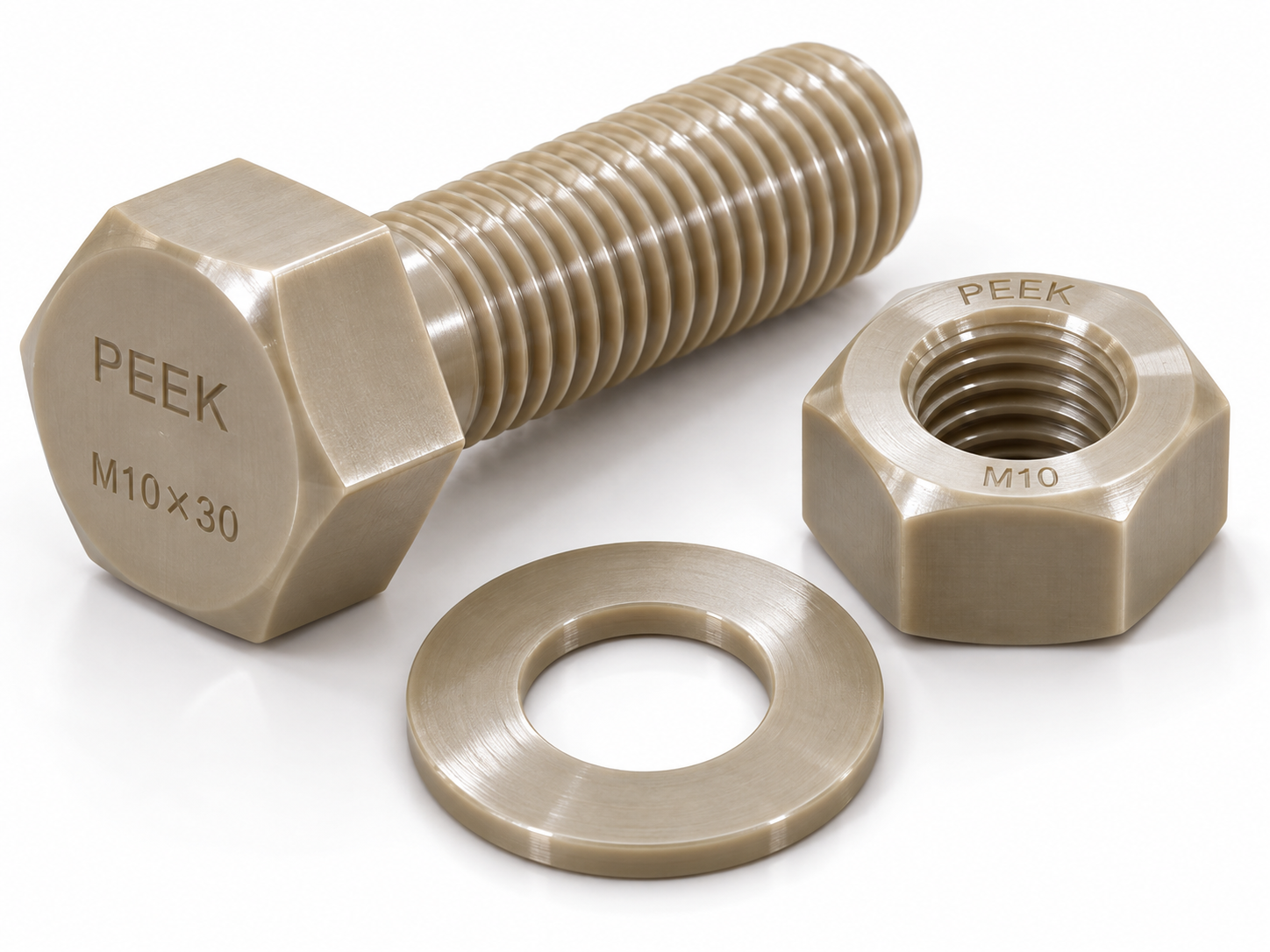
 PEEK Fasteners | Polyetheretherketone Bolts, Nuts, Screws – High-Performance Polymer | RAYCHIN LIMITED
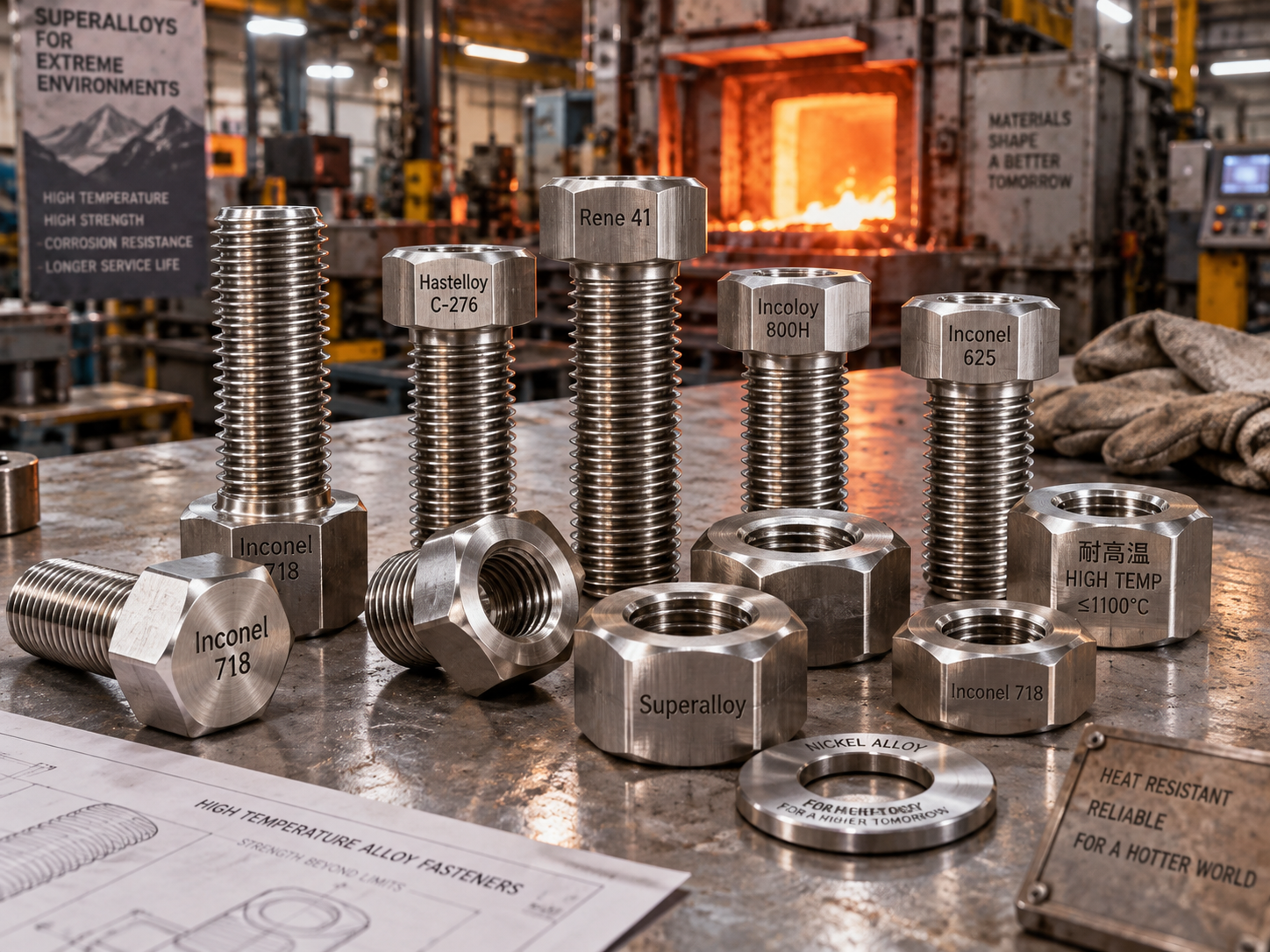
 High-Temperature Alloy Fasteners: Complete Material Guide, Chemistry, Performance Comparison | RAYCHIN LIMITED
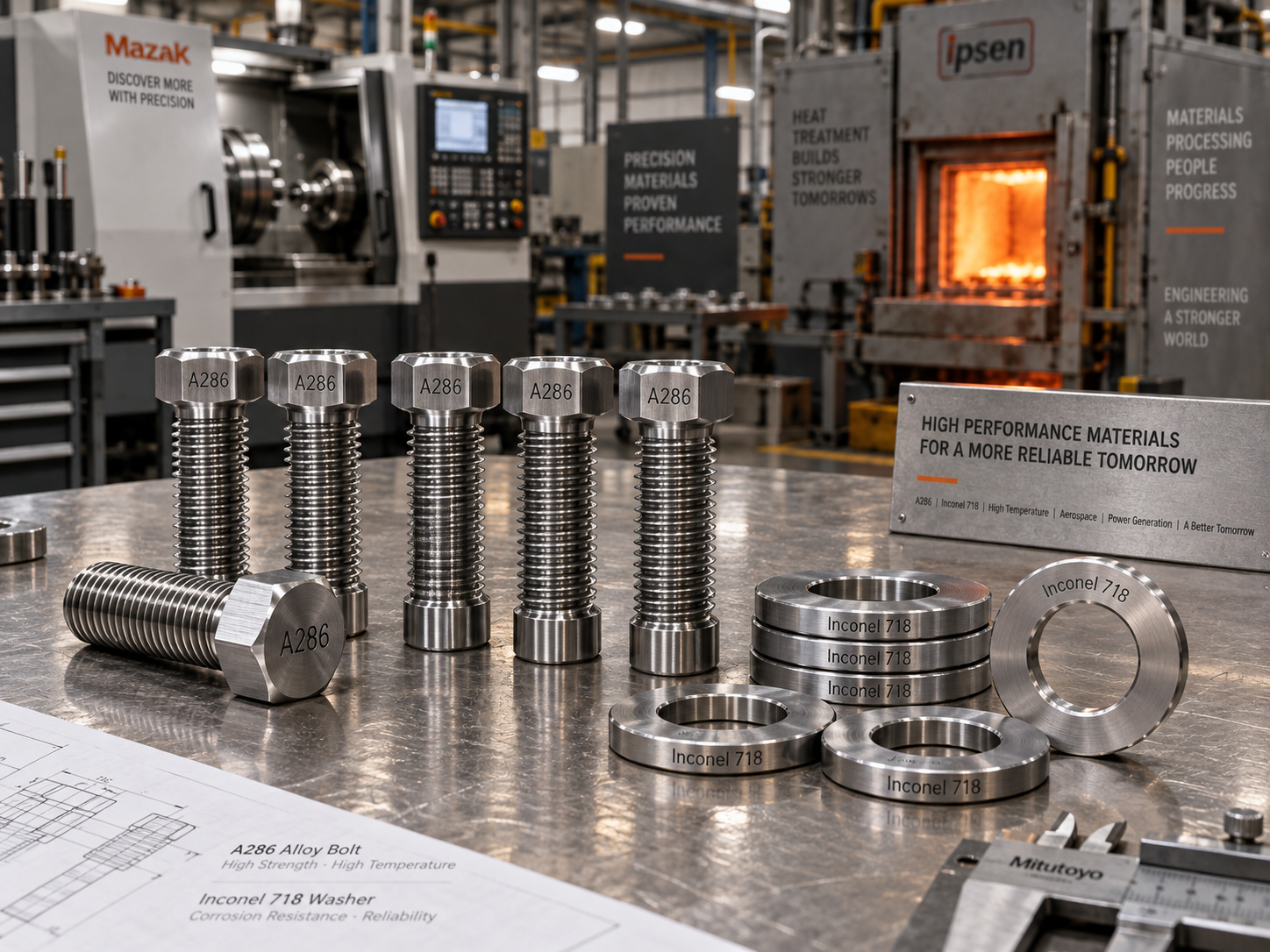
 High-Temperature Fastener Material Selection Guide | A286, Inconel 718, Nimonic 80A, Waspaloy – RAYCHIN LIMITED
Alloy 926 vs 316L, 904L, Duplex, 254 SMO, Hastelloy & More: The Ultimate High‑Chloride Fastener Showdown
Selecting the right fastener for a high‑chloride environment—warm seawater, flue gas desulfurization (FGD) slurry, or bleaching chemicals—often means choosing between the robust Alloy 926 and a host of other candidate materials. With its 6% molybdenum content and a PREN of 43–47, Alloy 926 (UNS N08926) is a 6Mo super austenitic stainless steel that provides a decisive upgrade in localized corrosion resistance. But where exactly does it stand compared to 316L, 904L, 2205 duplex, 2507 super duplex, 254 SMO, AL6XN, Hastelloy C‑276, Inconel 625, and Monel 400? RAYCHIN LIMITED, a specialist global manufacturer of all these alloys, provides this authoritative comparison to guide you to the most cost‑effective, technically correct fastener selection.
1. Alloy 926 vs 316L Fasteners
Alloy 926 vs 316L fasteners is the most fundamental upgrade for chloride service. The key differentiator is PREN: 316L has a PREN of only 24–26, while Alloy 926 achieves 43–47. This translates directly to field performance: 316L fasteners pit within hours in warm, stagnant seawater; Alloy 926 fasteners resist crevice corrosion at temperatures well above 40°C. When to use Alloy 926 instead of 316L: whenever the service environment involves seawater, brackish water, or any fluid with >1000 ppm chlorides at temperatures above 30°C. 316L is suitable for general atmospheric exposure and low‑chloride water, but it should never be used as a substitute in severe chloride environments where pitting and crevice corrosion are risks.
2. Alloy 926 vs 904L Bolts
904L (UNS N08904) is another super austenitic grade with approximately 4–5% Mo and a PREN of about 35. While it offers better performance than 316L, Alloy 926 vs 904L bolts still shows a clear advantage for Alloy 926 in critical pitting and crevice corrosion resistance. Alloy 926's 6% molybdenum content provides an upgrade in the most aggressive environments, such as hot bleach and acidified brine, where 904L may be marginal.
3. Alloy 926 vs 2205 Duplex Fasteners
Duplex 2205 provides high yield strength (450 MPa) and a PREN of about 35. It is widely used for structural bolting in seawater. However, Alloy 926 vs 2205 duplex fasteners shows that Alloy 926 offers superior crevice corrosion resistance and chloride SCC resistance. For gasketed joints or stagnant seawater conditions where crevices are unavoidable, Alloy 926 is the safer long‑term choice, despite the higher initial cost.
4. Alloy 926 vs 2507 Super Duplex Bolts
Super duplex 2507 (UNS S32750) has a PREN of approximately 42–44, very close to Alloy 926. Alloy 926 vs 2507 super duplex bolts often comes down to temperature, crevice risk, and strength needs. 2507 offers higher strength (550 MPa yield), making it preferred for high‑pressure applications. Alloy 926 provides slightly better crevice corrosion resistance and is often chosen when the risk of chloride SCC is the primary concern.
5. Alloy 926 vs 254 SMO and AL6XN Fasteners
Alloy 926 vs 254 SMO fasteners and Alloy 926 vs AL6XN fasteners are comparisons within the 6Mo family. All three alloys—Alloy 926 (UNS N08926), 254 SMO (UNS S31254), and AL6XN (UNS N08367)—offer a PREN of 43–47 and are often interchangeable. Minor differences in nickel, chromium, and nitrogen content may sway selection, but in practice, these grades provide virtually identical corrosion resistance. The choice often comes down to project specifications and regional availability. Alloy 926 vs 1.4529 equivalent is simply the European EN designation for the same alloy.
6. Alloy 926 vs Hastelloy C‑276 Bolts and Inconel 625 Fasteners
Hastelloy C‑276 and Inconel 625 are nickel‑base alloys that provide broader chemical resistance but at a 3–5 times higher cost. Alloy 926 vs Hastelloy C‑276 bolts and Alloy 926 vs Inconel 625 fasteners are comparisons for the most severe environments. For applications dominated by chlorides and moderate acids, Alloy 926 provides sufficient resistance at a much lower cost. Hastelloy C‑276 or Inconel 625 are required when strong reducing acids, extreme temperatures, or oxidizing contaminants are present simultaneously.
7. Alloy 926 vs Monel 400
Monel 400 is a nickel‑copper alloy with exceptional resistance to seawater and hydrofluoric acid, but its yield strength is lower (240 MPa). Alloy 926 vs Monel 400: Alloy 926 provides higher strength and is preferred for structural seawater bolting and high‑chloride environments. Monel 400 is the material of choice for HF acid service and where non‑magnetic properties are required.
8. Best Material for High Chloride Fasteners — Decision Matrix
9. Super Austenitic vs Duplex for Seawater & 6Mo vs Super Duplex Cost
The choice between super austenitic vs duplex for seawater often comes down to crevice corrosion risk and strength requirements. 6Mo vs super duplex cost comparison typically shows that Alloy 926 is 10–20% more expensive than super duplex 2507, but the cost is justified when crevice corrosion or SCC is a life‑limiting factor. RAYCHIN's application engineers can assist you in evaluating total lifecycle cost versus initial procurement cost for your specific project.
Send your chloride levels, temperature, pH, and strength requirements to our technical team. We'll provide an unbiased alloy comparison and competitive quotation within 24 hours.
✉️ sales@ray-chin.com? www.ray-chin.com | Alloy 926 · 6Mo · Super Duplex · Hastelloy · Inconel
Request A Quote! We'll respond as soon as possible(within 12 hours)
Get a Quote