
Categories List
Recent Posts
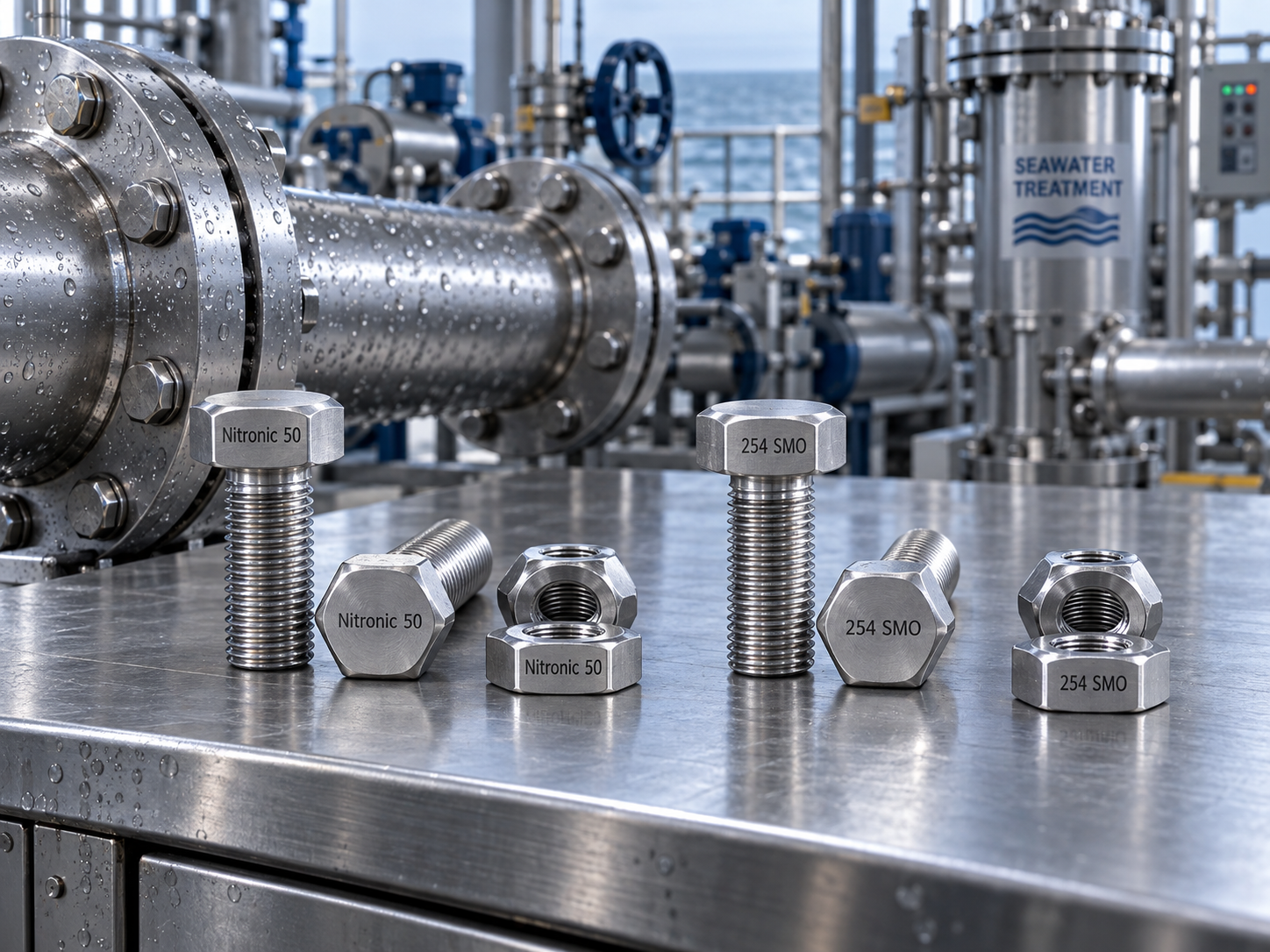
 Nitronic 50 vs. 254 SMO Fasteners: Strength or Seawater Immunity? A Complete Selection Guide
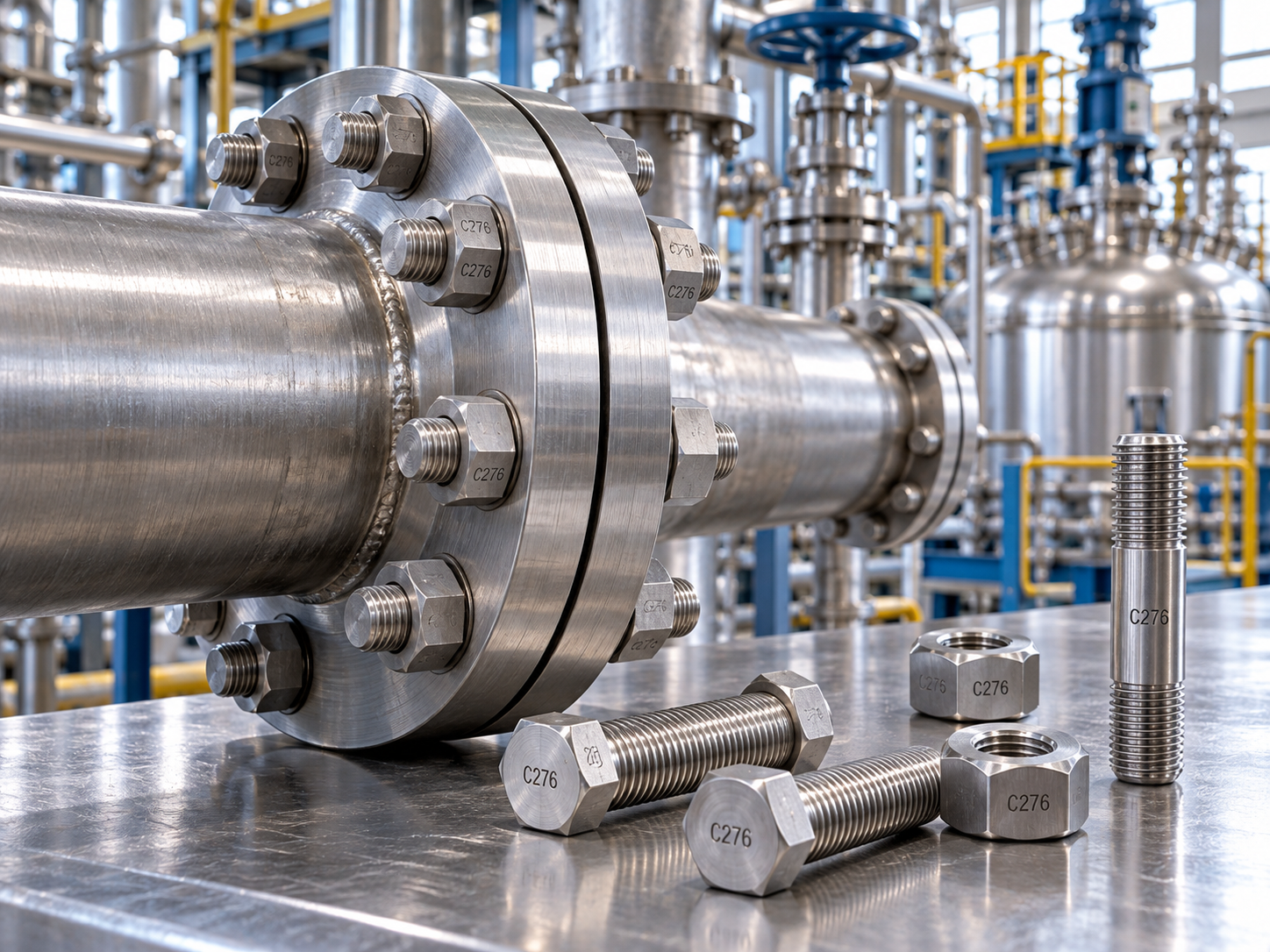
 Hastelloy C276 Fasteners: Bolts, Nuts, Screws, Studs & Washers for the World's Most Aggressive Corrosive Environments
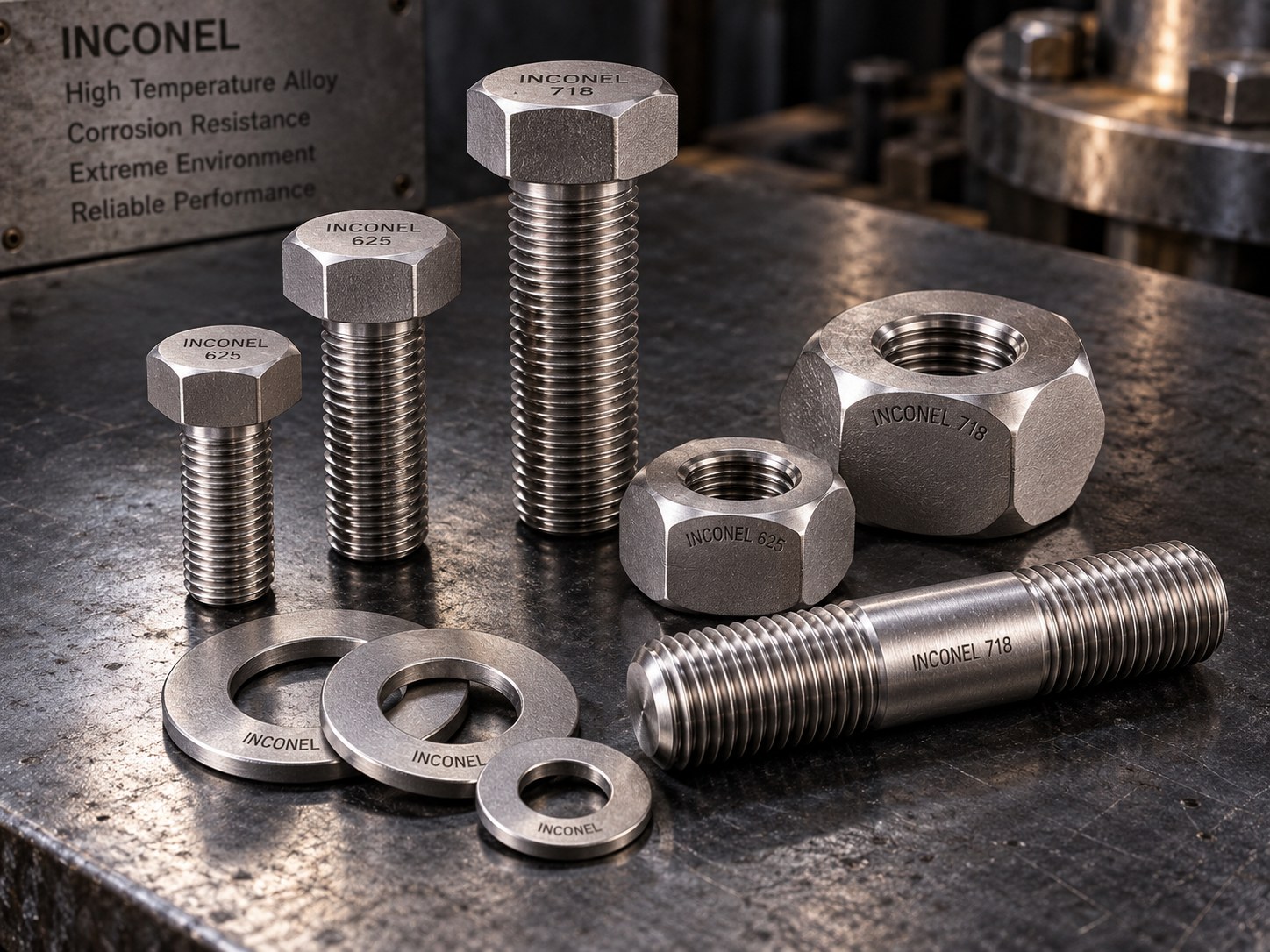
 Inconel Fasteners: Bolts, Nuts, Washers, Studs – Complete Technical Guide | RAYCHIN LIMITED
Understanding ASTM A453 Grade 660 (A286) Fasteners: Classes, AMS Specs, and Dual Certification
Alloy A286 (UNS S66286) is one of the most widely specified high‑temperature, corrosion‑resistant fastener materials. However, navigating the standards landscape—ASTM A453 Grade 660 classes, AMS 5737 requirements, and dual certification—can be confusing. Procurement errors at the specification stage often result in non‑compliant product, project delays, and even in‑service failures. At RAYCHIN LIMITED, a specialist manufacturer of A286 fasteners for the global energy, aerospace, and industrial markets, we bring absolute clarity to these specifications. This guide explains the critical differences between ASTM A453 classes, the role of AMS 5737, and how dual‑certified fasteners simplify compliance.
1. The Core Standard Family for A286 Fasteners
A286 fasteners are governed primarily by two major specification systems:
- ASTM A453 / A453M: Covers precipitation‑hardened bolting materials for high‑temperature service. Grade 660 is A286. This standard defines four distinct classes based on heat treatment and mechanical properties—Class A, B, C, and D—and is widely referenced in industrial, power generation, and oil & gas applications.
- AMS 5737: The aerospace material specification for A286 bar, forging, and fastener stock. It imposes tighter controls on chemistry, cleanliness, grain size, and heat treatment, and requires higher mechanical properties than many ASTM A453 classes.
Other common AMS specifications—such as AMS 5731 (solution‑treated bar) or AMS 5525 (sheet)—may appear in older designs but are less frequently referenced for finished fasteners. Modern aerospace and industrial engines typically call for AMS 5737 or dual‑certified ASTM A453 / AMS 5737 product.
2. ASTM A453 Grade 660: The Four Classes Deep Dive
The critical differentiator within ASTM A453 is the class designation, which dictates the mechanical properties through heat treatment. Selecting the wrong class can lead to fastener failure or unnecessary cost.
- Class A is the solution‑treated condition, typically used as an intermediate product form for further forging or welding; rarely specified for finished fasteners.
- Class B represents a moderate strength level, suitable for lower‑stress high‑temperature applications.
- Class C is an intermediate strength grade that may be requested for specific legacy designs.
- Class D is the most commonly specified for high‑stress, high‑temperature industrial fasteners. It delivers the highest tensile and yield strengths while maintaining adequate ductility. At RAYCHIN, Class D is our standard offering for most industrial and turbine applications.
3. AMS 5737 vs ASTM A453 Class D: Key Differences
AMS 5737 demands more than ASTM A453 Class D. The aerospace specification typically requires:
- Tighter control on residual elements and inclusion ratings.
- More rigorous heat treatment monitoring and certification.
- Often slightly higher minimum mechanical properties and stricter hardness limits.
- Additional testing such as grain size evaluation and, sometimes, high‑temperature tensile data.
A fastener that meets AMS 5737 automatically satisfies the chemistry and property requirements of ASTM A453 Class D, but the reverse is not always true. This is where dual certification becomes valuable.
4. The Power of Dual Certification
Dual‑certified A286 fasteners—those simultaneously meeting both ASTM A453 Grade 660 Class D and AMS 5737—provide the best of both worlds. For the customer, this means:
- Simplified inventory: One SKU covers both industrial and aerospace programs, reducing warehousing complexity.
- Expanded supplier base flexibility: A single lot can be applied to multiple end‑use contracts without re‑qualification.
- Higher inherent quality: Because the product must meet the most stringent standard (AMS 5737), the overall quality level is elevated, benefiting all applications.
RAYCHIN LIMITED standardizes on dual‑certified production for a significant portion of our A286 fastener output, particularly for critical gas turbine, power generation, and oil & gas service.
5. Mandatory Testing and Documentation
To claim compliance to ASTM A453 Class D or AMS 5737, RAYCHIN performs and documents the following for every production lot:
- Heat treatment batch records: with furnace charts showing precise time‑temperature profiles of solution annealing and precipitation aging.
- Tensile testing per lot: yield, tensile, elongation, and reduction of area tested on samples from the same heat treat batch.
- Hardness testing: 100% verification of fasteners for Class D, within the specified range.
- EN 10204 Type 3.1 material certificate as standard; Type 3.2 with independent third‑party witness inspection available.
- NADCAP‑accredited heat treatment available upon request, essential for aerospace customers who require this additional process audit.
6. Common Certification Pitfalls and How to Avoid Them
One of the most frequent non‑compliance issues in the market is the “mill‑only certification” trap. A distributor may present a steel mill's original test certificate for the raw bar stock as evidence of fastener compliance. However, the mill certificate only attests to the properties of the bulk material—it does not account for the fastener manufacturer's heat treatment, thread rolling, or machining that can alter properties. True compliance requires fastener‑lot‑specific testing after all manufacturing steps. RAYCHIN eliminates this risk by performing all aging and testing in‑house after fastener formation, and by providing certificates that specifically reference the finished fastener lot and its heat treatment batch.
7. Why RAYCHIN is Your Trusted Source for A286 Certified Fasteners
RAYCHIN LIMITED brings decades of experience in high‑performance alloy fasteners to your procurement process:
- Guaranteed compliance: We control the entire manufacturing sequence—from certified bar stock through in‑house aging, thread rolling, and final testing—ensuring that the properties on the certificate match the fasteners in the box.
- Flexible certification: We routinely supply dual‑certified ASTM A453 Class D / AMS 5737 product, simplifying your supply chain.
- Rapid documentation turnaround: Complete EN 10204 3.1 or 3.2 certificates, PMI reports, and mechanical test reports shipped with every order.
- Application support: Our engineers help you determine the correct class and specification for your specific temperature, stress, and environment.
Send your requirements, specifications, or inquiries to our technical team. We provide a complete compliance assessment, lead time, and competitive quotation within 24 hours.
✉️ sales@ray-chin.com? www.ray-chin.com | A286 Specialist · ASTM A453 Class D · AMS 5737 · Dual Certified
Request A Quote! We'll respond as soon as possible(within 12 hours)
Get a Quote